The electrification of the global automotive sector demands a structural shift in sub-component optimization. Within a traditional Internal Combustion Engine (ICE) platform, parasitic electrical loads represent a minor fraction of overall fuel energy losses. However, in modern battery electric vehicles (BEVs), every milliwatt drawn by ancillary systems directly affects the driving range (Kilometre-per-Charge metric). Headlights, signal assemblies, and ambient lighting systems are prime targets for energy conservation. As automakers strive to squeeze maximal ranges from lithium-ion chemistry packs, the integration of high-efficiency solid-state LED systems has evolved from a styling preference to an engineering imperative.
By transitioning standard passenger vehicles from legacy halogen solutions to optimized LED modules, OEMs can reduce parasitic power draw from 150W+ down to less than 30W. This reduction directly translates to a 1.5% to 3.2% range increase in winter driving scenarios.
Adapting dynamically to UNECE regulations (such as UN R149 for road illumination) and FMVSS 108 ensures that light distribution curves are optimized. This reduces glare while utilizing focused beam projection to cut downward stray light wastage.
Developing light structures with recycled polycarbonates and utilizing lead-free solder paths minimizes the cradle-to-gate carbon footprint. This matches the eco-friendly corporate mandates of modern mobility brands.
Simultaneously, the regulatory environment is tightening. Environmental agencies in North America and Europe are integrating lighting metrics into overall vehicle efficiency scoring. Consequently, lighting assemblies must be designed to interface directly with vehicle power management systems, dynamically scaling power output depending on driving speeds, ambient light conditions, and route profiles via CAN/LIN bus control protocols.
Traditional LED solutions release approximately 70-80% of their input energy as heat at the junction point. If this heat is not managed, it leads to spectral shifts, luminous flux decay, and premature diode failure. This challenge is magnified in high-output EV setups, where compact headlight housings restrict airflow.
Hangzhou EV Light overcomes this by utilizing advanced Metal Core Printed Circuit Boards (MCPCB) paired with high-performance thermal interfaces (TIM). Our specialized design ensures that the thermal path from the LED die to the heat sink is optimized, keeping junction temperatures below 85°C even in extreme ambient environments.
Furthermore, our optical lenses are molded from premium PMMA and UV-resistant polycarbonates. This provides up to 93% light transmission efficiency, reducing the power drive required to achieve standard photometric output.
Hangzhou EV Light Co., Ltd. is a professional China electric vehicle lighting manufacturer specializing in EV LED lighting and smart automotive lighting solutions for the rapidly evolving new energy vehicle industry. With a strong commitment to innovation, performance, and reliability, we provide advanced lighting technologies that enhance vehicle safety, energy efficiency, functionality, and visual appeal. Our systems serve as critical differentiators in an era where consumers judge vehicles by their digital integration, light signatures, and low environmental impact.
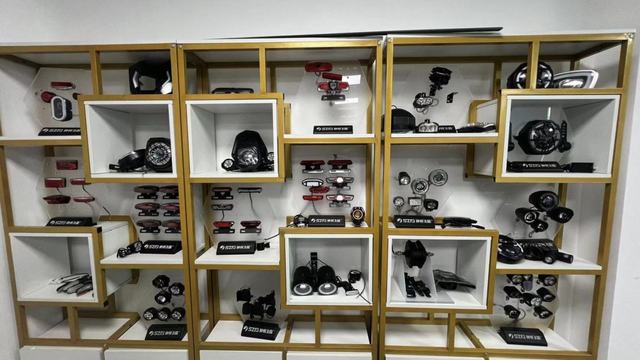
Our product portfolio includes EV headlight systems, taillight assemblies, daytime running lights, signal lighting, interior ambient lighting, charging status indicators, smart lighting modules, and customized automotive lighting solutions. Designed to meet the requirements of modern electric vehicles, our products are widely used in passenger EVs, commercial electric vehicles, electric buses, electric motorcycles, electric scooters, and emerging smart mobility applications.
At Hangzhou EV Light, we combine advanced engineering expertise with modern manufacturing capabilities to develop lighting solutions that deliver superior brightness, durability, and energy efficiency. Our experienced research and development team continuously explores new technologies in intelligent lighting control, adaptive lighting systems, LED integration, and automotive electronics to support the future of electric transportation.
Quality is at the core of our operations. From component sourcing and product development to production and final testing, every stage follows strict quality management procedures to ensure consistent performance and compliance with international automotive standards. Our manufacturing facility is equipped with advanced production and testing equipment, enabling us to provide reliable products for demanding automotive environments.
We offer comprehensive OEM and ODM services for vehicle manufacturers, automotive suppliers, distributors, and mobility brands worldwide. Whether customers require customized designs, private-label production, or large-scale manufacturing, our flexible production capabilities support projects of various sizes and specifications with high efficiency and low lead times.
Serving clients across North America, Europe, Southeast Asia, the Middle East, and other global markets, Hangzhou EV Light Co., Ltd. is dedicated to delivering innovative electric vehicle lighting solutions that contribute to safer, smarter, and more sustainable transportation. Our mission is to become a trusted global partner in advanced automotive lighting technology and smart mobility innovation.
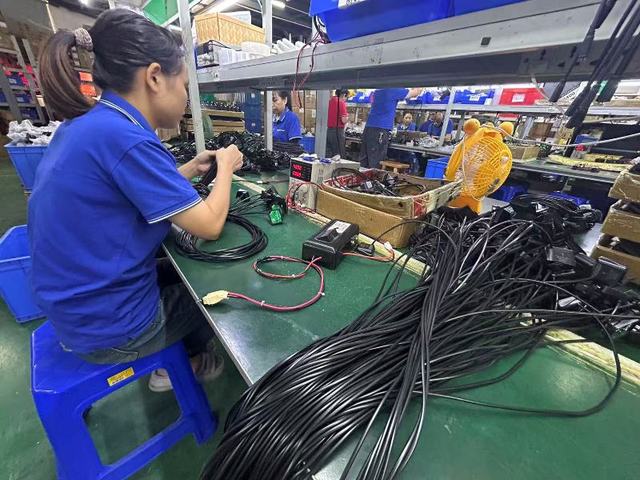
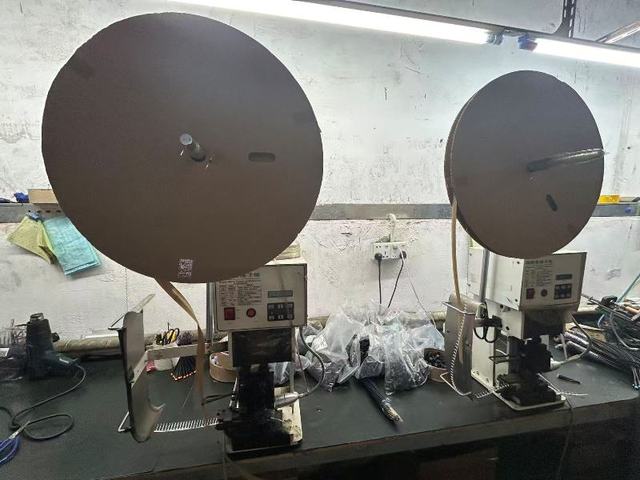
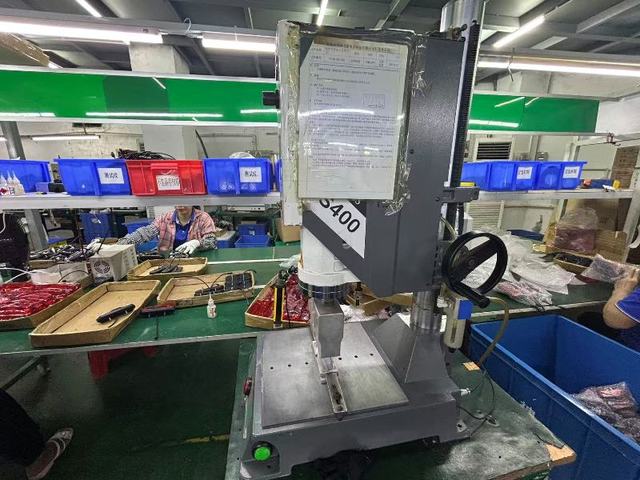
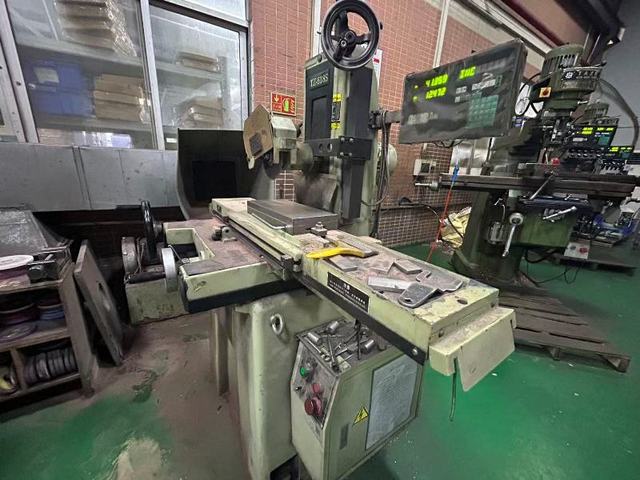
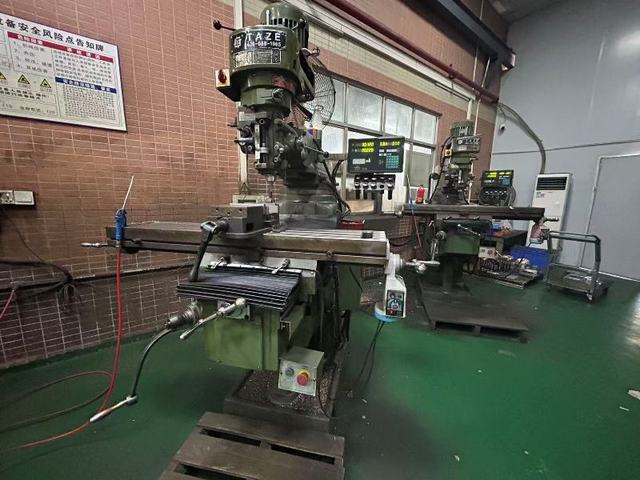
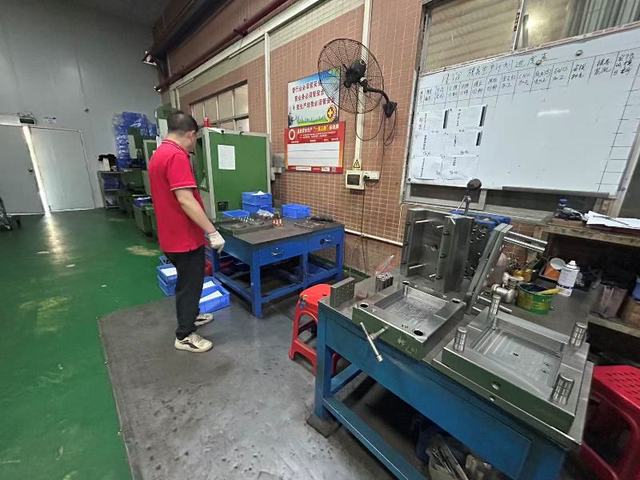
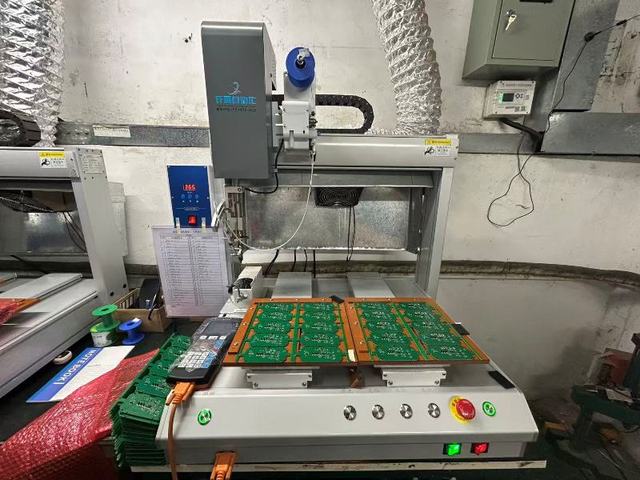
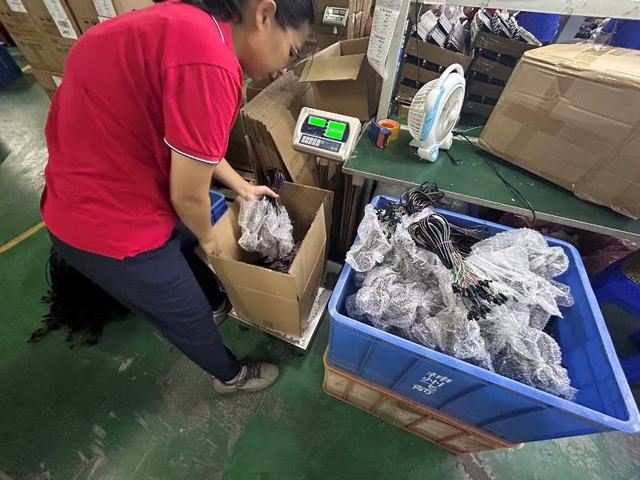
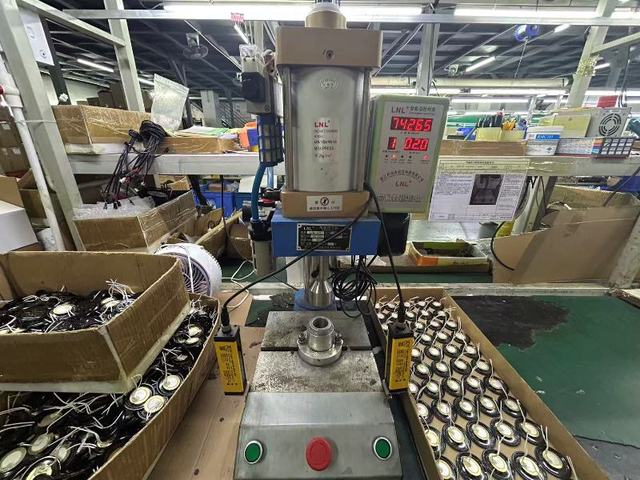
Quality is maintained through continuous investment in advanced assembly systems. Our facilities feature cleanroom environments for optical assembly, high-speed SMT placement lines, automated optical inspection (AOI), and environmental test labs. This infrastructure ensures every module can withstand long-term field deployment. Below is a look into our production facilities and assembly systems.
The future of automotive illumination is rooted in digital intelligence. Standard static beams are being replaced by dynamic, adaptive systems that interact with the vehicle's ADAS (Advanced Driver Assistance Systems) suite. Modern EV lighting functions as an external visual communication tool, signaling vehicle intentions to pedestrians and other road users.
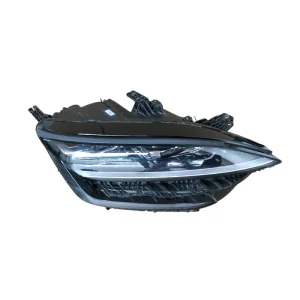
By integrating individual LED pixel control, ADB systems dynamically dim specific glare-zones pointing toward oncoming drivers. This maintains maximum high-beam illumination across the rest of the road, balancing energy use and pedestrian safety.
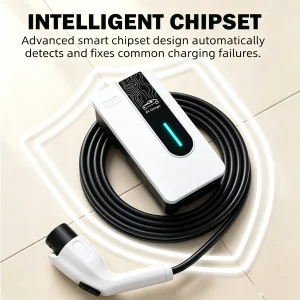
Smart indicator systems (such as the 7KW smart home chargers or integrated front-fascia DRLs) utilize breathing light patterns and color sweeps to communicate real-time state-of-charge, diagnostics, and vehicle lock/unlock status.
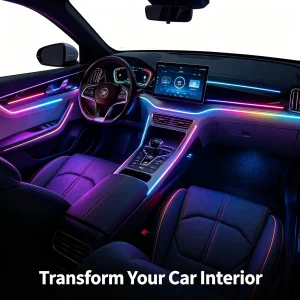
Dynamic multi-color interior kits (like the 35-LED screen-controlled rainbow kit for the BYD Song L EV) synchronize with drive modes, audio outputs, and environmental safety warnings to improve cabin comfort and driver awareness.
From a control architecture perspective, this intelligence is driven by high-performance LIN (Local Interconnect Network) and CAN (Controller Area Network) transceivers embedded within the lighting modules. These transceivers enable real-time diagnostic reporting and smooth, flicker-free dimming down to 0.1% current thresholds.
Different regions present unique environmental challenges that require targeted engineering solutions. For example, commercial fleets face different conditions than personal micro-mobility vehicles.
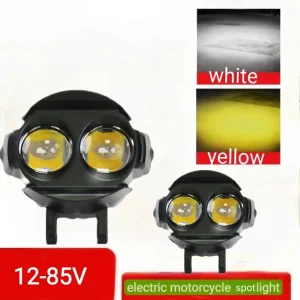
In highly congested cities across Southeast Asia and Latin America, electric two-wheelers and e-bikes face high humidity and frequent monsoon rains. Compact, vibration-proof 16W/18W spotlights with IP66 ratings provide clear night vision under challenging conditions.
In Northern Europe and North America, sub-zero operation demands integrated defogging and de-icing lenses. These systems warm the outer lens surface to melt frost, preventing light dispersion without wasting excessive battery energy.
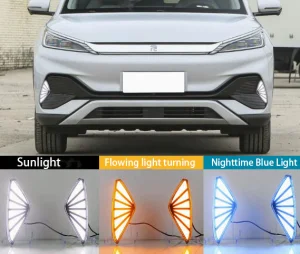
Clean aesthetic integrations, such as sequential daytime running lights on passenger cars (e.g., BYD Yuan Plus / ATTO 3), meet strict European UNECE R148 requirements while offering modern styling for global consumers.
Get answers to common technical, manufacturing, and regulatory questions from global EV procurement officers and design engineers.
Whether you need to develop custom light guides, integrate smart dynamic animations, or source certified components for global distribution, our engineers are ready to support your project.
Submit Design RFP EV Light