China Wholesale EV Light Performance Solutions Manufacturers & Suppliers

High-Precision LED, Intelligent Lighting Modules, and High-Efficiency Automotive Photonic Systems for the New Energy Era

Executive Whitepaper: The Strategic Evolution of EV Light Performance

The global automotive landscape is undergoing a paradigm shift towards electrification. In this transition, traditional illumination architectures are no longer sufficient. Electric Vehicles (EVs) present distinct thermal, electromagnetic, and volumetric characteristics that demand highly specialized EV Light Performance Solutions. Unlike internal combustion engine (ICE) vehicles, where raw power consumption is a secondary concern to heat disposal, EVs demand maximum luminous efficiency to safeguard battery driving range. Furthermore, the absence of a large front radiator grill allows designers and engineers to completely reimagine the vehicle's front profile, integrating smart communicative matrix arrays and high-power signal assemblies directly into the vehicle's aerodynamic body panels.

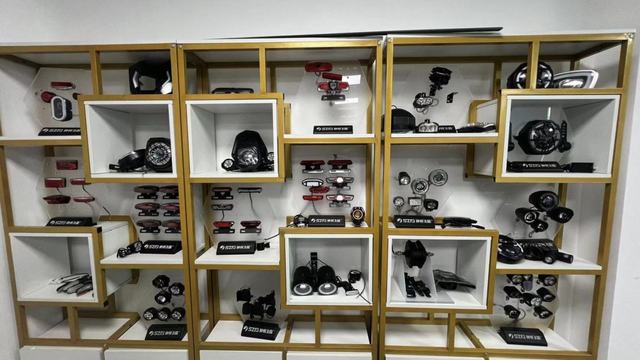
As a leading China wholesale EV lighting manufacturer, Hangzhou EV Light Co., Ltd. stands at the forefront of this technology. We design, prototype, and manufacture state-of-the-art light assemblies that optimize energy draw while maintaining optimal visibility and compliance with ECE, DOT, and SAE regulations. Our engineered solutions focus on decreasing parasitic energy load and mitigating the thermal challenges associated with high-output LEDs encapsulated in dense, sealed aerodynamic housings.

150+
Lumen/Watt Efficacy
< 15W
Low Power Consumption
50k Hr
Component Lifespan
ISO9001
Quality Certified

Core Engineering Principles of EV Light Design

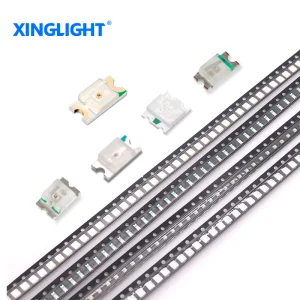
Optimizing light performance in EVs involves an intricate balance between three primary fields of engineering: advanced optics, thermal management, and low-power electronics integration. Our products utilize top-tier SMD LEDs and custom-designed polycarbonate lenses to guide light precisely where it is needed, eliminating wasted spill light and maximizing road safety.

  • High-Efficiency Thermal Dissipation: Unlike conventional bulbs, LEDs generate heat at their junctions. In EVs, thermal accumulation can degrade LED life and reduce output. We integrate aluminum PCB substrates, active heat pipes, and high-conductivity thermal interface materials (TIMs) to keep operating temperatures below critical thresholds.
  • Electromagnetic Compatibility (EMC): Modern electric drivetrains generate significant electromagnetic noise. Our control modules are designed to prevent radio-frequency interference (RFI) and ensure compliance with CISPR 25 standards, ensuring that headlights and interior light bars do not compromise the vehicle's onboard communication systems or ADAS sensors.
  • Aerodynamic Integration & Structural Weight Savings: Utilizing ultra-thin micro-optics and lightweight polymethyl methacrylate (PMMA) housings, we reduce the physical volume and weight of our light fixtures. This directly contributes to vehicle range extension and provides stylists with clean, uninterrupted surfaces to design sleeker front-end fascias.

Our Production Powerhouse: Hangzhou Factory Advantages

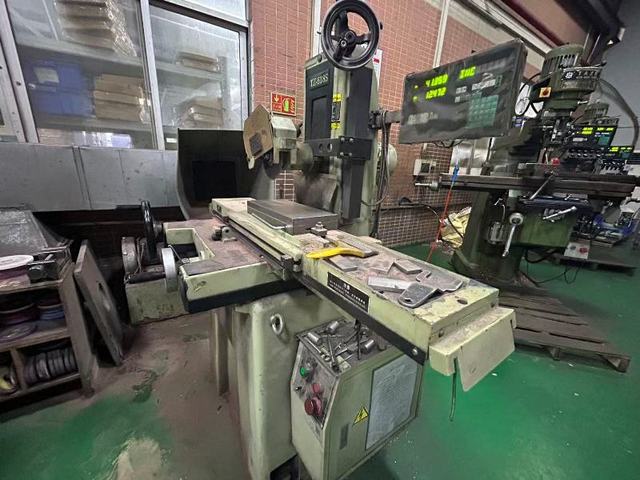
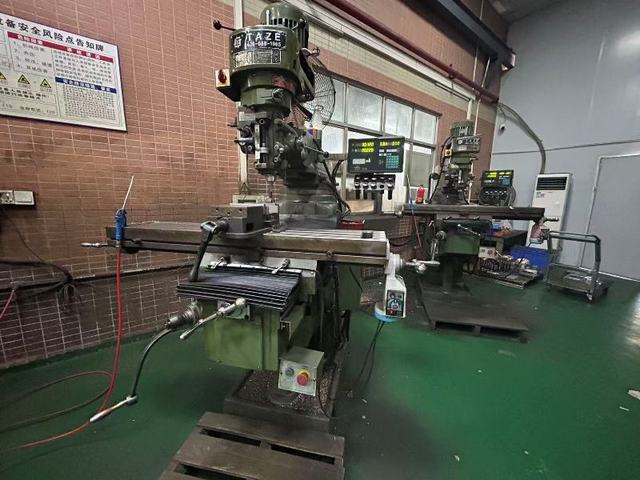
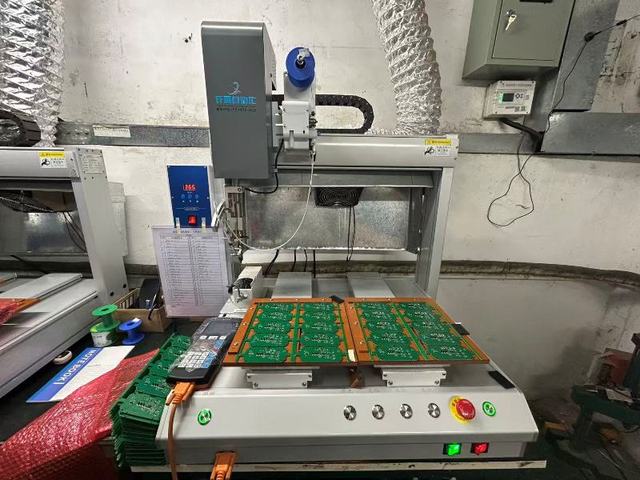
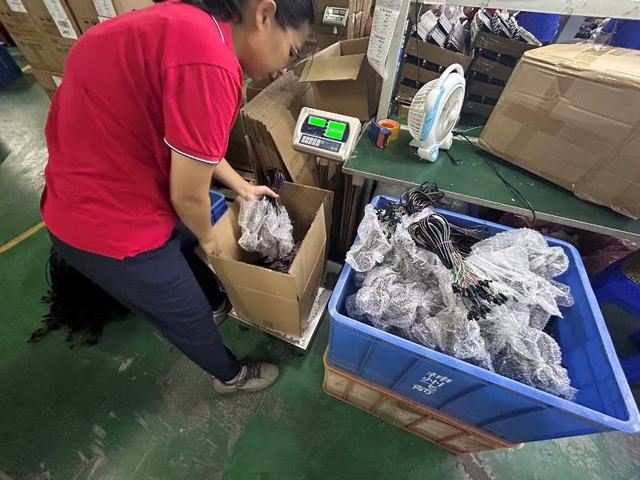
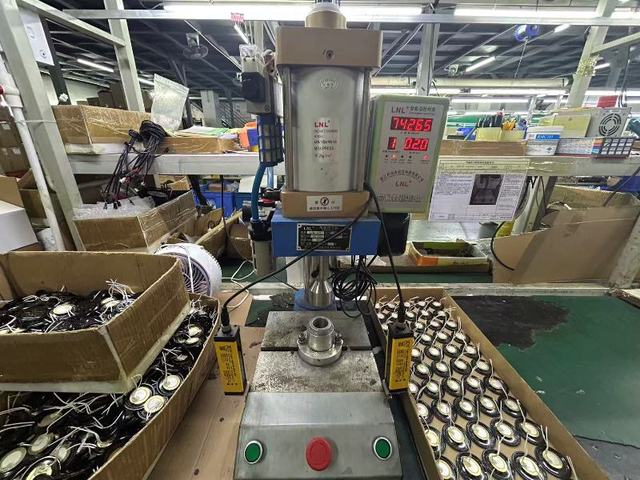
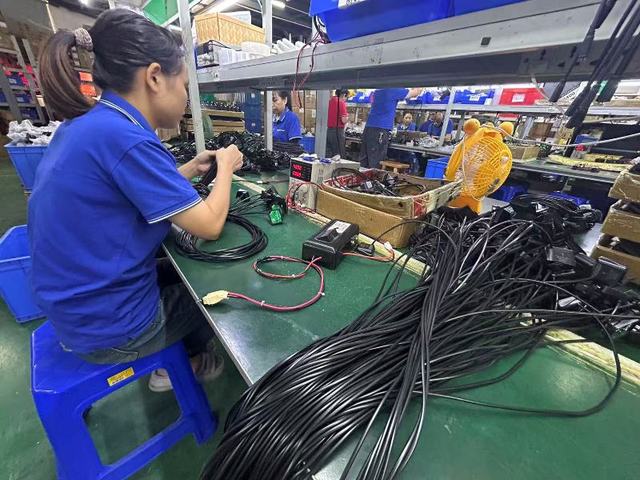
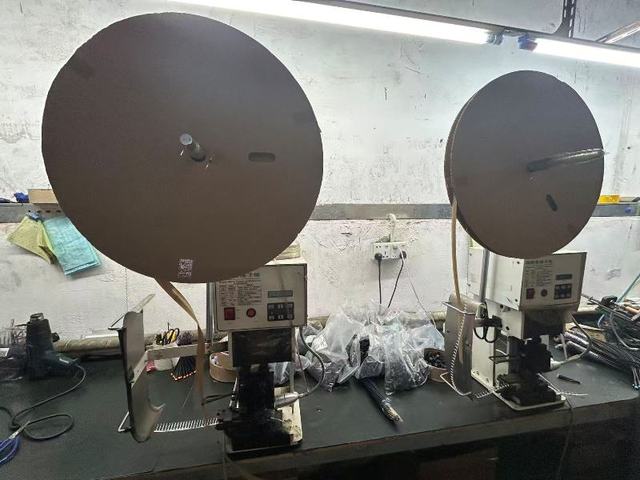
Hangzhou EV Light Co., Ltd. leverages the strength of China's advanced supply chain ecosystems. We combine cost-competitive electronics sourcing with strict ISO-compliant quality gates to deliver global-tier products.
End-to-End OEM/ODM Customization
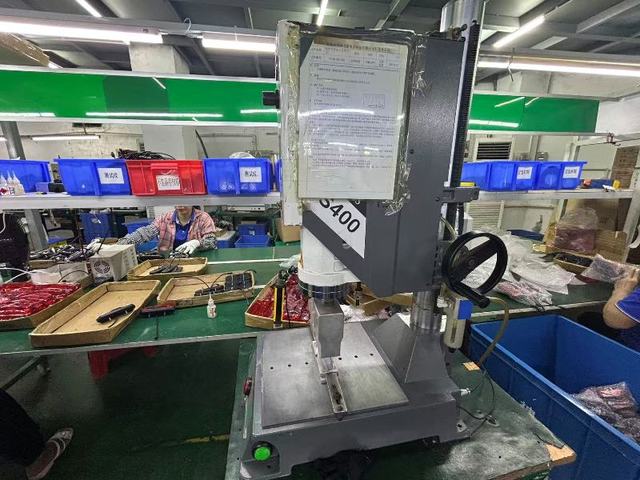
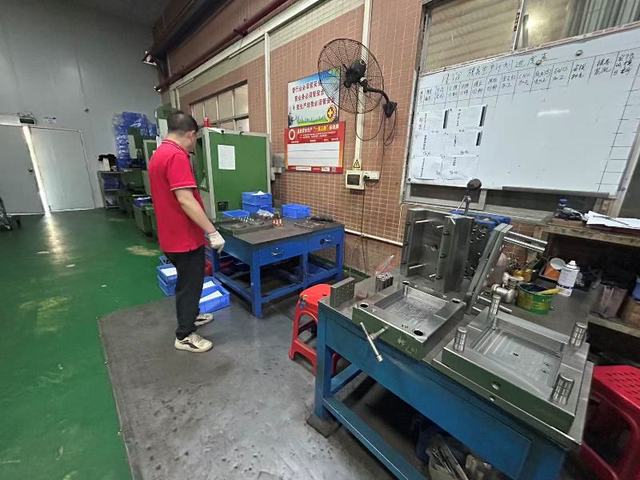
From conceptual CAD design and optical simulation (using LucidShape or SPEOS) to PCB layout, rapid prototyping, and injection mold development, we provide complete, vertically integrated solutions under one roof.
Automotive-Grade Reliability Testing
Our testing labs run continuous validation checks, including environmental chamber tests (-40°C to 105°C), vibration resistance testing, dust protection (IP6X), and water intrusion test protocols (IPX9K) to guarantee durability.
Certified Materials & Standards
We source high-grade polycarbonate with anti-UV and anti-scratch hard coatings. All final light assemblies conform strictly to global homologation requirements, facilitating entry into EU, US, and APAC markets.

Global Market Trends Shaping EV Lighting Systems

The convergence of autonomous driving, intelligent city infrastructure, and passenger-centric designs is reshaping how automotive lights operate. We actively track three major market trends that are dominating the wholesale automotive procurement sector today:

1. Adaptive Driving Beams (ADB) & Intelligent Matrix Integration

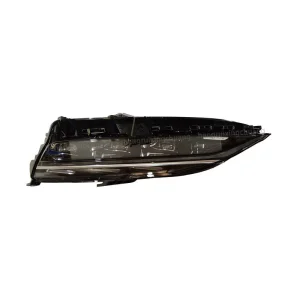
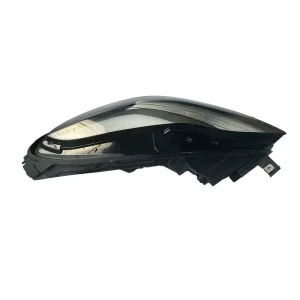
Matrix LED headlights represent the gold standard in high-performance illumination. Composed of individually controlled LED chips, these systems work in tandem with the vehicle's forward-facing ADAS cameras. When oncoming traffic is detected, the light control unit dims specific LEDs in the matrix, creating a dynamic dark zone around the oncoming vehicle while maintaining bright illumination everywhere else. This improves active safety during night driving without blinding other road users.

2. Communicative & Interactive Grills

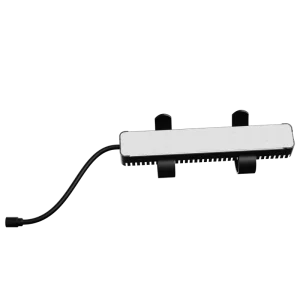
Because EVs lack functional radiators, the front fascia has evolved into a canvas for digital communication. Custom LED matrices, dynamic light bars, and programmable projection systems are now used to communicate with pedestrians (e.g., displaying a "safe to cross" icon or dynamic walk indicators). Sourcing agents globally are prioritizing light bars that support standardized communication protocols like CAN-FD or LIN to allow easy over-the-air (OTA) updates and custom branding animations.

3. Multi-Voltage & Micro-Mobility Adaptability

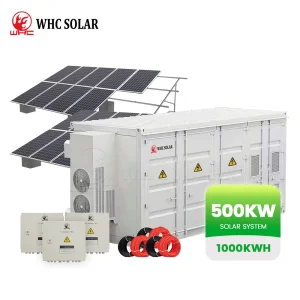
Modern transit demands solutions across various vehicle sizes. Our engineering framework supports everything from small 12V e-scooter and e-bike safety lights to 24V or 48V forklift headlights and commercial vehicle systems, right up to customized high-voltage auxiliary lights for battery energy storage systems (BESS) and municipal EV charging stations. This versatility reduces procurement overhead for companies that manage mixed fleets or multifaceted energy projects.

Macro Solutions & Localized Sourcing Use Cases

Every commercial application has specific environmental constraints. We serve an array of sectors by tailoring optical outputs and physical properties to unique localized settings:

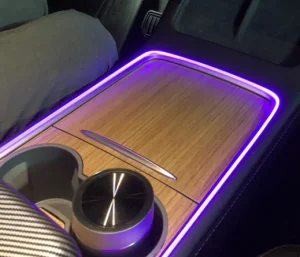
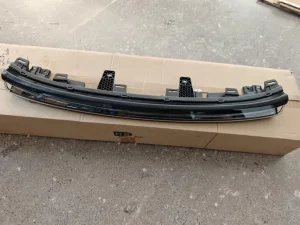
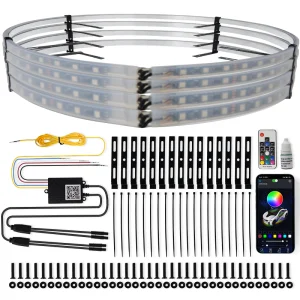
  • Passenger EV Retrofitting and Upgrades (e.g., Tesla Model 3): Enthusiasts and fleet management companies demand high-end aesthetics. Our custom ambient lighting kits and matrix headlight replacements offer seamless integration, using identical mounting tabs and connector pins as the original equipment manufacturer (OEM) to guarantee error-free installation.
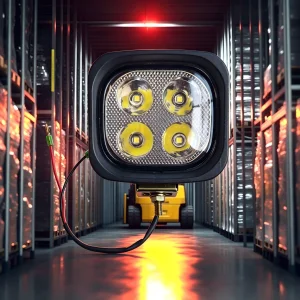
  • Heavy-Duty Warehousing and Port Logistics: Forklifts and transport machinery require robust lighting that can withstand high vibration, shock, and constant washdowns. Our 4LED forklift headlight assemblies utilize heavy-duty aluminum die-cast housings and reinforced polycarbonate lenses, offering clear, focused light to safeguard warehouse operators in low-light environments.
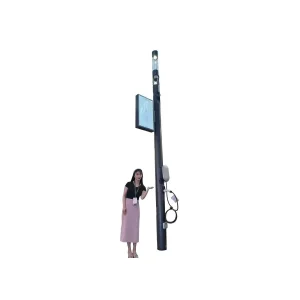
  • Smart City Infrastructure Integration: Intelligent poles combining high-efficiency street lights, public Wi-Fi modules, surveillance systems, and built-in EV chargers are key parts of the modern smart city. We design integrated smart light systems that change illumination patterns depending on local weather conditions, traffic flows, and vehicle occupancy levels.

Frequently Asked Questions: Technical & Sourcing Details

Get expert engineering answers on how we manage compliance, thermal efficiency, custom OEM programs, and wholesale logistics.

What quality standards do Hangzhou EV Light products comply with?
Our manufacturing pipeline operates under the ISO 9001 and IATF 16949 quality management frameworks. Depending on the target region of the purchaser, our products carry ECE (Europe), DOT/SAE (North America), CCC (China), and CE compliance certificates. We verify photometric distribution using industrial integrating spheres and goniophotometers prior to delivery.
How does your factory address condensation inside the lens assembly?
Temperature shifts between the high-output LED emitter and cold ambient outside air can cause moisture condensation inside the light housing. We integrate high-airflow, hydrophobic ePTFE (expanded polytetrafluoroethylene) membrane vents. These vents allow air molecules to flow freely to balance internal pressure while blocking liquid water, oil, and dust particles.
What are the minimum order quantities (MOQ) for OEM/ODM requests?
MOQ limits vary based on customization complexity. For direct catalog orders, MOQs start as low as 100 units. For fully customized light fixtures requiring dedicated tooling and injection molds, MOQs usually start at 1,000 to 2,000 sets. We support pilot production runs to assist with homologation audits and vehicle safety approvals.
Can your light control drivers connect with our vehicle's CAN bus system?
Yes. Our smart LED control systems can be designed to interface directly with vehicle network communications via LIN or CAN/CAN-FD bus. This lets the vehicle's central computer diagnose circuit health, adjust headlight leveling, and control sequential startup patterns in real time.
How does LED quality affect battery drain on an electric vehicle?
Low-quality LEDs generate excessive heat, requiring larger cooling heat sinks that add weight to the vehicle. They also consume up to 40% more electricity to achieve the same brightness. By utilizing premium, high-efficiency Cree or Osram chips combined with our custom driving circuitry, we achieve high lumen outputs at low power draws. This saves power and helps extend driving range.