Explore our core engineering items optimized for energy efficiency, durability, and smart vehicle retrofitting.
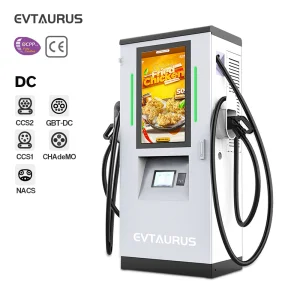
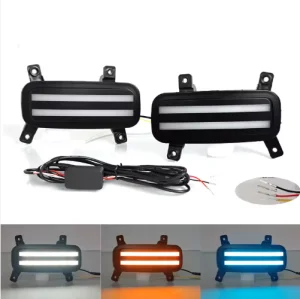
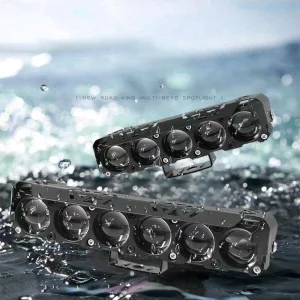
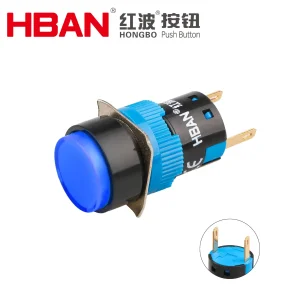
Navigating the technology shifts from standard halogen units to eco-friendly, ultra-efficient solid-state lighting arrays.
Modern electric vehicles operate on tight energy budgets where auxiliary power consumption directly correlates to driving range. High-performance LED light systems achieve over 150 lumens per watt (lm/W), reducing energy draw by up to 70% compared to traditional halogen models. This optimization helps preserve precious battery capacity for traction, ensuring longer range per charge cycle.
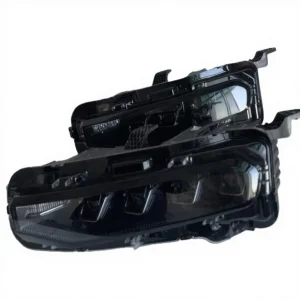
Integration of matrix LED, Adaptive Driving Beams (ADB), and smart projection technologies has transformed lighting from basic visibility tools to active safety systems. By leveraging camera arrays, vehicle lighting dynamically adapts to oncoming traffic, preventing glare while maintaining optimal road illumination.
Leading automotive manufacturers now demand Cradle-to-Cradle (C2C) component options. Modern vehicle lighting must prioritize recyclable aluminum alloys for heat sinks, bio-based polycarbonate materials for lenses, and lead-free solder connections, thus ensuring high recyclability rates at end-of-life cycles.
Understanding the technical and environmental metrics required by global automotive supply chains.
Global automotive buyers assess their supply chain partner's carbon output. By utilizing green-powered factories and localized sourcing of raw aluminum and silicon, we help Tier-1 importers reduce upstream greenhouse gas emissions.
Reliable components must adhere to global safety guidelines including DOT (US), ECE (Europe), and GB (China). Sourcing certified units guarantees quick integration into factory line assemblies.
Working with a structured exporter ensures logistics reliability. From automated inventory handling to certified custom clearing procedures, we eliminate transit risks and optimize landing costs.
| Lighting Category | Common Materials | Eco-Impact (Standard) | Sustainable Alternative (Ours) | Energy Savings |
|---|---|---|---|---|
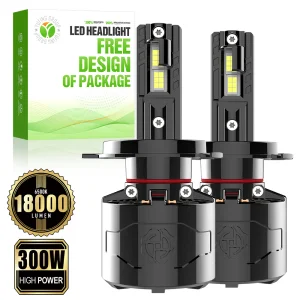
| Front Headlights / Spotlights | Halogen / Xenon, Heavy Glass | High energy consumption, Mercury traces | LED Matrix, Recyclable Optical Polycarbonate | Up to 75% Reduction |
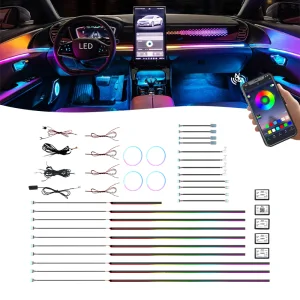
| Interior Accent & Atmosphere Lights | Fluorescent Tubes, PVC Strips | Non-biodegradable casing, phthalates | Flexible LED Strip, Halogen-Free TPU, Smart PMMA | Up to 60% Reduction |
| Signal & Indicator Lights | Incandescent Bulbs, Cadmium Solders | Short service life, lead/cadmium waste | SMD LED Array, Lead-free PCB, IP65/IP69K sealing | Up to 80% Reduction |
Our core identity, manufacturing capabilities, and dedication to global electric mobility growth.
Hangzhou EV Light Co., Ltd. is a professional China electric vehicle lighting manufacturer specializing in EV LED lighting and smart automotive lighting solutions for the rapidly evolving new energy vehicle industry. With a strong commitment to innovation, performance, and reliability, we provide advanced lighting technologies that enhance vehicle safety, energy efficiency, functionality, and visual appeal.
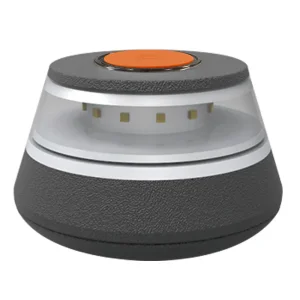
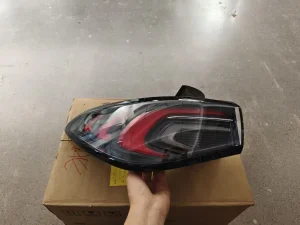
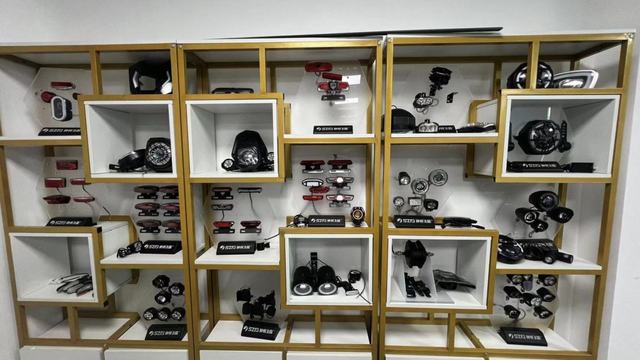
Our product portfolio includes EV headlight systems, taillight assemblies, daytime running lights, signal lighting, interior ambient lighting, charging status indicators, smart lighting modules, and customized automotive lighting solutions. Designed to meet the requirements of modern electric vehicles, our products are widely used in passenger EVs, commercial electric vehicles, electric buses, electric motorcycles, electric scooters, and emerging smart mobility applications.
At Hangzhou EV Light, we combine advanced engineering expertise with modern manufacturing capabilities to develop lighting solutions that deliver superior brightness, durability, and energy efficiency. Our experienced research and development team continuously explores new technologies in intelligent lighting control, adaptive lighting systems, LED integration, and automotive electronics to support the future of electric transportation.
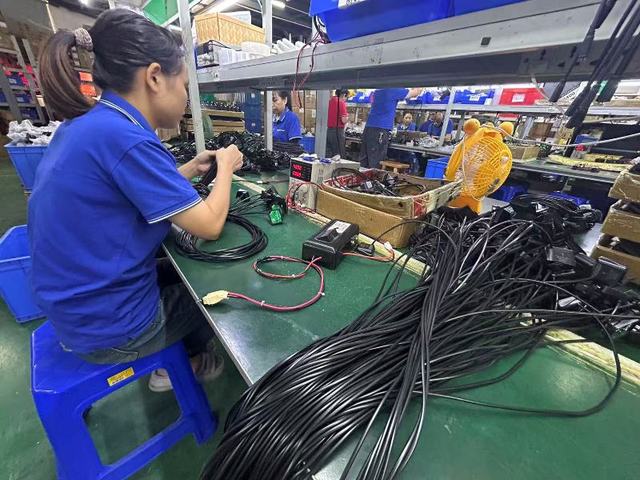
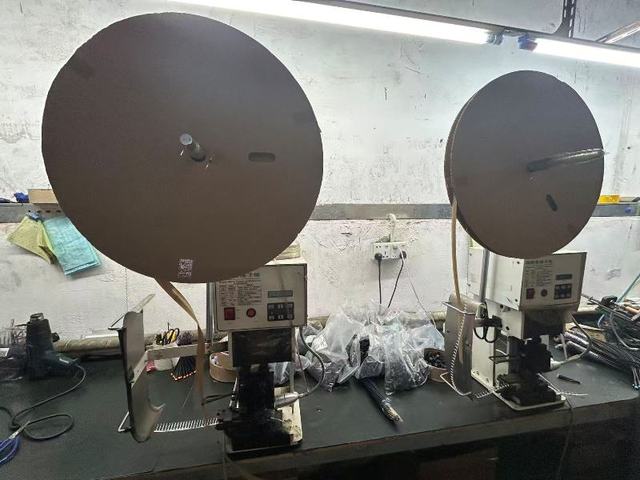
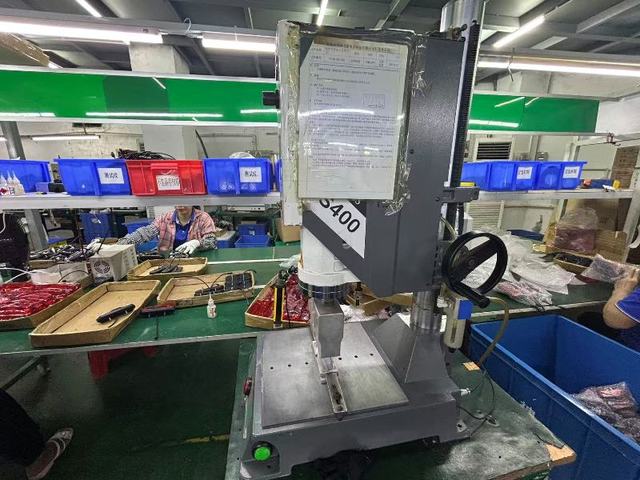
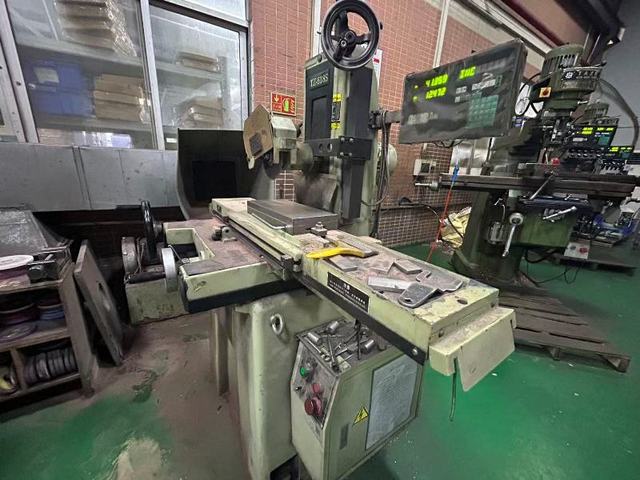
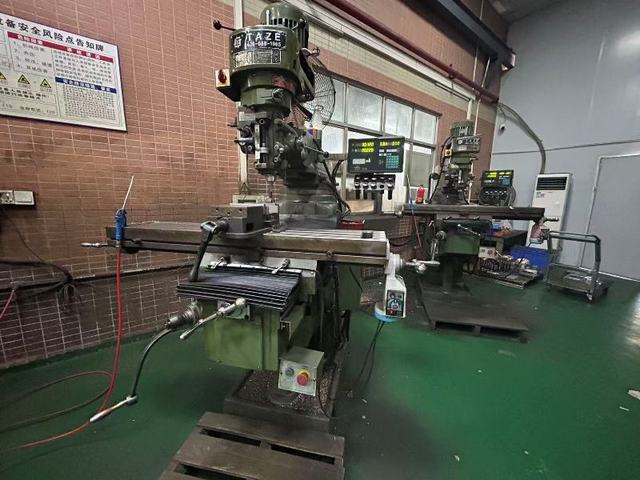
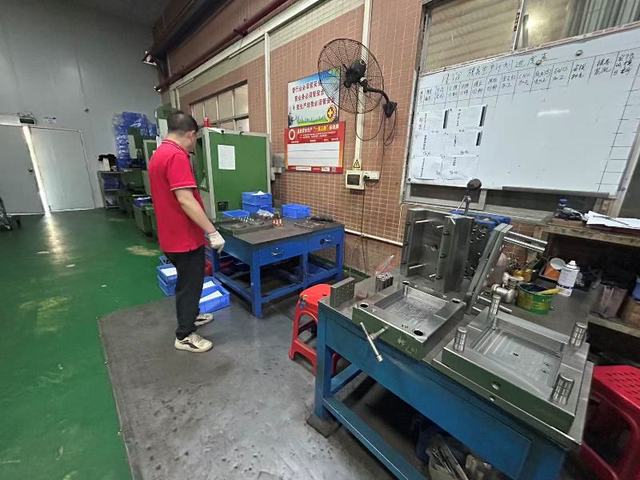
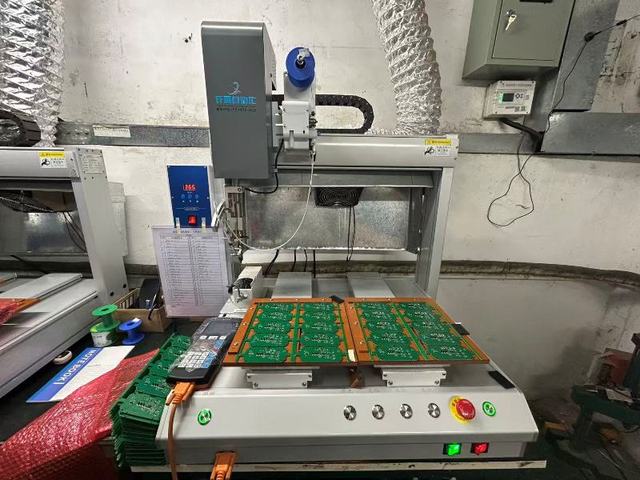
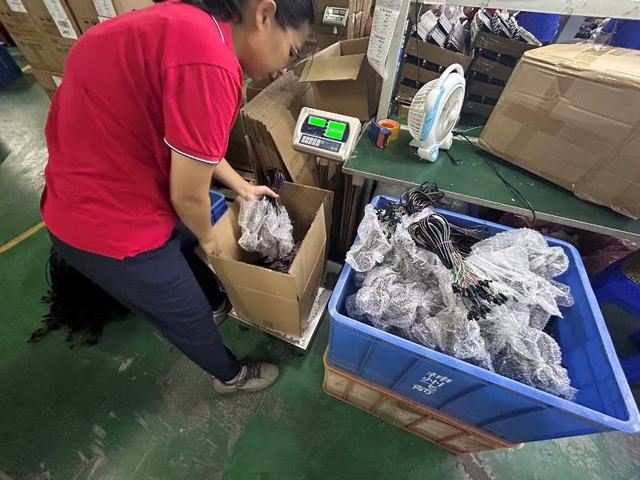
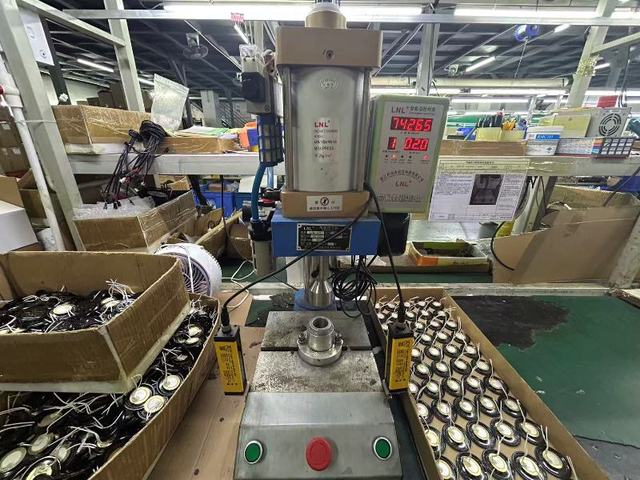
Quality is at the core of our operations. From component sourcing and product development to production and final testing, every stage follows strict quality management procedures to ensure consistent performance and compliance with international automotive standards. Our manufacturing facility is equipped with advanced production and testing equipment, enabling us to provide reliable products for demanding automotive environments.
We offer comprehensive OEM and ODM services for vehicle manufacturers, automotive suppliers, distributors, and mobility brands worldwide. Whether customers require customized designs, private-label production, or large-scale manufacturing, our flexible production capabilities support projects of various sizes and specifications.
Serving clients across North America, Europe, Southeast Asia, the Middle East, and other global markets, Hangzhou EV Light Co., Ltd. is dedicated to delivering innovative electric vehicle lighting solutions that contribute to safer, smarter, and more sustainable transportation. Our mission is to become a trusted global partner in advanced automotive lighting technology and smart mobility innovation.
Providing clear legal pathways and technical documentation for swift entry into global target markets.
All light systems intended for North American highways undergo extensive photometric and environmental testing. Our headlights, daytime running lights, and emergency beacons meet or exceed FMVSS 108 standards, ensuring complete compliance with the Department of Transportation (DOT) and Society of Automotive Engineers (SAE) guidelines.
For European buyers, we provide ECE type-approval certificates (e.g., E1, E4, E11 codes). This validation ensures that our light assemblies, taillights, and indicators comply with UNECE regulations for distribution within the European Economic Area (EEA).
Automotive components endure harsh weather conditions. Our lights feature vacuum-sealed housings and silicone gaskets, achieving IP67 and IP69K ratings. This design prevents moisture ingress during high-temperature, high-pressure washdowns and heavy rain.
Developing next-generation vehicle illumination components to keep paces with autonomous driving and V2X systems.
Future vehicle lights will project information directly onto the road surface. By displaying warning symbols, speed data, or pedestrian pathways, the headlights act as interactive communication interfaces between the vehicle and its environment.
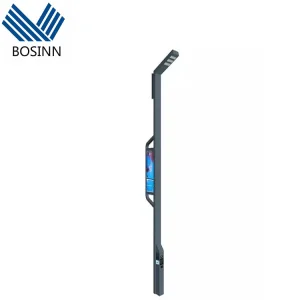
Integrating EV charging stations with street lighting networks is crucial for urban infrastructure. Combining multi-functional smart poles with IoT cameras, WiFi connectivity, and EV charging ports optimizes municipal space usage while reducing installation costs.
Laser headlights provide high luminance in a compact form factor. Standard high beams reach up to 300 meters, whereas modern laser-assisted systems illuminate paths up to 600 meters ahead. These systems consume minimal power, making them ideal for high-speed automated driving applications.
Frequently asked technical, environmental, and logistical questions from global vehicle manufacturers and procurement agencies.
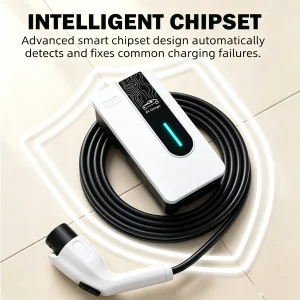
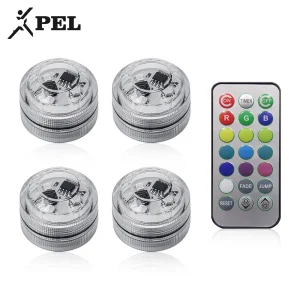
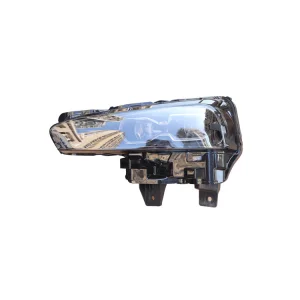
High-performance charging stations, adaptive headlight modules, and vehicle-interior ambient systems.
 EV Light