Explore our highly integrated core assemblies, custom exterior modules, and smart interior optical solutions tailored for Tier-1 automotive providers.
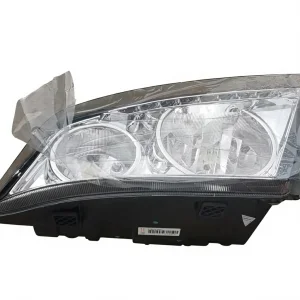
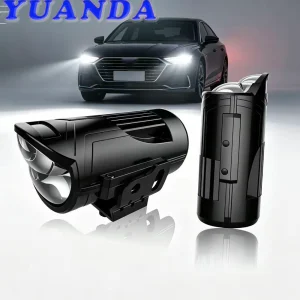
An authoritative analysis of regulatory demands, energy profiles, and the evolution of solid-state vehicle lighting.
Unlike internal combustion engine (ICE) vehicles that rely on high-output alternators, battery electric vehicles (BEVs) demand ultra-low power consumption. Every watt of electrical energy conserved directly translates into extended driving range. Modern LED vehicle lights reduce power draw by up to 70% compared to traditional halogen systems. Our custom OEM lighting architectures prioritize thermal management, using advanced metal core PCBs (MCPCB) and efficient switching drivers to keep power profiles below critical threshold targets while maintaining maximum light output.
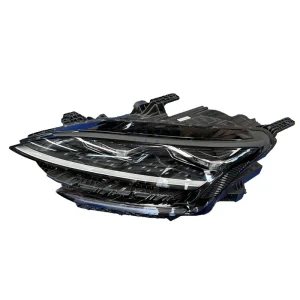
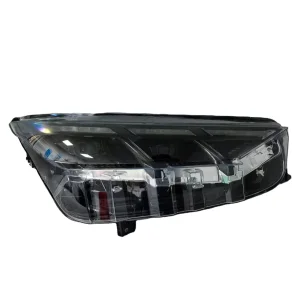
Safety is transitioning from passive protection to active spatial illumination. Adaptive Driving Beams (ADB) utilize camera-driven control systems and matrix LED configurations to selectively dim specific sectors. This prevents glare for oncoming traffic while maintaining maximum illumination on surrounding road details. As a leading OEM exporter, we design multi-channel LED arrays compatible with advanced driver-assistance systems (ADAS), facilitating real-time beam shaping and dynamic lighting profiles.
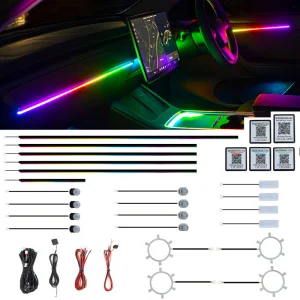
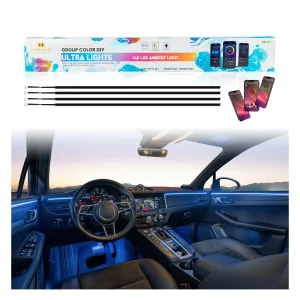
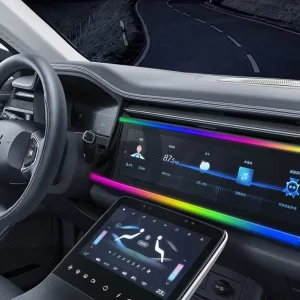
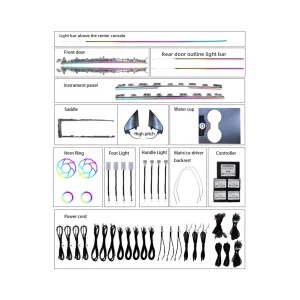
Modern automotive design treats exterior lighting as a core visual differentiator. OEMs rely on customized light bars, dynamic sweep indicators, and startup animations to establish brand identity. High-granularity Mini-LED systems and RGBIC interior ambient setups offer programmable interactive interfaces. We integrate dedicated CAN-bus controller ICs directly into our customized boards to support these sophisticated, app-controlled and vehicle-synchronized animations.
How industrial buyers, tier-1 suppliers, and vehicle assembly lines assess quality and manage supply chain risks.
Exporting to premium global markets requires strict compliance with international standards. In the EU, compliance requires E-mark certification (ECE R112, ECE R87, ECE R7). In North America, systems must comply with Department of Transportation (DOT) and Federal Motor Vehicle Safety Standard 108 (FMVSS 108) protocols. Every component we supply undergoes photometric testing, chromaticity coordinate validation, and environmental simulations to guarantee compliance.
LED failure is almost always caused by thermal stress or electrical surges. Automotive engines and battery compartments generate intense heat, necessitating thermally optimized aluminum-core boards (MCPCB) with thermal conductivities exceeding 2.0 W/m·K. Robust electrical designs require built-in transient voltage suppressors (TVS) to absorb voltage spikes without damage to the LED chips.
Automotive fixtures are continually exposed to dust, water, salt sprays, and pressure washing. Premium components must meet IP67 or IP69K ratings. We use high-grade polycarbonate (PC) lenses with specialized anti-UV, scratch-resistant coatings. Additionally, we integrate hydrophobic venting membranes to balance internal pressure and prevent condensation buildup inside the lamp housing.
To stand out in the competitive global market, tier-1 suppliers look beyond generic specifications. Here is what separates standard products from high-grade automotive components:
Our testing labs run high-precision goniophotometer scans to map out spatial luminous intensity distributions. This ensures clean cut-off lines for low beams and maximizes safety without blinding oncoming traffic.
Before moving to prototype tooling, we conduct computational fluid dynamics (CFD) thermal analysis. This lets us design optimized heat sinks that keep LED junction temperatures under 95°C even at extreme ambient temperatures.
Equipped with specialized test chambers, we verify that our electronic driver boards comply with CISPR 25 Class 5 standards, ensuring zero interference with high-frequency vehicle ADAS, GPS, and entertainment networks.
We test our assemblies through highly accelerated life testing (HALT) and temperature/humidity bias testing (85°C/85% RH) for over 1,000 hours, verifying long-term material stability and preventing lens yellowing or seal degradation.
How regional manufacturing ecosystems and automation ensure consistent quality and reliable delivery cycles.
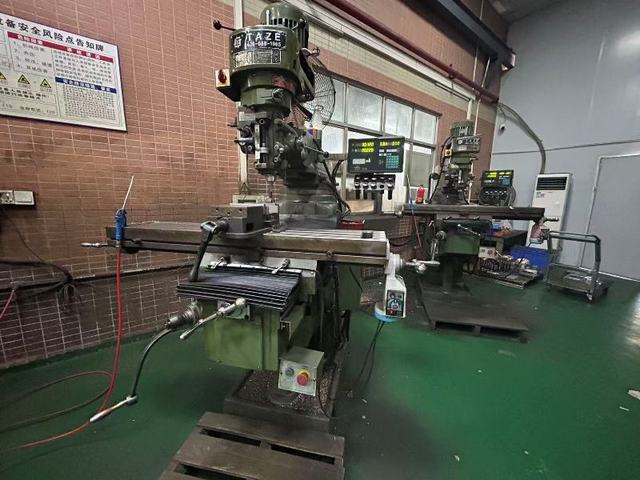
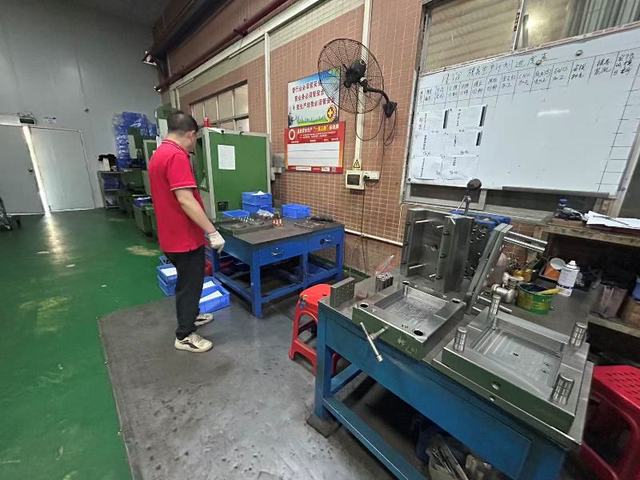
Based in Hangzhou, China, our manufacturing facilities sit at the center of the world's most advanced optoelectronic and automotive component production cluster. This geographic proximity allows us to secure raw materials, advanced silicon packages, specialized polycarbonate optics, and custom mold components within a tight radius, dramatically reducing lead times.
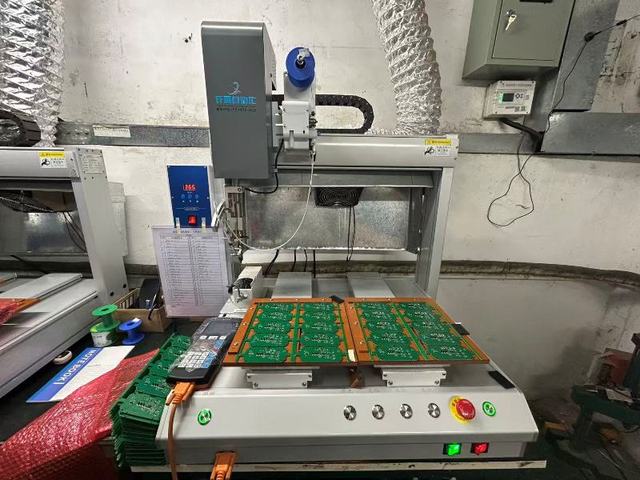
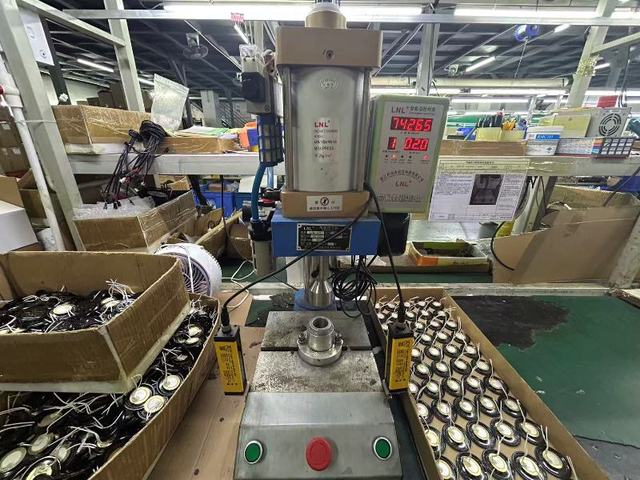
By implementing Factory 4.0 automation, we connect our enterprise resource planning (ERP) systems directly with our automated SMT lines and robotic assembly systems. Automated Optical Inspection (AOI) machines inspect every solder joint on our LED boards in real time, preventing defect propagation. This integration minimizes manual assembly errors, lowers production costs, and allows us to quickly scale production to meet sudden demand increases.
"Supply chain resilience is not just about raw capacity; it is about rapid adaptability. Our direct ties to component producers, automated quality checks, and structured OEM workflows enable us to deliver fully certified, custom lighting systems on reliable timelines."
Customizing designs to handle extreme temperatures, high humidity, and heavy dust environments.
Extremely low temperatures and heavy snowfall present a major challenge for energy-efficient LEDs. Because LEDs generate very little forward heat, lenses can quickly ice over, blocking light output. For these cold climates, we engineer custom lenses with integrated resistive heating elements that turn on automatically below 4°C, keeping the surface clear of ice and snow.
High relative humidity and heavy seasonal rains can drive water vapor through standard seals, causing condensation and foggy lenses. To address this, we seal our assemblies using automated liquid silicone injection (LSR) and add integrated PTFE breathable membranes. These membranes allow air to vent as internal temperatures change while keeping liquid water out.
Heavy sand, abrasive dust, and intense heat accelerate lens wear and drive up temperatures. We protect our lights with specialized siloxane-based hardcoats to prevent micro-abrasions from sand. We also use high-thermal-grade aluminum housings to ensure consistent heat dissipation and prevent thermal throttling in hot climates.
Historical manufacturing records, capacity statements, and verified original documentation for Hangzhou EV Light Co., Ltd.
Hangzhou EV Light Co., Ltd. is a professional China electric vehicle lighting manufacturer specializing in EV LED lighting and smart automotive lighting solutions for the rapidly evolving new energy vehicle industry. With a strong commitment to innovation, performance, and reliability, we provide advanced lighting technologies that enhance vehicle safety, energy efficiency, functionality, and visual appeal.
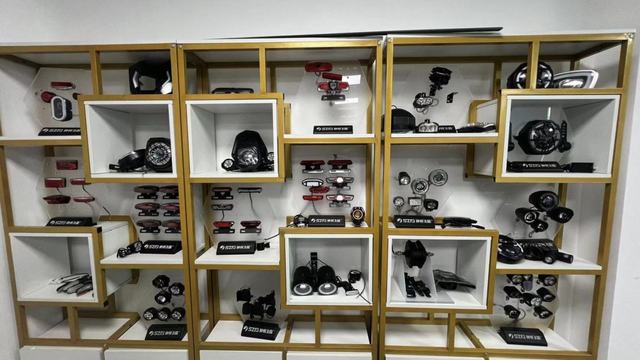
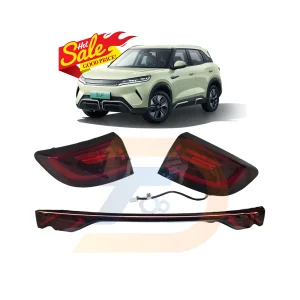
Our product portfolio includes EV headlight systems, taillight assemblies, daytime running lights, signal lighting, interior ambient lighting, charging status indicators, smart lighting modules, and customized automotive lighting solutions. Designed to meet the requirements of modern electric vehicles, our products are widely used in passenger EVs, commercial electric vehicles, electric buses, electric motorcycles, electric scooters, and emerging smart mobility applications.
At Hangzhou EV Light, we combine advanced engineering expertise with modern manufacturing capabilities to develop lighting solutions that deliver superior brightness, durability, and energy efficiency. Our experienced research and development team continuously explores new technologies in intelligent lighting control, adaptive lighting systems, LED integration, and automotive electronics to support the future of electric transportation.
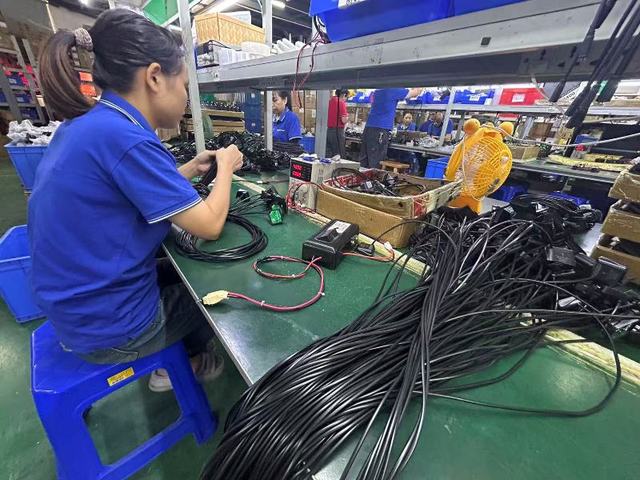
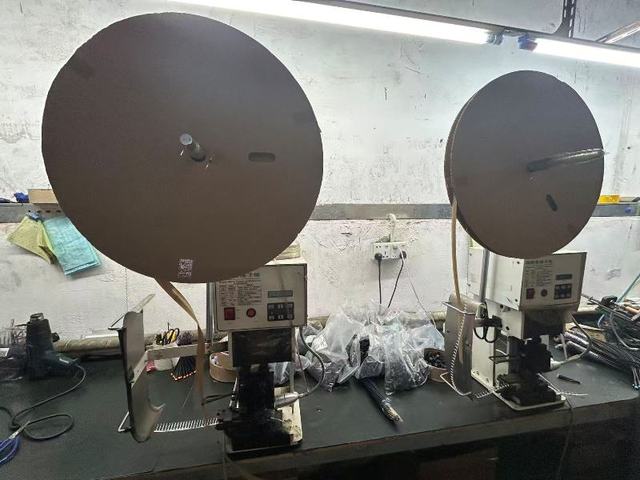
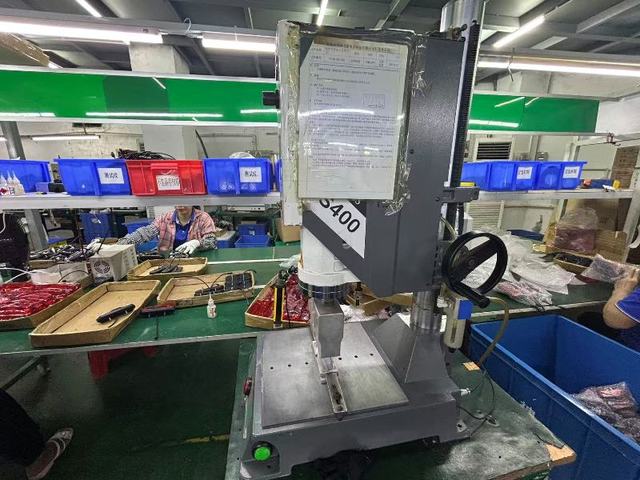
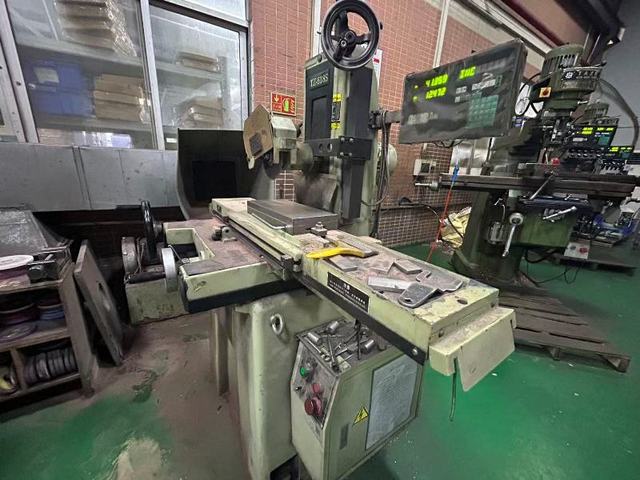
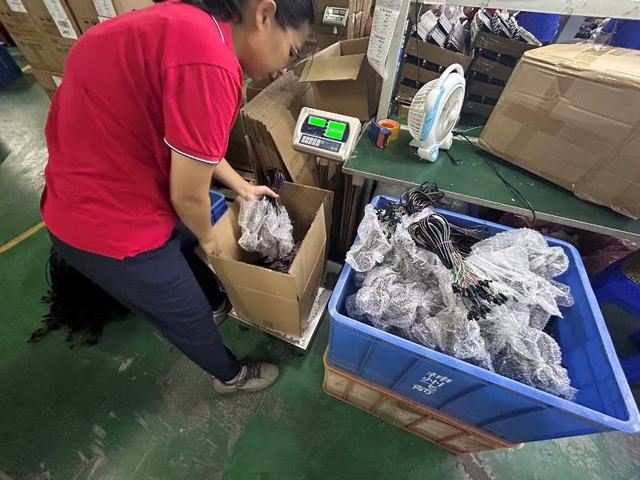
Quality is at the core of our operations. From component sourcing and product development to production and final testing, every stage follows strict quality management procedures to ensure consistent performance and compliance with international automotive standards. Our manufacturing facility is equipped with advanced production and testing equipment, enabling us to provide reliable products for demanding automotive environments.
We offer comprehensive OEM and ODM services for vehicle manufacturers, automotive suppliers, distributors, and mobility brands worldwide. Whether customers require customized designs, private-label production, or large-scale manufacturing, our flexible production capabilities support projects of various sizes and specifications.
Serving clients across North America, Europe, Southeast Asia, the Middle East, and other global markets, Hangzhou EV Light Co., Ltd. is dedicated to delivering innovative electric vehicle lighting solutions that contribute to safer, smarter, and more sustainable transportation. Our mission is to become a trusted global partner in advanced automotive lighting technology and smart mobility innovation.
Detailed professional answers covering production processes, standards, custom designs, and logistics.
We maintain strict adherence to automotive-grade quality control systems. Our manufacturing facilities operate under the IATF 16949 quality framework. We support full PPAP (Production Part Approval Process) Level 3 documentation, and our product lines carry CE, E-mark (ECE), and DOT certifications for global compliance.
We use high-conductivity metal core PCBs (MCPCB) and custom-designed aluminum heat sinks. During development, we verify these thermal layouts using CFD analysis to keep LED junction temperatures under 95°C. This ensures the lights maintain output stability throughout their service life.
No. Our custom electronic control drivers are designed with advanced EMI filtering and shielding. They are tested in-house to pass CISPR 25 Class 5 standards, ensuring zero electromagnetic interference with high-frequency vehicle ADAS, GPS, and radar modules.
We use liquid silicone injection (LSR) to ensure durable physical seals and integrate PTFE venting membranes. These breathable membranes allow air to vent as internal pressures shift while preventing external humidity or liquid water from entering the housing.
A typical project starts with optical and thermal simulation based on the client's 3D models (2-3 weeks). We then create prototypes via 3D printing and CNC machining (2 weeks). Once approved, we move to mold tooling and pre-production validation, which takes about 6-8 weeks before mass production starts.
Yes, our high-end smart lighting modules integrate driver ICs that support CAN-bus, LIN-bus, and PWM signal protocols. This allows our lights to synchronize with the vehicle's central controller to display dynamic animations, sequential turn signals, and charging status indicators.
Yes. We build heavy-duty assemblies using reinforced polycarbonate lenses and potting compounds to protect the inner electronics. These designs undergo vibration testing (ISO 16750-3) to ensure reliable operation on mining equipment, trucks, and buses.
We manufacture our outer lenses using automotive-grade optical polycarbonate coated with a specialized anti-UV, scratch-resistant hard layer. This protective layer filters out harmful UV light, maintaining optical clarity and preventing yellowing or weathering over years of outdoor exposure.
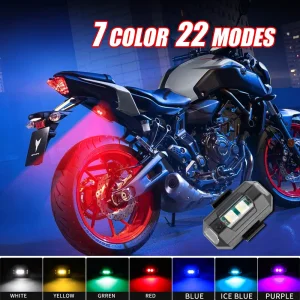
Broaden your design scope with our integrated vehicle signal modules, smart grid solutions, and multi-platform warning lights.
 EV Light