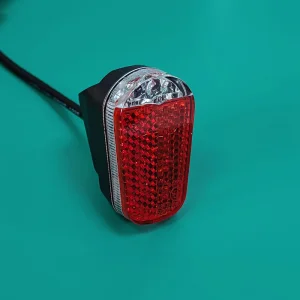
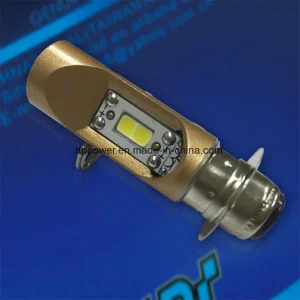
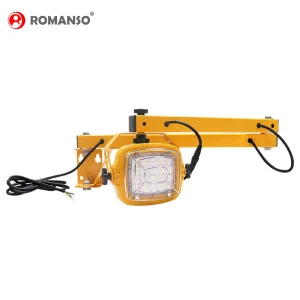
Explore our specialized range of high-efficiency lighting components engineered for modern new energy vehicle architectures.
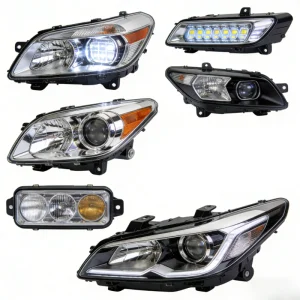
The transition to electromobility has fundamentally shifted the design criteria for automotive lighting systems. Unlike traditional Internal Combustion Engine (ICE) platforms where thermal waste is abundant, Electric Vehicles (EVs) operate under tight energy budgets. Every watt consumed by ancillary systems like headlights directly affects the vehicle's range.
Consequently, the demand for high-efficiency, low-power-draw optical modules has catalyzed innovation. Leading global manufacturers are investing heavily in solid-state lighting (SSL), matrix LED systems, and organic LEDs (OLEDs) that deliver higher lumens per watt (lm/W) while reducing weight and heat dissipation requirements.
Modern eco-friendly EV lighting focuses on the entire lifecycle, incorporating recyclable polymers, eliminating heavy metal soldering, and optimizing optical light-guides to decrease total module volume. The focus is no longer just on brightness, but on intelligent, context-aware illumination that minimizes energy waste.
Tier-1 automotive suppliers require complete system integrations that balance aerodynamics, electrical footprints, and thermal envelopes.
Optimizing PCB board layout, applying efficient buck-boost driver circuits, and using high-transmittance optical materials reduce system power drag down to 15W per low-beam light, returning range capacity back to the primary EV battery pack.
Implementing lightweight graphite sheets, ceramic substrates, and customized aerospace-grade aluminum fin structures prevents LED thermal degradation, keeping junction temperatures low without resorting to heavy active fans.
Integrating adaptive matrix control boards that interface directly with the vehicle's CAN/LIN-bus protocols allows dynamic dimming and predictive lighting according to ADAS navigation inputs and oncoming traffic scenarios.
Hangzhou EV Light Co., Ltd. is a professional China electric vehicle lighting manufacturer specializing in EV LED lighting and smart automotive lighting solutions for the rapidly evolving new energy vehicle industry. With a strong commitment to innovation, performance, and reliability, we provide advanced lighting technologies that enhance vehicle safety, energy efficiency, functionality, and visual appeal.
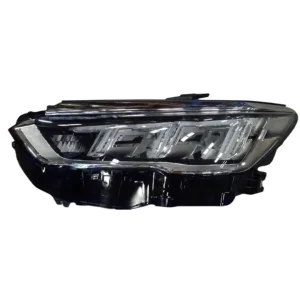
Our product portfolio includes EV headlight systems, taillight assemblies, daytime running lights, signal lighting, interior ambient lighting, charging status indicators, smart lighting modules, and customized automotive lighting solutions. Designed to meet the requirements of modern electric vehicles, our products are widely used in passenger EVs, commercial electric vehicles, electric buses, electric motorcycles, electric scooters, and emerging smart mobility applications.
At Hangzhou EV Light, we combine advanced engineering expertise with modern manufacturing capabilities to develop lighting solutions that deliver superior brightness, durability, and energy efficiency. Our experienced research and development team continuously explores new technologies in intelligent lighting control, adaptive lighting systems, LED integration, and automotive electronics to support the future of electric transportation.
Quality is at the core of our operations. From component sourcing and product development to production and final testing, every stage follows strict quality management procedures to ensure consistent performance and compliance with international automotive standards. Our manufacturing facility is equipped with advanced production and testing equipment, enabling us to provide reliable products for demanding automotive environments.
We offer comprehensive OEM and ODM services for vehicle manufacturers, automotive suppliers, distributors, and mobility brands worldwide. Whether customers require customized designs, private-label production, or large-scale manufacturing, our flexible production capabilities support projects of various sizes and specifications.
Serving clients across North America, Europe, Southeast Asia, the Middle East, and other global markets, Hangzhou EV Light Co., Ltd. is dedicated to delivering innovative electric vehicle lighting solutions that contribute to safer, smarter, and more sustainable transportation. Our mission is to become a trusted global partner in advanced automotive lighting technology and smart mobility innovation.
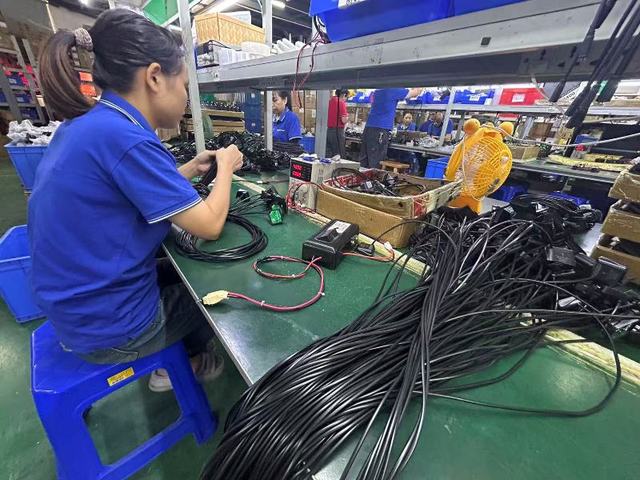
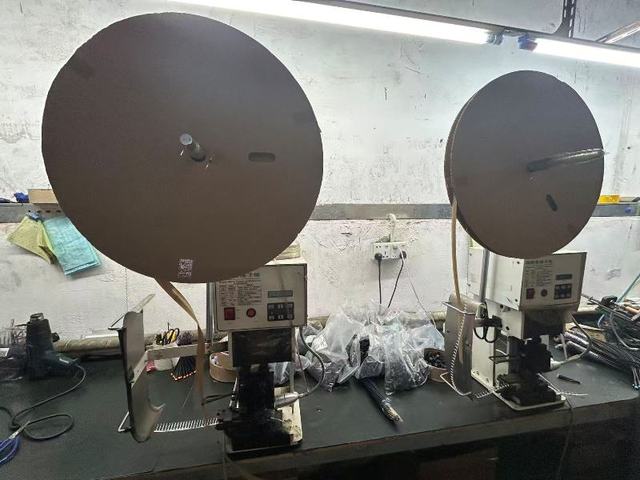
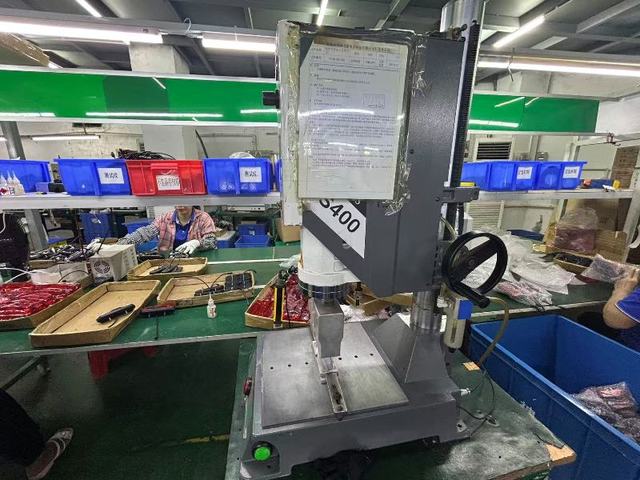
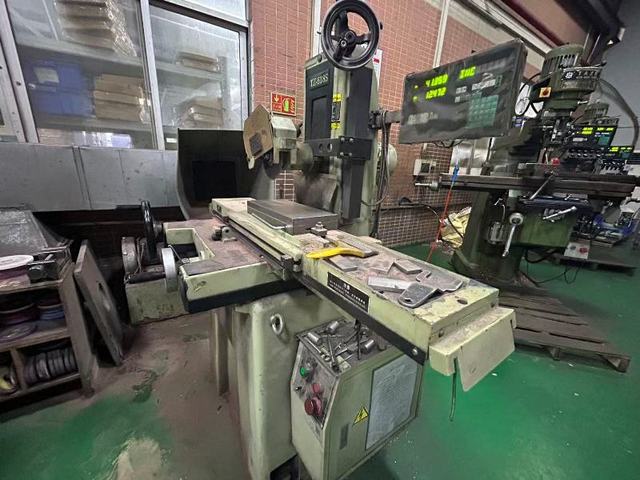
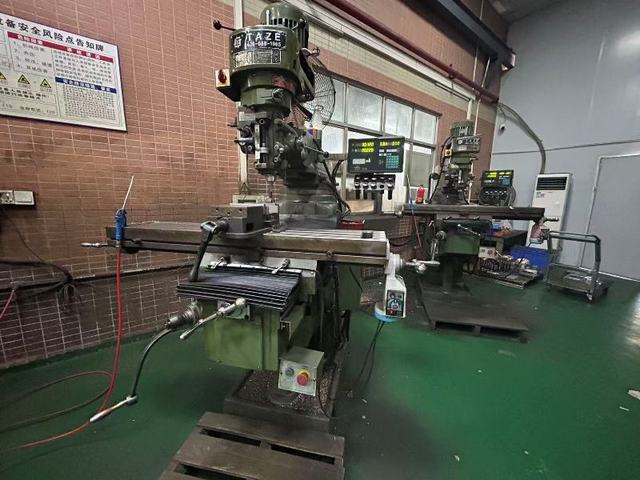
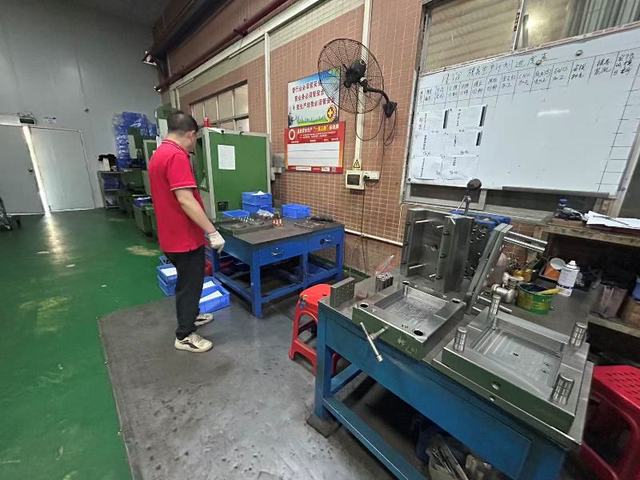
Our production floor integrates high-precision injection molding, automated surface mount technology (SMT) lines, dust-free assembly environments, and strict environmental cycle chambers to ensure every lighting housing and driver performs under extreme weather conditions.
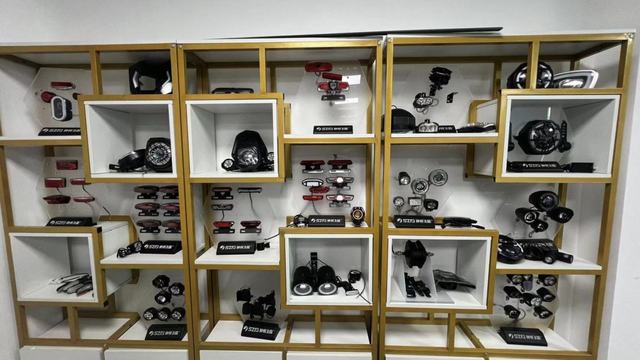
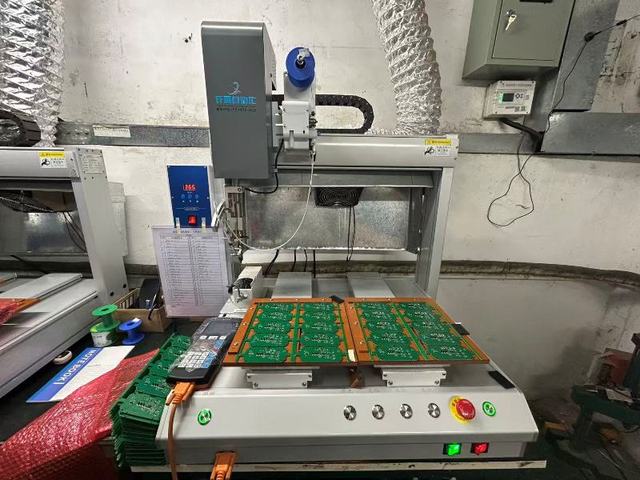
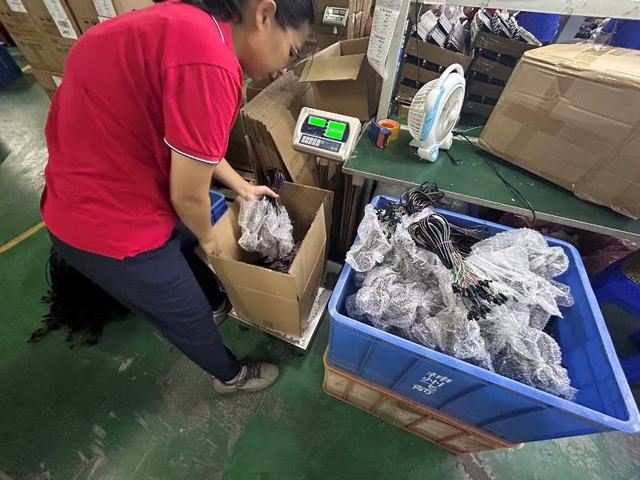
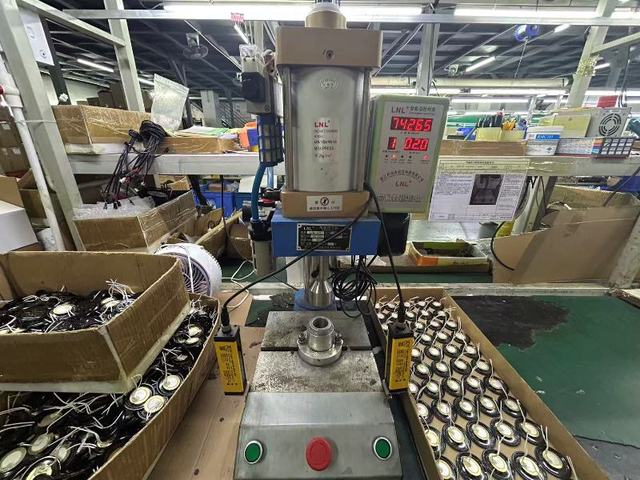
Navigating different regulatory zones requires strict adherence to international automotive standards and localized technical support.
For international Tier-1 EV manufacturers and aftermarket distributors, sourcing automotive lighting components involves rigorous testing and verification frameworks. In Europe, systems must meet the strict requirements of ECE E-MARK regulations (such as ECE R112, R87, and R48), which dictate beam patterns, luminous intensity, and electromagnetic compatibility. In the North American market, components must comply with FMVSS 108 / DOT standards.
Additionally, modern environmental compliance requires manufacturers to adhere to RoHS (Restriction of Hazardous Substances) and REACH regulations to limit the use of hazardous chemicals like lead, mercury, and cadmium in solder joints, wire coatings, and circuit boards. Electing to work with factories that possess certified ISO 14001 (Environmental Management System) and IATF 16949 (Automotive Quality Management) facilities is crucial to avoiding port-of-entry delays and product recalls.
Our localized support helps bridge technical differences, offering comprehensive documentation, E-MARK certification support, and direct engineer-to-engineer communication channels during the design-in and system-testing phases. This ensures seamless integration with the host vehicle's central electronics architecture.
Our long-term R&D initiatives focus on sustainability, advanced optics, and intelligent communication protocols.
Developing ultra-high performance micro-reflectors that reduce average low-beam power usage below 10W per unit without compromising compliance limits.
Replacing traditional PC/ABS lens housings with plant-derived, biodegradable polymers that retain clarity under high ultraviolet and thermal stress.
Integrating high-definition digital projection lights capable of displaying pedestrian safety pathways and lane assistance guidelines on the road.
Transitioning all lighting assembly plants to run on 100% renewable power, achieving complete carbon neutrality across Scope 1 and Scope 2 operations.
Get professional answers to common questions about sourcing eco-friendly EV lighting systems.
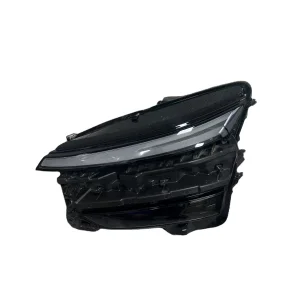
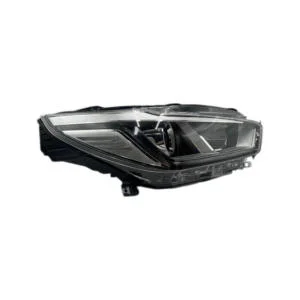
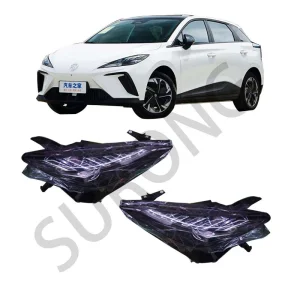
Premium grade headlights, interior panels, and tail lamp systems optimized for major automotive platforms.
 EV Light