Explore our engineered catalog optimized for high-voltage architecture, smart vehicle integration, and international quality standards.
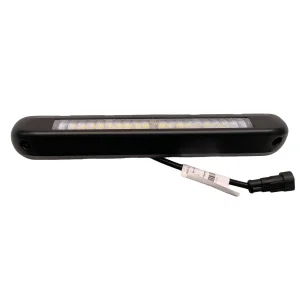
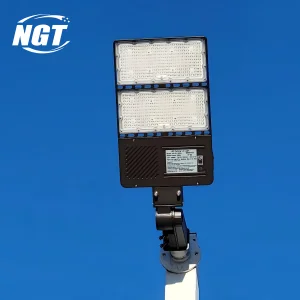
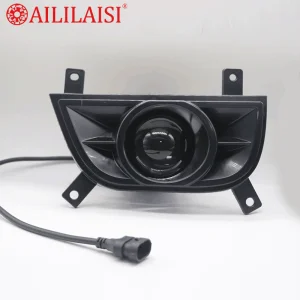
The global transition toward electromobility has fundamentally restructured the engineering parameters of automotive light control solutions. Modern Electric Vehicles (EVs) require significantly higher system efficiencies compared to traditional internal combustion engine (ICE) vehicles. In an ICE vehicle, minor electrical losses in accessory lighting systems are compensated for by the alternator. However, in a battery-powered EV, every milliwatt of power draw directly influences the vehicle's driving range (kilometer per kilowatt-hour coefficient).
Consequently, lighting controls have transitioned from simple relays and driver boards to complex Intelligent ECU Light Control Modules. These modern architectures utilize high-efficiency buck-boost LED driver circuits, LIN/CAN-FD communication interfaces, and advanced thermal feedback algorithms. They operate dynamically in tandem with Advanced Driver Assistance Systems (ADAS) and battery management systems (BMS), ensuring the lighting profiles adjust dynamically according to the vehicle's state of charge and immediate external environment.
For global procurement managers and automotive tier-1 suppliers, finding the right factory is not merely a matter of buying hardware; it is about establishing a strategic integration partnership. Systems must be engineered to withstand severe electromagnetic interference (EMI) characteristic of high-voltage traction battery packs and inverter circuits, adhering to rigorous automotive standards such as CISPR 25 Class 5.
The application of advanced lighting control modules is not limited to typical passenger vehicles. It spans a diverse commercial and industrial ecosystem globally:
Highly ruggedized spotlight modules optimized for bus chassis systems. Built to withstand prolonged vibration and extreme weather cycles.
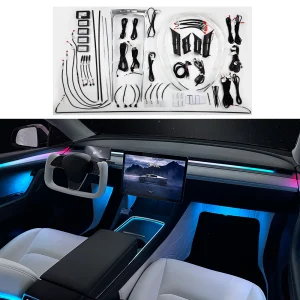
Interior LED arrays customizable via Mobile App or central CAN-bus, delivering rich color synchronization and low power footprints.
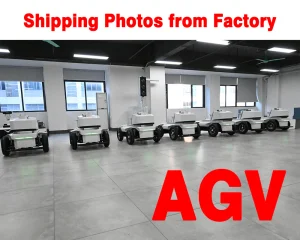
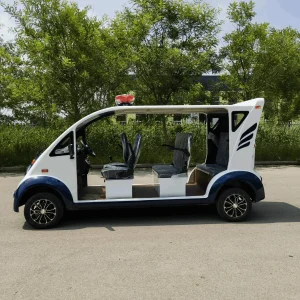
Path planning light integration and robotic roof-mounted searchlights engineered for industrial safety and autonomous teaching rigs.
Hangzhou EV Light Co., Ltd. stands as a premier China electric vehicle lighting manufacturer specializing in high-performance EV LED lighting systems and intelligent automotive electronics. Strategically positioned within China's premier electronic and automotive manufacturing cluster, the company is uniquely equipped to design and supply advanced systems to the global automotive market.
The company's product portfolio is comprehensive, encompassing:
By blending advanced engineering methodologies with continuous research into adaptive light control circuits, Hangzhou EV Light Co., Ltd. supports worldwide brands in scaling their EV development pipelines securely and cost-effectively.
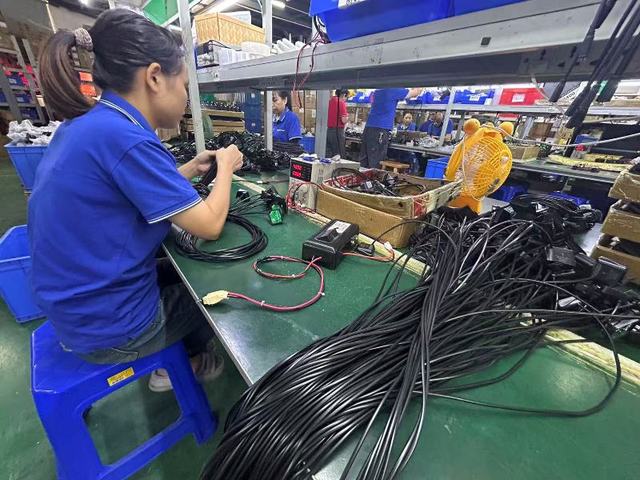
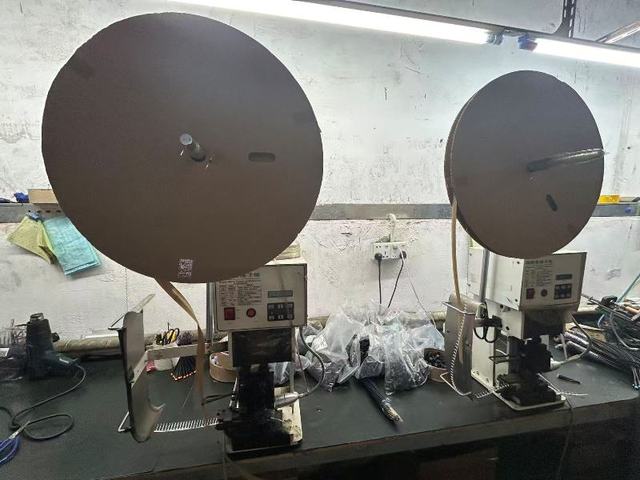
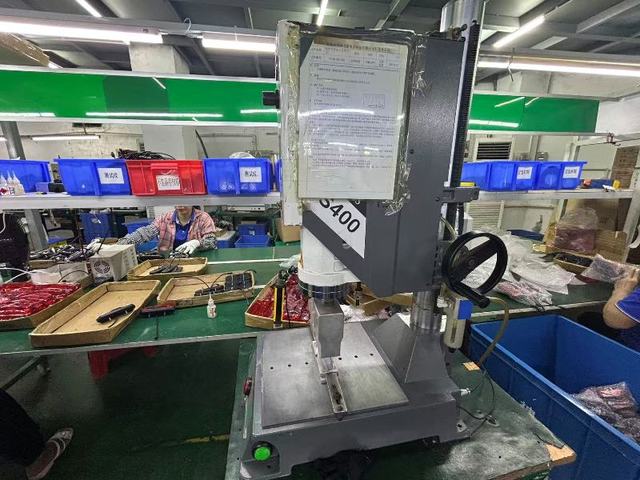
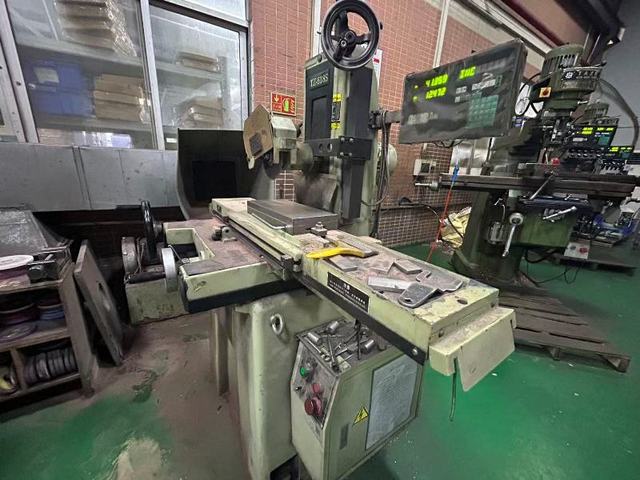
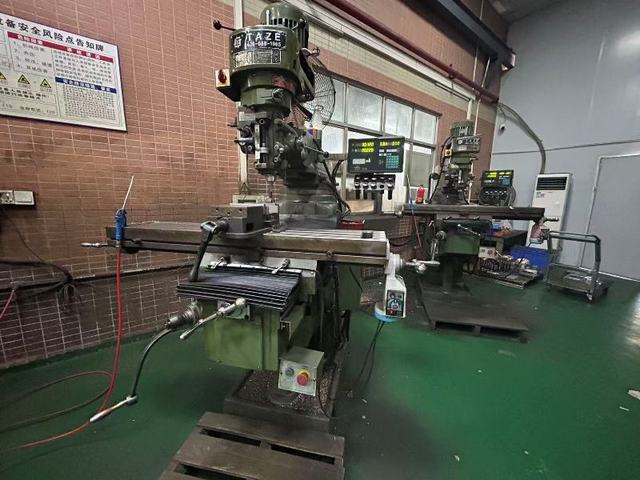
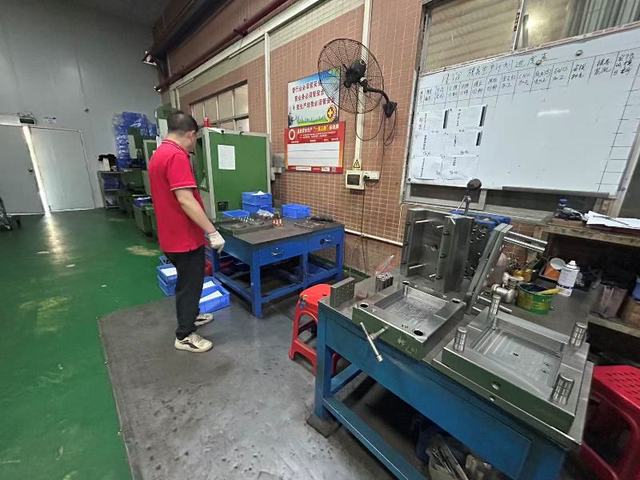
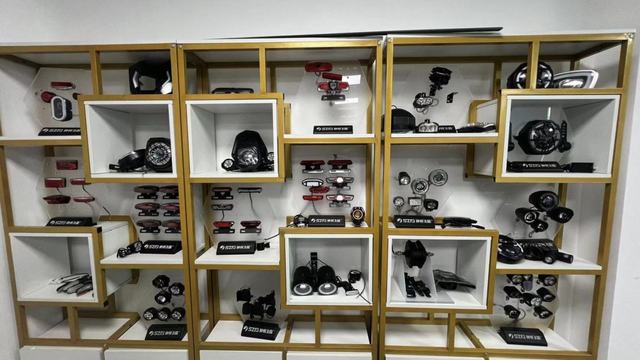
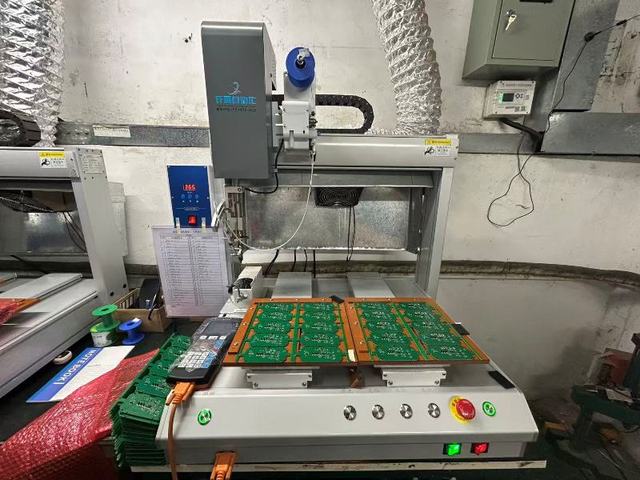
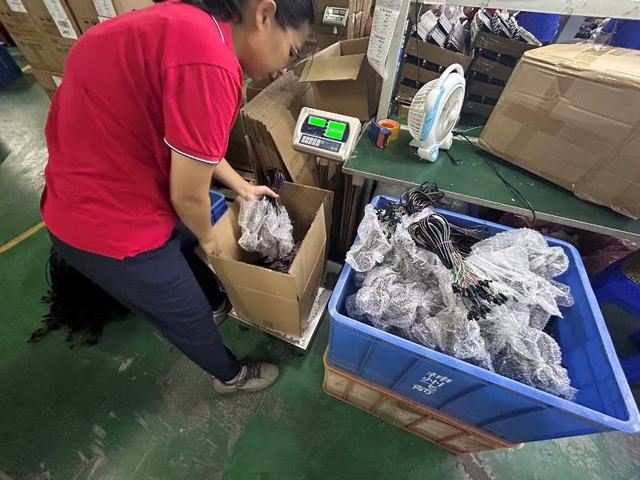
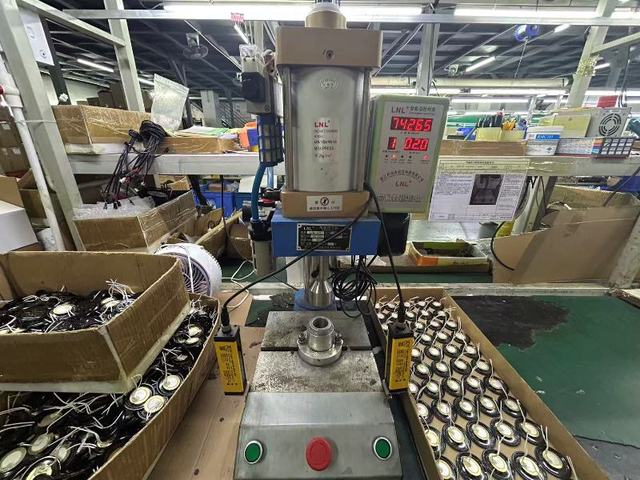
When assessing the "Top 10 EV Light Control Solutions Factories," the operational framework of the facility is the ultimate differentiator. China's manufacturing ecosystem has evolved from a basic assembly model to a highly automated Industry 4.0 standard. For global buyers, this shift provides substantial benefits:
In modern automotive electronics, structural micro-cracks in solder joints can lead to system-wide failures after exposure to road vibrations. Leading Chinese factories utilize 3D-AOI and real-time inline X-ray inspection to detect hidden voiding in Ball Grid Array (BGA) components. This rigorous process reduces defect rates to parts-per-million (PPM) levels, meeting the demands of global OEMs.
A key risk for global procurement is supply chain fragmentation. Factories in clusters like Hangzhou maintain deep partnerships with silicon wafer suppliers, PCB fabricators, and polymer casing houses. This integrated network mitigates raw material delivery delays and helps maintain stable production lead times, even during periods of global semiconductor volatility.
High-power LED headlamps generate significant heat within sealed housing units. Industry-leading exporters utilize advanced thermal simulation models (like FloEFD) during development. The physical modules undergo strict testing, including thermal cycling from -40°C to +105°C, relative humidity testing up to 95%, and ingress testing (IPX9K hot-water jet wash down).
Global procurement teams must navigate complex trade environments, varying regulatory structures, and distinct vehicle integration paths. To ensure a successful sourcing project, consider the following checkpoints:
Clear, expert answers to key engineering and purchasing questions about EV light control systems.
A1: EV light control modules must handle variable voltage domains, particularly the transition between low-voltage auxiliary networks and high-voltage traction systems. They require robust isolation barriers, strict electromagnetic compatibility (EMC) design to block inverter noise, and highly efficient thermal design to save battery energy.
A2: The Local Interconnect Network (LIN) bus is a cost-effective, single-wire sub-bus system. It is ideal for lower-bandwidth requirements like ambient cabin lights, mirror indicators, and static rear light clusters, freeing up the high-speed CAN bus for critical vehicle control communication.
A3: Top factories use high-airflow, hydrophobic vent membranes (such as Gore vents) combined with calculated internal ribbing. This setup balances internal air pressure and allows moisture to escape without allowing liquid water or dust to enter.
A4: The primary standards are ECE regulations (such as R149 for road illumination, R148 for signaling, and R10 for electromagnetic compatibility). Manufacturers must secure CoP (Conformity of Production) audits to maintain these certifications.
A5: Yes. Modern factories design ambient lighting modules that receive priority commands over the CAN/LIN network. This allows them to switch colors instantly (e.g., flashing red) when triggered by lane departure or collision warning signals.
A6: Design and optical simulation typically require 2 to 4 weeks. Tooling fabrication for injection molding takes 6 to 8 weeks, followed by another 2 to 3 weeks for pre-production validation samples.
A7: Mitigation strategies include placing low-pass pi-filters on power inputs, using multi-layer PCBs with dedicated ground planes, and adding integrated metal shielding cages over high-frequency switching driver ICs.
A8: Thermal derating uses temperature sensors near the LEDs to monitor heat levels. If the temperature exceeds safe limits, the microcontroller slowly dims the LEDs to prevent thermal runway, preserving system life while maintaining safe output levels.
Industrial, retrofitting, and customized solutions engineered for high performance, ease of integration, and long-term durability.
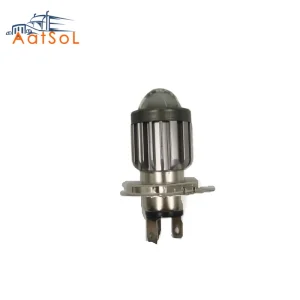
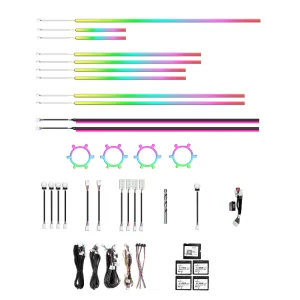
 EV Light