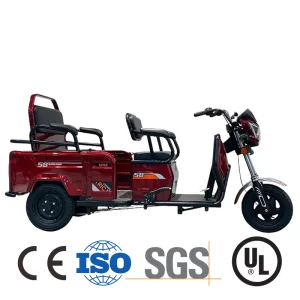
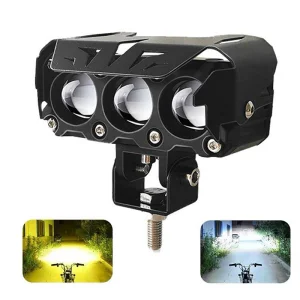
Explore our curated advanced systems, designed to address stringent thermal profiles and power management regulations on modern EV platforms.
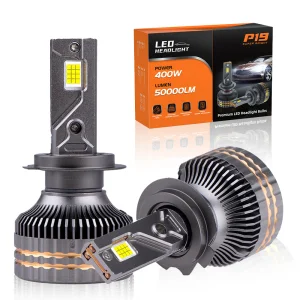
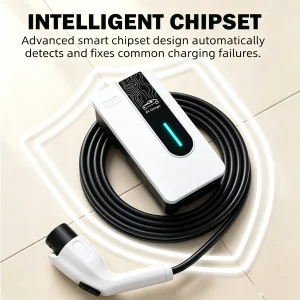

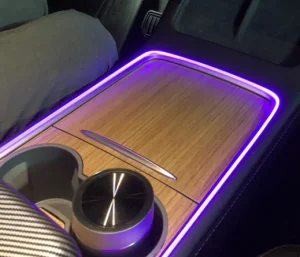
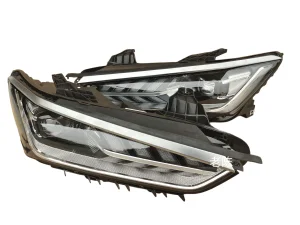
The transition from Internal Combustion Engines (ICE) to Electric Vehicles (EV) has fundamentally transformed the structural role of automotive exterior lighting. In standard legacy frameworks, signal lights served a static function—namely visual signaling to humans within defined, simple cycles. Modern EVs operate within an ecosystem characterized by complex Advanced Driver Assistance Systems (ADAS), automated navigation profiles, and V2X (Vehicle-to-Everything) communication paradigms.
Signal systems must now serve as critical data interfaces. They project intent to vulnerable road users, transmit dynamic sensor signals, and actively communicate battery charge and autonomous states. From a thermal standpoint, the elimination of engine heat changes the localized ambient thermal profile, requiring specialized lens condensation countermeasures and advanced electronic thermal dissipation architectures. Hangzhou EV Light Co., Ltd. stands at the forefront of this revolution, designing and exporting products engineered to endure these complex requirements.
"EV signal architectures must balance microsecond response times, precise photometric output levels, and reduced energy profiles. When high-voltage bus bars route across the vehicle platform, EMI/EMC shielding in signal controllers is critical."
Securing global market access is the principal hurdle for automotive tier-1 suppliers and OEMs. Our signal lighting assemblies undergo rigorous validation to meet regional standards. These international standards demand precise adherence to luminous distribution, structural integrity, and electronic compatibility:
| Compliance Standards | Key Test Parameters | Hangzhou EV Light Compliance Value |
|---|---|---|
| ECE R148 (EU) | Geometric visibility, chromaticity coordinates, aging cycle stability | Exceeds standard limits by > 15% safety margin |
| FMVSS 108 (US) | Vibration resistance, structural ingress, dust chamber longevity | Passed IP67 & IP69K sealing criteria |
| CISPR 25 (Global) | Electromagnetic interference & conducted emission levels | Class 5 rating achieved (Lowest interference tier) |
The Chinese electric vehicle industry ecosystem is currently the most optimized supply chain network globally. Hangzhou EV Light Co., Ltd., based in the industrial heart of Zhejiang province, harnesses this proximity to deliver unmatched manufacturing advantages:
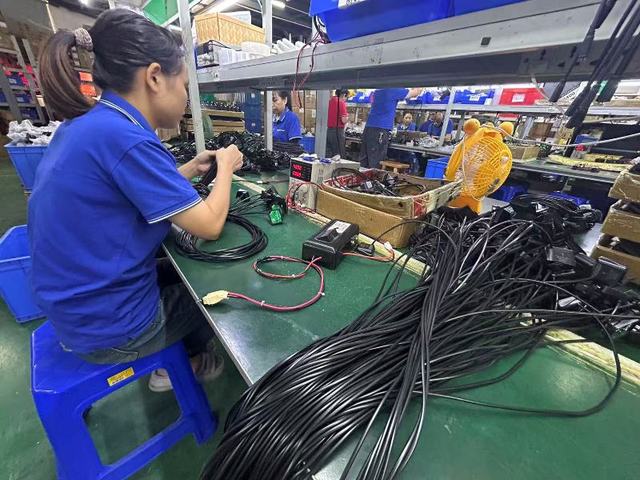
Our facility integrates critical upstream component procurement, modern optical design modeling, high-speed SMT processes, and automated robotic injection molding. This localized concentration enables us to compress product development lifecycles from the industry-standard 18 months down to just 6–8 months. By sourcing high-grade LED elements, smart driver chipsets, and optical-grade polycarbonate substrates from partner factories within a 100-kilometer radius, we shield clients from international logistics volatility while maintaining competitive pricing structures.
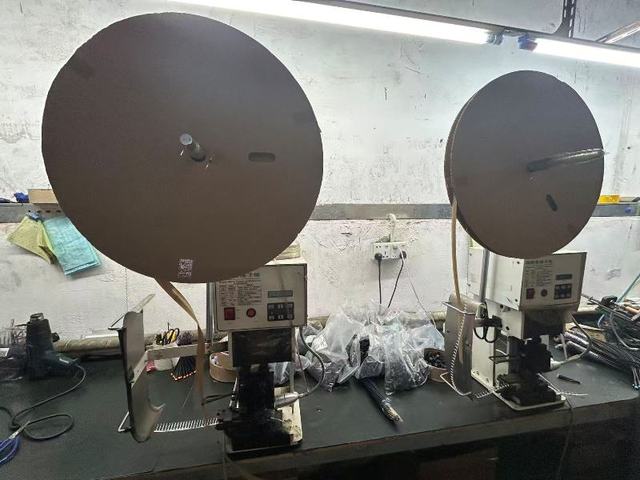
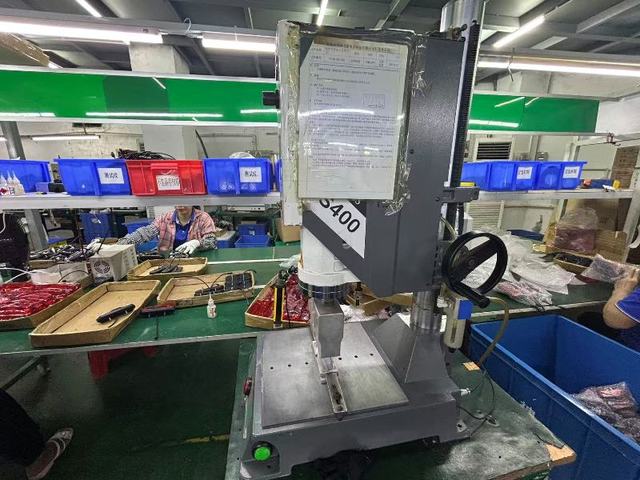

Global procurement directors look beyond component cost to evaluate total cost of ownership (TCO), supply chain resilience, and engineering adaptability. When sourcing signal modules or EV charging indicator lamps, engineers specify:
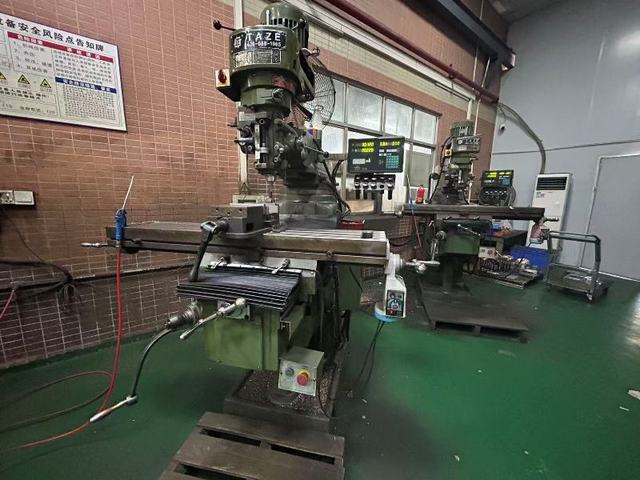
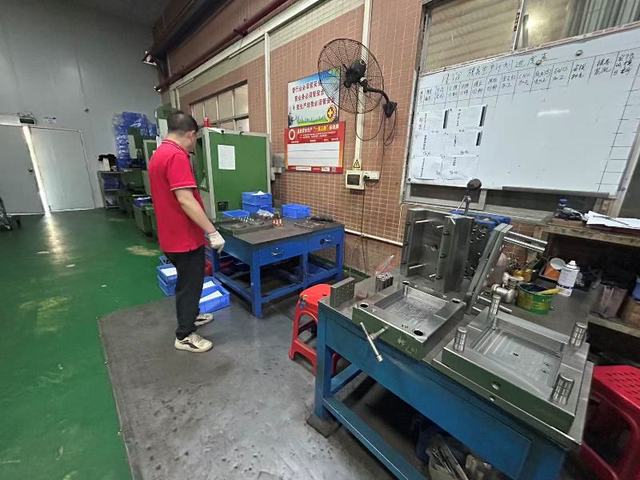
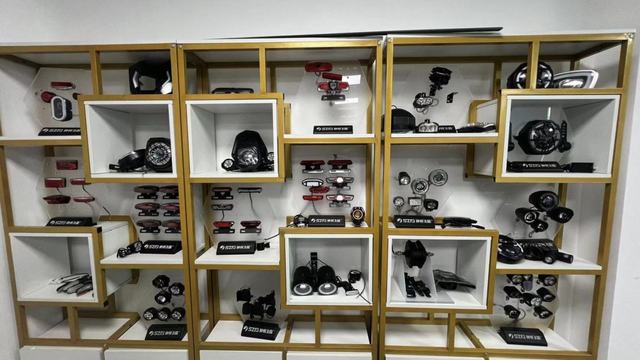
The future of vehicle illumination lies in personalization and intelligent interaction. We are continuously investing in Research and Development to pioneer advancements in:
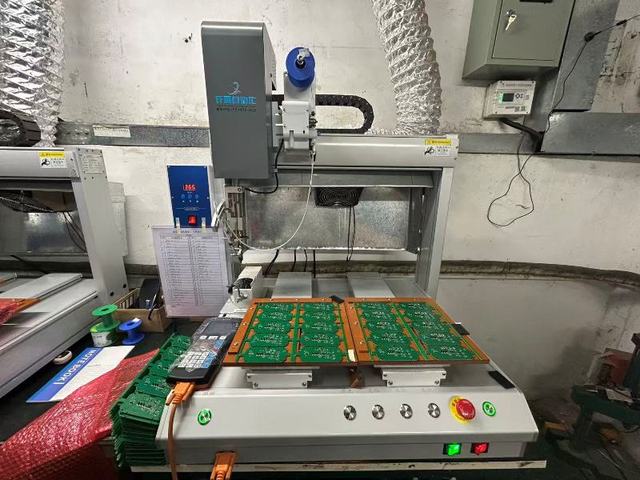

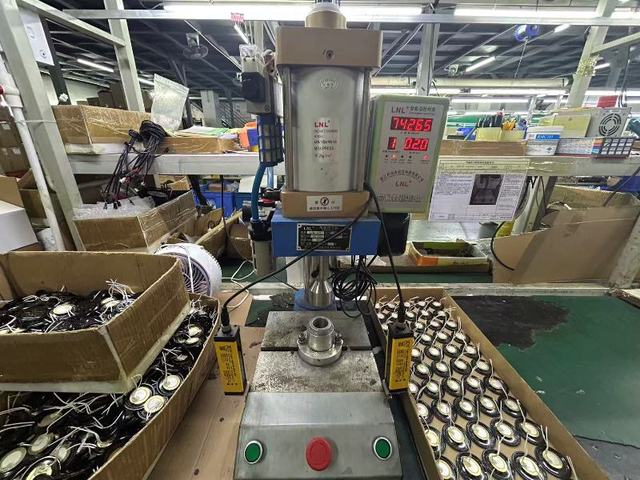
Our product engineering addresses localized application challenges, ensuring maximum runtime and safety under diverse operational scenarios.
Heavy-duty municipal transport and electric logistics operations require reliable continuous illumination. Utilizing our customized spotlight assemblies (such as the BYD K-series transit lighting systems) ensures optimal compliance, minimal downtime, and maximum visibility on high-occupancy transit lanes.
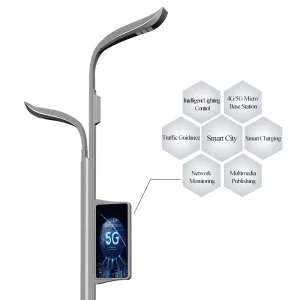
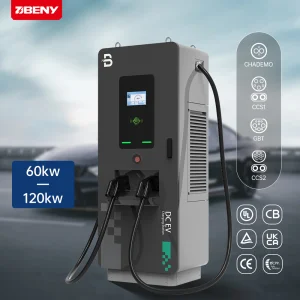
Modern city grids demand structural synergy. By merging high-efficiency EV charging hardware with modern public light poles and display billboards, municipalities optimize energy use while providing visible signaling states for charging drivers.
In breakdown or emergency scenarios, immediate positioning signal transmission saves lives. Integrating GPS IoT microcontrollers with bright flash emergency beacon modules allows real-time data sync with emergency services, complying with advanced safety regulations.
Review our engineering department's answers to frequently asked technical questions from international procurement and QA specialists.
Designed to withstand high vibration and harsh environmental factors in infrastructure, micromobility, and custom vehicle designs.
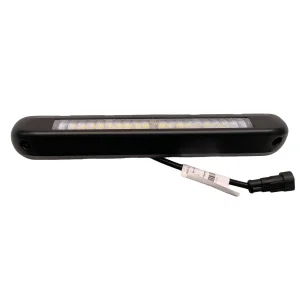
 EV Light