Premium quality automotive solutions, 100% waterproof and compliance-ready engineered for modern EV platforms.
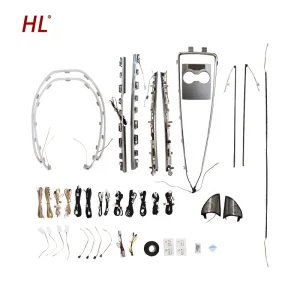
An authoritative analysis on optical performance, energy management, and Tier-1 manufacturing engineering.
Hangzhou EV Light Co., Ltd. is a professional China electric vehicle lighting manufacturer specializing in EV LED lighting and smart automotive lighting solutions for the rapidly evolving new energy vehicle industry. With a strong commitment to innovation, performance, and reliability, we provide advanced lighting technologies that enhance vehicle safety, energy efficiency, functionality, and visual appeal.
The transition from Internal Combustion Engine (ICE) vehicles to Electric Vehicles (EVs) has redefined automotive design architectures. Lighting is no longer just a functional component for night-time visibility; it has evolved into a key element of the vehicle's electrical efficiency, safety communication network, and brand identity. Electric vehicle platforms demand a high degree of integration, thermal optimization, and low power consumption to conserve battery resources and maximize range. Hangzhou EV Light Co., Ltd. addresses these challenges by delivering automotive-grade LED, Matrix, and smart light-emitting solutions optimized specifically for high-voltage power networks and CAN/LIN communication systems.
Our experienced research and development team continuously explores new technologies in intelligent lighting control, adaptive lighting systems, LED integration, and automotive electronics to support the future of electric transportation.
From component sourcing and product development to production and final testing, every stage follows strict quality management procedures to ensure consistent performance and compliance with international automotive standards.
We offer comprehensive OEM and ODM services for vehicle manufacturers, automotive suppliers, distributors, and mobility brands worldwide. Whether customers require customized designs, private-label production, or large-scale manufacturing, our flexible production capabilities support projects of various sizes.
The technological vector of automotive optics: from static LEDs to adaptive, interactive pixel projection architectures.
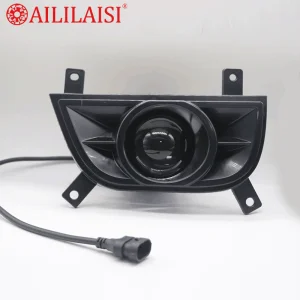
Traditional headlights rely on high-beam and low-beam settings, requiring driver manual control. Our ADB and Matrix LED systems integrate CMOS cameras and radar arrays to map oncoming traffic in real-time. By utilizing multi-channel LED driver ICs, the headlight can selectively dim individual pixel zones, ensuring maximum illumination on dark roads without blinding other motorists. This dynamic glare-free solution increases night safety by up to 60%.
Moving beyond basic safety, future EV platforms incorporate high-definition projection technologies such as Digital Light Processing (DLP) and Micro-LEDs. These systems can project navigation indicators, safety warnings, and pedestrian lane guidelines directly onto the asphalt surface. This turns the road into an interactive display panel, bridging the gap between vehicle sensory data and public awareness.
A key limitation in electric vehicle design is power efficiency. High-performance LEDs generate heat at the semiconductor junction, which can reduce light output and lifespan. Our technology roadmap integrates advanced copper-core PCBs, micro-channel heat sinks, and thermal management control loops that dynamically adjust current based on junction temperature. This design guarantees stable light output at less than 15% power usage compared to traditional halogen bulbs.
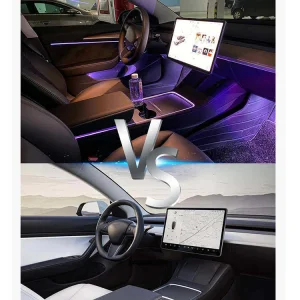
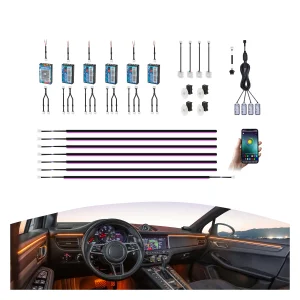
Modern cabin experiences are defined by the Software-Defined Vehicle (SDV) framework. Our interior ambient lighting systems support LIN (Local Interconnect Network) and CAN (Controller Area Network) bus protocols. This enables color customization (up to 128 colors), dynamic gradient synchronization with driving modes, active collision warning flashes, and customized greeting animations, fully integrated with the vehicle’s central infotainment processor.
Tailoring advanced optical architectures to meet specialized engineering challenges globally.
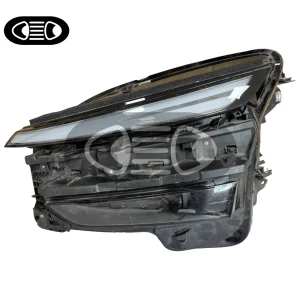
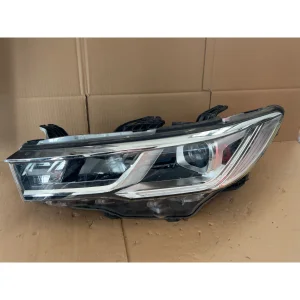
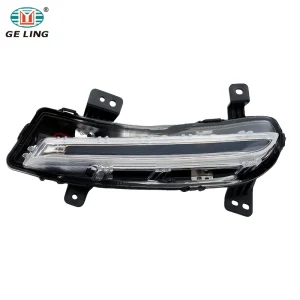
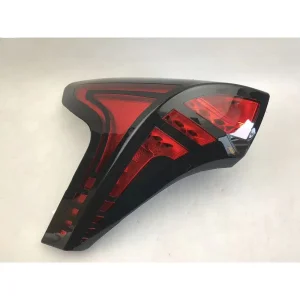
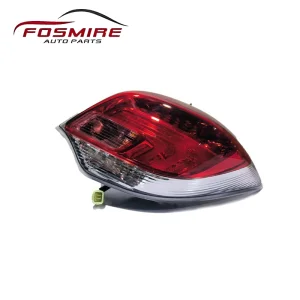
Aerodynamic, low-profile headlights and taillights designed for modern electric passenger cars. Offering high aesthetic appeal, optimized luminous flux, and direct compatibility with automotive control systems.
Heavy-duty, high-durability lighting systems for electric buses, delivery trucks, and urban logistics vans. Optimized for maximum shock and vibration resistance, long operational runtimes, and high dirt-repellent ratings.
Ultra-compact, energy-conserving lighting for electric motorcycles, e-scooters, and bicycles. Focused on minimal payload weight, high candlepower, and weather-proof casing options.
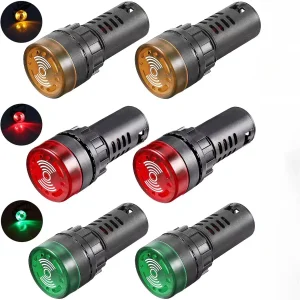
Visual status indicators and outdoor lighting systems designed specifically for electric vehicle supply equipment (EVSE) and public charging stations, certified for weather resilience.
Why manufacturing scale, intelligent automation, and vertical integration are essential for modern global sourcing.
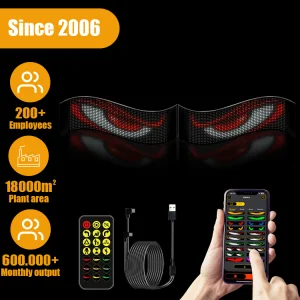
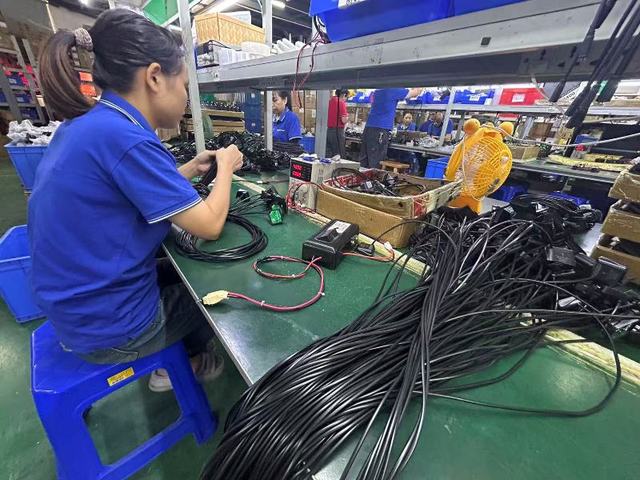
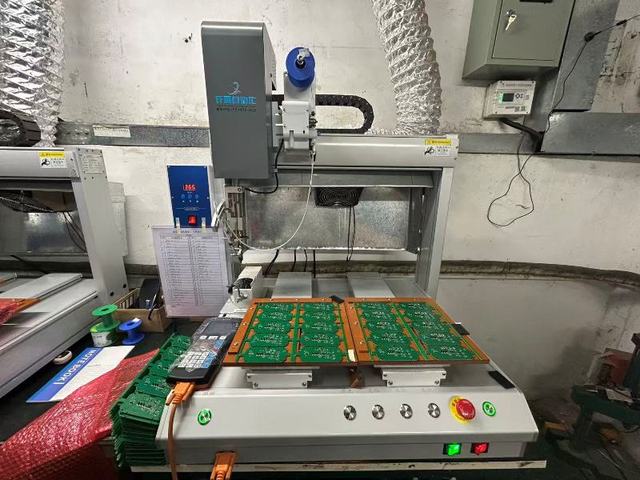
The manufacturing capabilities at Hangzhou EV Light Co., Ltd. are built around the principles of **Industry 4.0**. By utilizing automated assembly lines, high-speed SMT placement machines, and advanced AOI (Automated Optical Inspection) systems, we maintain a stable yield rate of 99.8%. This levels of precision prevents defects during fabrication and guarantees optical and electrical consistency across large production runs.
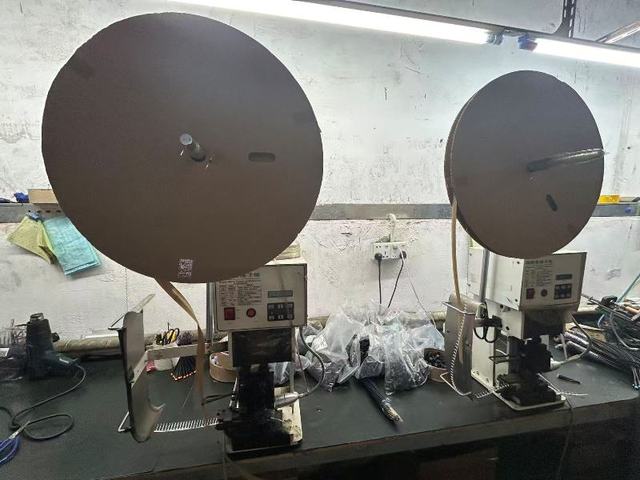
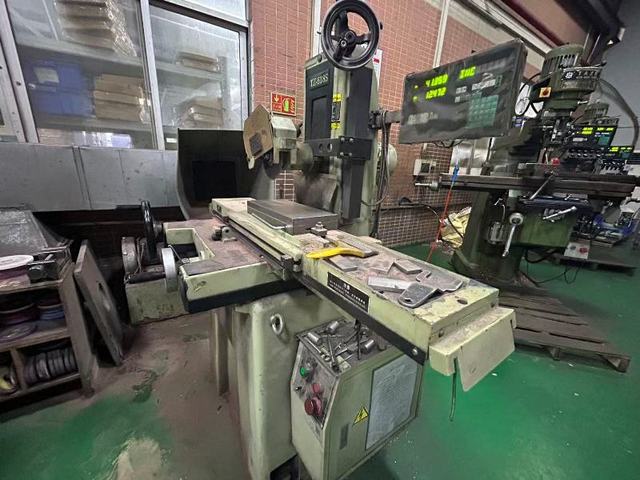
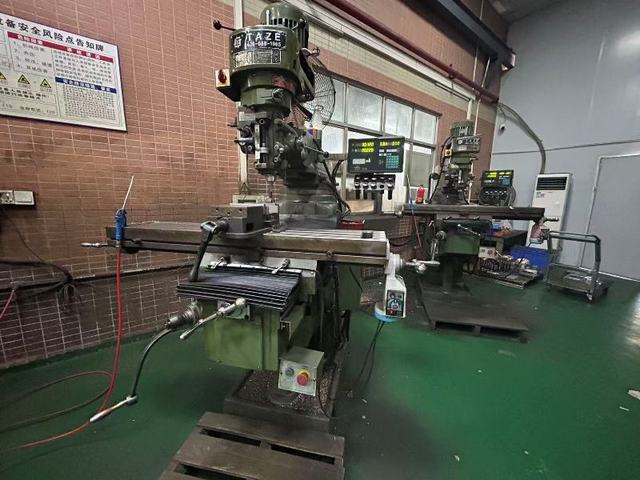
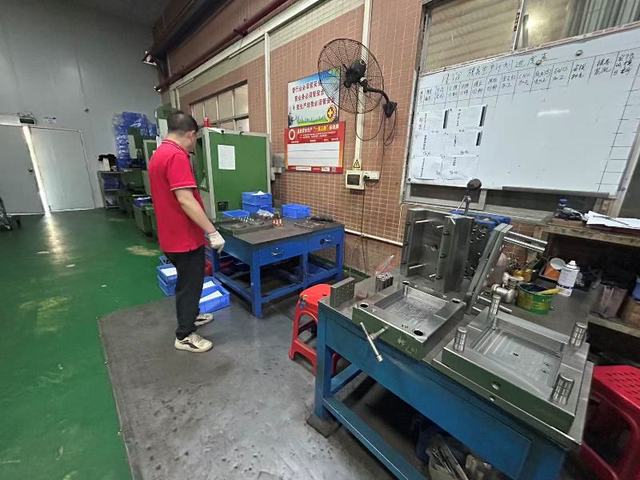
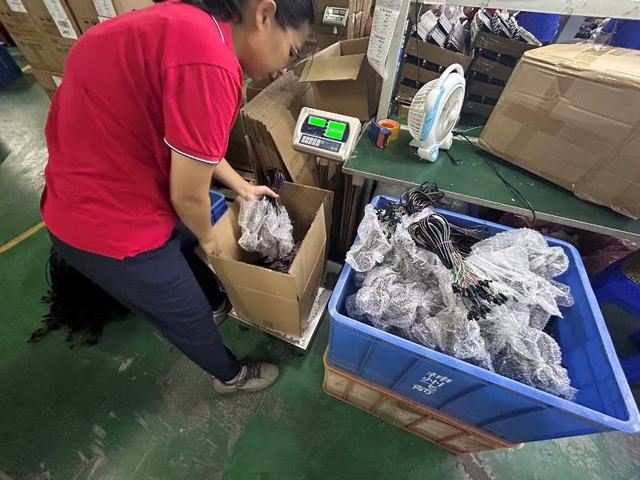
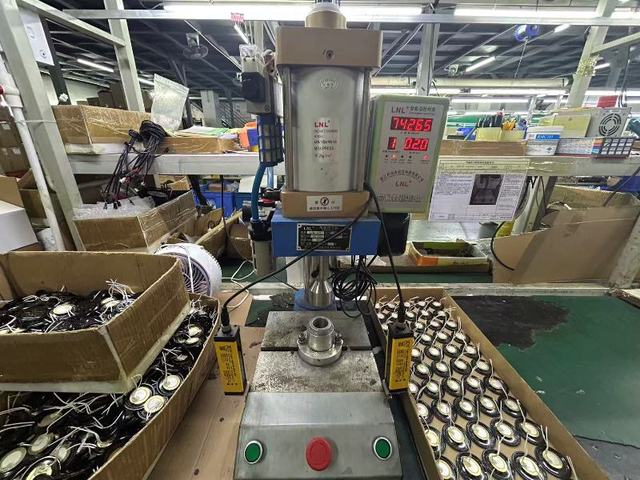
Our manufacturing facility is equipped with advanced production and testing equipment, enabling us to provide reliable products for demanding automotive environments. Through deep integration of our supply chain, we control every step of the development cycle. From initial optical ray-tracing analysis and 3D mold development, to injection molding, hard-coating, and dust-free robotic assembly, this localized concentration minimizes production bottlenecks and ensures rapid time-to-market for OEM partners.
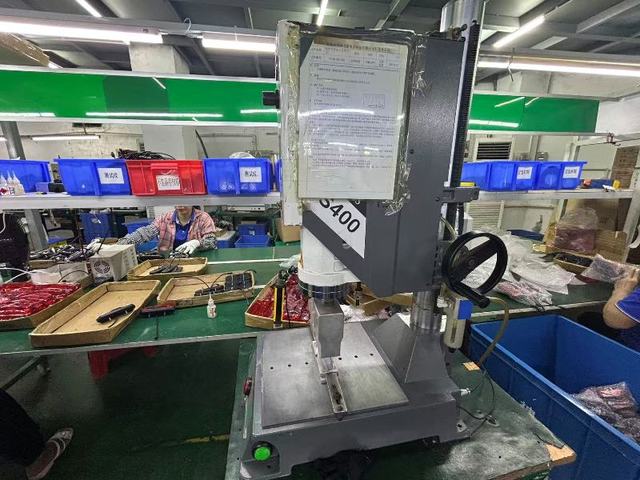
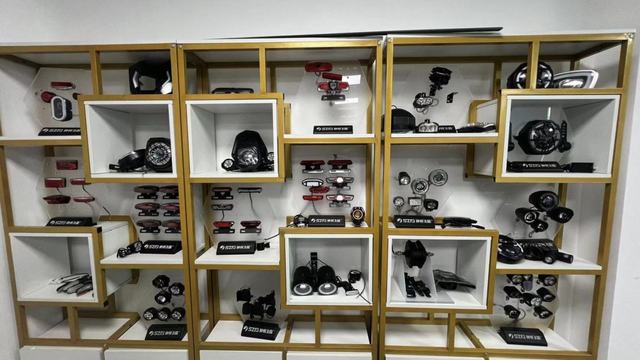
Real-world glimpse of our state-of-the-art production floors, optical test rooms, and automated assembly bays.
Navigating international standards to support vehicle manufacturing in major markets.
Serving clients across North America, Europe, Southeast Asia, the Middle East, and other global markets, Hangzhou EV Light Co., Ltd. is dedicated to delivering innovative electric vehicle lighting solutions that contribute to safer, smarter, and more sustainable transportation. Our mission is to become a trusted global partner in advanced automotive lighting technology and smart mobility innovation.
Entering international automotive markets requires strict adherence to regional regulatory frameworks. Our products undergo rigorous testing processes to meet ECE (Economic Commission for Europe) regulations for EU markets, DOT (Department of Transportation) / SAE standards for North America, and CCC (China Compulsory Certificate). Every light assembly is verified for spectral distribution, luminosity levels, and environmental durability, ensuring seamless custom clearances and local vehicle type approval (WVTA).
Answers to complex engineering, regulatory compliance, and sourcing questions.
Electric vehicle components are exposed to high electromagnetic noise levels due to high-voltage inverters and motors. Our light designs feature built-in metal shielding, specialized input filtering, and localized PCB traces designed to minimize electromagnetic interference (EMI). All products meet the strict UNECE R10 automotive EMC requirements.
To prevent moisture build-up and water ingress caused by rapid temperature fluctuations, our premium light housings use automated silicone sealing, ultrasonic plastic welding, and integrated breathable ePTFE membranes. This design allows air flow to control pressure while blocking liquid water, maintaining reliable operation in IP65, IP67, and IPX9K environments.
Our ODM process is structured to align with automotive product development phases: 1) Optical simulation and 3D modeling (2-3 weeks); 2) Prototype generation and rapid optical validation (2 weeks); 3) High-precision steel mold creation (4-6 weeks); 4) Environmental, photometric, and endurance validation testing (3 weeks); 5) Trial run and mass production initiation under IATF 16949 control guidelines.
We use high-efficacy LED chipsets and optimized constant-current drivers to minimize electrical power demand. An integrated LIN-bus standby controller ensures that when the vehicle is locked or parked, the standby current of the lighting module drops to below 0.1mA, preventing auxiliary 12V battery drain.
Yes, our direct-fit assemblies (including our solutions for the Tesla Model Y and BYD Qin EV) match the original shape, connectors, mounting points, and electrical pinouts. They function as drop-in upgrades without requiring modifications to the vehicle's body panels or wire harnesses.
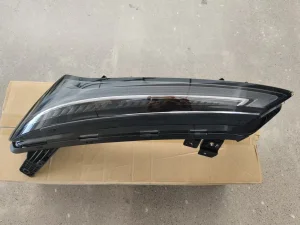
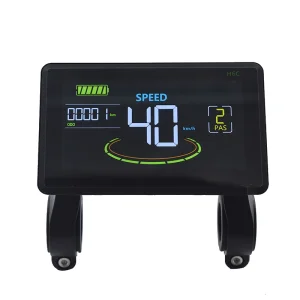
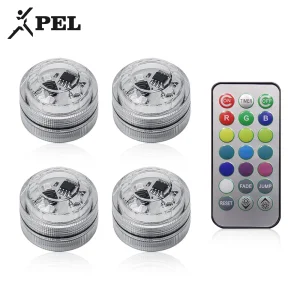
High-quality signal indicators, headlights, and atmospheric interior lights for diverse vehicle models.
 EV Light