Explore our specialized automotive electronics engineered for Turkish manufacturing environments, ready for local aftermarket distribution and OEM integration.
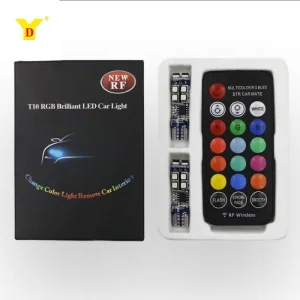
Turkey stands as a critical manufacturing powerhouse connecting Europe, Asia, and the Middle East. With major automotive clusters in Kocaeli, Bursa, and İzmir, the demand for localized tier-1 component suppliers is scaling rapidly, particularly in the domain of automotive lighting electronics.
As Turkey transitions toward electrification, championed by national initiatives such as TOGG (Türkiye's Automobile Joint Venture Group) and expansion programs by global OEMs like Ford Otosan, Hyundai, and Renault, the integration of intelligent LED technologies is no longer optional—it is a baseline requirement. Modern electrical architectures demand ultra-efficient, thermally stable PCBA systems and LED configurations capable of handling the volatile load profiles of next-generation electric vehicle (EV) platforms.
Hangzhou EV Light Co., Ltd. fills this critical gap, providing high-reliability, E-Mark compliant lighting matrices and controllers built specifically to integrate with the assembly systems of Turkey's leading automotive brands.
From standard LED replacements to fully dynamic ADB (Adaptive Driving Beam) systems, we track the technical benchmarks required by the next decade of mobility.
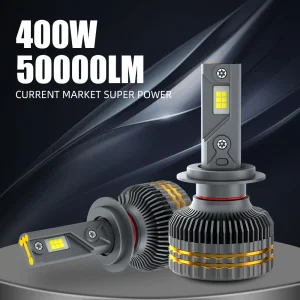
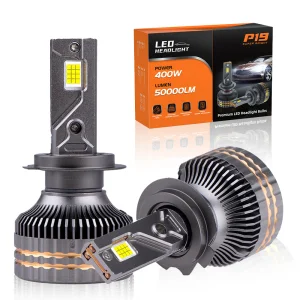
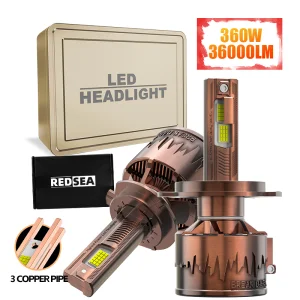
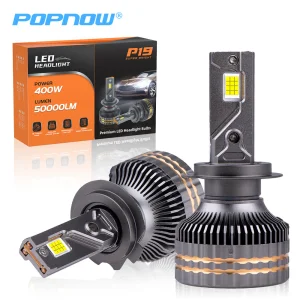
High-wattage LED applications (such as our 400W 50000LM systems) generate substantial localized heat junctions. Our designs leverage double copper heat pipes vacuum-soldered directly to the thermoelectric separation copper substrate. This structural architecture guarantees thermal conductivity exceeding 400 W/m·K, mitigating lumen degradation and extending operating lifespan beyond 50,000 operational hours.
Turkish domestic and commercial fleets operate modern electrical networks prone to error code triggers when retrofitted with LED lighting. Our digital drivers integrate specialized ASIC Canbus chips that emulate standard halogen resistance curves without excessive heat generation. Concurrently, onboard EMC filter circuits suppress radio frequency interference to comply fully with ECE R10 parameters.
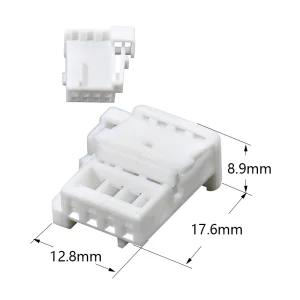
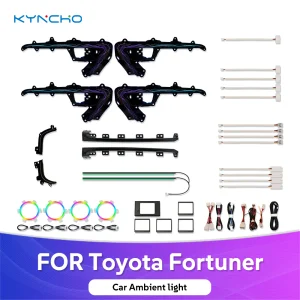
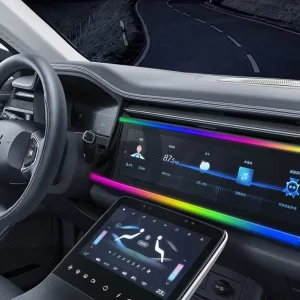
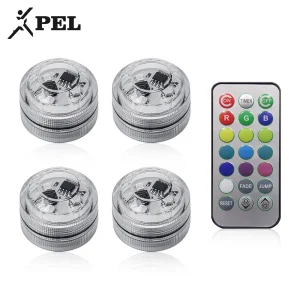
Modern passenger cockpits rely heavily on spatial aesthetics. Our Symphony interior lighting solutions utilize high-density RGB strips governed by Bluetooth/App controls. The micro-controllers utilize PA66 GF25 sealed connectors with pre-crimped copper wire harnesses, preventing moisture ingress and vibration-induced open circuits over the vehicle lifecycle.
Specialized hardware arrays developed for custom manufacturing runs and direct distributor supply chains in Turkey.
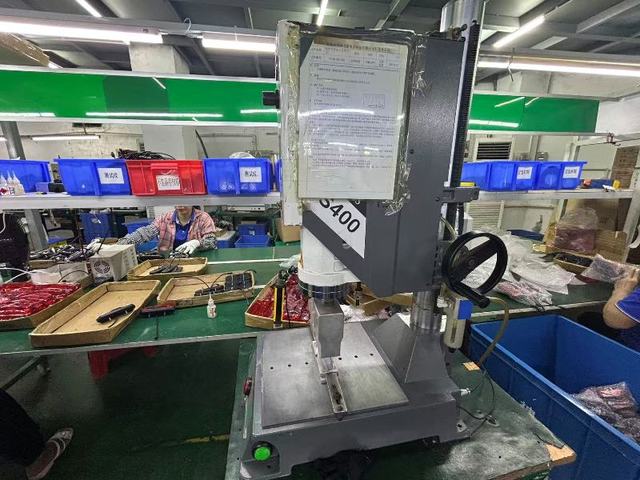
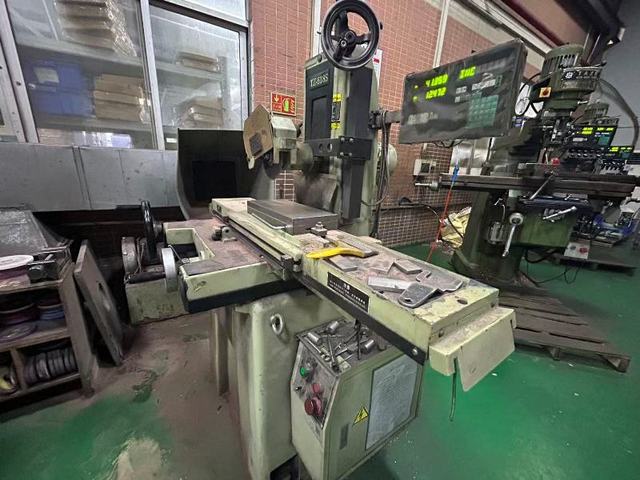
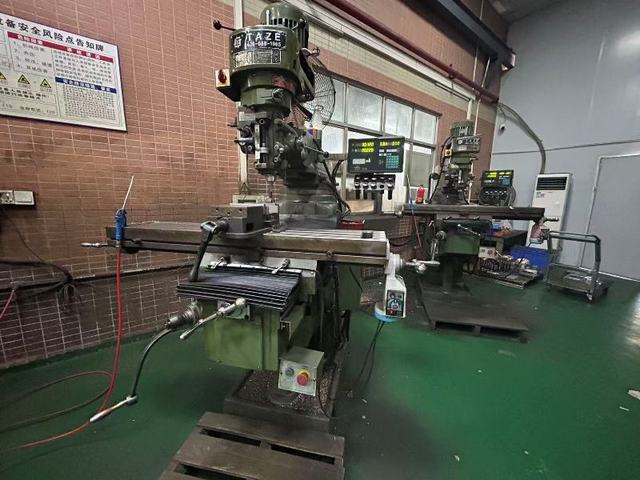
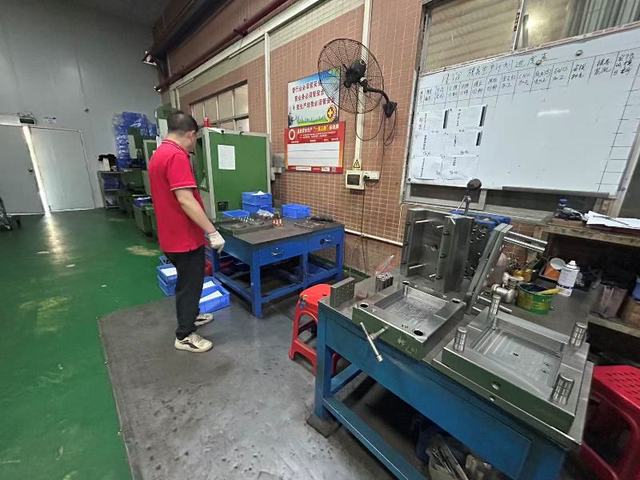
Hangzhou EV Light Co., Ltd. operates state-of-the-art smart assembly plants optimized to provide Turkish manufacturing networks with absolute supply chain security.
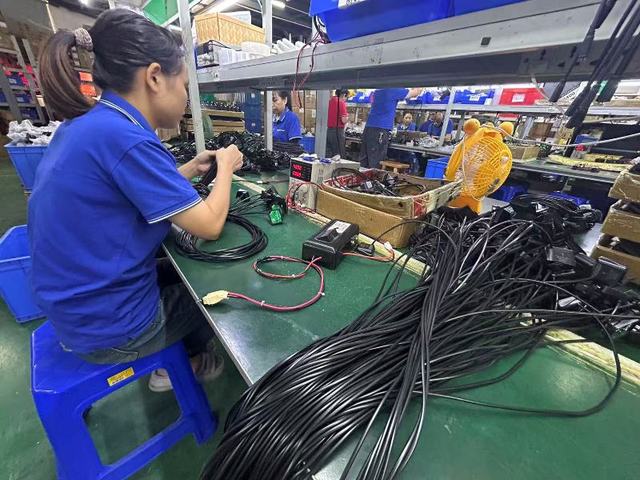
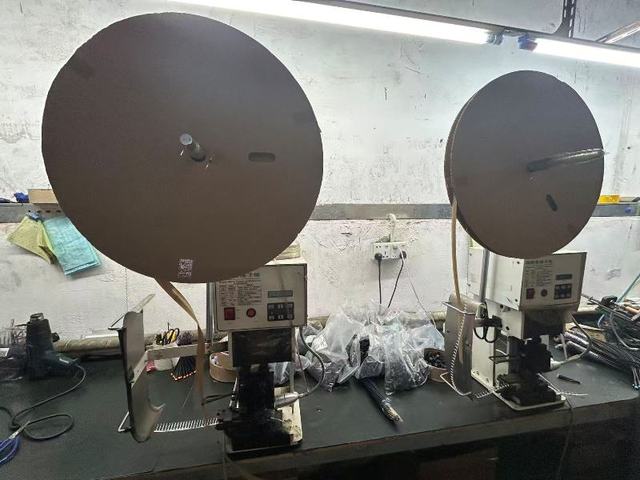
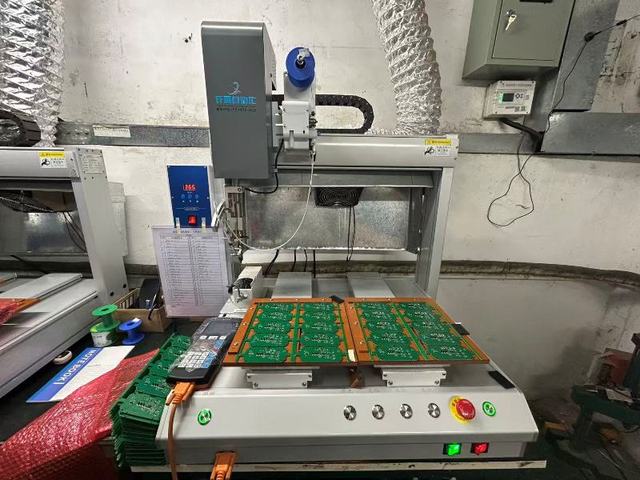
By implementing fully automated SMT (Surface Mount Technology) assembly systems, high-speed AOI (Automated Optical Inspection) systems, and multi-axis placement machinery, we ensure that every single automotive lighting PCBA leaving our factory adheres to the zero-defect standards expected by international Tier-1 procurement teams.
Our production advantage extends beyond precision machinery. We utilize dynamic vertical integration, meaning we source bare PCBs, high-performance silicon control chips, heat pipes, and optical-grade lensing elements within a highly optimized domestic cluster. This geographical concentration of component manufacturing shields Turkish import buyers from the volatile price fluctuations and sudden material shortages common in fragmented global supply chains.
To ensure failure-free operation under the diverse climatic conditions of Turkey—ranging from the humid coastal regions of İzmir to the sub-zero winter temperatures of Eastern Anatolia—our products undergo rigorous environmental testing before export:
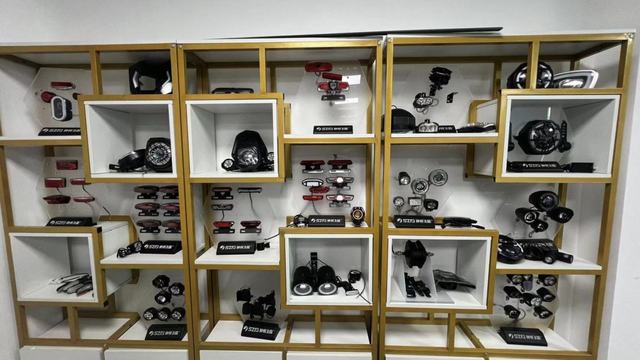
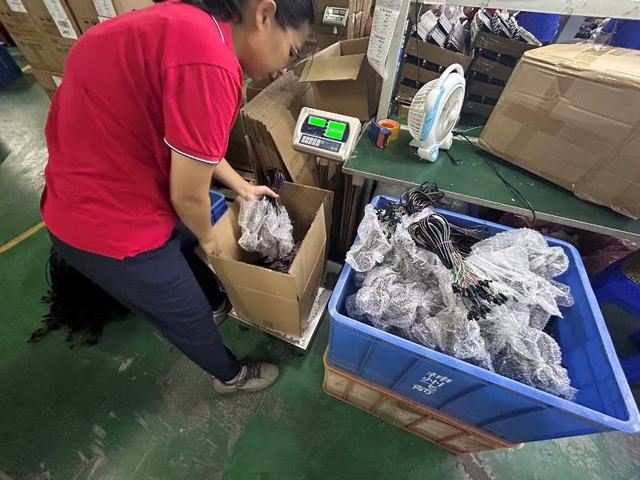
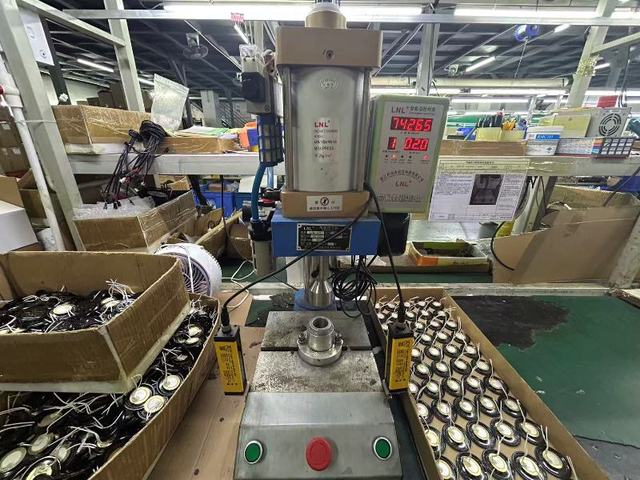
A transparent overview of our smart assembly floor, automated testing facilities, and engineering divisions.
Navigating import tariffs and certification standards is crucial for Turkish automotive businesses importing electronics from China.
Under the terms of the EU-Turkey Customs Union, electronic products imported into Turkey for passenger vehicle assembly must meet comprehensive ECE regulations. Our lighting assemblies and sub-components are structured to secure the necessary E-Mark qualifications (including ECE R112 for forward illumination, ECE R65 for signaling, and ECE R10 for electromagnetic compatibility).
Additionally, we supply comprehensive regulatory documentation packs—including RoHS compliance sheets, Material Safety Data Sheets (MSDS) for shipping, and chemical composition breakdowns—assisting our Turkish importing partners in passing local Custom inspections without delays.
As a global pioneer in LED fabrication, we provide specialized design and production pathways for specific business segments:
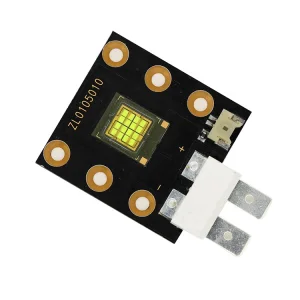
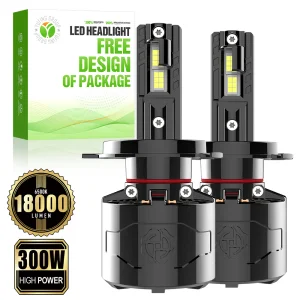
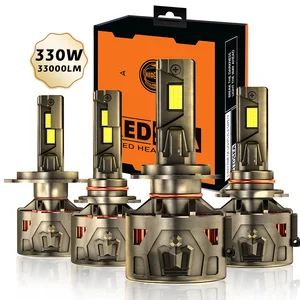
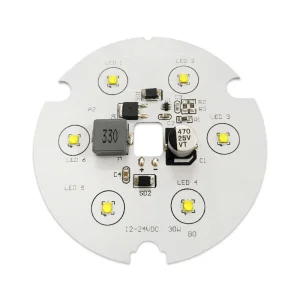
Precision-manufactured replacement headlamp systems and base PCBs configured for Turkish automotive engineering standards.
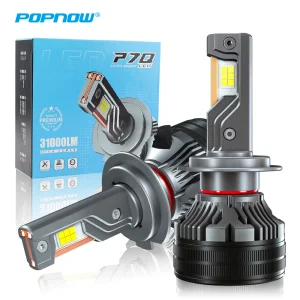
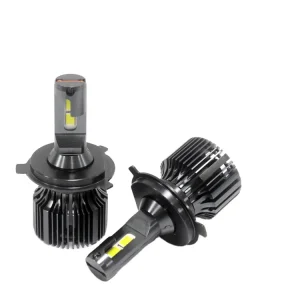
Answers to vital technical, regulatory, and logistics questions from procurement and compliance officers in Turkey.
Yes. Many of our core product architectures comply with key ECE regulations (e.g., ECE R112 for headlight beams, ECE R10 for Electromagnetic Compatibility, and ECE R37 for filament lamp replacements). When placing an OEM/ODM order, please specify your exact E-Mark registration requirements so we can align compliance stamps and verify testing certificates before delivery.
For custom PCBA prototypes, engineering evaluation takes approximately 7-10 business days. Following your technical sign-off, prototyping requires 15 days, with bulk production scaling to completion in 25-35 days, depending on volume. Shipping to major Turkish ports (Ambarlı, İzmir, or Mersin) typically takes 25-30 days by sea, or 5-7 days via express air freight.
Our Canbus drivers utilize embedded microchips that calculate vehicle load requirements and regulate impedance dynamically. Instead of using raw resistors which run dangerously hot, our systems use a smart pulse-width modulation (PWM) filtration circuit that prevents flicker, dash errors, and radio interference (EMI) on modern vehicle electronics systems.
Absolutely. We build our connectors using PA66 GF25 (polyamide reinforced with 25% glass fiber), which offers outstanding tensile strength, structural rigidity, and resistance to high engine bay temperatures (up to 150°C). The wire harnesses are silicone-sealed to reach IP67/IP68 rating standards, preventing moisture entry and corrosion in coastal regions.
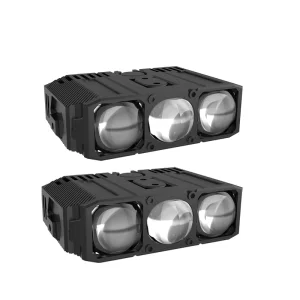
Our ultra-high-power headlight assemblies use dual copper heat pipes paired with a thermoelectric separation copper board. Heat is drawn instantly from the LED junction toward a high-density aluminum heatsink array, where a high-velocity, double-ball-bearing silent fan (spinning up to 12,000 RPM) dissipates the thermal energy. This multi-stage system keeps junction temperatures below safe operating thresholds (typically <85°C).
Partner with Hangzhou EV Light Co., Ltd. for top-tier automotive electronics, E-Mark testing, and customized manufacturing services. Get custom pricing, technical datasets, and direct access to our engineering team.
 EV Light