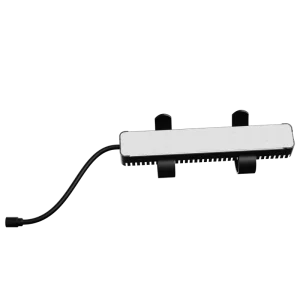
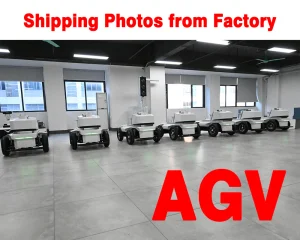
High-performance smart vehicle illumination optimized for local fleet integration, severe midwest weather patterns, and automated commercial operations.
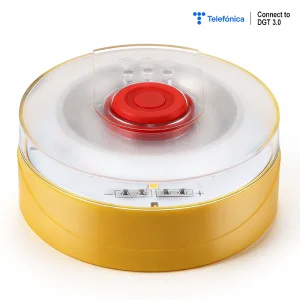
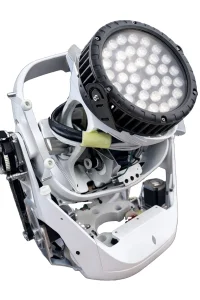
As the logistical heartbeat of North America, Chicago, Illinois represents one of the most critical testing and deployment grounds for Autonomous Vehicles (AVs) and Automated Driving Systems (ADS). The intersection of Class I railroads, sprawling interstate networks (I-90, I-94, I-80), and massive cargo distribution centers in the O'Hare and Will County corridors requires a highly resilient class of hardware. In these dense, high-frequency logistics nodes, autonomous vehicles cannot rely on standard consumer automotive lights. Next-generation autonomous vehicle lighting must perform double duties: serving as a key illumination source for onboard optical cameras, while simultaneously projecting intent signals to human drivers, cyclists, and pedestrians.
Testing and operating autonomous heavy trucks, urban delivery shuttles, and municipal infrastructure platforms in the Midwest presents severe environmental challenges. Chicagoland's dramatic seasonal variance—ranging from humid, high-temperature summers to sub-zero winters characterized by heavy lake-effect snow, freezing rain, and dense road salt spray—demands that AV lighting assemblies feature advanced thermal management, active lens de-icing, and robust ingress protection (IP69K). When lidar, radar, and optical camera suites must work in perfect synchronization, any light scatter or thermal distortion can degrade system perception. Thus, the engineering and sourcing of optical lighting modules must be approached with rigorous technical precision.
“Sourcing lighting components for autonomous fleets in Chicago requires a deep understanding of Midwestern climate challenges and strict adherence to FMVSS 108 standards. Systems must not only illuminate the road but also communicate intent through high-fidelity, sensor-compatible emission spectrums.”
For Level 4 and Level 5 autonomous vehicles operating in dense urban environments like the Chicago Loop, the concept of "Human-Machine Interface" (HMI) transitions from the cabin interior to the exterior shell. Since AVs lack a human driver to make eye contact or perform hand gestures, lighting serves as the primary visual translator of the vehicle's cognitive states. Dynamic lighting projections on the asphalt—indicating planned acceleration paths, turning paths, or emergency braking zones—greatly enhance safety margins. Furthermore, our state-of-the-art systems utilize specific light wavelengths that do not interfere with LiDAR transmitters or infrared night-vision camera nodes, eliminating the risk of cross-talk and sensor blinding.
Procurement managers sourcing for US fleets—particularly those based in major logistic arteries like Chicago—must prioritize compliance with safety bodies such as the Federal Motor Vehicle Safety Standards (FMVSS) 108. This standard regulates lamps, reflective devices, and associated equipment. For an autonomous commercial truck operating on the dynamic I-80 corridor, failure to comply with FMVSS 108 parameters can result in massive legal liabilities, grounding of fleets, and mechanical safety risks.
However, traditional FMVSS standards are design-restrictive, often referencing human visual needs. To close this "information gap," Hangzhou EV Light Co., Ltd. builds advanced adaptive driving beams (ADB) and LED matrix blocks that provide high-resolution beam shapes to prevent glare for oncoming motorists, while maintaining dedicated high-intensity IR (infrared) channels for autonomous vision.
| Feature / Parameter | Standard Automotive LED Lighting | Autonomous-Grade Smart Lighting System | Chicago Localized Advantage |
|---|---|---|---|
| Anti-Icing / Heated Lenses | Passive Heat Dissipation Only | Active PTC Heating Coil Systems | Prevents snow accumulation & sensor obscuration in blizzards. |
| Lidar & Camera Co-existence | Unregulated Emission Spectra | High-frequency filtered 850nm/940nm channels | Eliminates visual distortion in dense traffic and night cargo lanes. |
| Vibration & Shock Resistance | SAE J575 Standard Requirements | Enhanced MIL-STD-810H & Heavy Truck Spec | Withstands extreme Chicago pothole road surfaces. |
| Dynamic HMI Projection | Static Signal Output | Smart Ground Vector Laser & High-Density Pixels | Safely guides pedestrians in high-density urban areas like the Loop. |
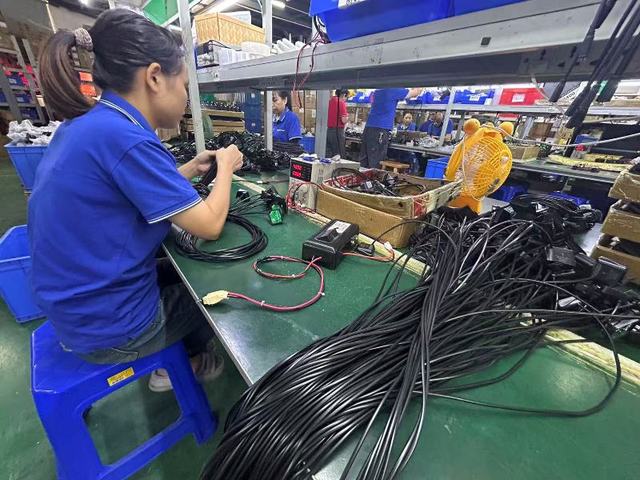
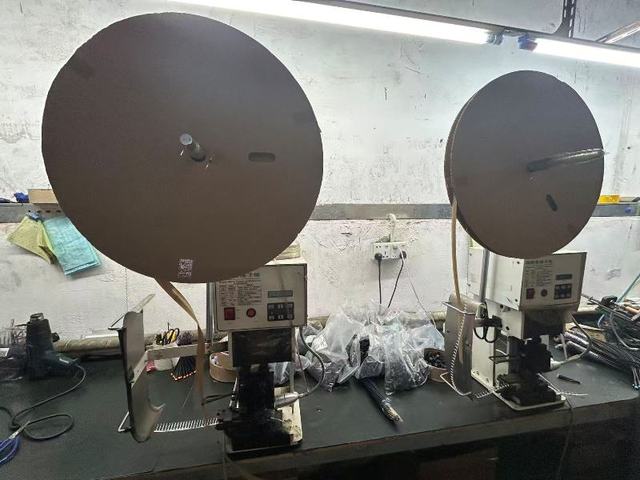
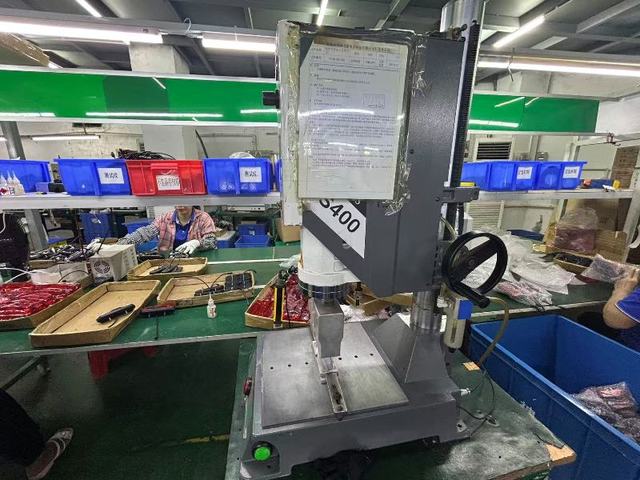
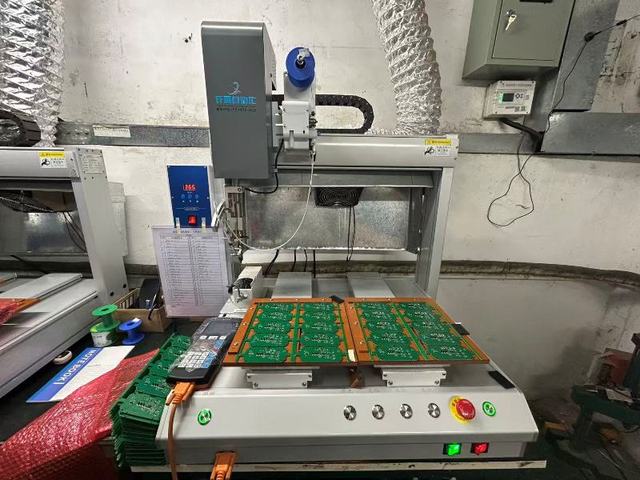
In a post-pandemic supply chain landscape, global procurement entities demand not just technological prowess, but also supply chain predictability and cost efficiency. As a leading manufacturer, Hangzhou EV Light Co., Ltd. leverages a highly automated China-based production hub implementing Factory 4.0 protocols. Through integrated smart SMT lines, automated optical alignment, and real-time automated optical inspection (AOI), we achieve zero-defect tolerances (PPM < 10) for critical safety components.
Our manufacturing model incorporates direct components traceability. Each autonomous lighting module, whether it is a high-flux drone floodlight or a smart emergency signal beacon, is tracked from the raw silicon wafer and high-power LED emitter phase to final assembly. This level of verification offers global OEM buyers complete assurance, making Hangzhou EV Light Co., Ltd. a premier supplier for complex autonomous transport initiatives in Chicago and globally.
Hangzhou EV Light Co., Ltd. — Accelerating global smart mobility transitions through advanced research, strict quality controls, and precision production.
Hangzhou EV Light Co., Ltd. is a professional China electric vehicle lighting manufacturer specializing in EV LED lighting and smart automotive lighting solutions for the rapidly evolving new energy vehicle industry. With a strong commitment to innovation, performance, and reliability, we provide advanced lighting technologies that enhance vehicle safety, energy efficiency, functionality, and visual appeal.
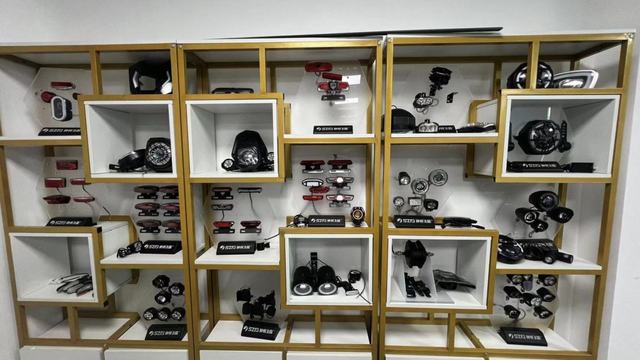
Our product portfolio includes EV headlight systems, taillight assemblies, daytime running lights, signal lighting, interior ambient lighting, charging status indicators, smart lighting modules, and customized automotive lighting solutions. Designed to meet the requirements of modern electric vehicles, our products are widely used in passenger EVs, commercial electric vehicles, electric buses, electric motorcycles, electric scooters, and emerging smart mobility applications.
At Hangzhou EV Light, we combine advanced engineering expertise with modern manufacturing capabilities to develop lighting solutions that deliver superior brightness, durability, and energy efficiency. Our experienced research and development team continuously explores new technologies in intelligent lighting control, adaptive lighting systems, LED integration, and automotive electronics to support the future of electric transportation.
Quality is at the core of our operations. From component sourcing and product development to production and final testing, every stage follows strict quality management procedures to ensure consistent performance and compliance with international automotive standards. Our manufacturing facility is equipped with advanced production and testing equipment, enabling us to provide reliable products for demanding automotive environments.
We offer comprehensive OEM and ODM services for vehicle manufacturers, automotive suppliers, distributors, and mobility brands worldwide. Whether customers require customized designs, private-label production, or large-scale manufacturing, our flexible production capabilities support projects of various sizes and specifications.
Serving clients across North America, Europe, Southeast Asia, the Middle East, and other global markets, Hangzhou EV Light Co., Ltd. is dedicated to delivering innovative electric vehicle lighting solutions that contribute to safer, smarter, and more sustainable transportation. Our mission is to become a trusted global partner in advanced automotive lighting technology and smart mobility innovation.
Understanding localized application demands is essential for structural design modifications. In Chicagoland, autonomous lighting systems operate across several distinct niches:
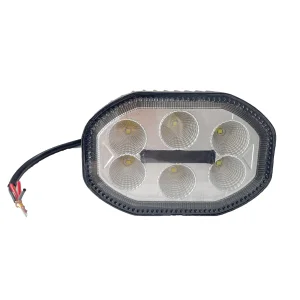
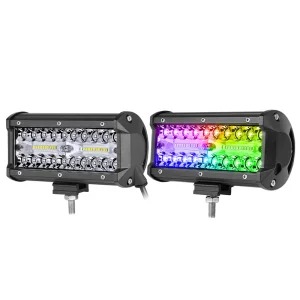
In major intermodal rail hubs located in Elwood and Joliet (southwest of Chicago), autonomous yard tractors move trailers 24/7. These environments are high-risk zones due to dust, heavy emissions, and tight spaces. The implementation of high-power LED work lamps with narrow, long-range light vectors allows sensor suites to map obstacle paths clearly through dense dust.
Aerodrome operations represent a major segment for localized AV application. Tug vehicles, baggage carts, and runway sweeps operating autonomously must be fitted with waterproof, high-intensity beacon strobes. In winter conditions, with runway slush and high moisture levels, light dispersion is critical to prevent collisions with taxiing aircraft.
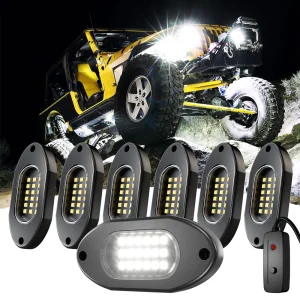
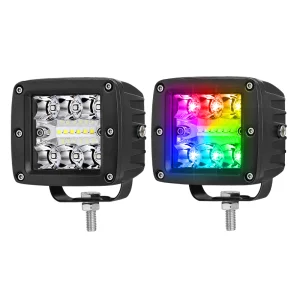
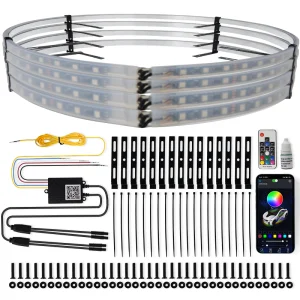
Operating within Chicago's pedestrian spaces requires lighting that isn't glaring but is highly noticeable. Active RGB light arrays under the vehicle chassis project visual warning fields around the vehicle perimeter, defining a safe radius for nearby pedestrians.
Discover our full product range engineered to standard automotive safety protocols, ready for international fleet deployment.
Find answers to the most common engineering and procurement questions regarding autonomous lighting technologies.
 EV Light