Advanced optical systems engineered for heavy-duty fleets, emergency signal networks, and autonomous path tracking.
Renewable Energy Grid Alignment
IP69K Waterproof Protection
16949 Automotive Standard Certification
Severe Weather Thermal Operation Range
Uruguay has emerged as an avant-garde leader in sustainable green energy policies within South America. By sourcing nearly 98% of its electricity grid from renewable energy sources (wind, hydro, solar, and biomass), the country represents the perfect operational incubator for high-efficiency Electric Vehicles (EVs) and Automated Driving Systems (ADS). The Ministry of Industry, Energy and Mining (MIEM) of Uruguay, under the national "Plan de Movilidad Eléctrica", is rapidly promoting incentives to transition taxi fleets, public transportation, and commercial logistics to purely electric propulsion.
However, modern autonomous transport systems and smart EVs face localized geographical and environmental challenges across Uruguay. From the dense, foggy coastal mornings in Montevideo and Punta del Este to the unpaved, dusty rural arterial networks of Tacuarembó and Salto, lighting systems cannot simply be basic illumination devices. They are active sensors. Autonomous vehicle components, especially LiDAR sensors and camera modules, require precise wavelength emission and anti-glare control from LED lighting to avoid sensor blinding or signal degradation under heavy rains and mist. This is where high-spec technical execution becomes paramount.
For Uruguayan procurement entities, direct partnership with a premier Chinese electric vehicle lighting manufacturer like Hangzhou EV Light Co., Ltd. offers structural advantages in value engineering, compliance, and custom hardware adaptation:
Tailored lighting architectures developed for the country's main economic drivers.
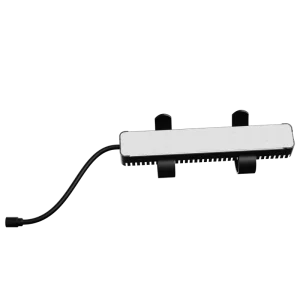
Uruguay's massive farming sectors rely heavily on seasonal night operations. We offer high-intensity, vibration-resistant LED bars and work lamps equipped with specialized brackets that withstand the continuous, high-amplitude vibrations of heavy combine harvesters and robotic forestry machinery in departments like Río Negro.
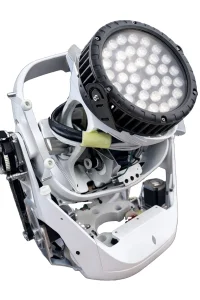
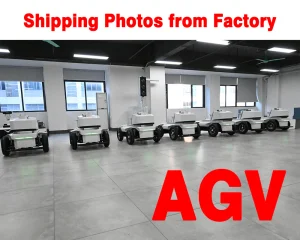
Automated guided vehicles (AGVs) operating in the Port of Montevideo require continuous, directional strobe signals and 360° robotic searchlights. Our smart lights facilitate safe vehicle-to-human interaction within high-risk industrial zones, preventing collision accidents via dynamic projection zones.
As Montevideo upgrades its urban public transport systems to zero-emission fleets, our smart LED signaling and ambient light bars provide programmable charging state feedback, high-visibility directional light arrays, and automated emergency beacons conforming to regional transit regulations.
A glimpse inside Hangzhou EV Light Co., Ltd.'s state-of-the-art production lines, optical laboratories, and automated SMT assembly.
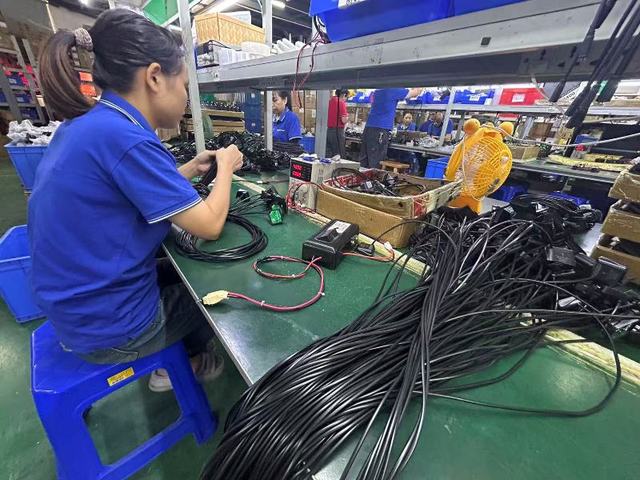
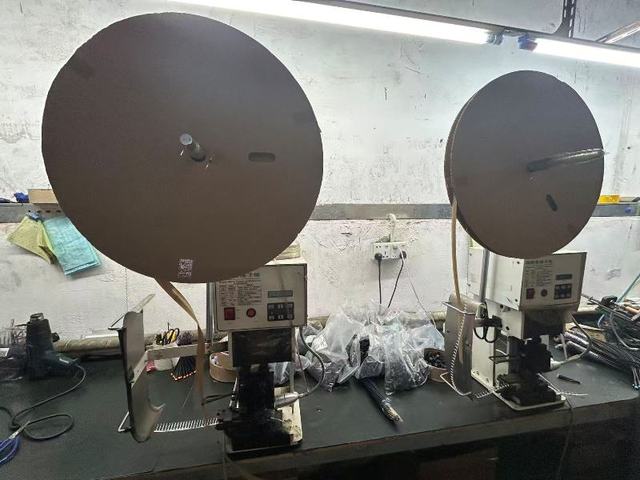
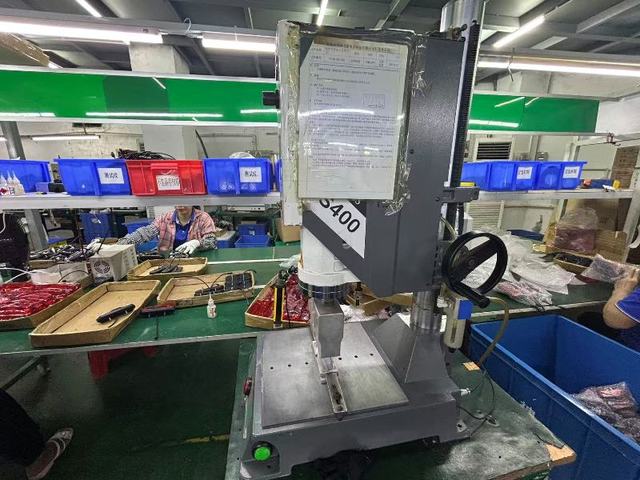
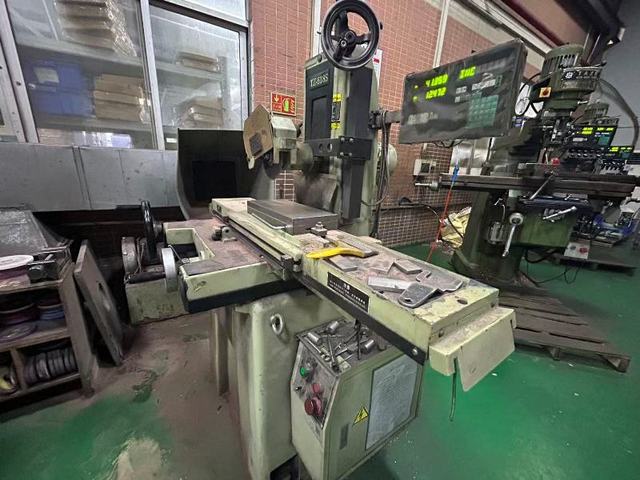
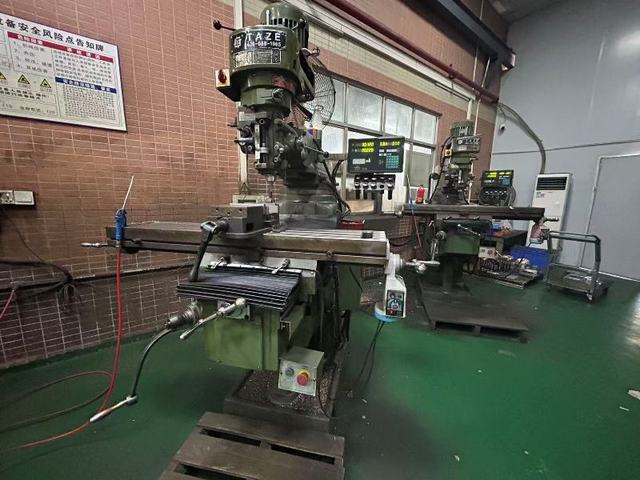
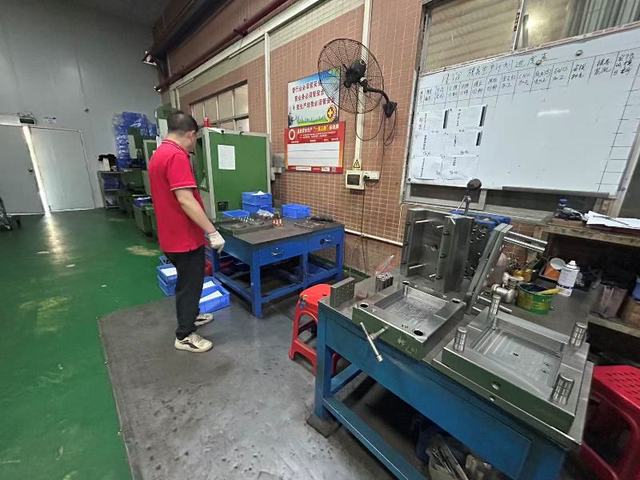
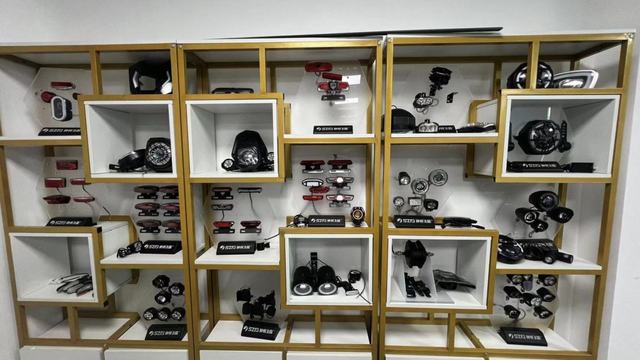
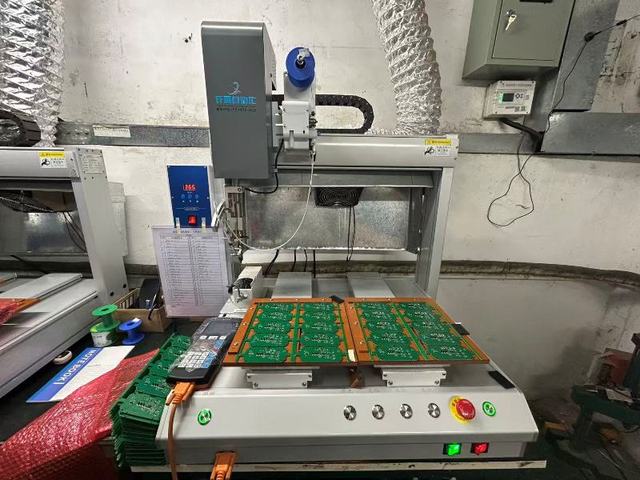
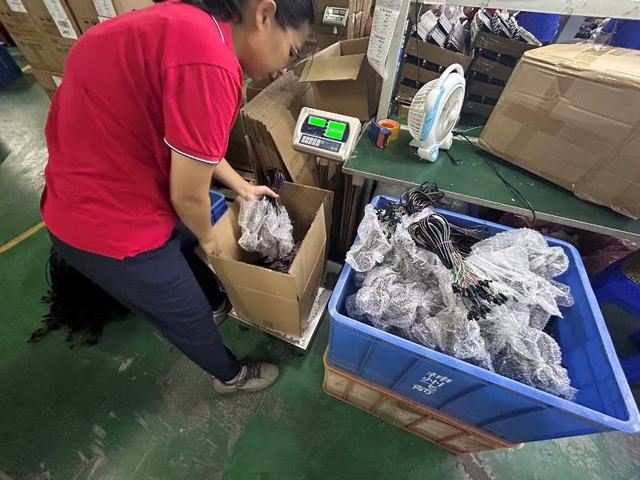
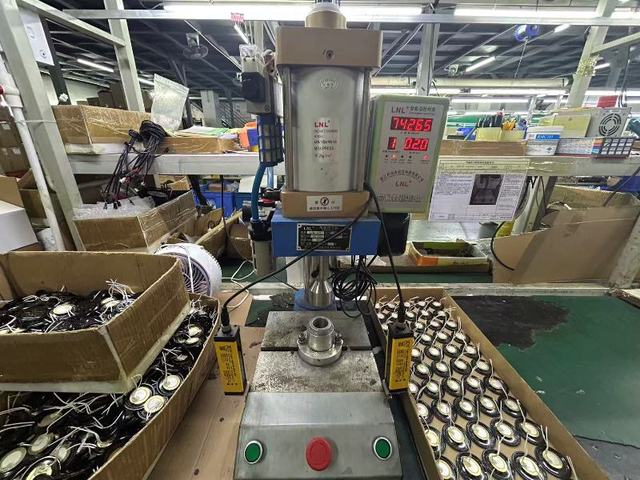
Hangzhou EV Light Co., Ltd. operates under strict adherence to ISO 9001:2015 and IATF 16949 protocols. From incoming inspection of raw electronic materials, through cleanroom SMT placement, automated optical inspection (AOI), and manual functional checks, we ensure that every single light bar, drone accessory, and emergency beacon operates flawlessly. We perform 100% burn-in testing on all batches to eliminate premature component failure, providing our Uruguayan partners with peace of mind in high-value logistics and fleet investments.
Explore our full range of solutions designed to integrate with modern autonomous architectures and electric fleets.
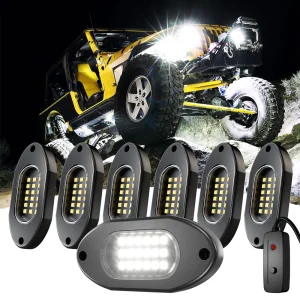
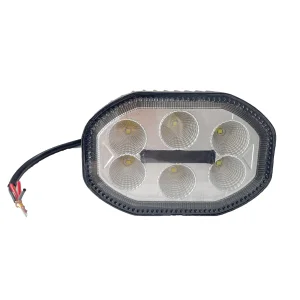
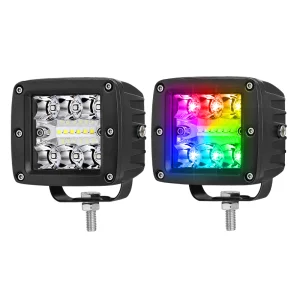
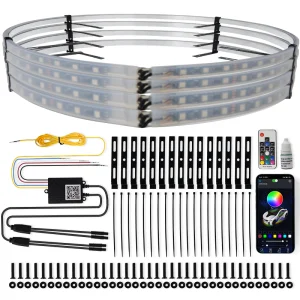
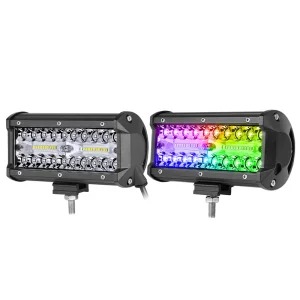
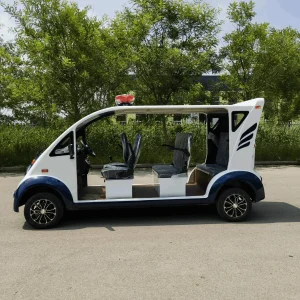
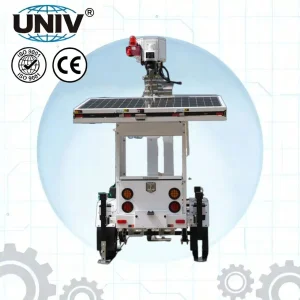
Purchasing professional components for autonomous vehicles requires clear understanding of electrical engineering and optical metrics. For heavy duty and high-precision applications in Uruguay, engineering managers must pay attention to the following parameters:
Our R&D team designs LED matrices that minimize infrared emissions inside the spectrum bands of standard 905nm and 1550nm LiDAR systems. This ensures that the illumination system does not cause backscatter noise in the autonomous driving system's point-cloud rendering under dense fog.
Electric vehicles operating under strict energy budgets require ultra-efficient low-power lighting solutions. Our LED drivers boast a power conversion efficiency of >92%, reducing parasitic battery draw and improving overall vehicle operating range.
Hangzhou EV Light Co., Ltd. provides comprehensive global distribution channels, offering streamlined shipping to Uruguay via major sea terminals like the Port of Montevideo. Our export services include complete custom declarations under Mercosur classification codes (NCM) to optimize import tariff processing.
Expert insights on integrating autonomous and electric vehicle lighting within the Uruguayan commercial ecosystem.
We perform optical analysis using advanced software simulation to control the emission spectrum. Our LED drivers use high-frequency PWM (Pulse Width Modulation) designed to operate at frequencies that do not clash with the frame rates of automotive cameras or the scanning frequencies of LiDAR sensors, preventing visible banding or sensor blinding.
Yes. All of our rugged products (such as the 60W LED Work Lamps and Offroad Bar Lights) feature IP68/IP69K ingress ratings. This guarantees they are fully sealed against fine dust, high-pressure hot water jets, and heavy rain typical in the farming areas of Salto, Paysandú, and Tacuarembó. Additionally, we use die-cast aluminum housings with anti-corrosion coatings to protect against the high coastal humidity of Uruguay.
Absolutely. As an experienced OEM/ODM provider, our engineering team in China can customize the firmware of the lighting modules to accept specific control signals from your vehicle's central ECU or ADAS hardware. This allows for dynamic features like directional steering lights, interactive battery-charging animations, and automated safety strobes.
For custom OEM/ODM designs, development and prototyping take 4-6 weeks, followed by production. Shipping is handled directly from Ningbo or Shanghai ports to Montevideo via ocean freight (typically 35-45 days transit time) or express air cargo for urgent prototyping needs. We provide all necessary technical documentation and HS codes for seamless customs clearance in Uruguay.
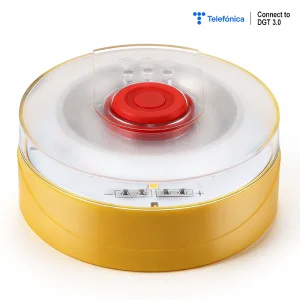
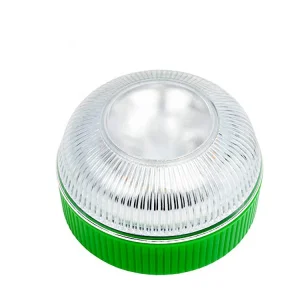
Our Luz V16 Emergency Light contains an integrated SIM card and GPS module. In case of vehicle breakdown, it automatically broadcasts the vehicle's precise coordinates to central cloud traffic networks. This feature is crucial for emerging smart city grids in Montevideo, enabling rapid response times and improving overall highway safety.
Have specific project requirements or need a customized quote?
Send Inquiry Now EV Light