As Fiji accelerates its transition toward the Low Emission Development Strategy (LEDS) 2018-2050, the demand for high-efficiency electric micromobility has surged across Viti Levu and Vanua Levu. However, Fiji's unique tropical environment—characterized by high salt-spray salinity, intense humidity, and sudden tropical downpours—demands a level of "lighting resilience" that standard off-the-shelf components cannot provide.
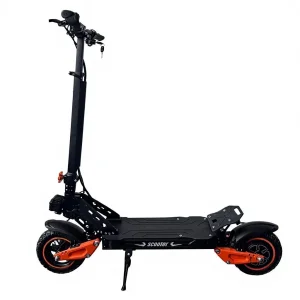
Globally, the electric vehicle lighting market is projected to reach $12.4 billion by 2027. In the South Pacific, the focus is not just on "brightness," but on Energy-to-Lumens Optimization. Because e-scooters in Fiji often serve as essential "last-mile" connectors for resort staff and urban commuters in Suva, lighting systems must consume minimal battery power while maximizing 180-degree visibility for road safety.
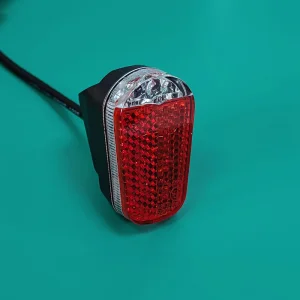
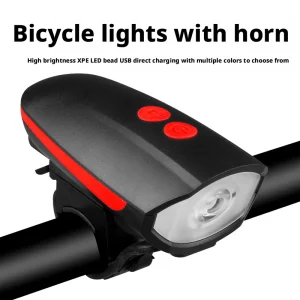
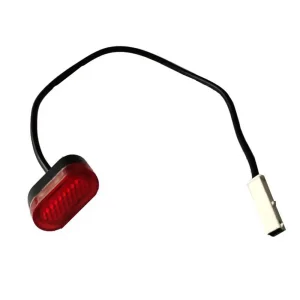
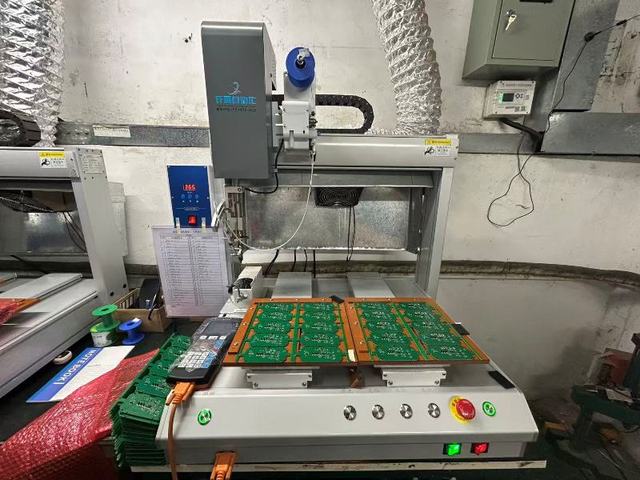
Our lighting modules utilize Automotive-Grade SMD LED chips. For Fiji's rugged terrains, we've implemented vibration-resistant PCB mounting, ensuring that headlights remain stable even on gravel roads in the Highlands. We strictly adhere to E-Mark (ECE) and DOT standards, providing Fiji distributors with a globally compliant product line.
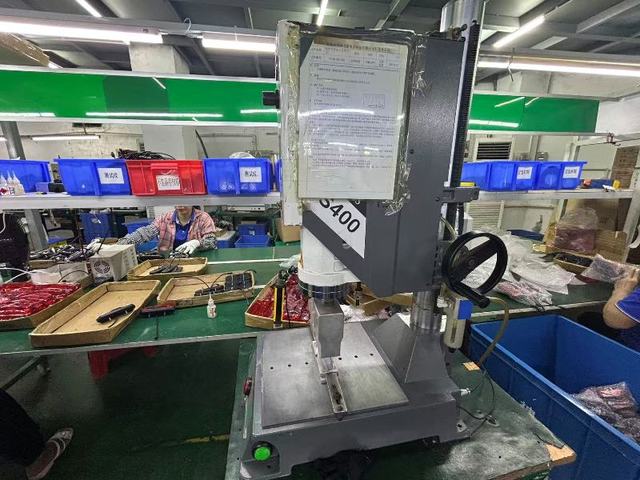
Rain in Fiji is frequent and heavy. Our IP65 Dustproof and Waterproof technologies go beyond simple gaskets; we use vacuum-sealed sonic welding and hydrophobic membranes to prevent internal condensation—a common failure point in cheaper Pacific imports.
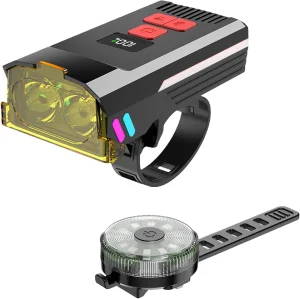
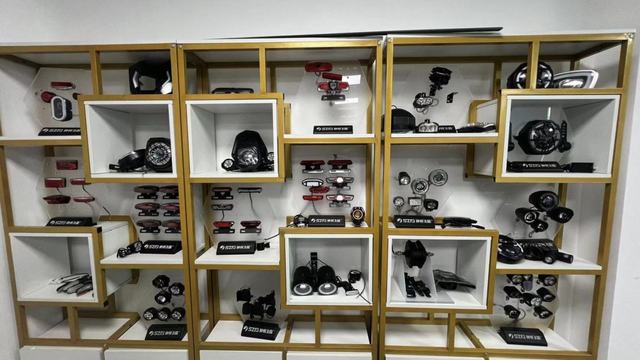
Modern Fiji smart mobility requires IoT integration. Our "Devil Eyes" and RGB DRL systems can be APP-controlled, allowing resort fleet managers to customize lighting colors for branding or safety protocols across their fleet via Bluetooth.
Resorts in Denarau and the Mamanuca Islands utilize our silent, high-lumens ambient lighting for guest e-scooters, providing a premium experience that ensures safety during moonlit coastal rides without causing light pollution.
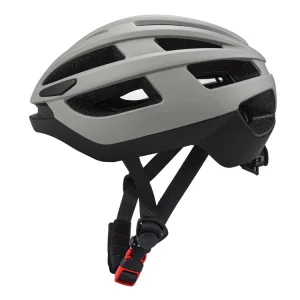
As traffic congestion grows, e-scooters are becoming the go-to solution for Suva professionals. Our smart helmets with integrated turn signals are essential for navigating busy intersections where visibility is often low during the rainy season.
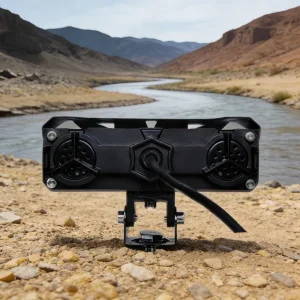
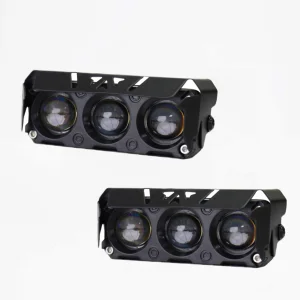
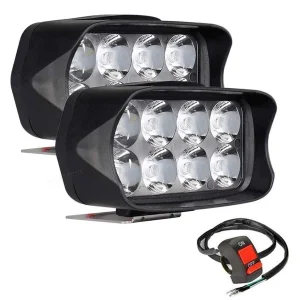
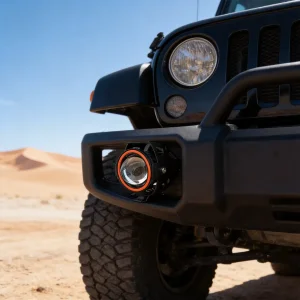
On larger Fiji plantations, electric utility vehicles require auxiliary work lamps. Our 12-LED auxiliary driving lamps provide the necessary 2000+ lumens for early morning harvests and late-night maintenance tasks.
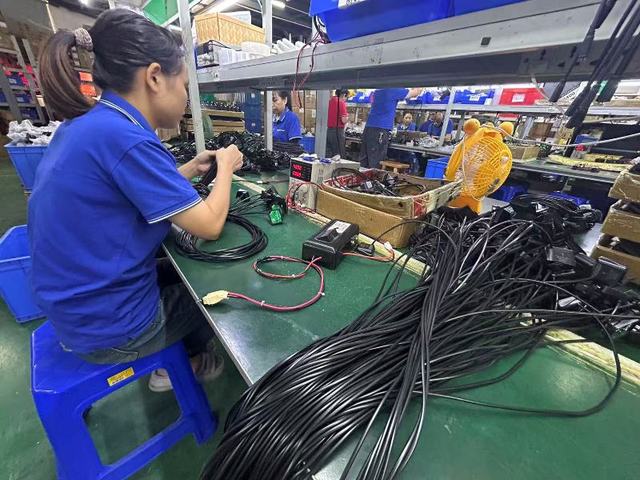
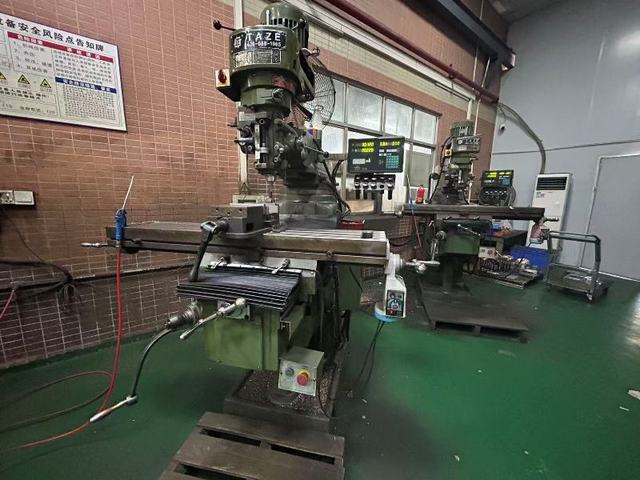
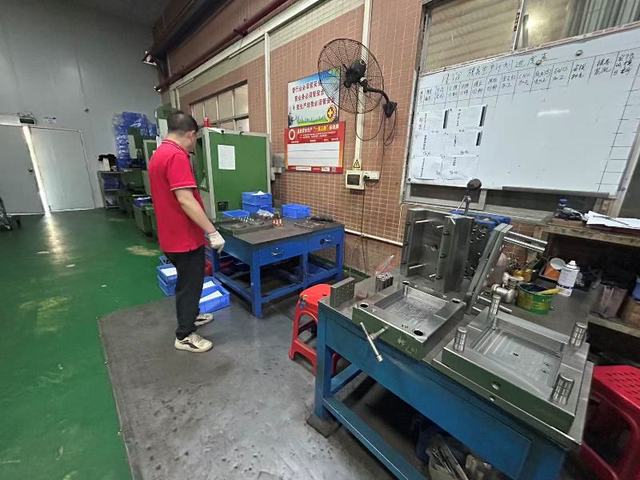
Hangzhou EV Light Co., Ltd. is a professional China electric vehicle lighting manufacturer specializing in EV LED lighting and smart automotive lighting solutions for the rapidly evolving new energy vehicle industry. With a strong commitment to innovation, performance, and reliability, we provide advanced lighting technologies that enhance vehicle safety, energy efficiency, functionality, and visual appeal.
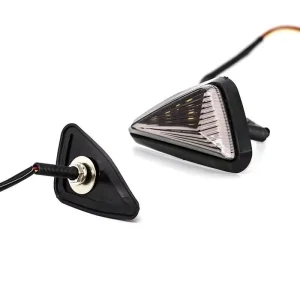
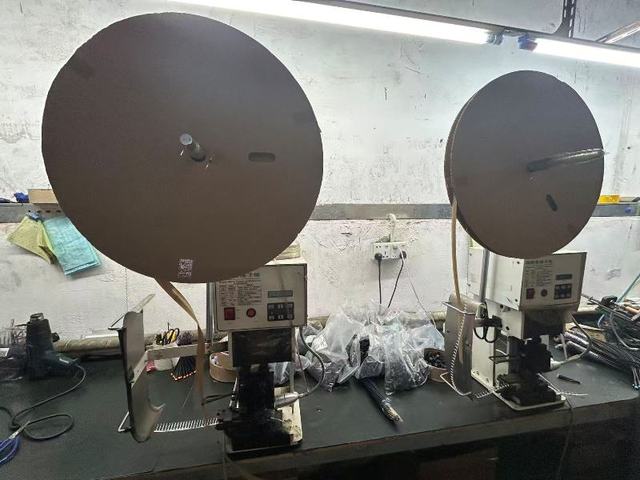
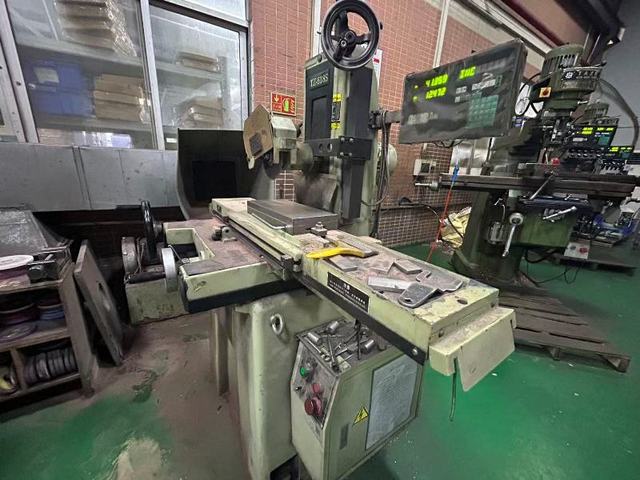
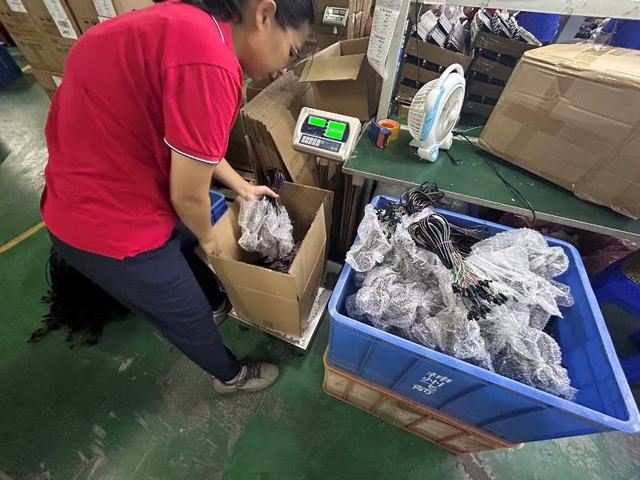
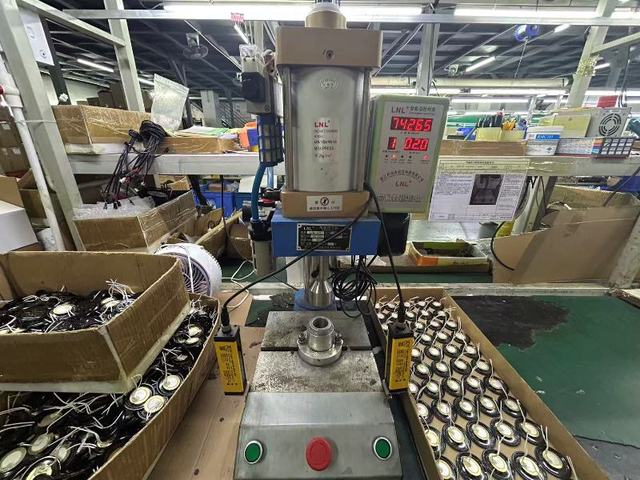
Our product portfolio includes EV headlight systems, taillight assemblies, daytime running lights, signal lighting, interior ambient lighting, and smart lighting modules. Serving clients across the South Pacific and global markets, we provide comprehensive OEM and ODM services. Our manufacturing facility follows strict quality management procedures to ensure compliance with international automotive standards.
The next generation of electric scooter lighting in Fiji will focus on Adaptive Beam Patterns. Our R&D team is currently developing sensors that adjust light intensity based on ambient moonlight and street lighting, further conserving battery for long-distance travel across Fiji's island topography. Furthermore, we are integrating Solar-Harvesting Coatings on light housings to provide auxiliary charging for internal capacitors, ensuring safety lights function even if the main scooter battery fails.
Yes. We use Marine-Grade anodized aluminum and sealed polycarbonate lenses specifically designed to prevent the salt-crusting and corrosion common in Fiji's coastal environments.
Absolutely. Hangzhou EV Light Co., Ltd. has established logistics partnerships for direct sea and air freight to Fiji's major ports, including optimized customs documentation for EV components.
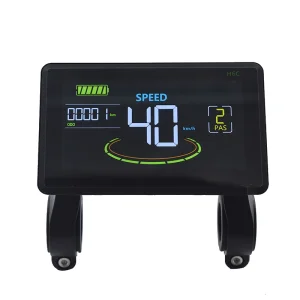
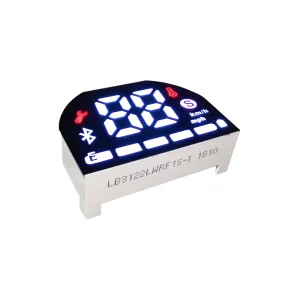
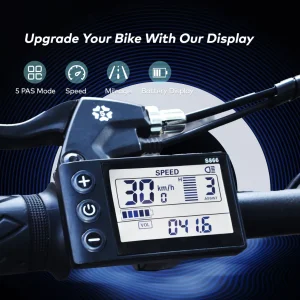
Our 7-Segment and LED displays are "Ultra-White/Red" high-contrast modules, specifically engineered for sunlight readability even in peak midday Pacific sun.
 EV Light