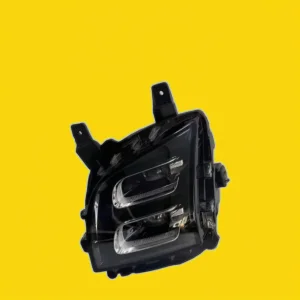
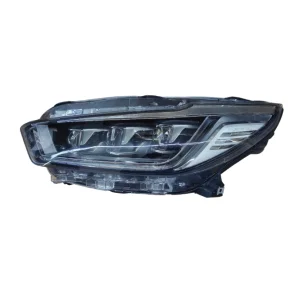
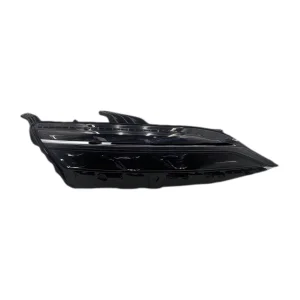
Advanced OEM-compliant vehicle lighting systems engineered with smart thermal management and high-efficiency optical projection units.
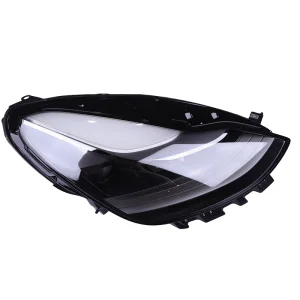
How state policies and geographic realities are shaping the requirements for automotive-grade lighting solutions.
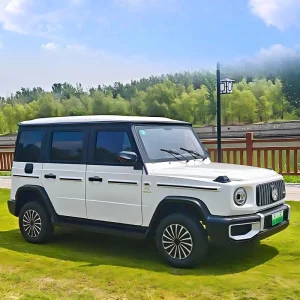
Uzbekistan's Presidential Decree has exempted electric vehicles from customs duties, generating a surge in Chinese EV imports (such as BYD, Wuling, and Geely) and driving the localization of replacement parts.
With localized assembly plants expanding in regions like Jizzakh, automotive procurement managers require direct factory-level support to secure high-volume LED lighting assemblies compatible with localized vehicle variants.
Continental climate extremes (from +45°C summer heat in Tashkent to -20°C winter conditions) combined with dust storms demand superior PMMA lenses, anti-UV coatings, and high-performance sealing standards (IP68+).
As the primary logistical hub of Central Asia, Uzbekistan is witnessing an unprecedented transition toward New Energy Vehicles (NEVs). The government's strategic focus on establishing green transit corridors and offering custom tax reliefs has driven rapid adoption of both passenger EVs and commuter transport buses. For global exporters, this shift demands localized structural modifications to automotive parts. EV headlight systems, as safety-critical modules, must withstand dust particulates from regional windstorms while maintaining steady illumination profiles without overheating. Consequently, factories supplying this market must deliver headlight systems engineered with high thermal dissipation, low power draw to conserve traction battery range, and robust electronic components immune to fluctuating voltage supplies common in regional charging grids.
A deep dive into thermal management, electromagnetic compatibility (EMC), and smart CAN-bus logic integration.
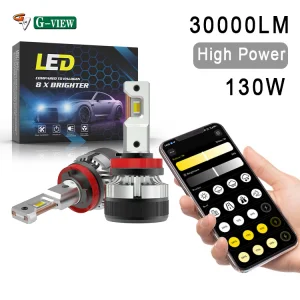
Modern electric vehicles rely on unified controller area networks (CAN-bus) to monitor electronic systems. Standard LED headlight replacements often trigger warning lights or error codes due to resistance variations. Our EV-specific headlight drivers incorporate advanced integrated circuits (ICs) featuring built-in, non-destructive CAN-bus simulators. These modules actively mimic the impedance signatures of original factory bulbs, suppressing electromagnetic interference (EMI) that could otherwise disrupt Advanced Driver Assistance Systems (ADAS), parking sensors, or radar telemetry units.
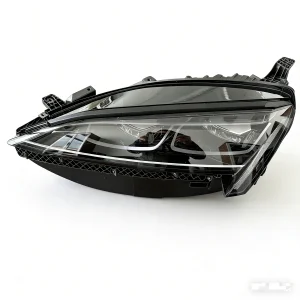
Thermal accumulation is the primary driver of LED luminous decay. Unlike internal combustion engine (ICE) vehicles that rely on airflow through radiator grilles, EVs have closed front fascias, minimizing passive aerodynamic cooling. To solve this, our headlight assemblies deploy a dual-zone cooling framework: red copper heat pipes combined with aviation-grade 6063 aluminum fins and intelligent hydraulic cooling fans. This setup maintains internal junction temperatures below 85°C, ensuring a operating lifespan exceeding 50,000 hours.
Uncontrolled glare poses severe risks to oncoming drivers. Our engineers utilize advanced optical simulations (Zemax software) to refine polycarbonate optical lenses. By creating sharp horizontal cut-off lines for low-beam patterns and focused center-weighted projection zones for high-beams, our systems deliver broad road coverage without blinding oncoming traffic. This meets both the ECE R112 regulations and the localized safety requirements enforced across Central Asia's customs unions.
Our state-of-the-art facilities ensure component consistency, high-throughput delivery, and global standard compliance.
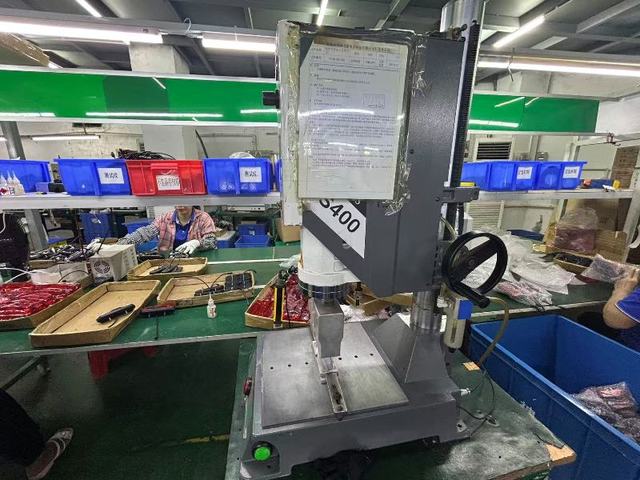
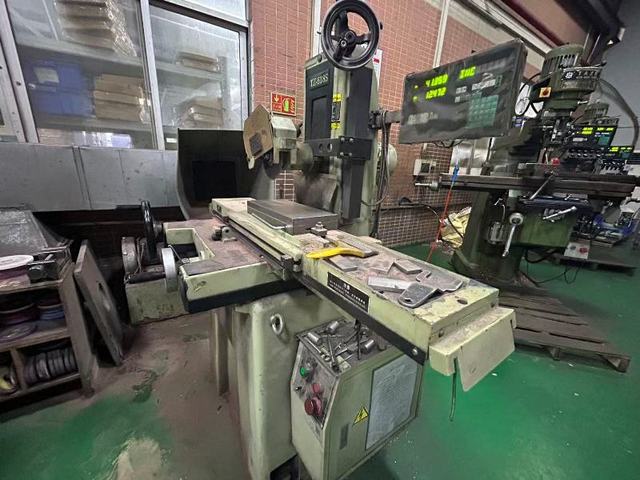
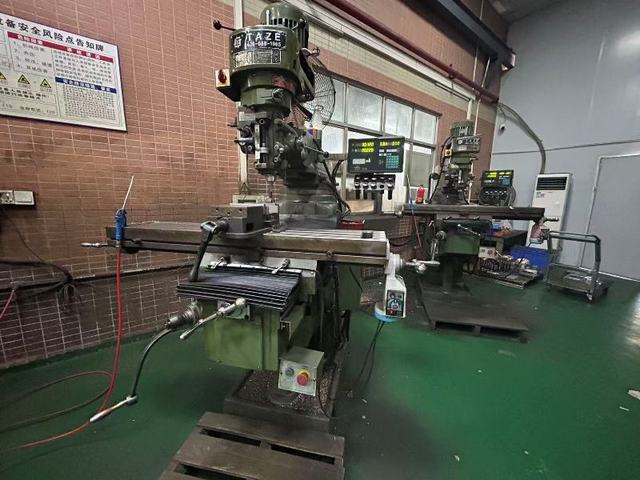
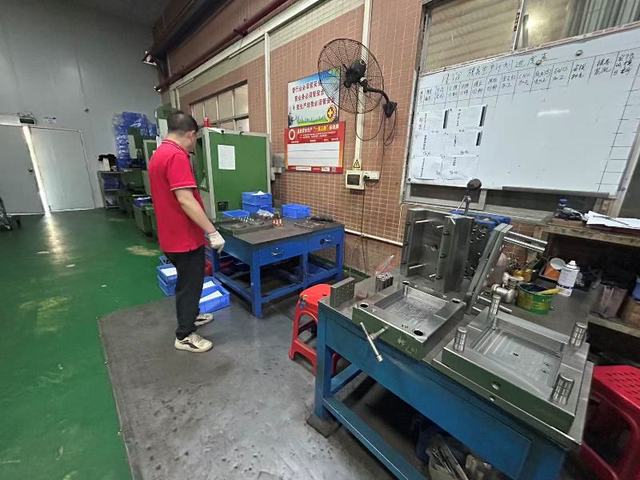
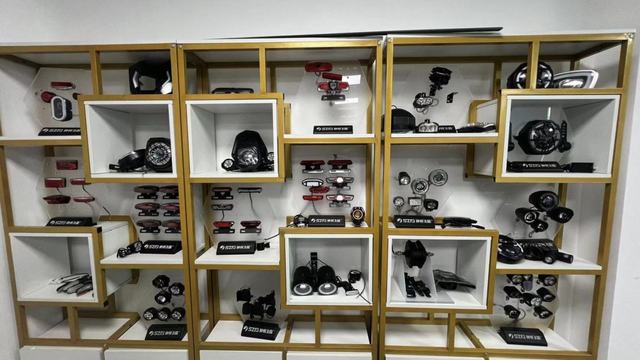
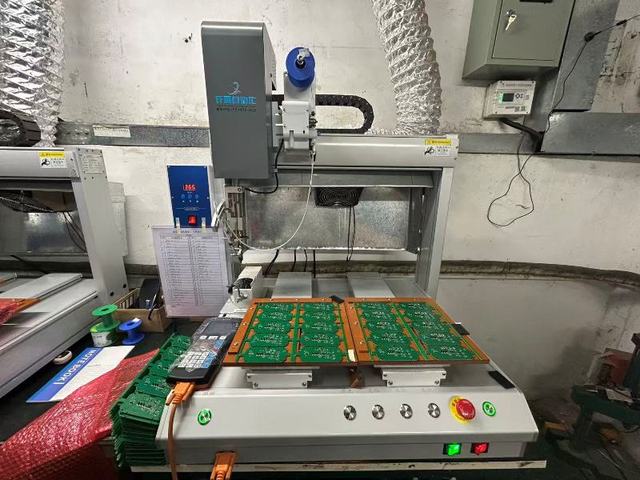
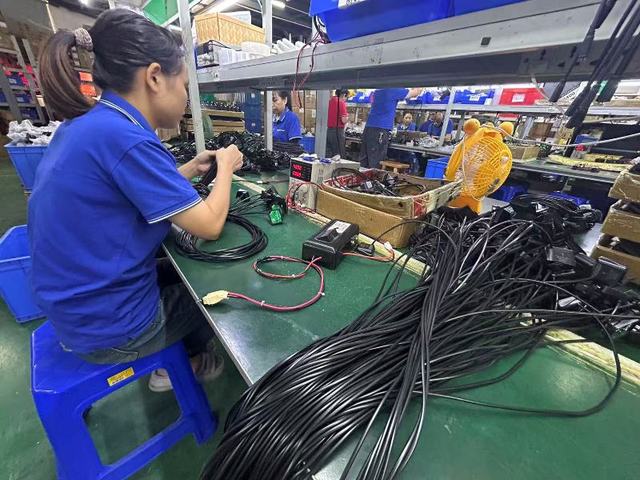
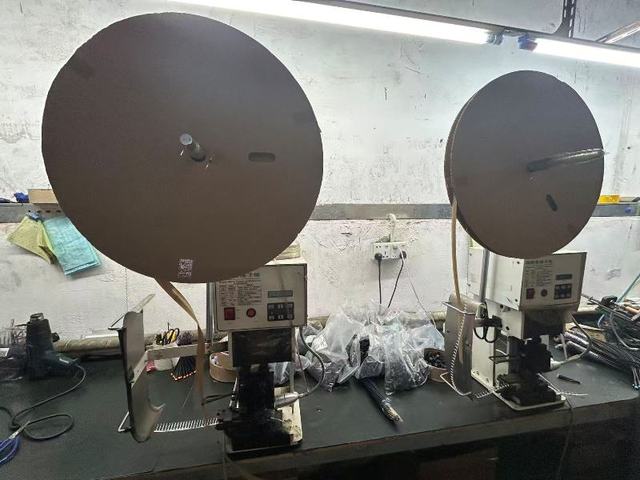
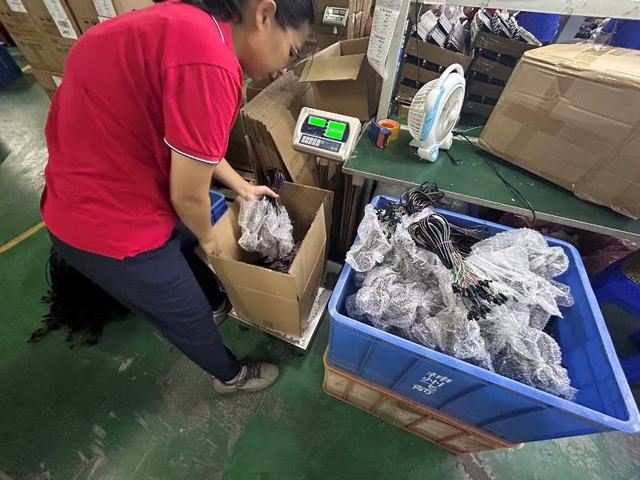
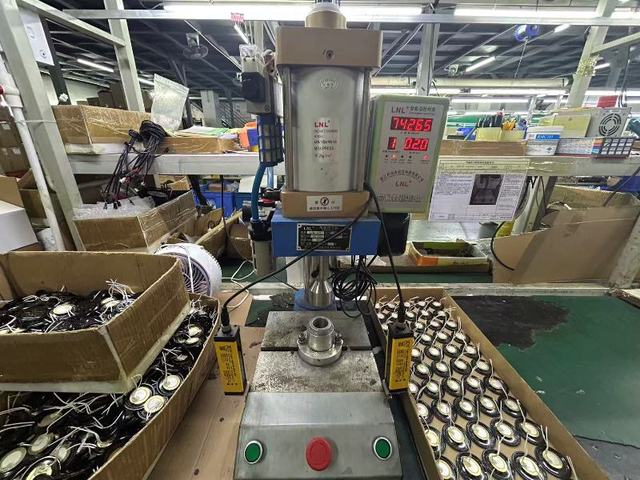
At Hangzhou EV Light Co., Ltd., our production lines operate under ISO 9001:2015 and IATF 16949 quality management protocols. Our dedicated cleanrooms minimize particulate contamination during lens placement and sealing, preventing internal haze or moisture condensation. Each production run undergoes stringent environmental testing, including salt spray exposure, high-amplitude vibration cycles, and thermal shocks from -40°C to +105°C. By implementing end-to-end automated testing, we ensure each exported shipment meets the strict quality metrics expected by global automotive tier-1 suppliers and direct importers.
Strategic directions in advanced optics, safety integration, and material sciences over the next decade.
Adaptive Driving Beam (ADB) systems represent a significant leap in night safety. By coordinating matrix LED arrays with front-facing camera feeds, these systems dim specific light zones around detected vehicles while maintaining maximum high-beam coverage elsewhere. Our technical roadmap aims to make these high-end options accessible for mid-range passenger EVs and commercial transit fleets throughout developing regions, including Central Asia.
For high-speed intercity routes connecting major logistics hubs in Uzbekistan, laser phosphor headlight modules provide exceptional visibility. Generating beam projections exceeding 600 meters with minimal housing volumes, laser optical systems offer vehicle designers unmatched styling flexibility while ensuring high visual clarity across long-distance, unlit highways.
As autonomous driving systems emerge, headlights are transitioning from simple illumination tools into communication channels. Interactive dynamic light patterns can project pedestrian warning signs directly onto the road surface, signal state-of-charge (SoC) metrics while parked at high-power DC chargers, and integrate seamlessly with smart city infrastructure interfaces.
Ensuring smooth transit across regional borders and adherence to intergovernmental safety standards.
Exporting complex electronics to Central Asian countries like Uzbekistan requires strict adherence to regional standards. Our logistics teams handle the necessary steps for customs clearances, including providing fully compliant EAC (Eurasian Conformity) documentation and certificates that align with the technical regulations of the regional customs union. This process prevents costly port delays and guarantees that all vehicle lighting components are fully certified for local assembly lines or aftermarket distribution networks.
Additionally, we work closely with shipping partners across the China-Europe railway networks and regional overland trucking routes. This robust logistics network ensures stable, damage-free transport of sensitive optical equipment from our manufacturing facilities directly to dry-port hubs in Tashkent, Samarkand, and other key industrial cities.
Our complete range of EV lighting components and headlight assemblies engineered for passenger vehicles, agricultural machinery, and micro-mobility fleets.
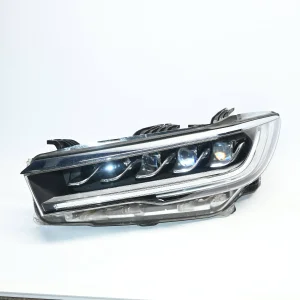
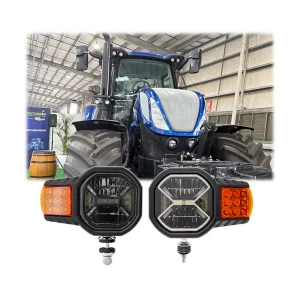
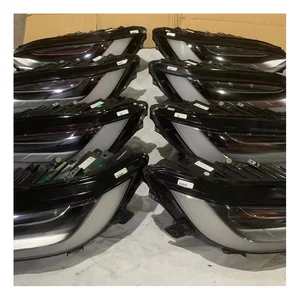
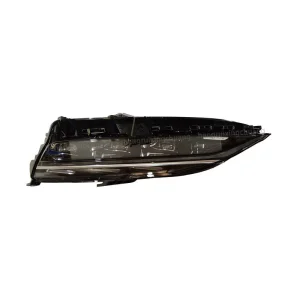
Addressing the technical, operational, and regulatory considerations for automotive importers and fleet managers.
Get detailed pricing, request custom prototype designs, and secure high-volume supply allocations for the Uzbekistan and regional Central Asian markets.
Send Inquiry Now EV Light