High-efficiency, E-mark compliant headlight assemblies optimized for Northern & Western European urban driving conditions.
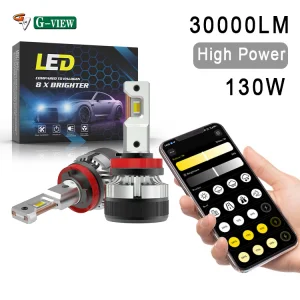
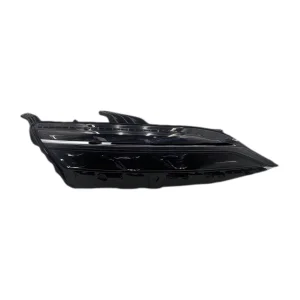
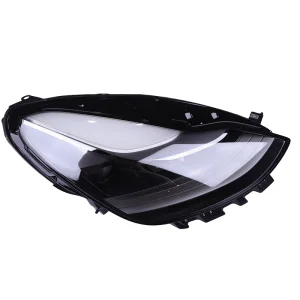
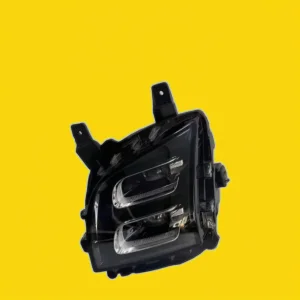
The city of Paris and the surrounding Île-de-France region are currently at the global forefront of urban decarbonization and smart mobility transitions. Initiated under aggressive metropolitan clean-air directives—such as the expansion of the Low Emission Zone (LEZ or Zone à Faibles Émissions - ZFE) and the mandate to phase out diesel vehicles—municipal passenger fleets, taxi networks, and commercial logistics hubs are rapidly converting to 100% Battery Electric Vehicles (BEVs). This regulatory push has created an unprecedented surge in demand for specialized automotive replacement components, particularly high-efficiency, long-lifespan EV Headlight Systems.
Unlike traditional internal combustion engine (ICE) vehicles, electric vehicles require lighting systems that operate on highly optimized energy budgets. In cold winter climates typical of northern France, where battery capacity is already constrained by low operating temperatures, minimizing the parasitic power consumption of peripheral systems becomes a primary vehicle-engineering objective. Premium LED headlight assemblies consume up to 60% less energy than standard halogen systems, translating directly into preserved driving range. Furthermore, the congested urban design of Paris requires highly controlled, anti-glare photometrics (such as sharp horizontal cut-off lines) to protect pedestrians, cyclists, and oncoming micro-mobility users, adhering strictly to UNECE Regulations 149.
For procurement directors, OEM tier-one suppliers, and fleet maintenance contractors operating out of logistics hubs like Rungis and Marne-la-Vallée, the acquisition of automotive-grade lighting components involves navigating complex risk-mitigation channels. Key considerations include:
Full conformance to UNECE parameters, featuring precise light distribution vectors and E-Mark authorization for legal deployment across the EU.
Integrated intelligent temperature compensation circuits and localized CAN-bus transceivers prevent error warnings and flickering.
Tested for extreme thermal cycles and constant humidity levels matching standard Île-de-France winter precipitation patterns.
The paradigm shift in automotive design triggered by electrification is directly impacting the architectural layout of front-end automotive lighting. Traditionally, headlamps were stand-alone illumination enclosures. Today, they are complex optoelectronic modules that integrate directly into the vehicle's thermal, aerodynamic, and electronic control ecosystems. We identify four primary drivers defining our ongoing product development pipeline:
| Technology Phase | Core Components | System Power Limit | ADAS / Network Integration |
|---|---|---|---|
| High-Efficiency Static LED | High-Power InGaN Emitters, Passive Aluminum Sinks | 35W - 45W | Standard Relay / Analog switching |
| Matrix & Dynamic LED | Multi-Zone Driver ICs, Optic Lightguides | 25W - 35W | LIN-bus diagnostic reporting, Auto-leveling |
| Adaptive Driving Beam (ADB) | Micro-LED Arrays, ToF Camera Sensor Inputs | 20W - 28W | Real-time CAN-FD tracking, anti-glare blanking |
| Integrated Front-End Systems | Co-packaged LiDAR, Pixels projection, RGB DRL | 15W - 22W | Autonomous driving platform synchronization |
By shifting to advanced thermodynamic structures—including double-sided copper clad laminate PCBs and miniature heat pipes—our engineering division has successfully minimized the dimensional footprint of the driver assemblies while increasing light emission stability at higher operating ambient temperatures. This makes our headlight systems highly suitable for the compact engine compartments of next-generation electric city cars and electric light commercial vehicles (eLCVs) running multi-shift delivery cycles in Paris.
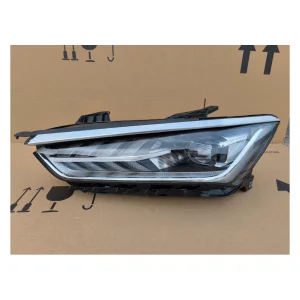
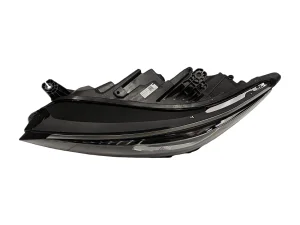
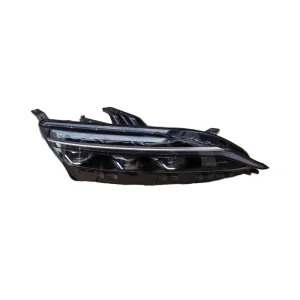
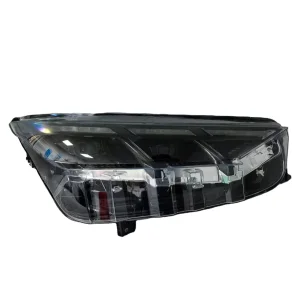
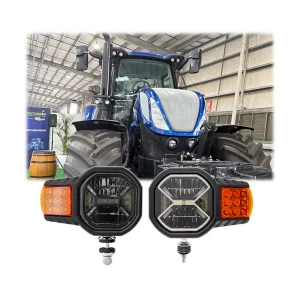
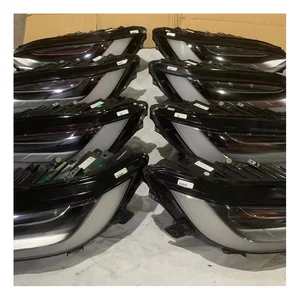
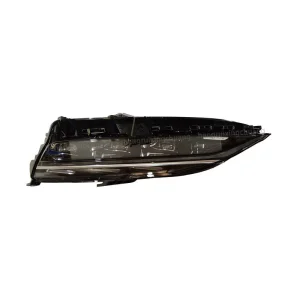
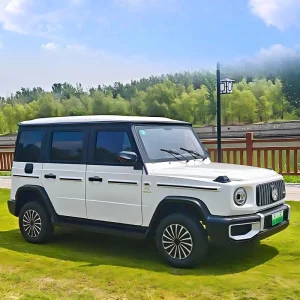
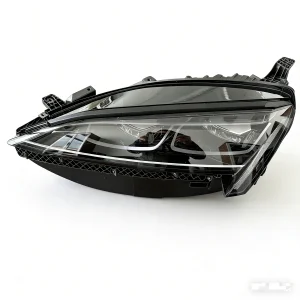
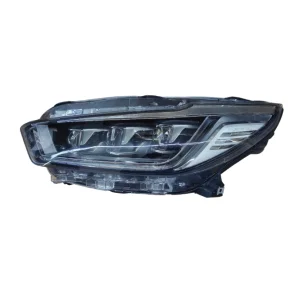
Optimized replacement kits designed to meet strict optical dispersion parameters for modern EV passenger platforms.
Hangzhou EV Light Co., Ltd. is a professional China electric vehicle lighting manufacturer specializing in EV LED lighting and smart automotive lighting solutions for the rapidly evolving new energy vehicle industry. With a strong commitment to innovation, performance, and reliability, we provide advanced lighting technologies that enhance vehicle safety, energy efficiency, functionality, and visual appeal.
Our product portfolio includes EV headlight systems, taillight assemblies, daytime running lights, signal lighting, interior ambient lighting, charging status indicators, smart lighting modules, and customized automotive lighting solutions. Designed to meet the requirements of modern electric vehicles, our products are widely used in passenger EVs, commercial electric vehicles, electric buses, electric motorcycles, electric scooters, and emerging smart mobility applications.
At Hangzhou EV Light, we combine advanced engineering expertise with modern manufacturing capabilities to develop lighting solutions that deliver superior brightness, durability, and energy efficiency. Our experienced research and development team continuously explores new technologies in intelligent lighting control, adaptive lighting systems, LED integration, and automotive electronics to support the future of electric transportation.
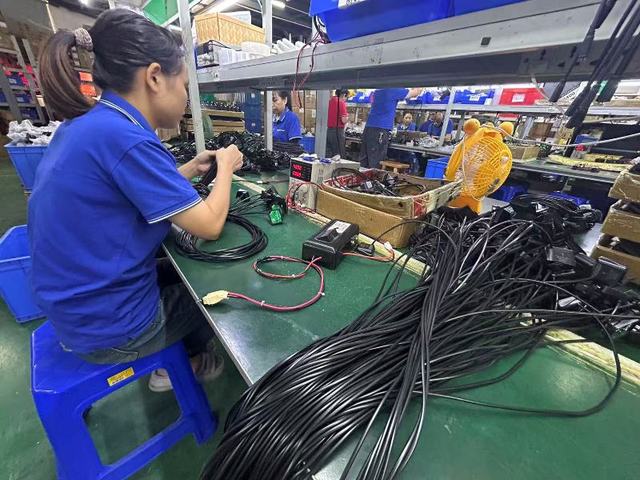
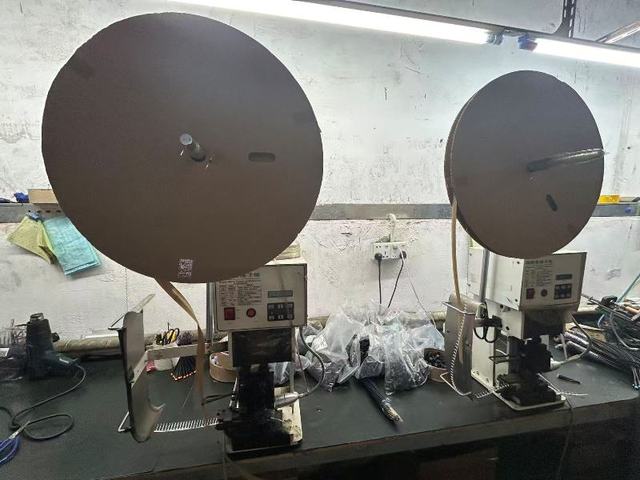
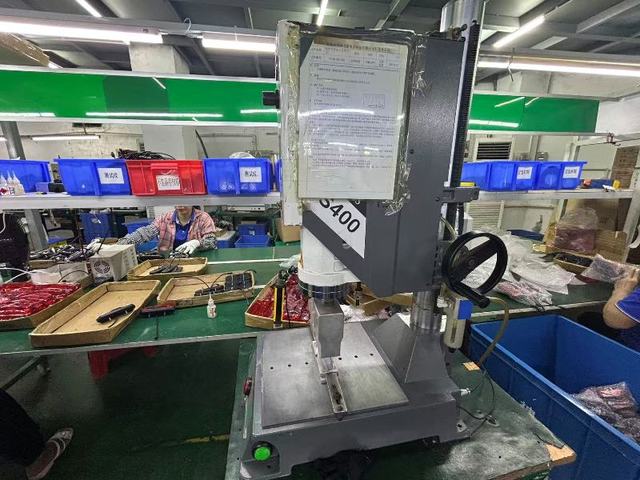
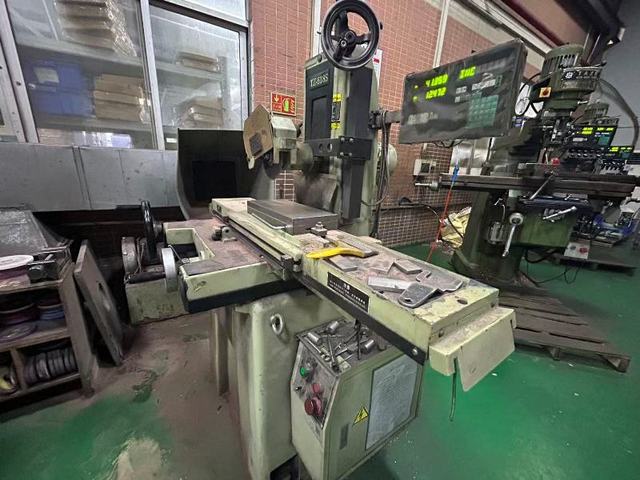
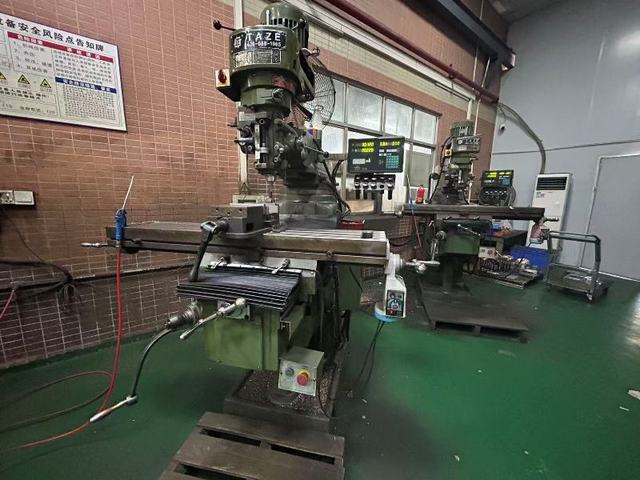
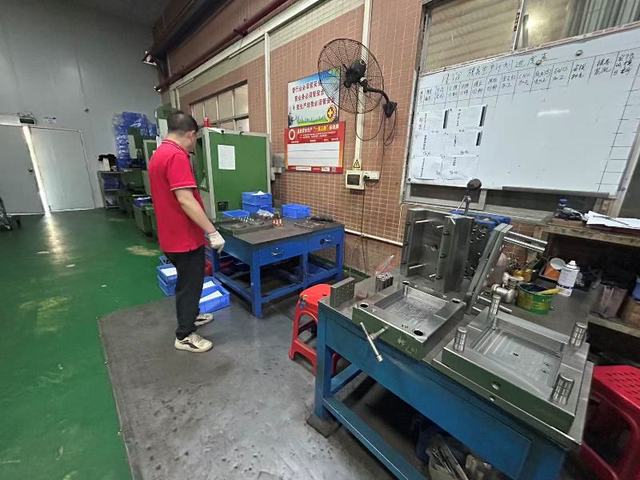
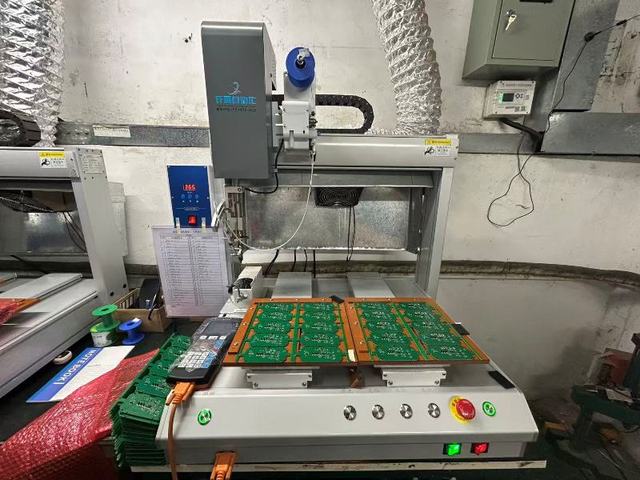
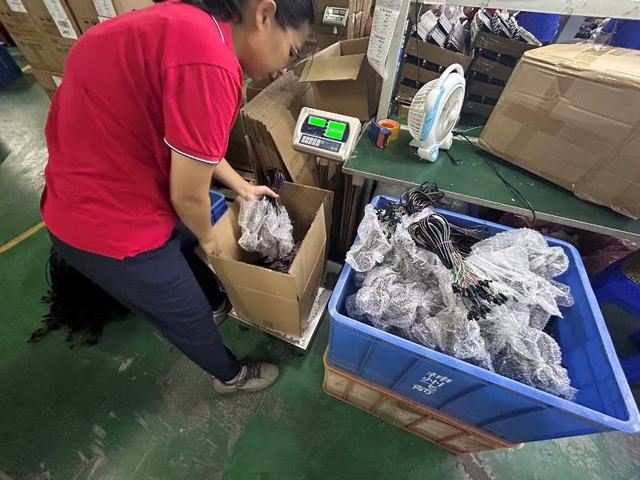
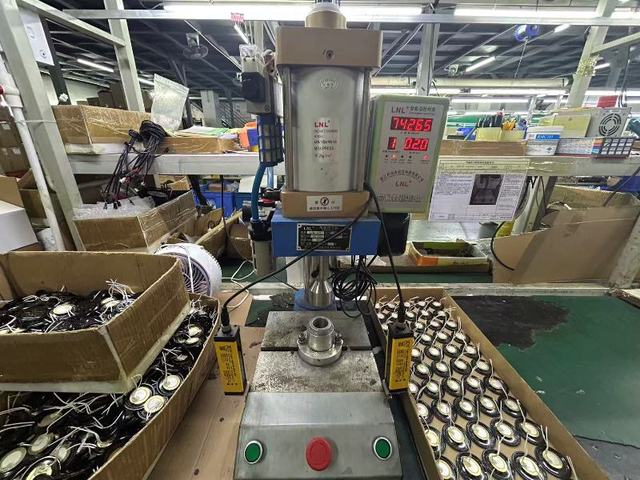
Quality is at the core of our operations. From component sourcing and product development to production and final testing, every stage follows strict quality management procedures to ensure consistent performance and compliance with international automotive standards. Our manufacturing facility is equipped with advanced production and testing equipment, enabling us to provide reliable products for demanding automotive environments.
We offer comprehensive OEM and ODM services for vehicle manufacturers, automotive suppliers, distributors, and mobility brands worldwide. Whether customers require customized designs, private-label production, or large-scale manufacturing, our flexible production capabilities support projects of various sizes and specifications.
Serving clients across North America, Europe, Southeast Asia, the Middle East, and other global markets, Hangzhou EV Light Co., Ltd. is dedicated to delivering innovative electric vehicle lighting solutions that contribute to safer, smarter, and more sustainable transportation. Our mission is to become a trusted global partner in advanced automotive lighting technology and smart mobility innovation.
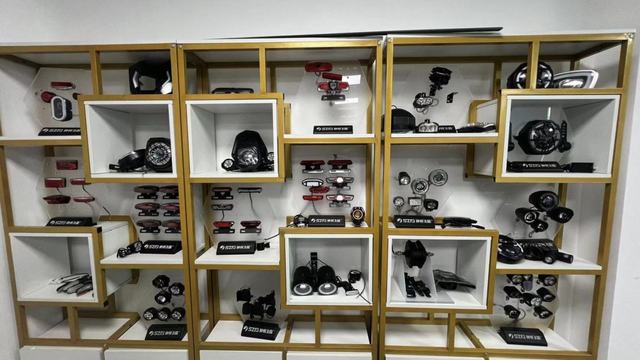
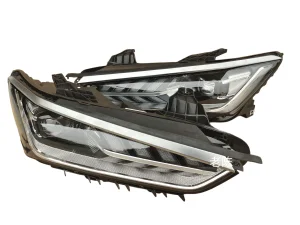
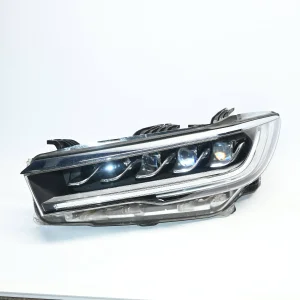
Comprehensive product listing featuring replacement systems optimized for fleets operating under West-European guidelines.
Answers to critical integration, certification, and mechanical questions for sourcing engineers.
Our products undergo strict testing in authorized testing facilities in cooperation with EU type-approval authorities (such as the TÜV or UTAC). The E-Mark registration code is laser-etched onto the polycarbonate housing. We provide the corresponding ECE R149 certificates of conformity upon request to support rapid customs clearing at Le Havre or CDG Airport.
Our systems conform to CISPR 25 Class 5 standards, which regulate electromagnetic emissions inside vehicles. This ensures that the high-frequency switching frequency of our LED constant-current drivers does not create interference with the vehicle's telemetry modules, radar sensors, or digital AM/FM/DAB radio signals.
For critical applications, we utilize solid-state passive cooling designs featuring high-conductivity aluminum alloys and vacuum-sealed copper heat pipes. These structures conduct heat away from the LED dies to the rear heat sink ribs, where it is dissipated by convection. Eliminating physical cooling fans lowers current draw, reduces physical size, and eliminates a mechanical failure point.
Yes, our engineering center specializes in custom optical paths and housing tooling. Using CAD and photometric ray-tracing software, we can mock, build prototype modules, and run full climatic simulation tests before committing to large-scale injection molding runs.
For standard replacement catalog items, MOQs start at 50 sets. Custom ODM tooling runs have varying MOQs depending on design complexity. Typical maritime transit from Ningbo/Shanghai port to Le Havre is 30–35 days, while air shipment for urgent fleet parts requires 5–7 working days.
 EV Light