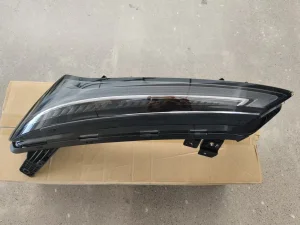
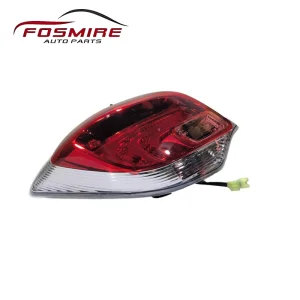
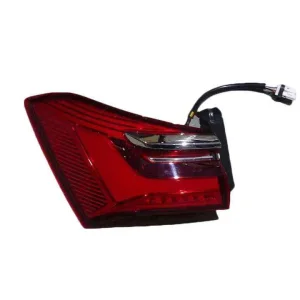
Premium original automotive replacement and OEM assemblies, optimized for high durability, advanced active safety integrations, and rapid compatibility validations in South Korea.
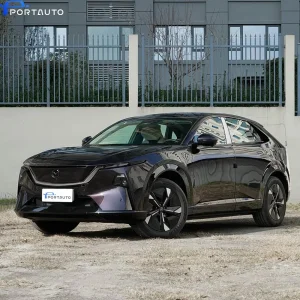
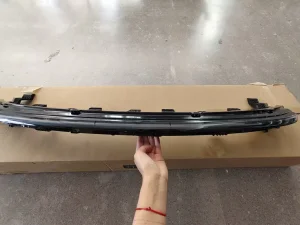
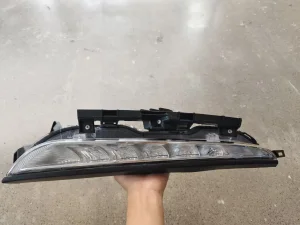
A comprehensive research-based whitepaper outlining the regulatory frameworks, technical roadmaps, and micro-climate demands of the South Korean electric mobility industry.
As the metropolitan capital of South Korea, Seoul is rapidly converting its transport infrastructures into intelligent zero-emission networks. Supported by the city's "Eco-Friendly Public Transport & Fleet Plan" and nationwide K-EV100 initiatives, Seoul is targeting the replacement of logistics fleets, corporate vehicles, and public buses with battery electric vehicles (BEVs) and hydrogen fuel cell electric vehicles (FCEVs). This aggressive transition requires high-durability auto parts capable of integrating into local telematics and active safety architectures.
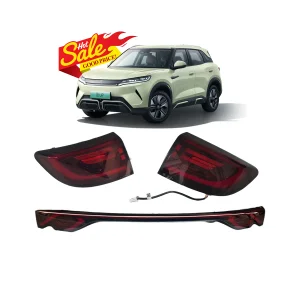
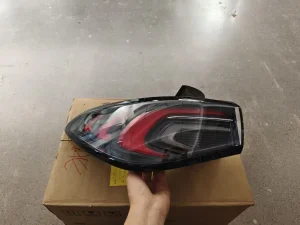
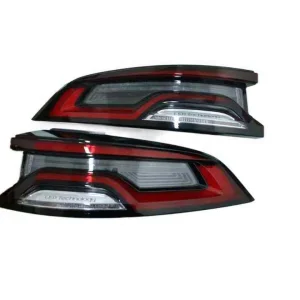
Hangzhou EV Light Co., Ltd. addresses this shifting environment by supplying tailored EV Taillight Systems and front/rear position lamp solutions designed to align with South Korean Tier-1 auto-motive engineering standards. Our high-performance LED solutions deliver unmatched reliability in urban stop-and-go environments typical of Seoul’s heavily congested arterial roadways.
Modern electric vehicles in South Korea are no longer utilizing passive lighting fixtures. The rise of L2+ Advanced Driver Assistance Systems (ADAS) and OTA-updatable central compute platforms demands that the lighting arrays act as interactive display surfaces and digital signaling hubs. From dynamic welcome animations to emergency brake pulsing sequences linked to vehicle telematics, the electronic components must communicate directly with the vehicle's body control module (BCM) via high-speed Controller Area Network (CAN) or Local Interconnect Network (LIN) bus interfaces.
This integration is crucial because:
• Adaptive Warnings: Instantly alerts approaching vehicles when autonomous driving systems perform sudden corrective maneuvers.
• Low Power Consumption: Crucial for maintaining the driving range of battery electric platforms where every watt-hour counts.
• High Optical Purity: Delivers precise light-guiding paths that reduce visual fatigue for urban drivers during nightly commutes.
| Performance Parameters | Standard Technical Specifications | Hangzhou EV Light Optimization Level |
|---|---|---|
| System Communication | Standard LIN Bus 2.1 / CAN-FD Compatible | Fully integrated active feedback and diagnostic channels |
| IP Waterproof Rating | IP67 Minimum Required | IP68 & IP69K certified Hermetic Ultrasonic Sealing |
| Thermal Dissipation | Passive Alum-Alloy Heat Sink | Advanced thermo-conductive engineering with integrated breathing valves |
| Operating Temp Range | -40°C to +85°C | -40°C to +105°C (Optimized for severe winter conditions in Gangwon & Seoul) |
| Optical Lifespan | 30,000 Hours (Standard LED) | > 50,000 Hours utilizing Grade-A Osram/Samsung core LEDs |
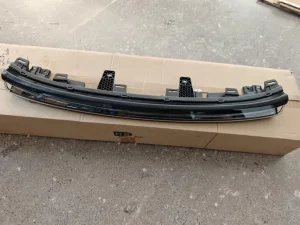
Premium OEM solutions featuring high-lumen optical components, precision LED distribution, and tailored fitments designed for advanced electric drivetrains.
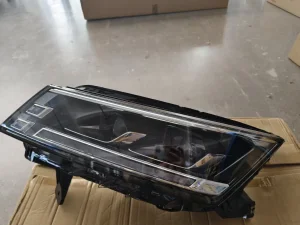
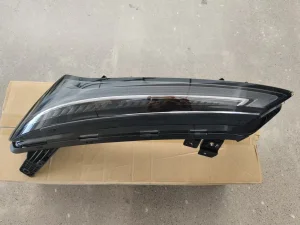
Detailing our specialized manufacturing controls, material choices, and regulatory compliance paths that ensure zero-friction importing into South Korea.
We proactively manage compliance certifications required for Korean entry, including Korea Certification (KC) marks for electrical sub-assemblies and strict adherence to local environmental laws (K-REACH).
Through our comprehensive OEM/ODM workflow, we translate CAD mockups and photometric simulations (using SPEOS/Zemax tools) into high-fidelity physical tooling, with PPAP Level 3 documentation available.
Seoul experiences substantial seasonal temperature fluctuations. Our optical housings utilize customized UV-stabilized polycarbonates and specialized silicone sealing gaskets to prevent yellowing and internal condensation.
Understanding the strict logistics schedules of Tier-1 assemblers in Korea (such as those located within the Gyeonggi-do clusters around Seoul), we offer streamlined FOB, CIF, or DDU channels directly servicing major entry ports including Incheon and Busan. Our production schedules are optimized through ERP-driven material planning, minimizing lead times to as low as 4-6 weeks for large-volume customized orders.
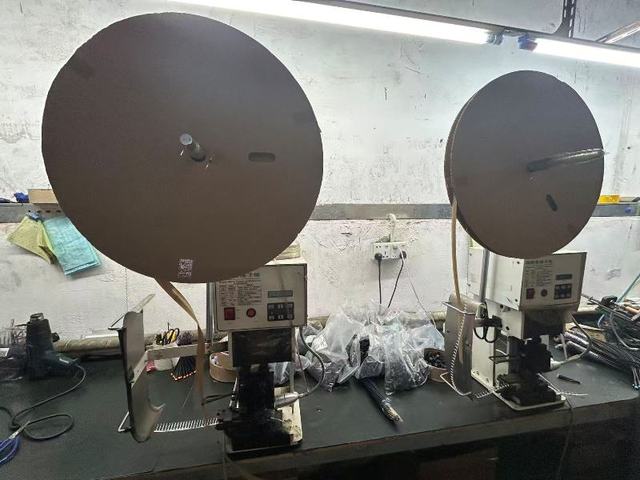
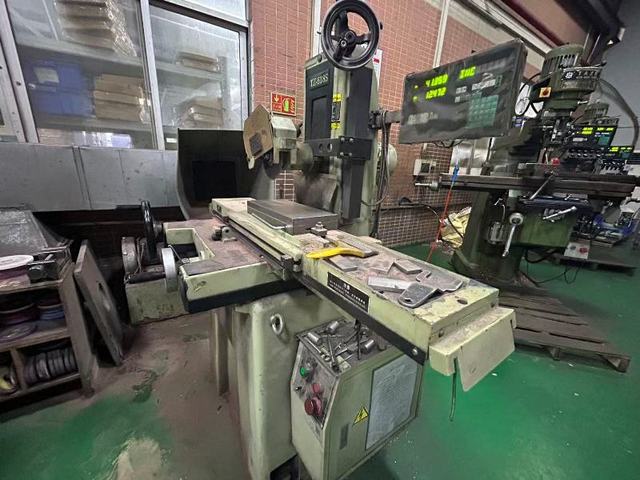
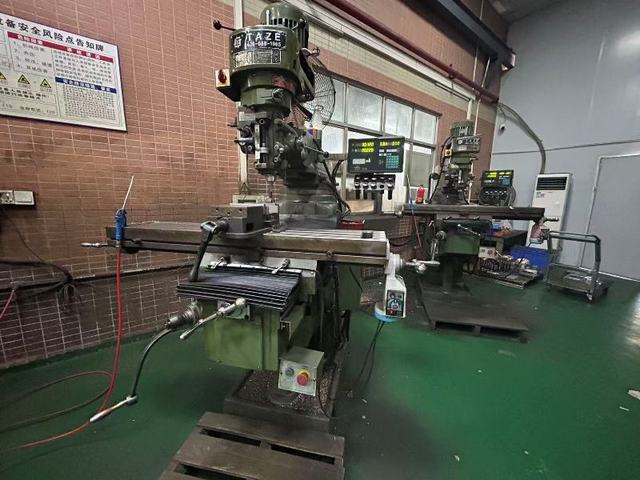
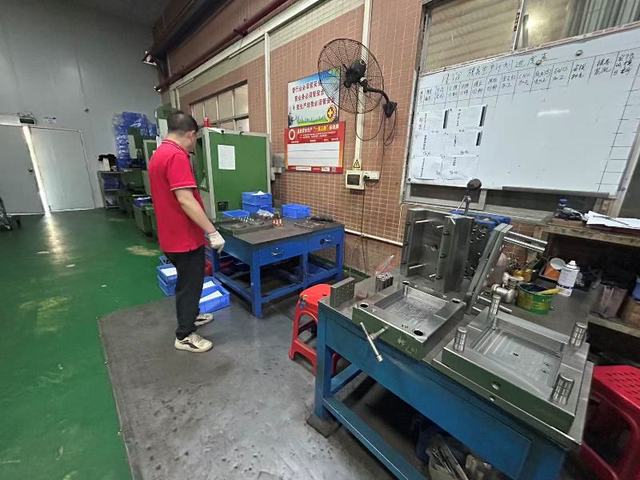
Whether you require customized private-label light guides or high-volume standard OE-replacement parts, our production facilities in Hangzhou utilize German-engineered injection molding machines and automated optical robotic assembly cells. This integration guarantees consistent quality levels and maintains a PPM defect rate well below target automotive thresholds.
Exploring the next technological milestones in automotive lighting, from mini-LED displays to vehicle-to-everything (V2X) visual displays.
We are currently developing ultra-thin matrix panels that allow rear light systems to display warning symbols, road conditions, or charging statuses directly to following traffic. This feature is particularly valuable in Seoul's smart city environment, where intelligent road networks constantly interact with local vehicles.
Aligning with ESG criteria established by top-tier automotive brands in Korea and Europe, Hangzhou EV Light is researching bioplastics derived from non-food agricultural raw materials to replace traditional PC and PMMA housings, lowering the manufacturing carbon footprint by up to 35%.
Key technical and procurement details to assist purchasing managers, sourcing engineers, and distribution partners in Seoul.
Yes. Our engineering department can adapt the CAN or LIN transceiver firmware inside our smart lighting assemblies to match custom BCM specifications. We provide complete validation reports detailing CAN-FD communication reliability, signal timings, and diagnostic code compliance before dispatch.
Our manufacturing facilities operate strictly under the IATF 16949:2016 automotive quality management system. Each production lot undergoes extensive quality checks, including automated optical inspections (AOI), color coordinates verification, high-pressure waterproofing tests, and thermal cycling chambers to verify extreme weather performance.
Most bulk shipments are dispatched from Ningbo or Shanghai ports, reaching Incheon Port within 2 to 4 days of sea freight. For high-priority projects or pre-production sample deliveries, we utilize air transport via Gimpo or Incheon Airport, reducing shipping times down to 24-48 hours from our factory gate.
Yes. We strictly control our upstream supply chains to ensure all components—including PCBs, LEDs, plastic resins, and solder alloys—are lead-free and conform to the Korean Act on Resource Circulation of Electrical and Electronic Equipment and Vehicles, corresponding to the global RoHS/REACH frameworks.
Yes. We offer complete OEM and ODM services. We sign non-disclosure agreements (NDAs) to protect your proprietary designs and can deliver customized outer packaging, private-label stampings, and customized optical distributions. Tooling cycles range from 35 to 55 days depending on the assembly complexity.
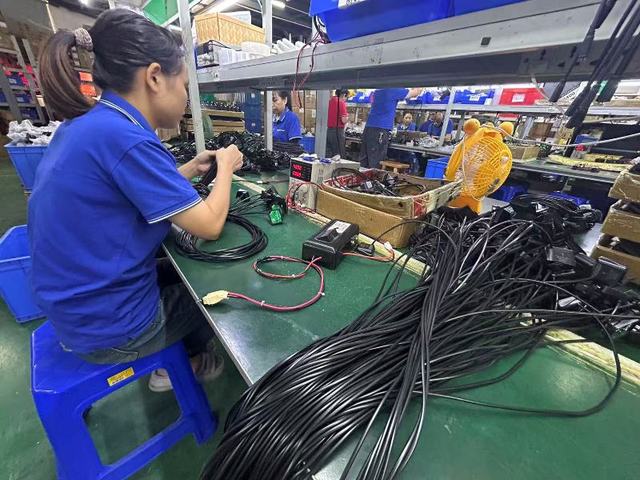
A look inside our state-of-the-art production lines, assembly bays, and quality control divisions ensuring elite performance for every component exported to Seoul.
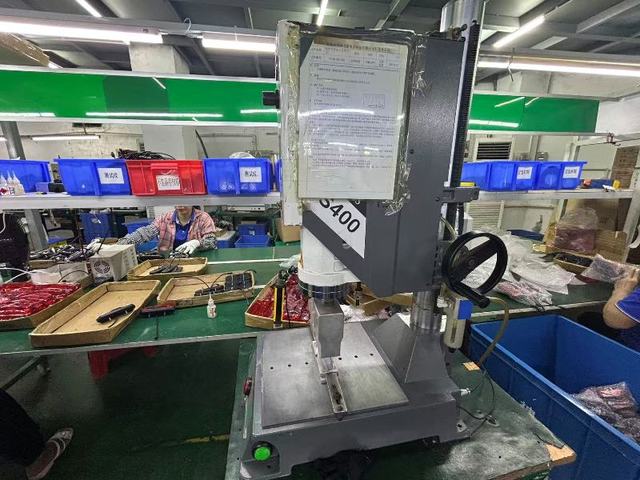
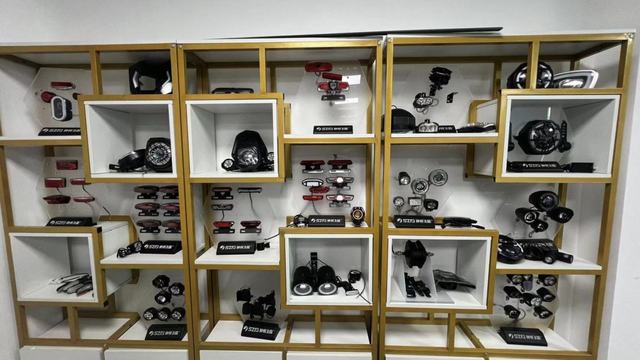
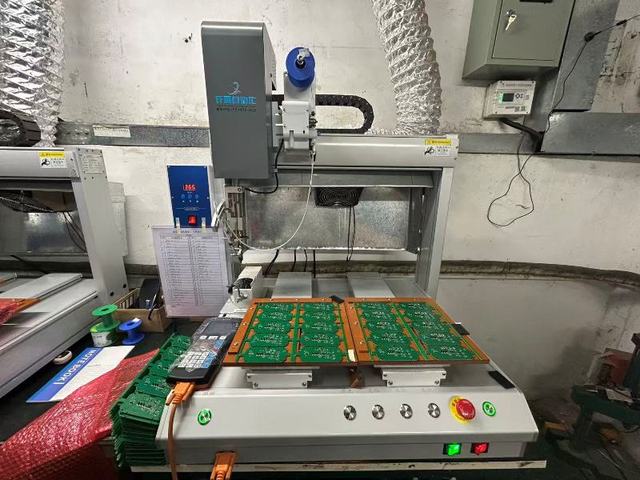
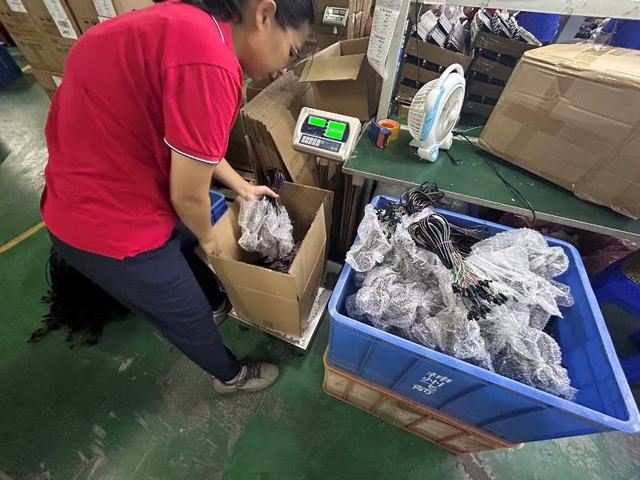
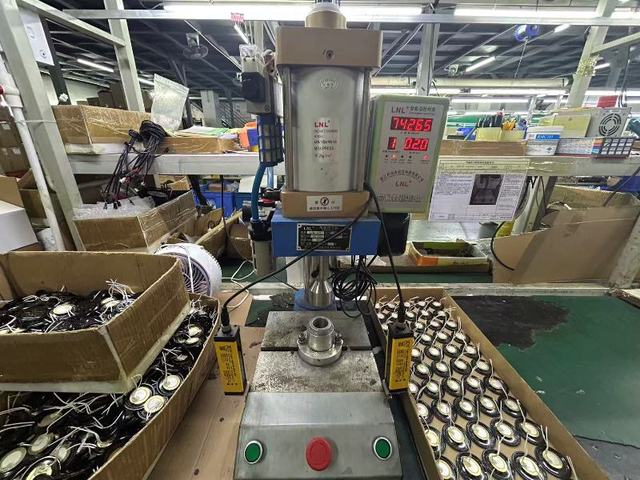
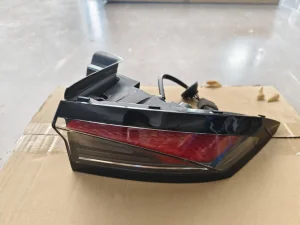
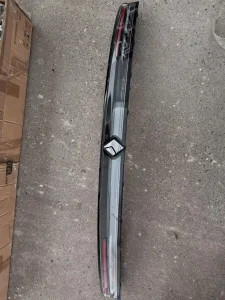
Explore our highly-requested automotive wire harnesses, rear light assemblies, and high-lumen OEM replacement lines. Precision fitment and lasting performance guaranteed.
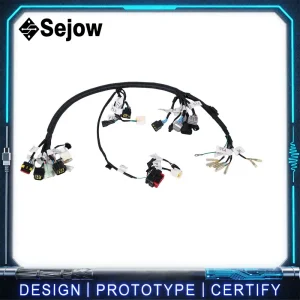
Partner with Hangzhou EV Light Co., Ltd. to access high-quality smart automotive lighting assemblies designed to thrive in South Korea's demanding mobility landscapes. Let our technical representatives walk you through our product certifications, logistics routes, and ODM processes.
 EV Light