Premium grade headlights, taillight components, and active safety assemblies optimized for San Francisco fleet and vehicle architectures.
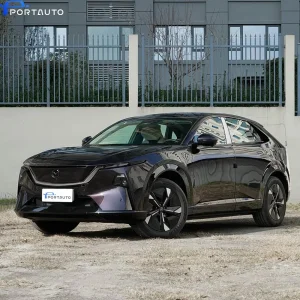
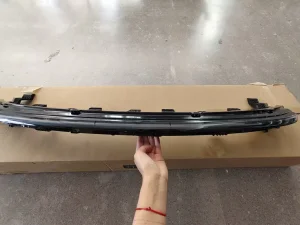
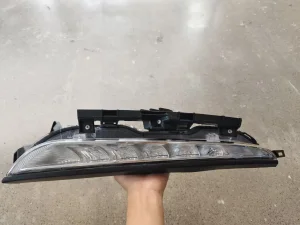
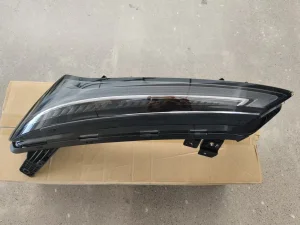
The San Francisco Bay Area and Silicon Valley serve as the global epicenter for Electric Vehicle (EV) research, Autonomous Driving System (ADS) integration, and software-defined mobility networks. Unlike conventional municipal markets, San Francisco's local automotive sector is characterized by pioneering autonomous shuttle operators, robotaxi networks (such as Waymo and Zoox), and tech-driven delivery fleets that operate 24/7 across intense urban topographies.
For these applications, automotive lighting goes far beyond basic visibility. EV taillights in Northern California must be integrated into the vehicles' central controller architectures, operating in perfect harmony with LiDAR, radar, and HD camera sweeps. Electromagnetic Interference (EMI) shielding and compliance with rigorous Federal Motor Vehicle Safety Standards (FMVSS 108) are mandatory to ensure that sensor perception is not compromised during dynamic lighting transitions.
"Northern California demands zero-tolerance safety and high-fidelity smart vehicle interfaces. Taillight assemblies must be engineered not only to meet strict NHTSA guidelines but to actively communicate vehicle status, deceleration profiles, and autonomous modes to pedestrians and surrounding sensors."
Additionally, San Francisco's unique maritime microclimate—marked by dense salt-laden fog (known locally as Karl the Fog) and drastic temperature fluctuations between the oceanfront and inland valleys—imposes severe physical demands on exterior automotive enclosures. Condensation prevention, high-grade IP67/IP69K sealing, and UV-resistant polycarbonates are crucial metrics when sourcing EV taillights for the San Francisco market.
On a global scale, the automotive exterior lighting industry is undergoing a structural paradigm shift. The conventional incandescent bulb has been entirely phased out in new EV designs, replaced by Solid-State LED and OLED matrices. These technologies provide exceptional luminous efficiency (lm/W), helping conserve battery charge to maximize driving range—a major selling point for passenger and utility EVs alike.
Key technological drivers in the global EV taillight domain include:
1. Surface Mount Device (SMD) LED Arrays: Offering high lumen output, precise optical control, and extremely low packaging depth.
2. Light Guide Technology: Providing homogeneous light distribution across wide horizontal vehicle bands, creating the iconic continuous tail-lamp strip seen on premium EVs.
3. Dynamic Sequential Indicators: Advancing driver warning times through sequential animations controlled by local LIN/CAN bus controllers.
4. Advanced Driver Assistance Systems (ADAS) Integration: Smart taillights that flashing dynamically during emergency braking or lane-change maneuvers to reduce rear-end collision probability.
How Hangzhou EV Light Co., Ltd. optimizes value, quality, and supply chains for Bay Area OEMs and global buyers.
Hangzhou EV Light Co., Ltd. is a professional China electric vehicle lighting manufacturer specializing in EV LED lighting and smart automotive lighting solutions for the rapidly evolving new energy vehicle industry. With a strong commitment to innovation, performance, and reliability, we provide advanced lighting technologies that enhance vehicle safety, energy efficiency, functionality, and visual appeal.
Our product portfolio includes EV headlight systems, taillight assemblies, daytime running lights, signal lighting, interior ambient lighting, charging status indicators, smart lighting modules, and customized automotive lighting solutions. Designed to meet the requirements of modern electric vehicles, our products are widely used in passenger EVs, commercial electric vehicles, electric buses, electric motorcycles, electric scooters, and emerging smart mobility applications.
At Hangzhou EV Light, we combine advanced engineering expertise with modern manufacturing capabilities to deliver superior brightness, durability, and energy efficiency. Our experienced research and development team continuously explores new technologies in intelligent lighting control, adaptive lighting systems, LED integration, and automotive electronics to support the future of electric transportation.
China's automotive component ecosystem offers unparalleled speed-to-market. By leveraging the highly consolidated manufacturing cluster of Eastern China, we can complete tooling design, photometric simulation (using advanced optical software), prototype creation via 3D printing or soft tooling, and final injection molding validation in a fraction of the time required by domestic Western suppliers. This rapid prototyping cycle is highly beneficial for Silicon Valley mobility startups working on tight development cycles.
Quality is at the core of our operations. From component sourcing and product development to production and final testing, every stage follows strict quality management procedures to ensure consistent performance and compliance with international automotive standards. Our manufacturing facility is equipped with advanced production and testing equipment, enabling us to provide reliable products for demanding automotive environments.
Our testing facilities include goniophotometers for precise spatial distribution measurements, environmental chambers for high-humidity and thermal shock tests, and vibration tables to simulate the physical stresses of municipal transport. We offer comprehensive OEM and ODM services for vehicle manufacturers, automotive suppliers, distributors, and mobility brands worldwide. Whether customers require customized designs, private-label production, or large-scale manufacturing, our flexible production capabilities support projects of various sizes and specifications.
Engineering taillights that thrive in San Francisco's specific environmental and operational landscape.
San Francisco's marine layer regularly reduces visibility to under 100 feet on routes like the Golden Gate Bridge and the Presidio. Standard taillights can appear blurred or dim. Our customized EV taillight solutions utilize High-Flux density LEDs coupled with specialized colimating lenses. This architecture ensures high-intensity rear-fog signaling that penetrates heavy condensation without scattering light back into the driver's eyes, meeting both SAE and ECE requirements.
San Francisco's unique urban terrain, from the steep inclines of Nob Hill to aging asphalt and historical cable car tracks, exposes vehicle chassis to high-frequency shocks and vibrations. Standard solder joints on LED boards can develop micro-cracks over time under these conditions. Our taillight housings are constructed using vibration-welded PMMA/ABS and potting resins to protect driver electronics from mechanical stress and solder fatigue.
With hundreds of autonomous vehicles testing and operating in San Francisco daily, the interaction between vehicle lighting and LiDAR/HD camera systems is critical. Standard LED driver circuits use Pulse Width Modulation (PWM) frequencies that can cause flickering when captured by rolling-shutter cameras, or emit electromagnetic noise that interferes with LiDAR arrays. Our advanced CAN/LIN-compatible driver boards feature high-frequency DC-DC converters that eliminate visible and sensor-detectable flicker, guaranteeing clean operation within AV-dense environments.
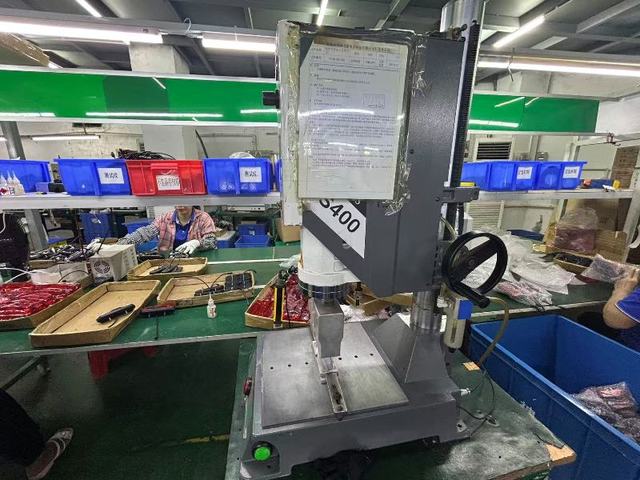
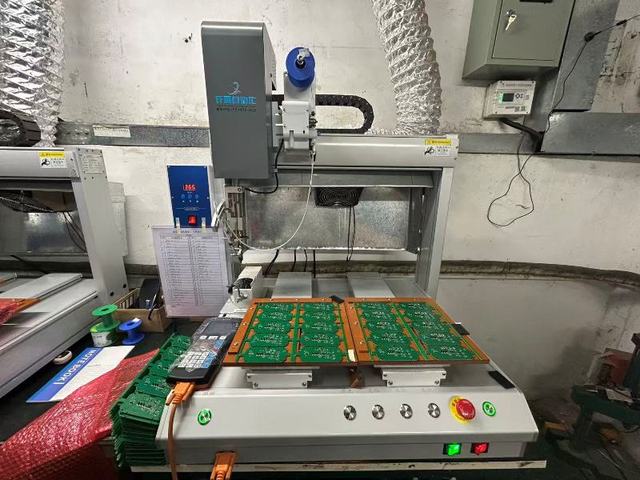
Proximity to the Pacific Ocean means that the air in San Francisco contains high concentrations of chloride ions, which accelerate the oxidation of metal contacts and electronic traces. Hangzhou EV Light employs automated silicon dispensing and ultra-sonic welding techniques to achieve IP67/IP69K sealing ratings, completely isolating internal circuitry from external salt-spray and moisture ingress.
Navigating quality control, regulatory compliance, and distribution timelines for Tier-1 automotive sourcing.
For procurement officers in major automotive manufacturing hubs and tech startups, selecting an EV taillight manufacturer involves a multi-stage validation process. From initial RFQ (Request for Quote) to the final PPAP (Production Part Approval Process), every milestone must adhere to strict quality-gate procedures.
Our operational framework is designed to align with global procurement systems:
Our logistics and supply chain systems are optimized for modern manufacturing setups. We offer flexible shipping arrangements, including DAP and DDP options directly to warehouses in the Bay Area, ensuring seamless delivery for manufacturing plants and assembly lines in California.
Through our established relationships with global shipping companies and local custom brokers in San Francisco, Oakland, and Los Angeles, we ensure consistent transit times, transparent tariff handling, and secure protective packaging for optical components.
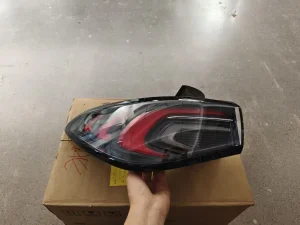
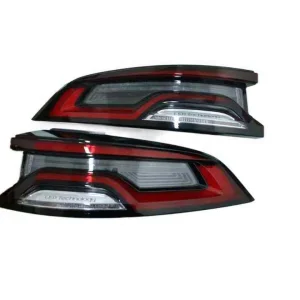
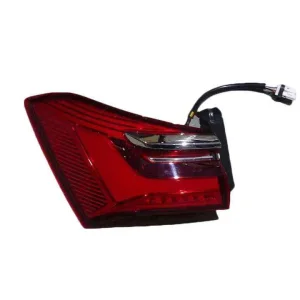
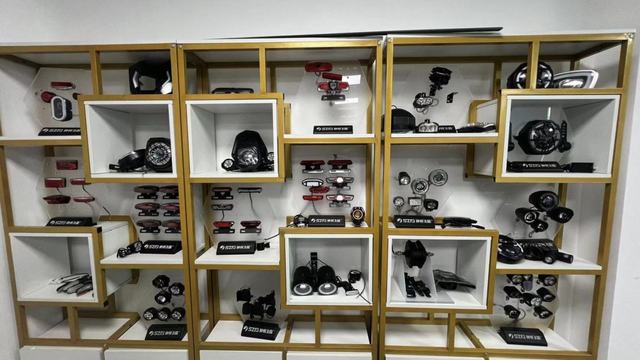
Explore our main production-line taillights and signaling components, ready for integration into urban transit, passenger, and commercial fleets.
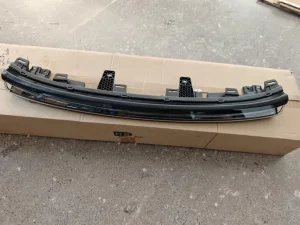
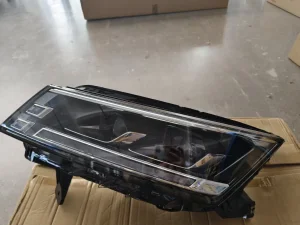
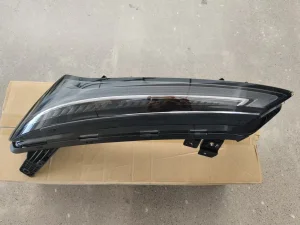
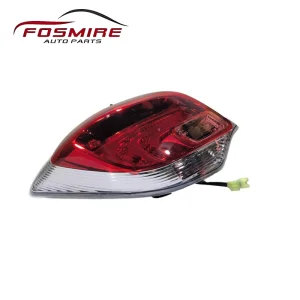
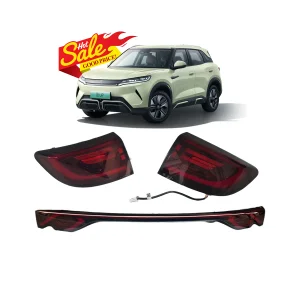
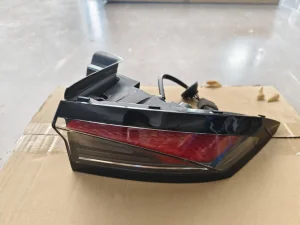
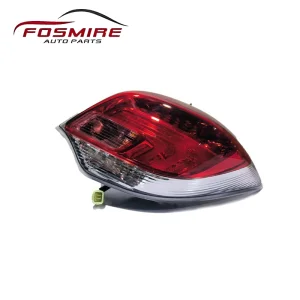
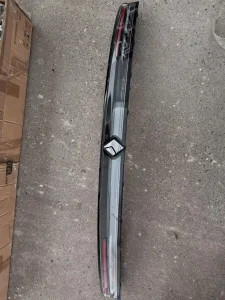
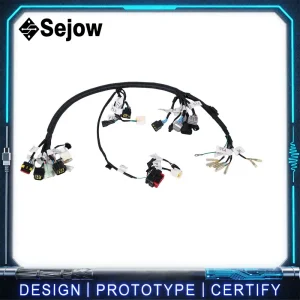
High-integrity components designed for low-voltage signal distribution and specialized vehicle styling requirements.
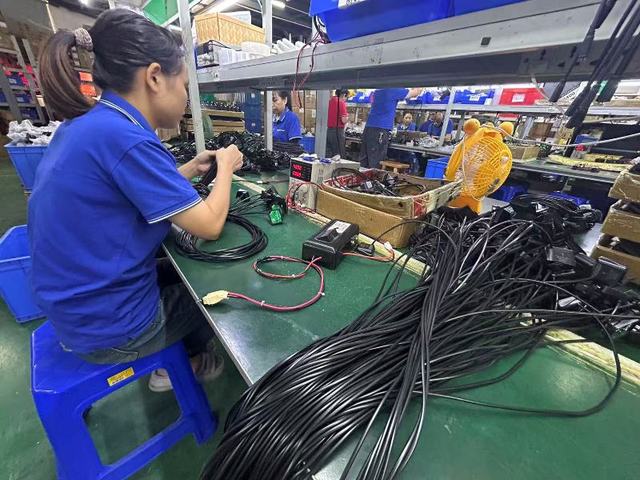
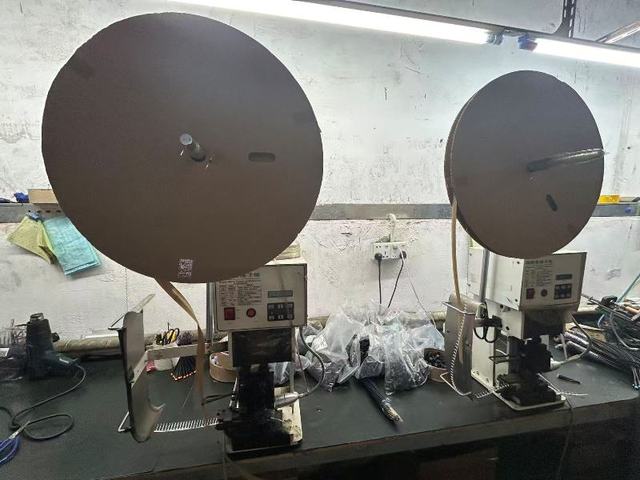
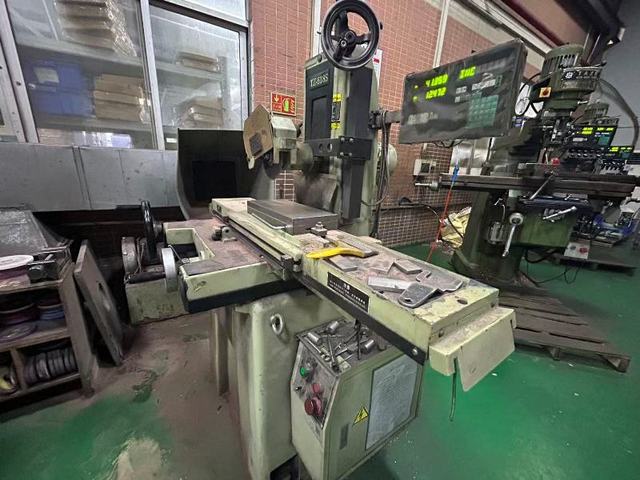
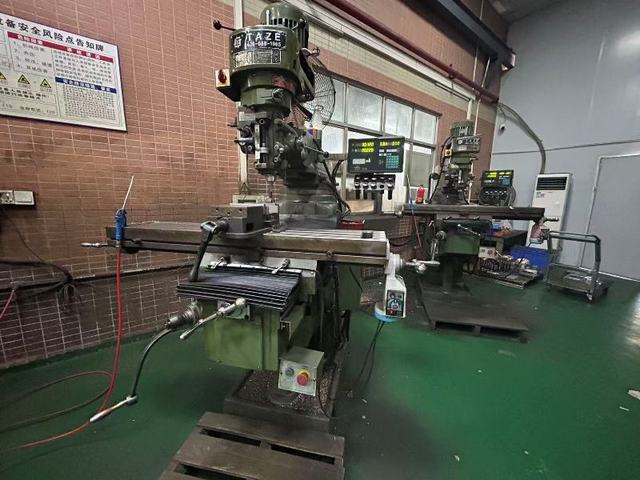
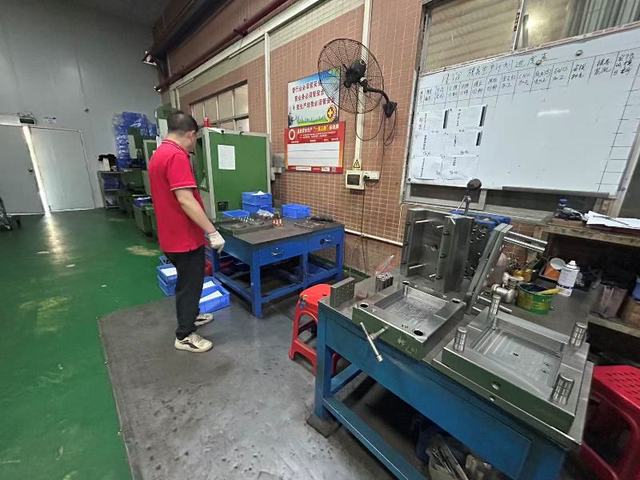
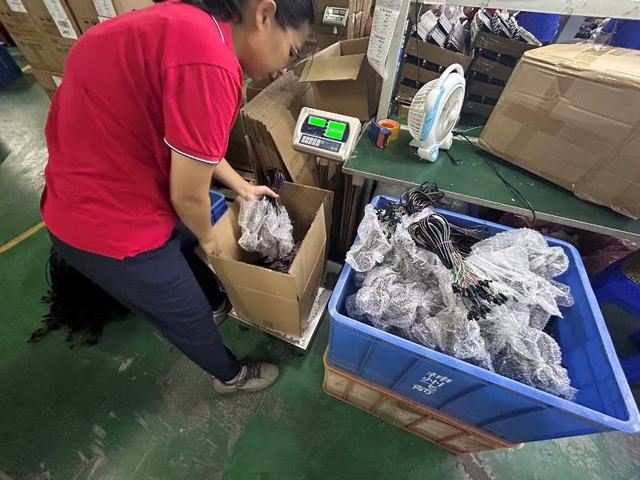
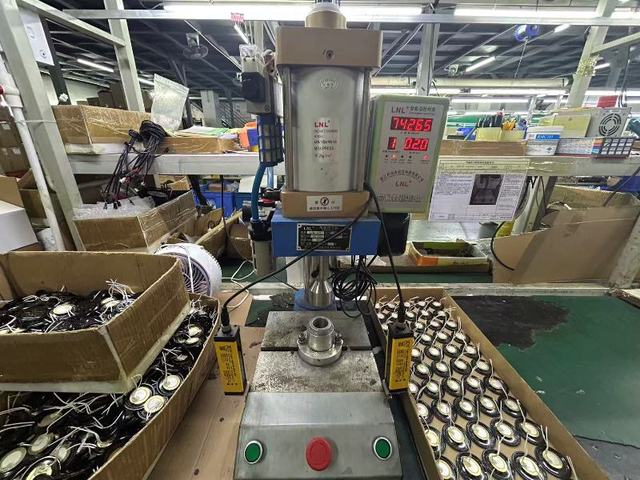
Step inside our advanced manufacturing base featuring dust-free assembly rooms, automated optical testers, and high-efficiency injection molding units.
Critical engineering and logistical questions answered by our advanced automotive lighting research group.
Get in touch with our engineering team today to receive detailed drawings, 3D optical models, or to request custom quotes for your vehicle fleet program.
 EV Light