Explore our premium CE-certified EV components, accent light assemblies, and smart lighting solutions engineered for demanding global environments.
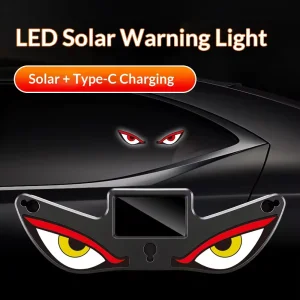
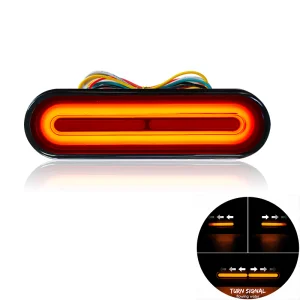
In the contemporary automotive design paradigm, Electric Vehicle (EV) accent lighting has transcended simple cosmetic modification to become a structural pillar of safety, user interaction, and brand differentiation. As internal combustion engines yield to quiet electric drivetrains, the sensory interface of the vehicle shifts heavily toward the visual spectrum. Accent lighting, encompassing interior ambient lights, glowing front grilles, through-type rear center lamps, and signal indicators, serves as the communication medium between the vehicle's computer and the human user.
Manufacturers like Hangzhou EV Light Co., Ltd. are at the forefront of this technological shift. The optimization of modern EV light sources requires addressing specialized parameters: severe limits on parasitic battery drain, strict compliance with electromagnetic interference standards (CISPR 25), and precise thermal management in sealed assemblies. By utilizing high-efficiency LEDs, light guides, and sophisticated optical films, modern exporters provide solutions that align with the high-voltage architectures of passenger EVs and micro-mobility products alike.
The global market for electric vehicle accent illumination is experiencing exponential growth, driven by consumer demand for premium experiences and safety regulations in key jurisdictions. North America, the European Union, Southeast Asia, and the Middle East represent distinct consumer segments with unique demands.
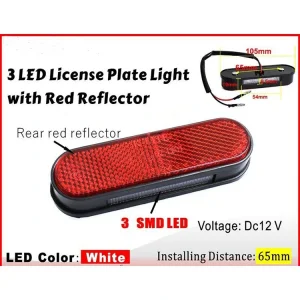
In the EU, regulatory frameworks (ECE R148/R149) govern light emissions. Products like motorcycle license plate lights and EV rear center lamps must carry E-MARK certification to prove compliance with strict luminous intensity distributions. Exporters must adhere to these standards to gain access to premium European distributor networks.
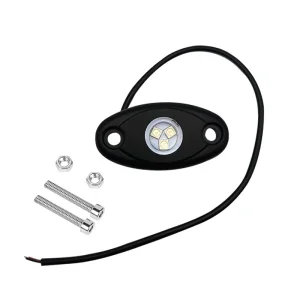
The US and Canadian markets focus heavily on visual impact and safety. Large-scale pickup trucks, commercial delivery vans, and passenger SUVs leverage bold signature light bars and chassis underglow systems (such as 12V RGB Rock Lights) to highlight brand presence and improve side-profile visibility in low-light environments.
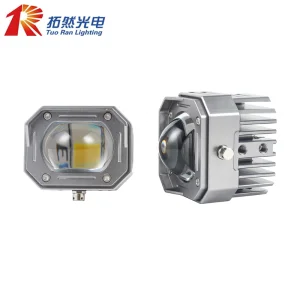
In emerging economies, two-wheelers (E-bikes, electric motorcycles, and three-wheelers) dominate urban transit. Accent lighting here serves a dual purpose: personalization and critical safety. Bright LED spotlights, sequential turn signals, and robust brake lights (operating at high voltages of 12-80V) protect riders in dense, mixed-traffic zones.
Designing modern lighting components for electric vehicles requires overcoming several unique engineering challenges:
As a leading Chinese exporter, Hangzhou EV Light Co., Ltd. provides comprehensive solutions for Tier 1 suppliers and vehicle brands globally. Our business model combines high-volume production with customizable configurations:
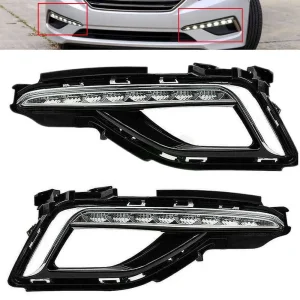
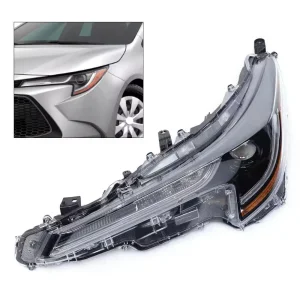
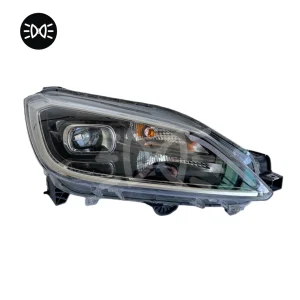
We engineer customized headlights, daytime running lights (DRL), and sequential turn signal modules (similar to those featured in the Lexus IS and BYD Seal models) that match the vehicle's design language and meet global safety regulations.
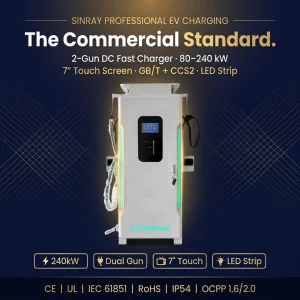
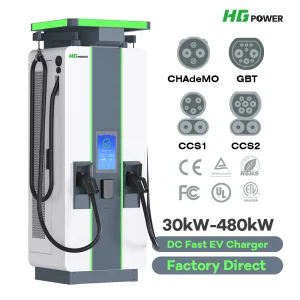
Our solutions extend to charging stations. By integrating custom LED side light strips on 240kW and 480kW charging units, we help charge point operators (CPOs) create highly visible stations that communicate charging status using dynamic color changes.
Our flexible, software-controlled LED ambient light strips support customization of the interior cabin experience, offering high-fidelity color consistency and dynamic responses to driver inputs or drive modes.
Inside Hangzhou EV Light Co., Ltd.: Professional equipment, precise assembly lines, and rigorous testing protocols.
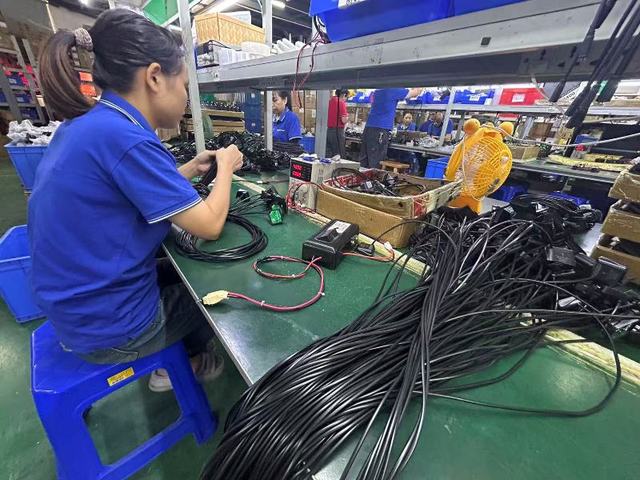
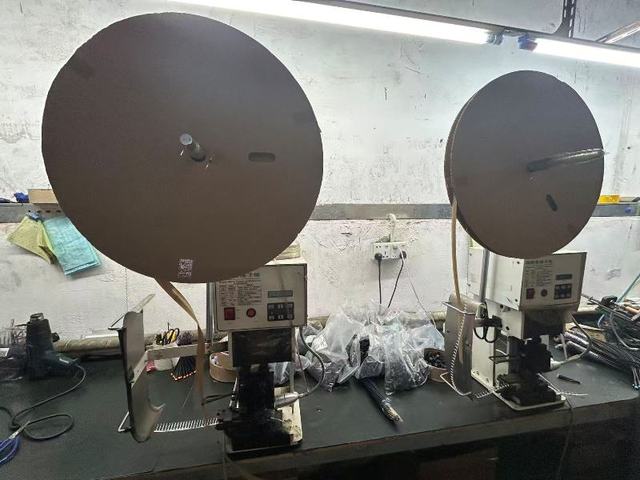
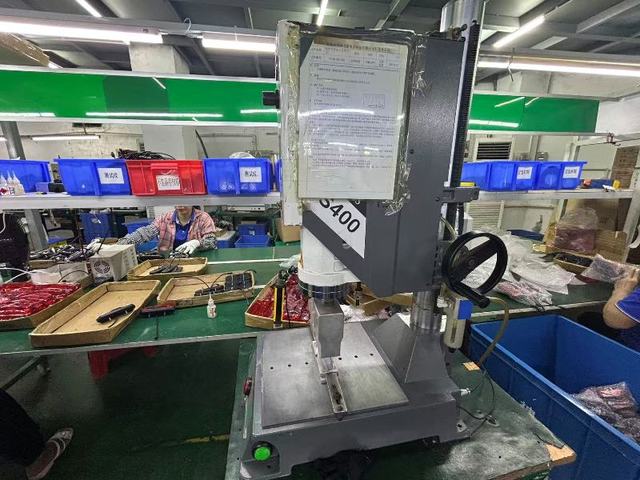
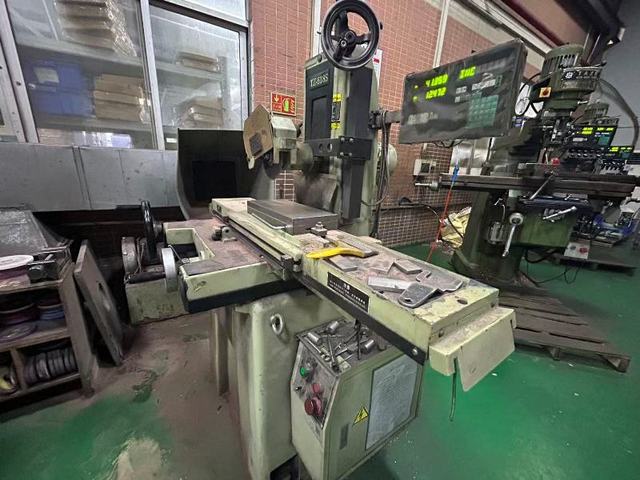
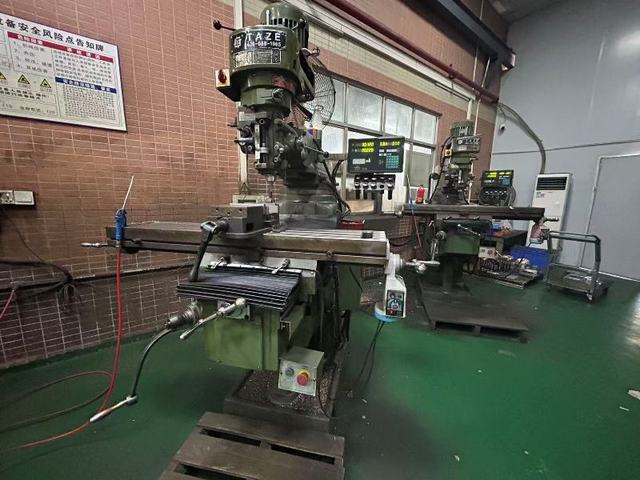
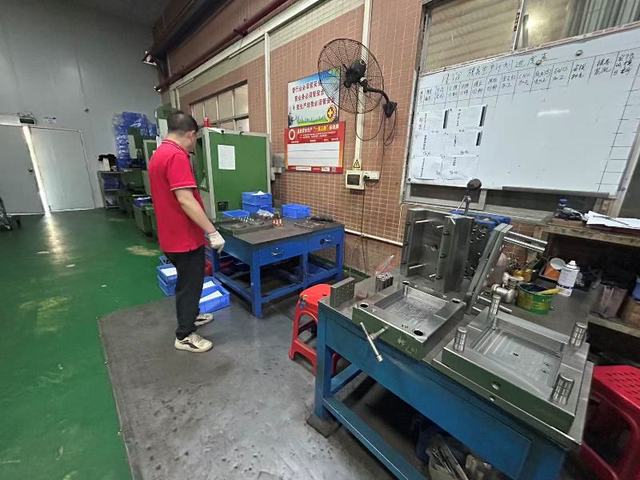
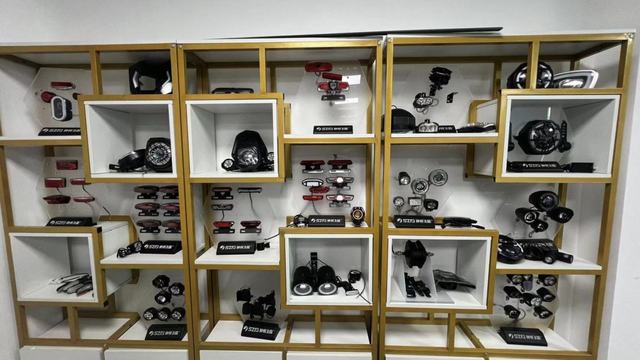
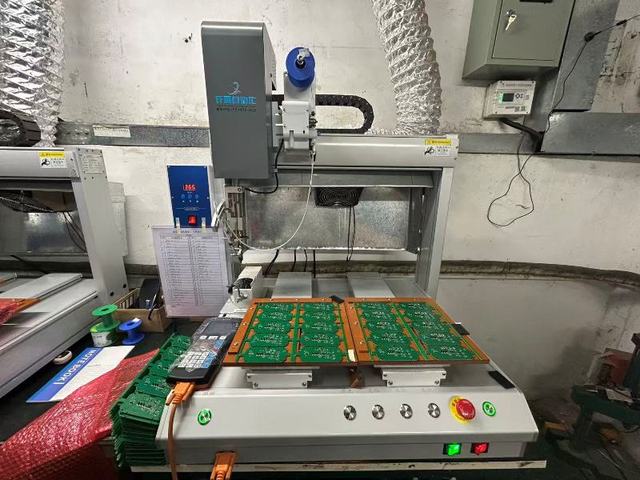
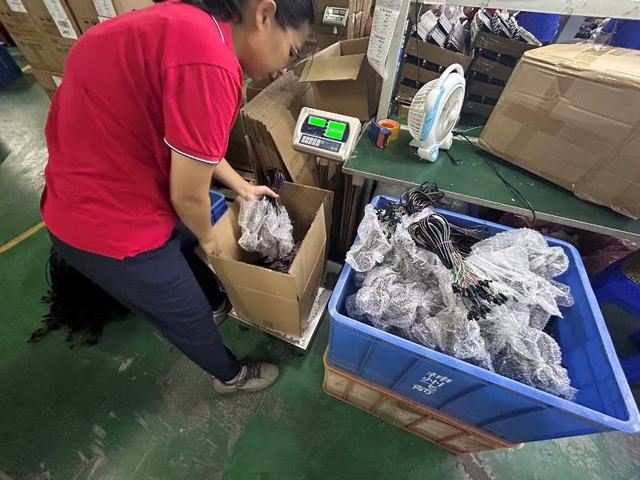
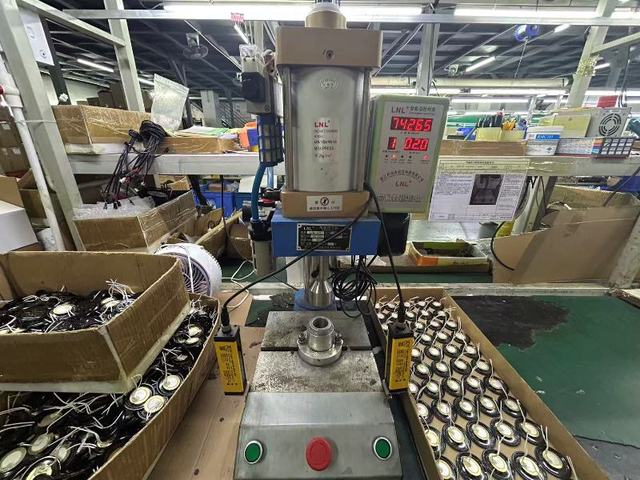
Quality control is critical when manufacturing automotive-grade lighting components. Hangzhou EV Light Co., Ltd. applies a rigorous quality management system across the entire production lifecycle:
Essential insights for international procurement managers, automotive engineers, and wholesale distributors.
A: CE certification verifies that the products comply with EU safety, health, and environmental standards. The E-Mark (e.g., EECE R148) is a specific requirement for road vehicles within the European Economic Area, proving that the lighting components meet photometric performance standards and do not pose a glare hazard or compromise road safety. Importing components without these marks can lead to import rejection or vehicle compliance failure.
A: Our products are designed with wide-voltage LED driver modules (e.g., 12-80V DC or customized ranges). These integrated circuits maintain stable current delivery despite transient surges or drops in the vehicle's low-voltage auxiliary system, protecting the LEDs from thermal overstress and ensuring consistent light output.
A: We offer full-service customization. This includes custom structural engineering (CAD styling and optical design), custom PCBA layout design, integration of specific communication protocols (LIN, CAN, or standard PWM dimming), custom lens branding, and rapid prototyping. We support both low-volume pilot runs and high-volume mass production.
A: Fogging is caused by pressure differences and moisture accumulation inside the lamp housing. We resolve this by integrating breathable, waterproof venting valves (such as ePTFE membranes) that allow pressure equalization and moisture escape while preventing external water and dust ingress.
A: The lighting strip (such as those on our 240kW and 480kW charging stations) connects to the main controller via standard communication interfaces. The system coordinates illumination patterns (e.g., pulsing green for active charging, solid blue for complete, or flashing red for error states), providing clear, intuitive feedback to users from a distance.
Premium solutions for automotive, industrial, and off-grid power applications.
 EV Light