CE Certified Intelligent Light Systems for Electric Vehicles Factories & Supplier

Precision-Engineered Photometric Solutions, Adaptive ADB Architectures, and Reliable OEM/ODM Scaling for Global EV Manufacturers

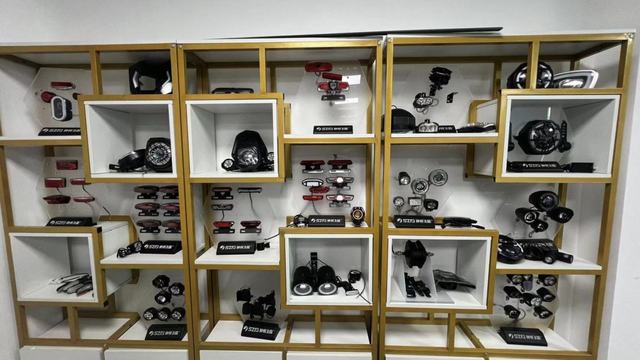
Premium Electric Vehicle Lighting Portfolio

Explore our advanced, CE-compliant lighting systems designed for durability, optimal energy efficiency, and dynamic integration.
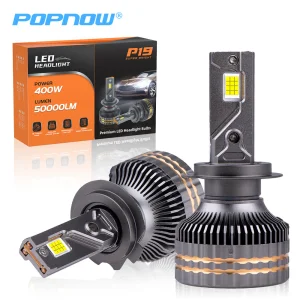
400W 50000LM Led Headlight Bulbs
400W 50000LM Led Headlight Bulbs Canbus 6500K 12V H1 H3 9004 9005 9006 9012 H7 H4 H11 H13 Universal Car Headlight
View Details
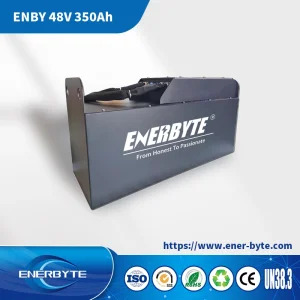
48V 350ah Lithium Battery Systems
48V 350ah Lithium Motive Battery Systems with BMS
View Details
Angel Wings Ambient Light
Factory Accessories Car Motorcycle Angel Wings Electric Vehicle Welcome Light Ambient Light Modified Atmosphere Decorative Lamp
View Details
Energy Saving Car Front Bumper Lamp
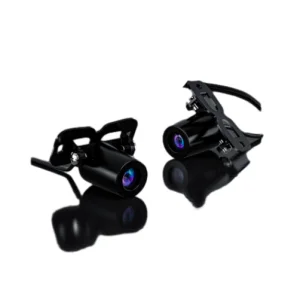
Energy Saving Car Front Bumper Lamp with Reliable and Durable Performance
View Details
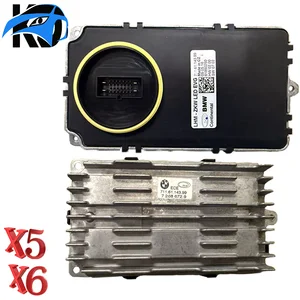
Adaptive LED EVG Headlight Main Light Module
63117268672 63117275973 63117182396 63117358197 Brand New Original Adaptive LED EVG Headlight Main Light Module For BMW X5 X6
View Details
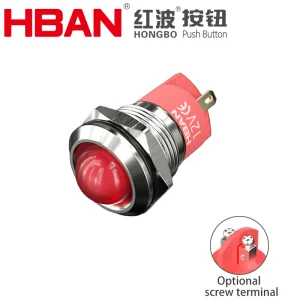
16mm IP67 Waterproof LED Signal Light
16mm IP67 Waterproof LED Signal Light Flat Head Design for Clean Panel Layout
View Details
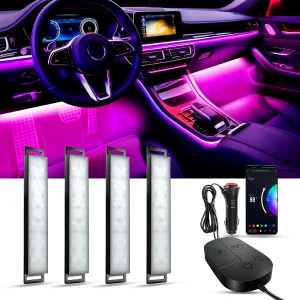
RGB Interior LED Strip Light
RGB Interior 5050 Decorative LED Strip Light Atmosphere Car Lights With APP Music Wireless Remote Control DC12V
View Details
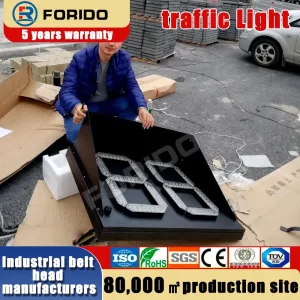
LED Traffic Light Countdown
Energy-Efficient LED Traffic Light with Red/Green Countdown
View Details

Executive Summary: Driving the Future of Automotive Illumination

Hangzhou EV Light Co., Ltd. stands as a vanguard in the research, development, and high-volume manufacture of electric vehicle lighting solutions. Specializing in high-performance EV LED lighting, smart adaptive headlights, and complex automotive signal architectures, we are positioned to support the global shift toward New Energy Vehicles (NEVs). Our focus spans the spectrum of lighting needs for passenger EVs, commercial electric trucks, electric buses, motorcycles, and emerging micro-mobility platforms.

As a reliable manufacturer and tier-1 partner, our industrial mission is aligned with the core engineering needs of modern electric transport: weight reduction, ultra-low energy consumption to preserve battery range, integration of advanced driver assistance systems (ADAS), and compliance with global regulatory landscapes (including CE, E-mark, and FMVSS specifications). By combining robust photometric design with automated manufacturing, we deliver lighting solutions that represent the cutting edge of industrial performance.

CE / E-Mark
International Compliance Standards
IATF 16949
Automotive Quality Management
100%
Photometric & Functional Testing
OEM / ODM
Custom Engineering Capability

Industrial Whitepaper: The Evolution of Intelligent Light Systems in Electric Vehicles

1. The Global Commercial and Industrial Landscape of EV Lighting

The transition toward electric mobility has fundamentally altered the role of automotive lighting systems. No longer viewed simply as passive safety components, modern lighting systems are fully integrated electronic hubs. From a commercial perspective, the integration of Intelligent Light Systems (ILS) is directly linked to the electrification and digitalization of vehicles. Electric vehicles require components that operate at maximum thermal and electrical efficiency to conserve traction battery energy.

Globally, the market for automotive lighting is experiencing a rapid consolidation toward players capable of delivering solid-state lighting (SSL) technologies paired with dynamic control software. Tier-1 and Tier-2 suppliers are shifting away from conventional halogen and xenon platforms to focus exclusively on highly efficient LEDs, Matrix arrays, and Laser/DLP projection units. EV factories require scalable suppliers that can meet strict weight limits, supply CAN-bus compatible driver modules, and guarantee component-level reliability under extreme environmental fluctuations.

2. Technical Trends: From Static Diodes to Software-Defined Beams

The modern technological trajectory is defined by several core shifts:

Adaptive Driving Beam (ADB)
Using camera inputs and micro-LED matrix arrays, ADB systems dynamically dim specific segments of the high beam to prevent glare for oncoming traffic while maintaining maximum illumination elsewhere.
High-Efficiency Thermal Integration
EVs do not have waste heat from internal combustion engines to clear lenses of ice or condensation. R&D centers must design innovative thermal conduction routes using advanced metal-core PCBs and micro-heaters.
ASIL Compliance & Safe Bus Control
Lighting controllers must interface seamlessly with Automotive Ethernet, CAN-FD, and LIN architectures, achieving functional safety metrics up to ISO 26262 ASIL-B levels.

Energy conservation remains a major driver: traditional halogen headlamps consume roughly 110-150W of electrical power. In contrast, advanced LED systems engineered by Hangzhou EV Light reduce consumption to under 35-40W per side, directly translating to an increase in vehicle range on a single charge.

3. Localized Application Scenarios

Lighting systems must adapt to specific geographic environments and regional market trends:

  • European Market: Strict adherence to UNECE regulations (including R128 and R48). The focus is heavily weighted toward dynamic ADB functionality, high E-Mark traceability, and eco-innovation criteria.
  • North American Market: Compliance with FMVSS 108 standards. Products must showcase high lumen intensity, robust side-marker optics, and withstand severe temperature fluctuations ranging from arctic conditions in Canada to high-desert environments in the US Southwest.
  • Asia-Pacific Hubs: Highly demanding consumers seeking premium experiences, such as customized exterior projection lines, interactive matrix displays, animated charging indicator sequences, and customized welcome light systems.

Technology Roadmap & Future Outlook

How Hangzhou EV Light is navigating the future transition towards automated and intelligent vehicle lighting.

Phase 1: Precision Solid-State LED Arrays
Integration of CAN-bus Drivers and Low-power LEDs
Replacing high-consumption light sources with highly optimized, robust surface-mount diode (SMD) and chip-on-board (COB) technologies. Implementation of integrated CAN/LIN controllers to handle load balancing and error signaling.
Phase 2: Adaptive Beam & Driver-Assistance Systems
Sensory Integration and Matrix-Level Actuation
Interfacing light structures directly with front-facing ADAS cameras. Designing proprietary algorithms that analyze speed, steering angle, and vehicle distance to instantly adjust vertical and horizontal beam vectors.
Phase 3: Digital Micro-Mirror and Projection Tech (DLP)
High-Resolution Projections and HUD Functionality
Utilizing tens of thousands of micro-mirrors to project safety guidelines, warning signs, navigation arrows, or welcome graphics directly onto the road surface, maximizing pedestrian and driver safety.

Macro Industry Solutions

Hangzhou EV Light Co., Ltd. does not just sell individual parts; we engineer unified macro-level lighting platforms for diverse vehicle architectures. Below are our specialized industrial suites designed for factories and global distributors:

Passenger EV Suite
Sleek, low-profile front lightbars, matrix LED headlights, dynamic side-markers, and multi-color interior ambient lights with APP or voice control. Perfect for modern, software-defined electric sedans and SUVs.
Commercial & Public Transit Suite
IP67-rated waterproof lighting assemblies, high-lumen traffic indicators, warning lamps, and high-intensity work lights designed for the demanding operational lifecycles of electric buses, trucks, and material handlers.
Micro-Mobility & Two-Wheeler Suite
Ultra-compact, energy-conserving lighting for electric bicycles, scooters, and motorcycles. Engineered to run on fluctuating system voltages while offering excellent spot and flood projection properties.

Manufacturing Powerhouse & IATF-Compliant Quality Control

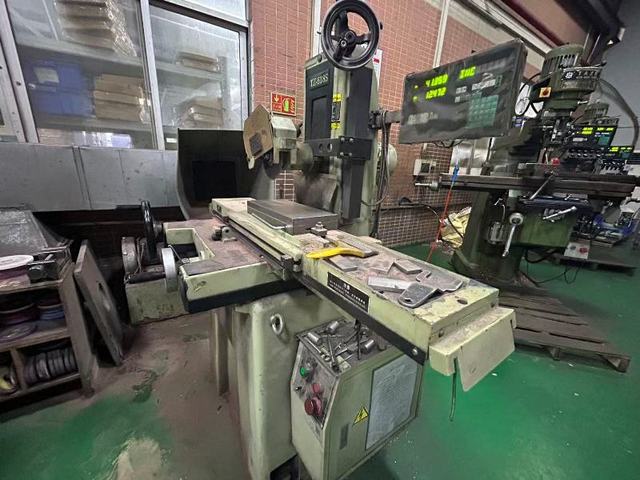
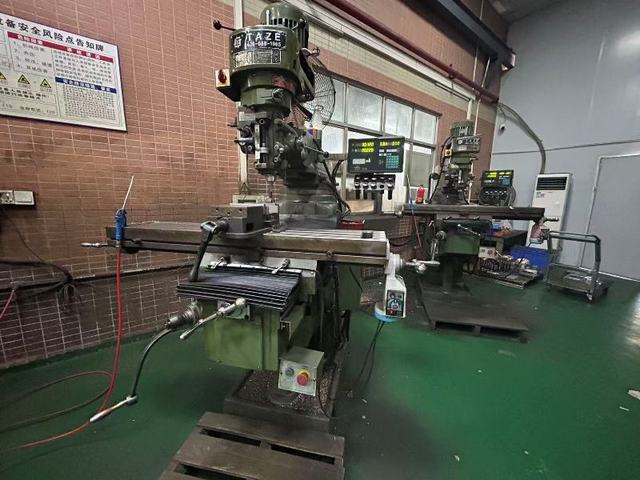
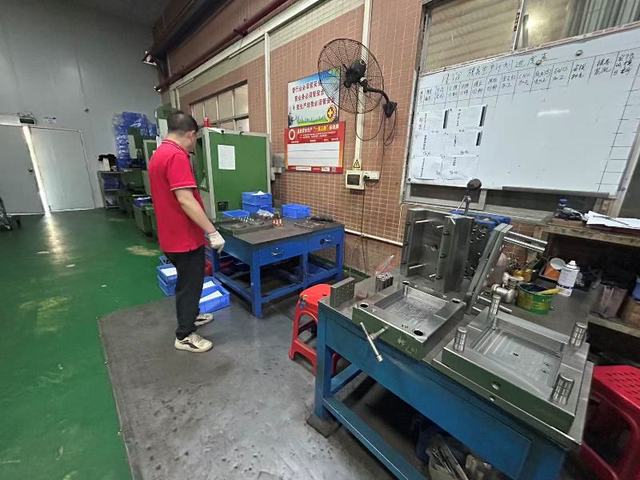
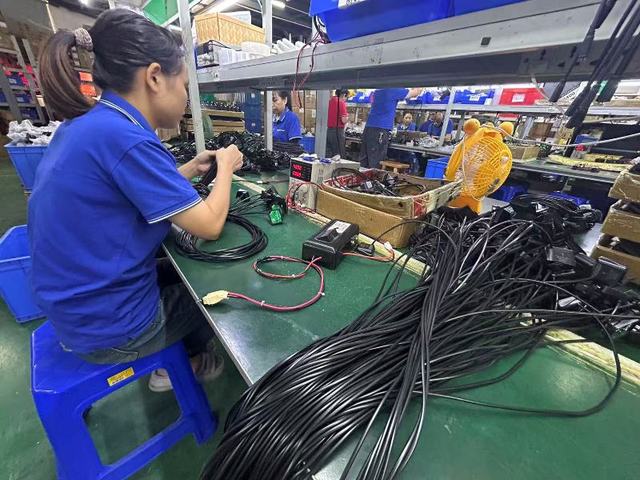
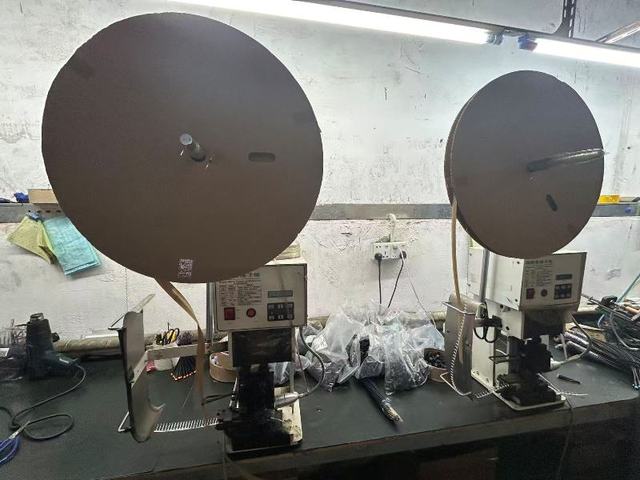
At Hangzhou EV Light, quality is engineered into every square centimeter of our operation. Our high-precision clean rooms, automated assembly lines, and advanced optical laboratories are structured around strict quality guidelines. We perform comprehensive thermal analysis, vibration testing, humidity exposure, salt-spray tests, and photometric distribution analysis to ensure that every headlight, tail light, and signal module performs under extreme road environments.

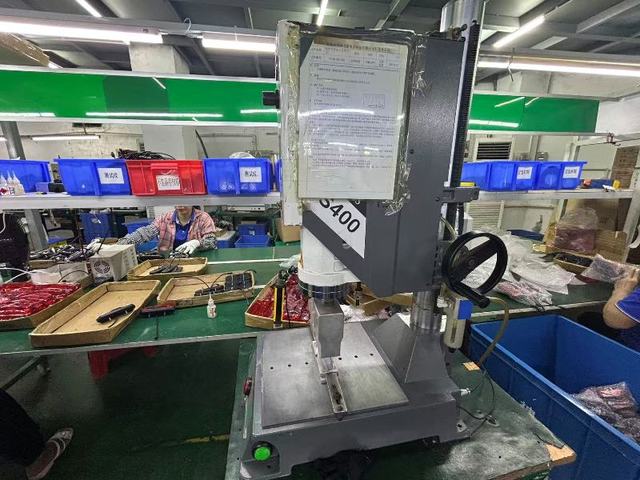
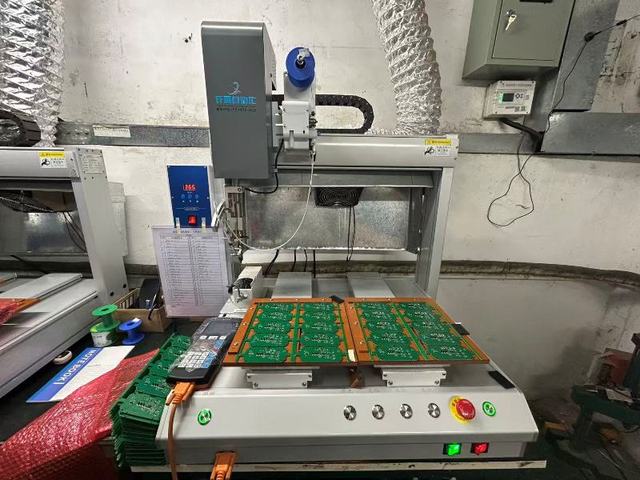
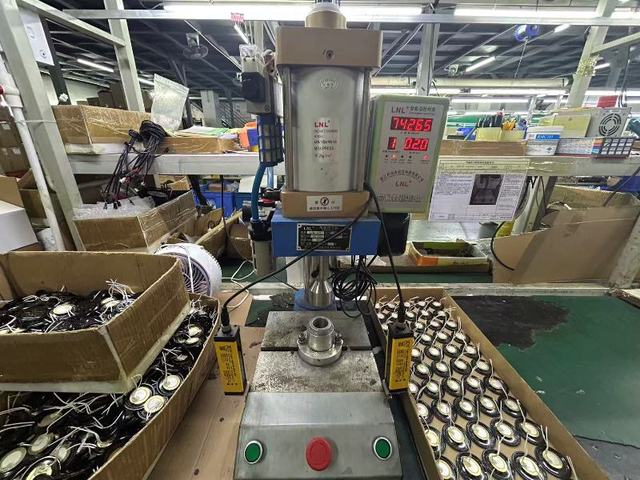
Our manufacturing facility features advanced high-speed SMT placement machines, robotic sealing stations, and specialized automated optical inspection (AOI) lines. By managing the process from raw component sourcing through final luminous flux verification, we offer our OEM partners the reliability they demand.
Expert Q&A (FAQ)

In-depth responses to the most critical technical and supply questions from automotive buyers and EV factories.

Q1: How do Hangzhou EV Light's products meet CE and E-mark standards for European markets?
All our automotive lighting systems designed for the European market undergo rigorous test programs in accredited third-party laboratories. We verify compliance with ECE regulations (e.g., ECE R112, R7, R87, R48) covering photometrics, chromaticity, environmental resistance, and electromagnetic compatibility. Once verified, official E-mark certificates are issued, allowing seamless integration and legal sale across European jurisdictions.
Q2: How does the integration of CAN-bus decoders address flickering issues on smart electric vehicles?
Modern EVs monitor current draw to identify failed lights. Because LEDs draw significantly less power than halogen bulbs, the vehicle's ECU might register a fault or cut power, leading to flickering or error codes. Our lighting systems feature built-in CAN-bus decoders and smart resistor networks. These circuits simulate the expected load and filter voltage ripples, ensuring stable operation and error-free integration with the vehicle's central computer.
Q3: What thermal management systems are used to ensure the longevity of high-output LED headlights?
To prevent performance loss and preserve LED lifespan, we employ advanced thermal architectures. This includes using double-sided copper PCBs, high-performance thermal interface materials (TIM), and active cooling components like dual-ball bearing fans or custom-designed extruded aluminum heatsinks. Dynamic thermal throttling is also programmed into our LED driver circuits to protect the diodes under extreme temperature conditions.
Q4: Can you support specialized OEM and ODM lighting designs for new EV startups?
Yes, we provide full-lifecycle OEM and ODM support. This includes optical simulation (such as LucidShape or SPEOS), mechanical engineering, electrical design (PCB layout and controller firmware), rapid prototyping, photometrics validation, and tooling fabrication. We work closely with our partners' design teams from the initial sketch to mass production, ensuring the design fits the vehicle's styling and meets regulatory requirements.
Q5: How do EV battery systems interface with ambient lighting and safety indicator modules?
Our smart lighting modules, such as battery status indicators, are programmed to communicate with the vehicle's Battery Management System (BMS) via CAN or LIN networks. For example, during charging, the lights can dynamically transition from flashing green (charging) to solid green (fully charged), providing clear visual feedback on the charging state.
Q6: What is the benefit of dynamic welcoming lights (like the Angel Wings) for EV manufacturers?
Dynamic welcoming systems improve the user experience and help differentiate a brand in a competitive market. By projecting clear patterns onto the ground as the driver approaches, they also provide useful path illumination in dark environments, helping to prevent trips or falls.
Q7: What ingress protection (IP) rating do your exterior and signals lights maintain?
Our exterior lights, traffic indicators, and safety warning modules are rated to IP67 or IP69K standards. We use automated silicon dispensing systems and ultrasonic welding techniques to seal the enclosures against high-pressure water jets, dust ingress, and prolonged moisture exposure.
Q8: How does Hangzhou EV Light manage supply chain reliability for large-scale factories?
We minimize supply risks by sourcing critical components—such as LED chips and drivers—from tier-1 global semiconductor manufacturers, maintaining safety stock, and using redundant production lines. This structured approach allows us to scale manufacturing quickly to meet the demands of large vehicle factories.

Specialized Electric Vehicle & Components Collection

Explore our complete catalog of vehicle assemblies, waterproof signal elements, and warning solutions.
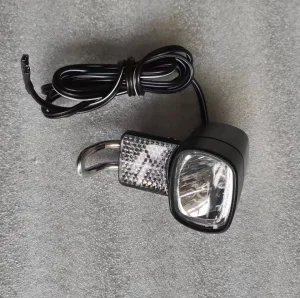
Electric Bicycle Ebike LED Light
Electric Bicycle Ebike Escooter Front Lamp LED Bike Light
View Details
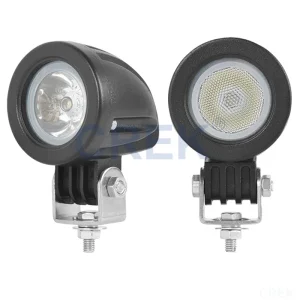
10W Round LED Head Light
Motorcycle Parts 2inch 10W Round Small Front Spot Flood Driving LED Head Light, Car Electric Bike Bicycle Work Lighting Fog Lamp Factory Wholesale
View Details
Energy Efficient LED Car Tail Light
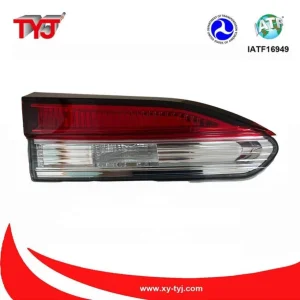
Factory Wholesale Energy Efficient Universal Scratch Resistant Car Accessories LED Auto Car Tail Rear Light for Toyota Cross 2021 Back Lamp Le
View Details
Smart Car Ambient Lighting Kit
New Smart Car Electronics Ambient Lighting Exterior Kit for Tesla Model 3 2017-2023 with Direct Bolt-On Fit and Premium Quality
View Details
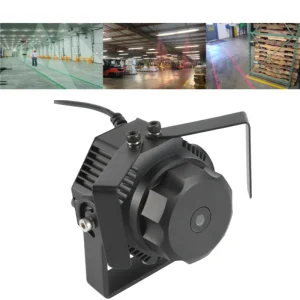
Laser Warning Lamp
Automatic Shift Three Colors Green Red Blue Virtual Laser Warning Lamp for Industrial Sites Vehicle Pedestrians Safety
View Details
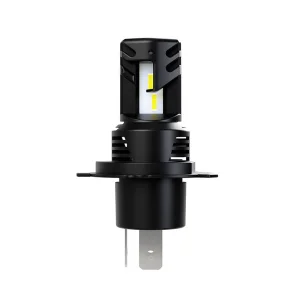
Y1 H4 LED Headlight
Y1 H4 High Brightness Energy Efficient Car LED Headlight for Vehicle
View Details
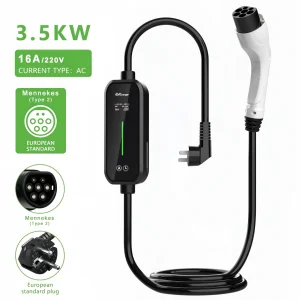
Type 2 EV Charger with Streamer Light
New 3.5KW 16A Type 2 IP66 Waterproof Portable EV Charger with 5m Cable Streamer Light & Smart App Control for Electric Cars
View Details
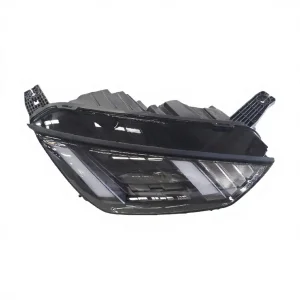
BYD Seagull Headlight Assembly
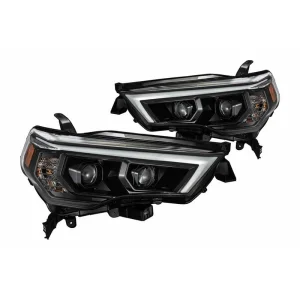
Headlight Assembly for BYD SEAGULL (Seagull) 2023+ OE EQEA-4121010B EQEA-4121020B RAPOW Factory Combination LH+RH
View Details