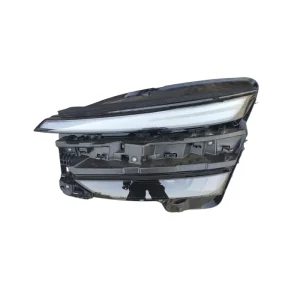
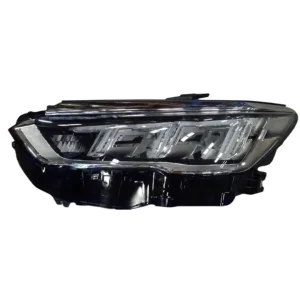
The global electrification of two-wheeler transport is accelerating at an unprecedented scale. As urban centers shift away from fossil fuels, municipal delivery fleets, micro-mobility sharing services, and commuter motorcycle networks are expanding globally. A critical sub-segment of this transformation is Electric Motorcycle Illumination. Unlike traditional internal combustion engine (ICE) motorbikes, electric motorcycles impose rigorous demands on auxiliary electrical assemblies. OEM buyers, procurement specialists, and global supply managers look beyond raw lumens to evaluate the holistic performance of lighting systems.
Global B2B procurement is defined by three primary forces: energy efficiency preservation, extreme physical durability, and smart module integration. Because every watt consumed by auxiliary illumination directly reduces the vehicle's driving range, modern electric motorcycle lighting must operate at high lumens-per-watt ratios. Additionally, these lighting fixtures must survive harsh operating environments: fluctuating high-voltage transients from lithium-ion traction packs, intense vibrations from uneven urban roads, and thermal peaks in enclosed chassis designs. Consequently, the sourcing strategies of top-tier micro-mobility developers focus heavily on component suppliers capable of delivering highly customized, robust solid-state lighting assemblies.
Designing illumination systems for electric vehicles involves navigating distinct thermal and electrical challenges. Hangzhou EV Light Co., Ltd. addresses these engineering requirements with advanced macro-level solutions that optimize safety and operational longevity.
LED performance degrades as heat rises, reducing chip lifetime and lumen output. Our systems utilize high-conductivity aluminum alloys and copper substrates, paired with advanced thermal interface materials (TIM). This setup facilitates passive heat dissipation without heavy fans, keeping junction temperatures below critical limits even in hot climates.
Traction batteries undergo significant voltage drops under high throttle load and spikes during regenerative braking. Our illumination systems integrate wide-input DC-DC buck-boost converters (ranging from 12V to 96V). This keeps light output stable, flickers-free, and safe from electromagnetic interference (EMI).
Two-wheelers face exposure to heavy rain, dust storms, and pressurized water washes. Using automated liquid silicone rubber (LSR) injection molding and pressure-venting membranes, our lights prevent moisture build-up while offering IP67 and IP69K-rated sealing protection.
The future of electric motorcycle lighting is moving beyond static visibility. As personal and commercial electric transport integrates into the broader Smart City framework, vehicle lighting systems are transforming into interactive communication networks. The technical roadmap of Hangzhou EV Light Co., Ltd. focuses on developing intelligent, software-driven illumination nodes.
Leveraging miniature solid-state gyroscopes and inertial measurement units (IMUs), next-generation electric motorcycle headlights dynamically project light into oncoming curves. As the rider leans into a turn, the lighting array shifts its optical axis to illuminate blind spots, dramatically increasing night riding safety.
By integrating compact physical-layer transceivers directly onto the LED driver PCB, our lights communicate natively with the vehicle’s central Engine Control Unit (ECU). This enables smart functionalities, including dynamic battery state-of-charge projections via localized LED pulsing, real-time diagnostic reporting for fleet management systems, and ambient lighting synchronized with ride modes.
Using custom-designed total internal reflection (TIR) optical lenses, we achieve precise light distribution patterns. The projection cut-off line is sharp, preventing oncoming glare for pedestrian safety and complying with strict European ECE R113 and US FMVSS 108 standards. Future models will support micro-projection capabilities, mapping safety notices directly onto the asphalt.
Hangzhou EV Light Co., Ltd. is a professional China electric vehicle lighting manufacturer specializing in EV LED lighting and smart automotive lighting solutions for the rapidly evolving new energy vehicle industry. With a strong commitment to innovation, performance, and reliability, we provide advanced lighting technologies that enhance vehicle safety, energy efficiency, functionality, and visual appeal.
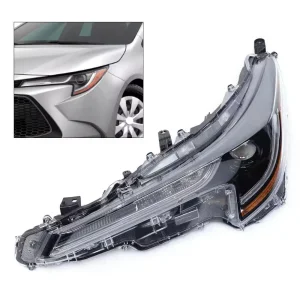
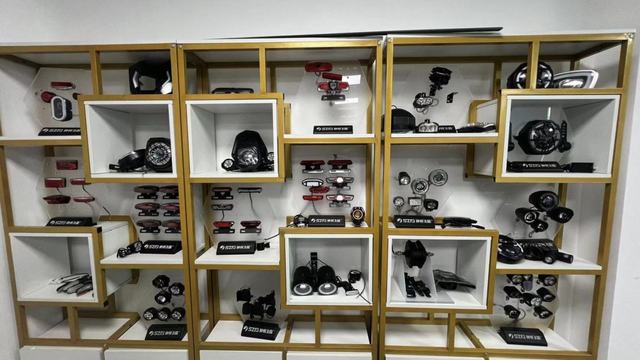
Our product portfolio includes EV headlight systems, taillight assemblies, daytime running lights, signal lighting, interior ambient lighting, charging status indicators, smart lighting modules, and customized automotive lighting solutions. Designed to meet the requirements of modern electric vehicles, our products are widely used in passenger EVs, commercial electric vehicles, electric buses, electric motorcycles, electric scooters, and emerging smart mobility applications.
At Hangzhou EV Light, we combine advanced engineering expertise with modern manufacturing capabilities to develop lighting solutions that deliver superior brightness, durability, and energy efficiency. Our experienced research and development team continuously explores new technologies in intelligent lighting control, adaptive lighting systems, LED integration, and automotive electronics to support the future of electric transportation.
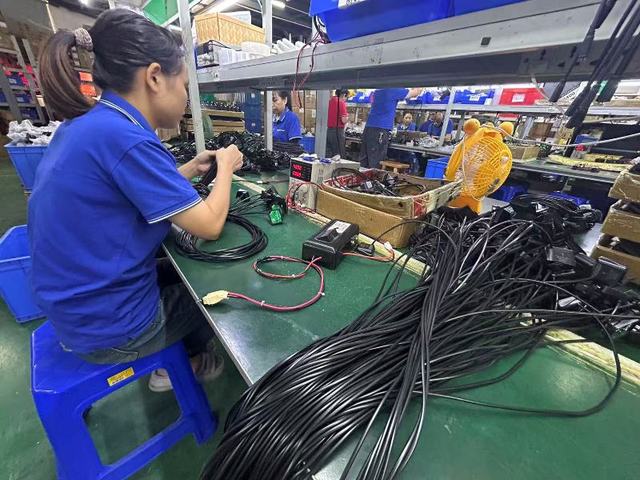
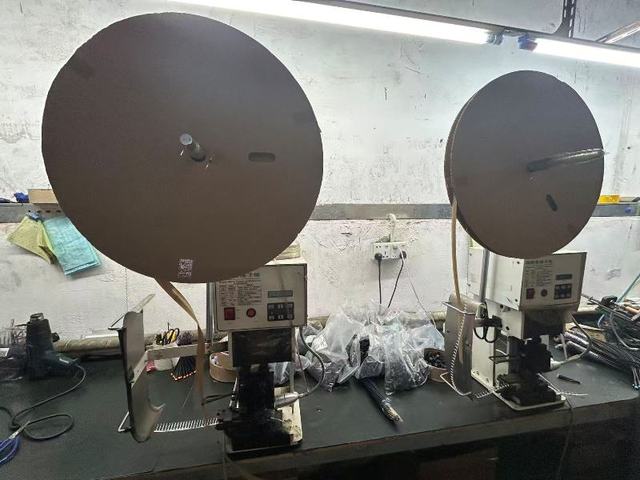
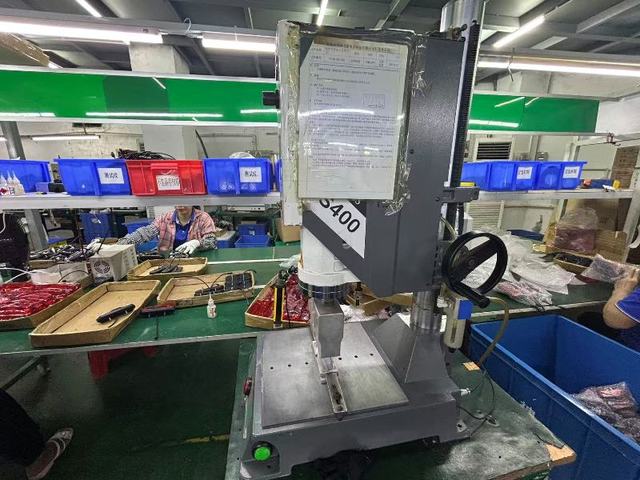
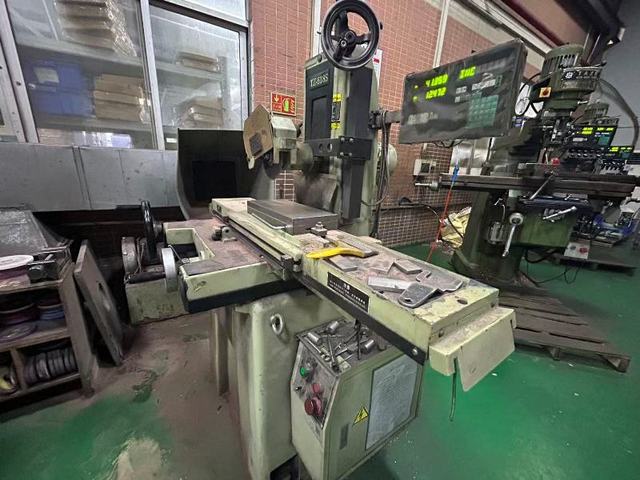
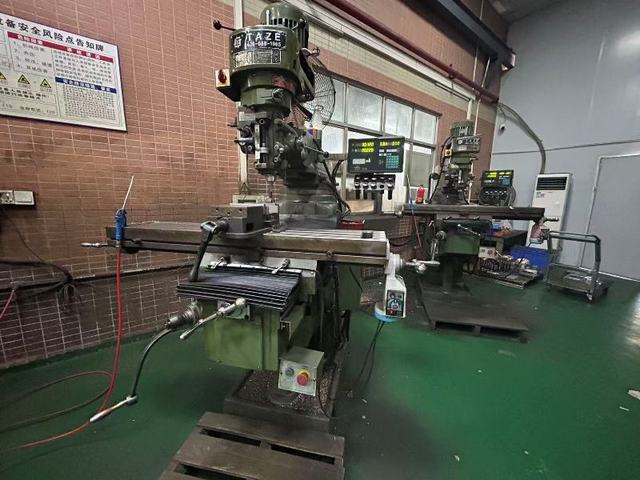
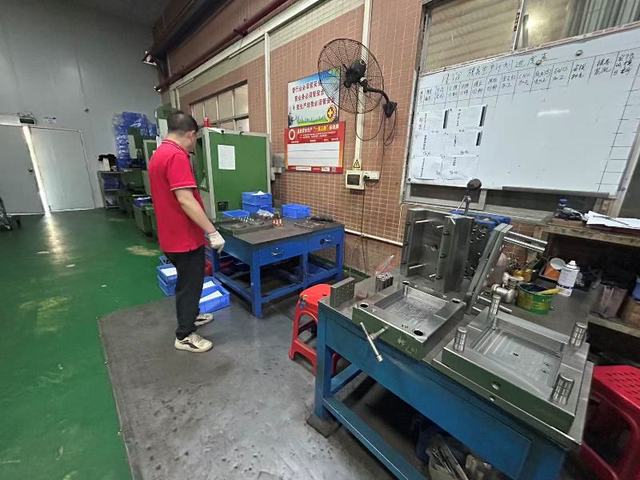
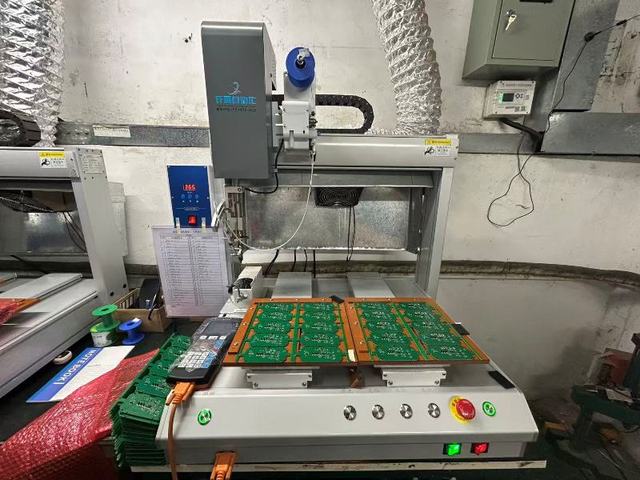
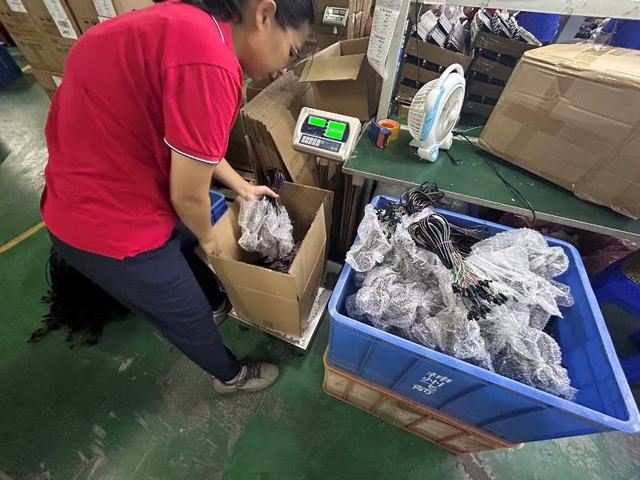
Quality is at the core of our operations. From component sourcing and product development to production and final testing, every stage follows strict quality management procedures to ensure consistent performance and compliance with international automotive standards. Our manufacturing facility is equipped with advanced production and testing equipment, enabling us to provide reliable products for demanding automotive environments.
We offer comprehensive OEM and ODM services for vehicle manufacturers, automotive suppliers, distributors, and mobility brands worldwide. Whether customers require customized designs, private-label production, or large-scale manufacturing, our flexible production capabilities support projects of various sizes and specifications.
Serving clients across North America, Europe, Southeast Asia, the Middle East, and other global markets, Hangzhou EV Light Co., Ltd. is dedicated to delivering innovative electric vehicle lighting solutions that contribute to safer, smarter, and more sustainable transportation. Our mission is to become a trusted global partner in advanced automotive lighting technology and smart mobility innovation.
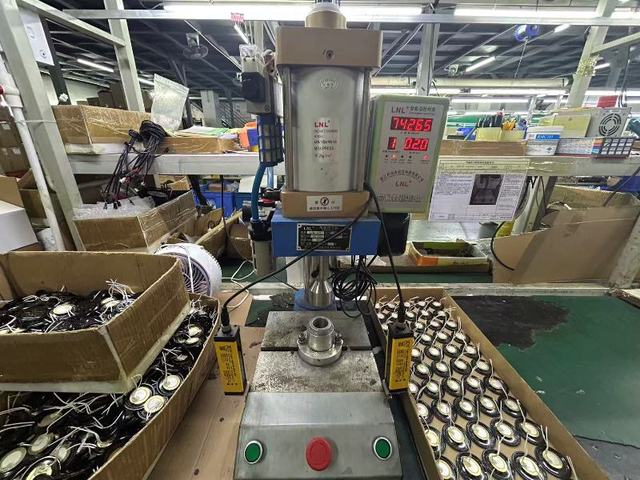
International trade in the new energy vehicle sector requires adherence to strict global safety rules. Exporting vehicle lighting assemblies entails detailed testing protocols, administrative verification, and certification alignments.
European markets require adherence to ECE regulations (e.g., ECE R113, ECE R50, ECE R10), focusing on beam patterns, luminous intensities, and electromagnetic compatibility. For North America, compliance with Federal Motor Vehicle Safety Standard FMVSS 108 (DOT) is mandatory. Every configuration we export meets these legal and optical guidelines.
Automotive supply chains require exceptional quality consistency. Our factory operations align with IATF 16949 quality management system requirements. This standard enforces structural traceability, continuous cycle improvements, and proactive failure-mode tracking from product design through to high-volume assembly.
To support global production lines, we provide comprehensive technical documentation, 3D CAD modeling, material declaration sheets (IMDS), and localized engineering consultations. These services facilitate smooth system integration for Tier-1 automotive integrators and international OEM factories.
 EV Light