High-performance smart indicators, adaptive light modules, and bespoke vehicle exterior accessories engineered for zero-emission platforms.
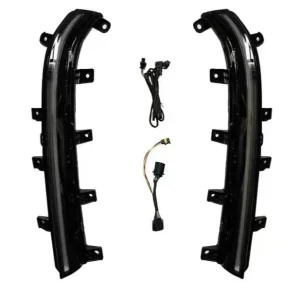
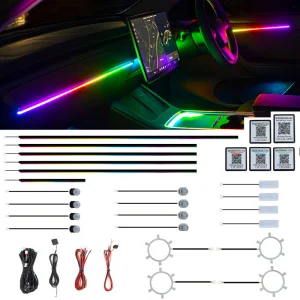
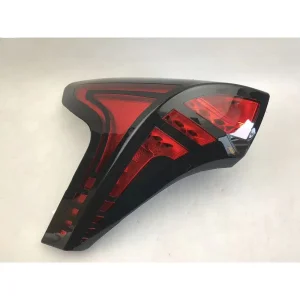
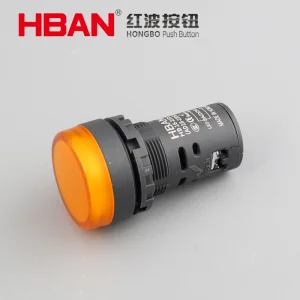
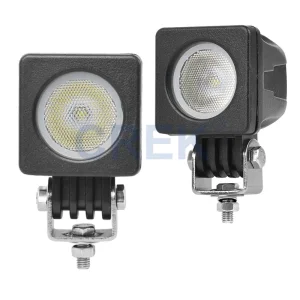
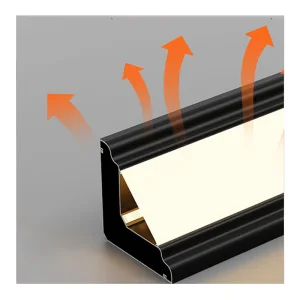

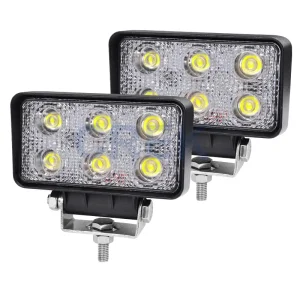
Unlocking safety, system integrity, and brand identity through advanced solid-state optical design.
Traditional internal combustion engine (ICE) vehicles governed lighting systems with simple electrical networks. Modern Electric Vehicles (EVs), however, rely on central computing units and complex CAN/LIN bus control systems that require highly intelligent, low-energy, and electromagnetic interference (EMI) resistant signaling systems.
Hangzhou EV Light Co., Ltd. stands at the forefront of this shift, producing specialized signal systems that mitigate thermal strain on lithium-ion batteries while maintaining standard-defining optical visibility. Our designs focus on minimizing load requirements, extending driving range, and securing flawless integration with automotive-grade electrical architectures.
Responding to market shifts toward intelligent exterior design, autonomous integration, and green compliance.
EV adoption across North America, Europe, and Asia requires distinct signal frequencies, luminescent intensities, and interactive behaviors. Urban street infrastructure integrates with vehicle signals to facilitate smarter traffic flows and dynamic intersection warnings.
Navigating global certification terrains (such as FMVSS 108, ECE R148, and GB standards) is paramount. Our engineering safeguards against compliance failures by integrating certified optical profiles directly into our modular housings.
For logistic fleets, electric buses, and urban utility vehicles, downtime is costly. Signal components must withstand 50,000+ operating hours under extreme environmental loads, maintaining color integrity and brightness.
Engineering adaptable illumination tailored to regional topographies, microclimates, and localized transport habits.
In dense metropolitan centers across Asia and Southern Europe, electric scooters, lightweight delivery units, and micro-cars occupy narrow street corridors. Compact, highly vibrant signal indicators with wide-angle projection (up to 270 degrees of lateral visibility) are vital to preventing blind-spot collisions with heavy commercial transport.
For EVs operating in Nordic regions or Northern North America, cold-weather efficiency is crucial. Traditional low-power LEDs do not produce enough ambient heat to melt snow and ice accumulation on signal lenses. Our systems utilize intelligent heating elements (integrated PTC thermistors) adjacent to the optical lenses that activate automatically at sub-zero temperatures, ensuring the signal output is never obscured.
Electric dump trucks, tractors, and excavators operating in remote, dust-choked mining corridors demand ruggedized, high-wattage work lights and amber warning beacons. Utilizing reinforced polycarbonate housings and customized silicone gaskets, we supply dust-tight (IP69K rating) high-intensity signaling arrays that endure constant high-amplitude vibrational wear.
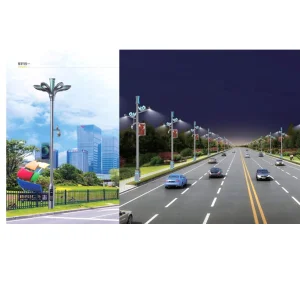
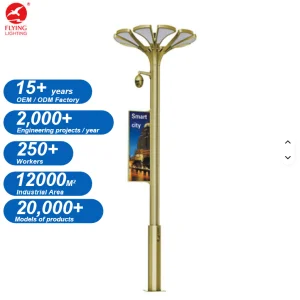
Our smart poles and adaptive signaling devices integrate directly with urban municipal management software. These multi-functional fixtures combine EV charging modules, traffic signaling, and CCTV interfaces to create a comprehensive urban node that communicates status anomalies dynamically to close-range passenger vehicles via targeted light-signal emissions.
Charting the transition from traditional LED clusters to high-resolution matrix projections and vehicle-to-everything (V2X) visible signaling.
By mapping thousands of independently controlled micro-LED pixels, our next-generation headlamp and signal systems actively shade oncoming road users while maintaining optimal high-beam intensity for the driver.
Modern signal systems are shifting from indicator lights to projection arrays. Our systems are engineered to project pedestrian crosswalk warnings, lane departure indicators, and hazard symbols directly onto the road surface.
Simplifying wire harnesses is a core requirement for EV weight reduction. Our signal lights house micro-microcontrollers capable of parsing diagnostic feedback and receiving color-shifting templates directly via LIN bus protocols.
Within the next five years, EV lighting will adapt dynamically based on telemetry and weather conditions. Software-Defined Lighting allows manufacturers to push over-the-air (OTA) updates to vehicle signature patterns. Hangzhou EV Light Co., Ltd. is actively developing hardware controllers compatible with automotive Linux nodes, preparing for a future where vehicle lighting changes to meet evolving safety profiles and brand initiatives.
Leveraging the world's most robust and integrated automotive electronics ecosystem for unmatched delivery speed and quality.
At Hangzhou EV Light Co., Ltd., we utilize China's advanced industrial infrastructure to deliver rapid prototyping, component sourcing, and mass-scale production. Located in the Yangtze River Delta automotive cluster, we have direct access to raw-material providers, advanced semiconductor manufacturers, precision optoelectronic testers, and international shipping channels.
This close geographic integration translates into shorter lead times, lower material logistics costs, and agility when custom modifications are required. From initial design approval to containerized shipping, our operations are optimized to streamline the supply chain for our global OEM partners.
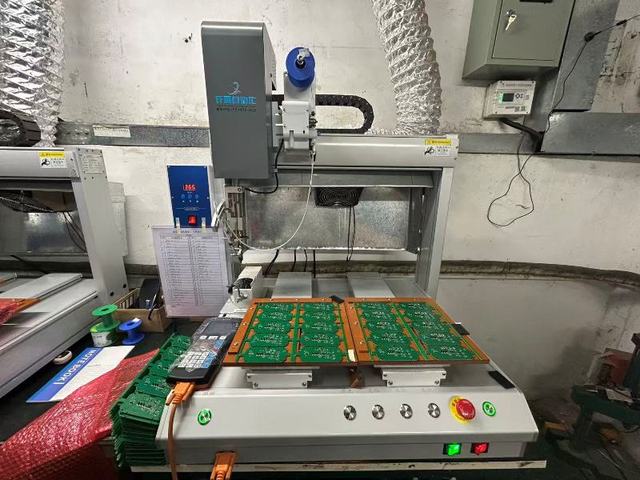
Furthermore, our factory employs automated Surface Mount Technology (SMT) lines, clean-room assembly environments, and end-of-line functional testers to minimize human error and ensure that every signal system meets strict automotive standards before leaving the facility.
Ensuring seamless integration into global markets through comprehensive engineering documentation and certification support.
Compliance with FMVSS 108 regulations, covering luminous intensity, reflex reflector placement, and environmental durability profiles for the US and Canadian markets.
Supporting ECE R148 (light-signaling devices), R149 (road illumination), and R10 (electromagnetic compatibility) validation workflows for European markets.
Certified compliance with GB 4785 and GB 5920 standards, ensuring trouble-free importation, local distribution, and integration into the Chinese EV market.
Hangzhou EV Light Co., Ltd. provides complete testing documentation, photometry reports, and assistance during the homologation process to help our partners secure local certifications quickly.
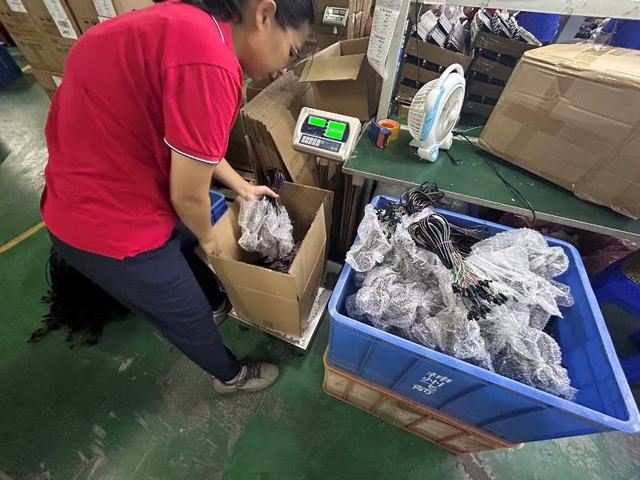
A visual tour of our production plant, optical laboratories, testing setups, and finished assemblies.
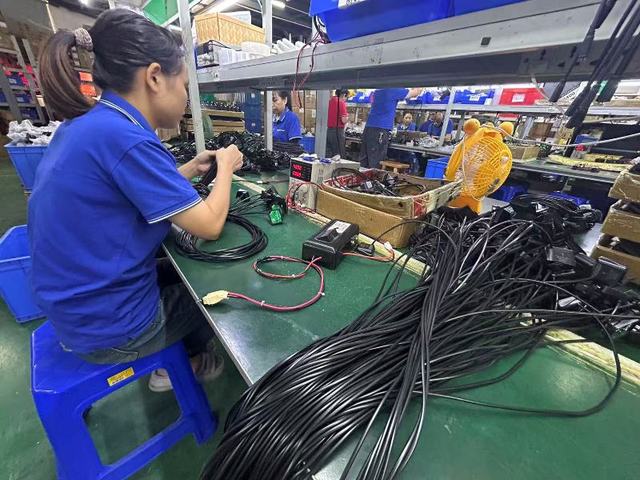
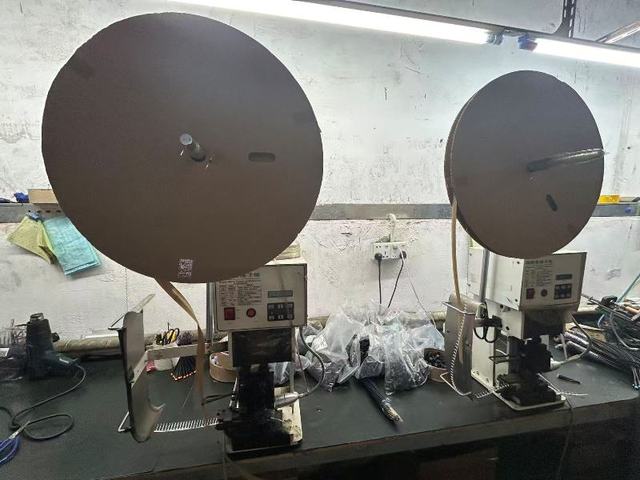
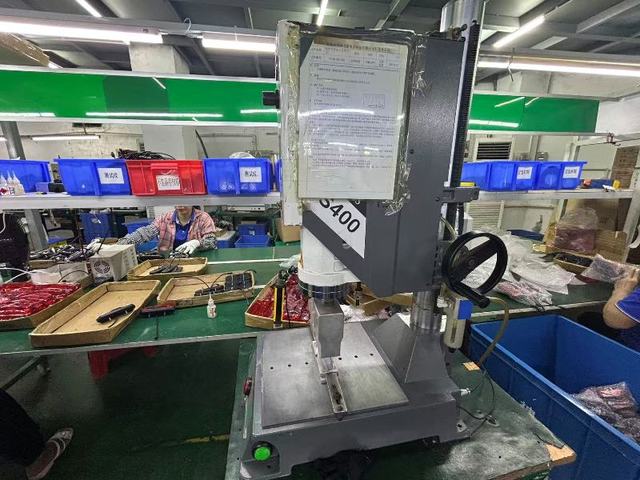
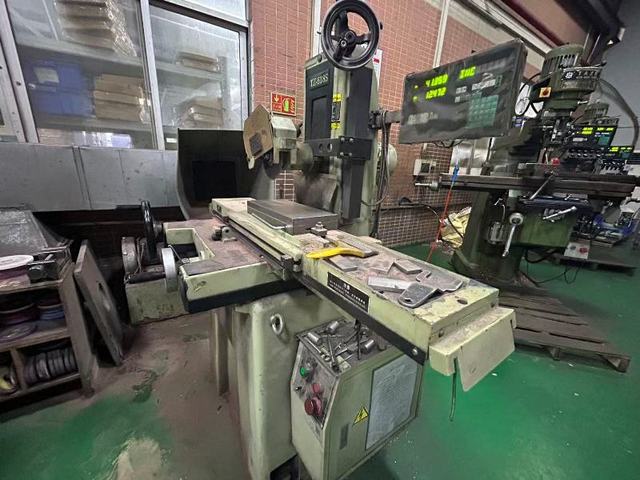
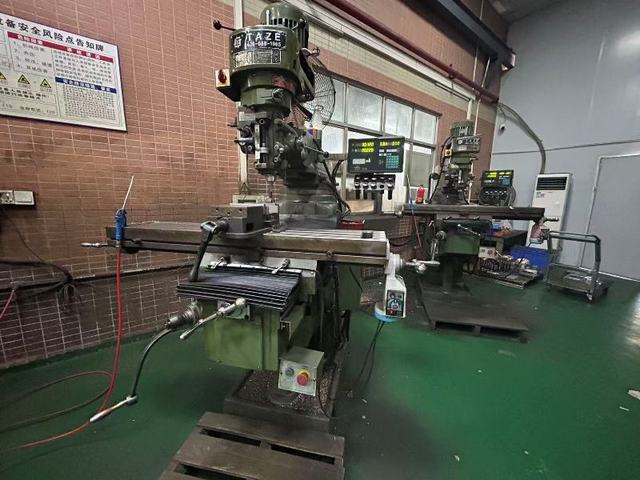
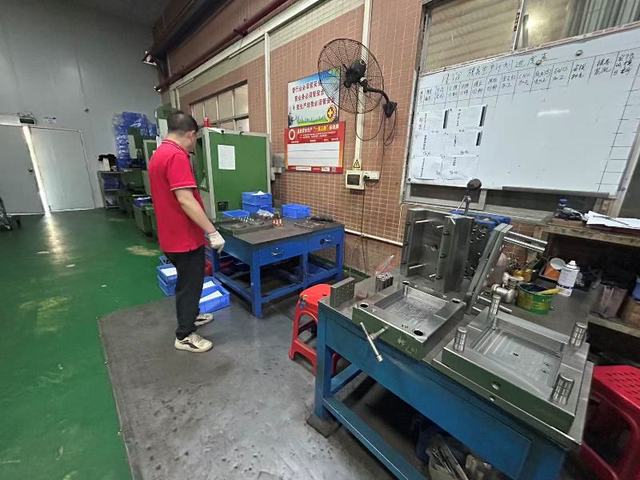
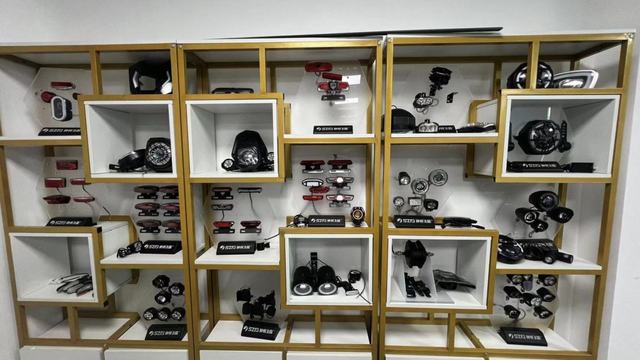
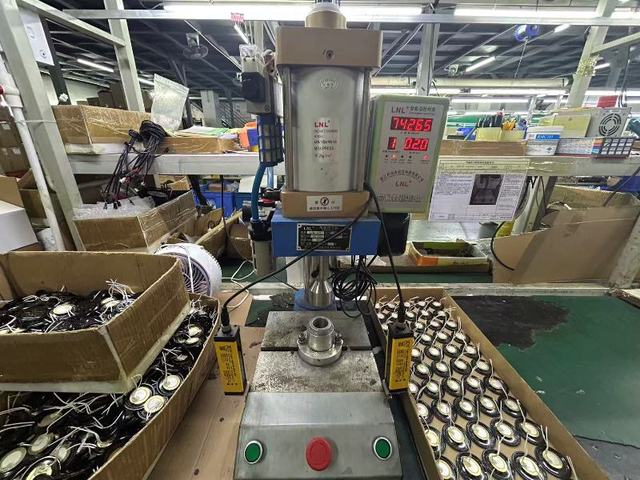
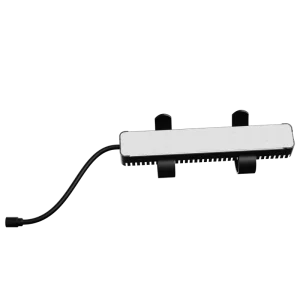
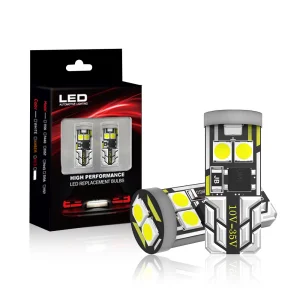
Explore our diverse portfolio of smart streetlights, micro-lighting modules, and customized vehicular signal units.
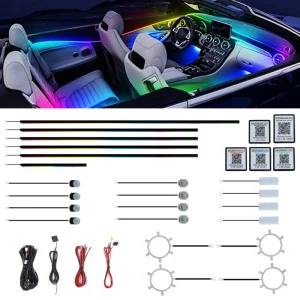
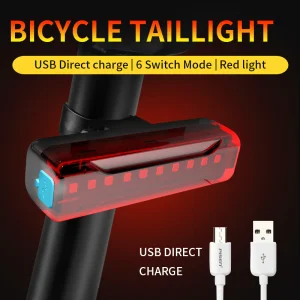
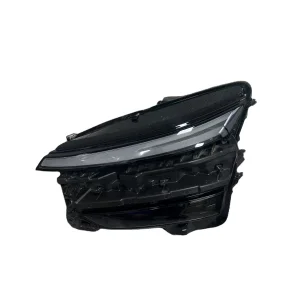
Expert technical insights from Hangzhou EV Light's lead engineers regarding manufacturing parameters, customized integration, and orders.
 EV Light