Explore our flagship OEM/ODM automotive integrations, specialized ambient setups, and high-intensity vehicle arrays designed to optimize road performance.
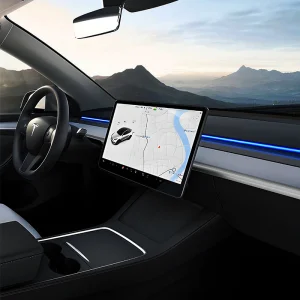

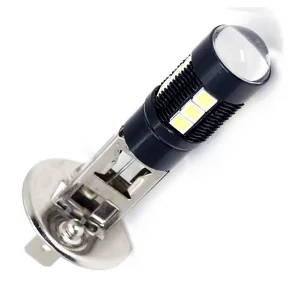
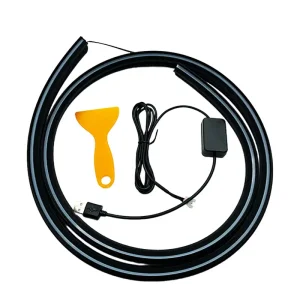
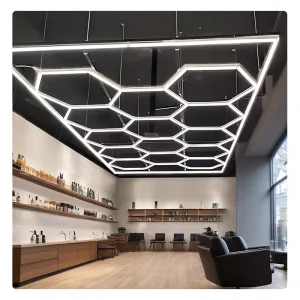
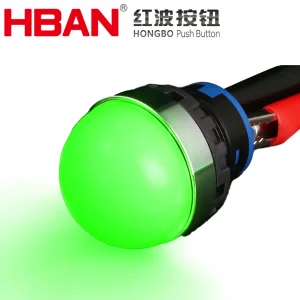
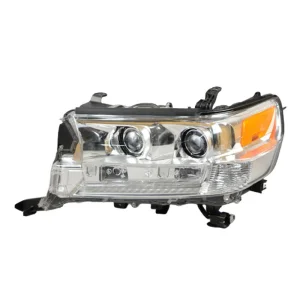
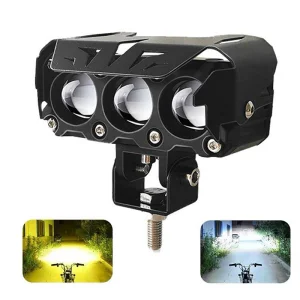
Hangzhou EV Light Co., Ltd. is a professional China electric vehicle lighting manufacturer specializing in EV LED lighting and smart automotive lighting solutions for the rapidly evolving new energy vehicle industry. With a strong commitment to innovation, performance, and reliability, we provide advanced lighting technologies that enhance vehicle safety, energy efficiency, functionality, and visual appeal.
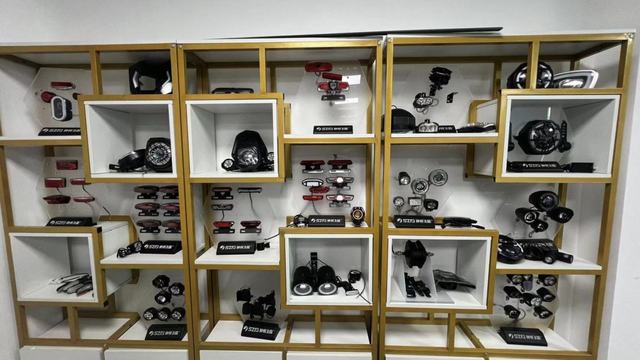
Our product portfolio includes EV headlight systems, taillight assemblies, daytime running lights, signal lighting, interior ambient lighting, charging status indicators, smart lighting modules, and customized automotive lighting solutions. Designed to meet the requirements of modern electric vehicles, our products are widely used in passenger EVs, commercial electric vehicles, electric buses, electric motorcycles, electric scooters, and emerging smart mobility applications.
At Hangzhou EV Light, we combine advanced engineering expertise with modern manufacturing capabilities to develop lighting solutions that deliver superior brightness, durability, and energy efficiency. Our experienced research and development team continuously explores new technologies in intelligent lighting control, adaptive lighting systems, LED integration, and automotive electronics to support the future of electric transportation.
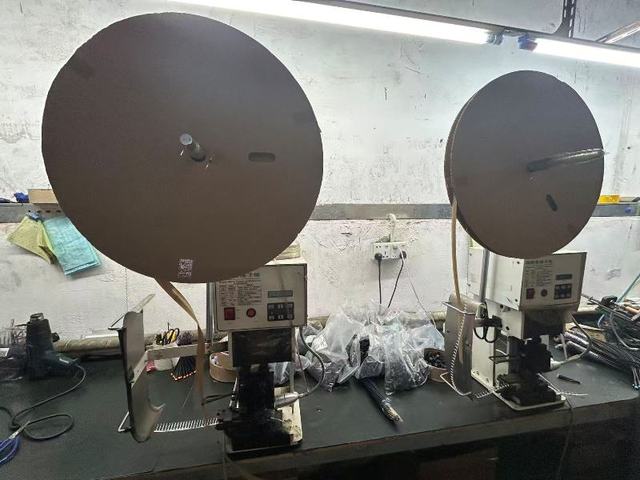
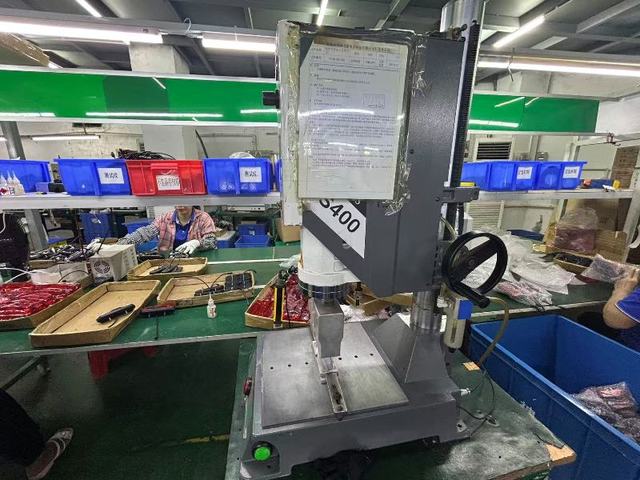
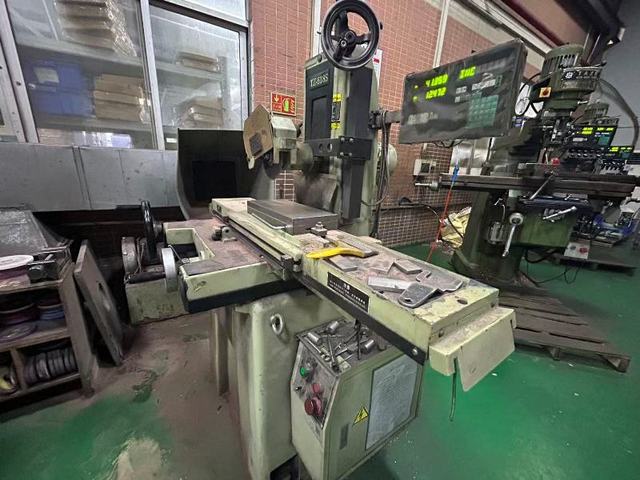
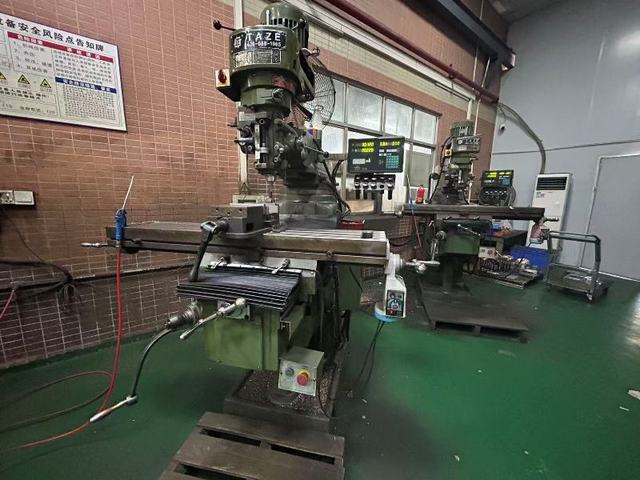
Quality is at the core of our operations. From component sourcing and product development to production and final testing, every stage follows strict quality management procedures to ensure consistent performance and compliance with international automotive standards. Our manufacturing facility is equipped with advanced production and testing equipment, enabling us to provide reliable products for demanding automotive environments.
We offer comprehensive OEM and ODM services for vehicle manufacturers, automotive suppliers, distributors, and mobility brands worldwide. Whether customers require customized designs, private-label production, or large-scale manufacturing, our flexible production capabilities support projects of various sizes and specifications.
Serving clients across North America, Europe, Southeast Asia, the Middle East, and other global markets, Hangzhou EV Light Co., Ltd. is dedicated to delivering innovative electric vehicle lighting solutions that contribute to safer, smarter, and more sustainable transportation. Our mission is to become a trusted global partner in advanced automotive lighting technology and smart mobility innovation.
Understanding macro-economic changes, supply chain evolution, and energy constraints driving the global adoption of optimized optoelectronics.
The global vehicle lighting market is undergoing its most significant shift since the transition from halogen to high-intensity discharge (HID) technology. Driven by the rapid growth of electric vehicles (EVs) and autonomous driving architectures, the industry is moving from simple illumination to highly integrated, software-defined optical platforms. Luminous efficiency is no longer the only design priority; vehicle lighting optimization now plays a critical role in managing heat, reducing power consumption, and improving safety.
In electric vehicles, power conservation is directly linked to driving range. Traditional halogen headlight clusters draw between 110W and 130W, whereas modern solid-state LED systems optimized for EVs consume less than 30W while delivering superior lumens per watt. This difference significantly reduces the load on the high-voltage battery system, saving energy for the electric powertrain. As a result, automotive Tier-1 suppliers and OEMs are systematically replacing older lights with low-energy, high-efficiency lighting arrays.
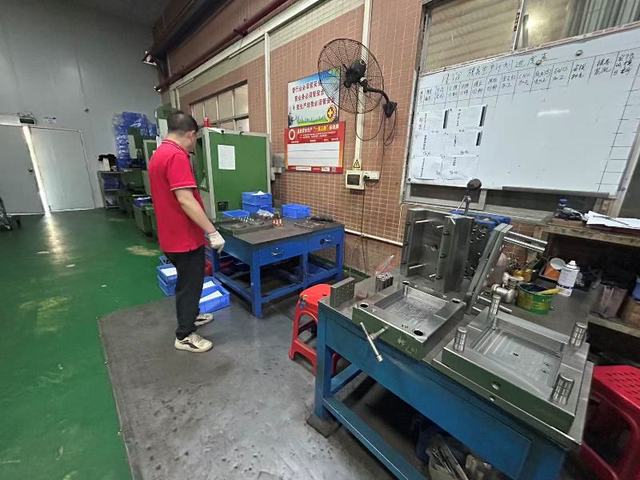
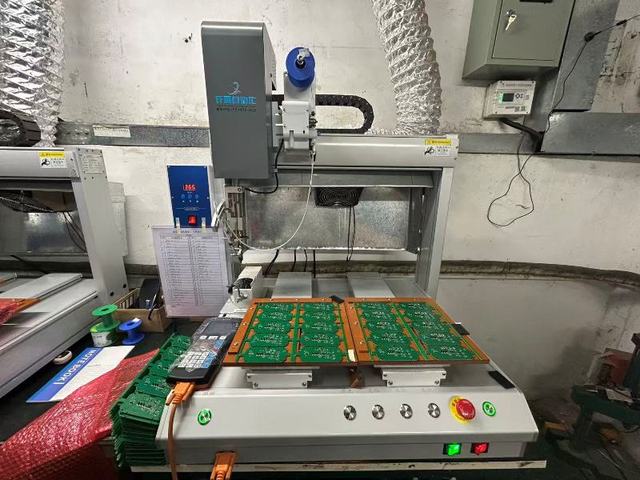
From an industrial perspective, manufacturing centers in the Asia-Pacific region—particularly China—have become the hub of this innovation. By combining semiconductor fabrication with advanced plastic molding and robotic assembly, factories are producing high-performance, cost-effective automotive lighting systems. These systems feature advanced technologies like liquid cooling, multi-chip matrix LED arrays, and direct integration with vehicle bus protocols such as Local Interconnect Network (LIN) and Controller Area Network (CAN). This concentration of manufacturing capabilities allows OEMs worldwide to customize lighting designs with short development cycles.
Additionally, the rise of shared mobility platforms and commercial delivery fleets has changed durability requirements. Lighting systems must now withstand continuous use in extreme weather conditions. This demands high levels of ingress protection, UV-stable lens materials, and robust vibration resistance. Our industrial solutions address these needs by using automated optical inspection (AOI) and advanced validation testing to ensure long-term reliability under challenging environmental conditions.
Our engineering capabilities cover every aspect of modern vehicle lighting, from thermal management to smart vehicle bus integration.
We connect vehicle blind-spot detection (BSD) sensors with interior and exterior lights. This creates immediate visual warnings for the driver and pedestrians, improving overall safety.
We use aluminum PCB substrates and advanced thermal designs to quickly dissipate heat. This maintains low junction temperatures, ensuring stable color output and a lifespan of over 50,000 hours.
By optimizing driver circuits and using high-efficiency LEDs, our systems draw up to 80% less power than standard halogen lights, helping extend EV driving range.
Our custom optical lenses and light guides project precise, well-defined beams. This minimizes glare for oncoming traffic while maximizing forward visibility.
Every product undergoes strict testing, including water immersion, vibration resistance, and photometrical analysis, to ensure compliance with global automotive standards.
How we transition from static lighting to dynamic, responsive optical networks integrated with autonomous systems.
The roadmap for vehicle lighting optimization centers on software-defined hardware. Static headlights are being replaced by Adaptive Driving Beam (ADB) systems and Matrix LED arrays. These systems interface directly with the vehicle's forward-looking cameras and radar modules. By dynamically turning off individual light-emitting diodes in a multi-pixel array, ADB systems shade out oncoming vehicles to prevent glare while keeping the rest of the road fully illuminated. This level of control requires high-speed microcontroller units (MCUs) and low-latency communication networks inside the light housing.
Additionally, interior lighting has evolved from simple styling to an active element of the vehicle's human-machine interface (HMI). Our advanced interior ambient lighting links directly to the car's Advanced Driver Assistance Systems (ADAS). For instance, when a blind-spot sensor detects a nearby vehicle, the door-panel light strips transition from a cool blue to a flashing red. This uses the driver's peripheral vision to deliver immediate safety warnings, improving reaction times compared to dashboard icons or audio alerts alone.
Looking ahead, we are focusing on integrating micro-LED projection systems directly into vehicle headlamps and door welcome lights. These systems can project symbols, like pedestrian crosswalk indicators or lane deviation warnings, directly onto the road surface. Achieving this level of precision requires clean, highly durable optical components. We use advanced plastic injection molding and UV-stabilized materials to prevent fogging, yellowing, and optical distortion over years of exposure to sunlight and weather.
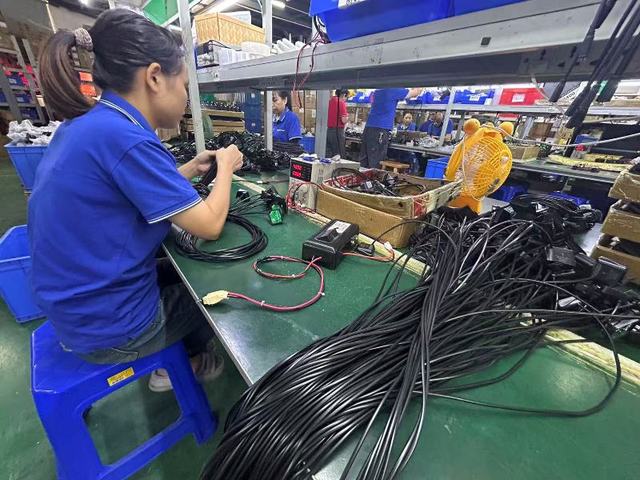
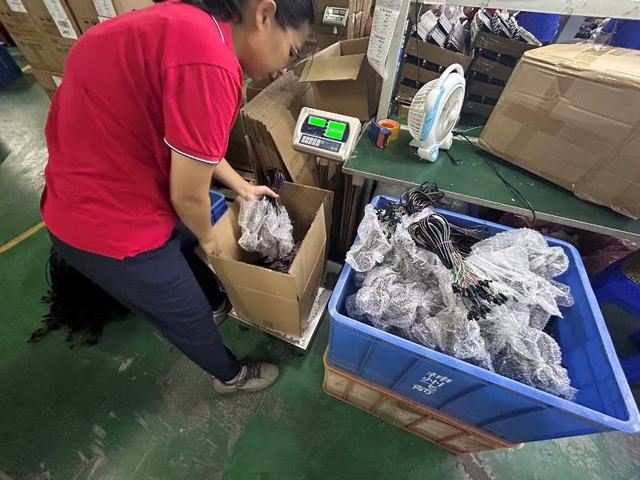
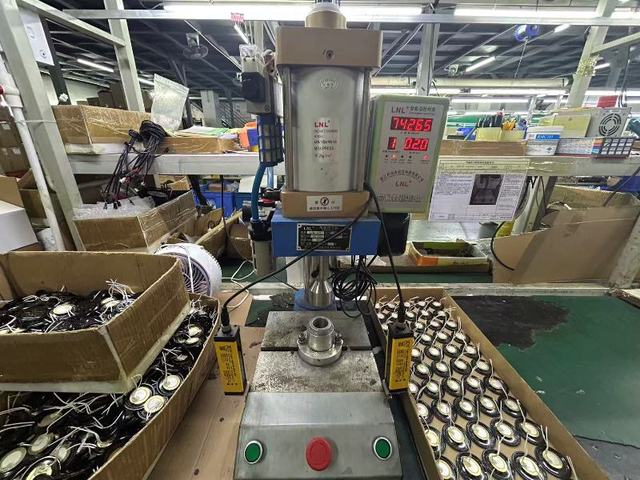
Our ISO-certified manufacturing facility features modern clean rooms, automated SMT lines, and advanced quality assurance equipment.
Navigating complex international regulations, including UNECE, FMVSS, and GB standards, to ensure seamless global distribution.
Automotive lighting is heavily regulated, with standards varying significantly across regions. To sell successfully in multiple markets, manufacturers must adapt their optical designs to local legal requirements. In North America, lighting must comply with the Federal Motor Vehicle Safety Standard FMVSS 108, which mandates specific photometrical distributions, reflector configurations, and amber side markers. In Europe and many parts of Asia, the United Nations Economic Commission for Europe (UNECE) regulations apply, requiring different beam cut-offs, asymmetrical patterns, and allowing dynamic technologies like ADB much earlier than North American regulators.
At Hangzhou EV Light Co., Ltd., we design our custom OEM components to meet these regional requirements from the start of development. We use advanced computer-aided optical simulation software to analyze beam patterns and ensure compliance before tooling begins. Our testing laboratory performs key safety assessments, such as evaluating goniophotometric properties, color coordinate values, and light source stability. This ensures our headlight and indicator systems can easily pass certifications like DOT, E-Mark, and CCC.
Beyond optical performance, localization also means adapting to different regional climates and driving environments. Lighting designed for humid regions in Southeast Asia requires IP67 or IP69K ingress protection to prevent moisture buildup inside the lens. Conversely, systems developed for cold climates in Northern Europe or North America need integrated heating elements on the outer lens to melt ice and snow. This prevents blockages that could affect the vehicle's light output and sensors.
From heavy commercial transport fleets to smart city infrastructure, we optimize lighting systems for diverse industries.
Vehicle lighting optimization extends beyond passenger cars. The commercial sector—including buses, heavy-duty trucks, and delivery vans—faces distinct challenges in safety and operating costs. For commercial fleets, downtime caused by lighting failures is a significant expense. We address this by engineering heavy-duty LED lights with cast-aluminum housings and shock-absorbing internal mounts. These designs protect the sensitive driver electronics from the constant vibration of long-haul trucking and demanding routes.
Additionally, micro-mobility transport—such as electric bicycles, scooters, and light motorcycles—requires specialized, highly compact lighting. These vehicles have limited battery space, demanding high-performance optoelectronics that produce strong light beams from very low currents. Our compact LED conversion kits and auxiliary spotlights deliver high performance in small, lightweight packages, keeping riders visible and safe on crowded city streets.
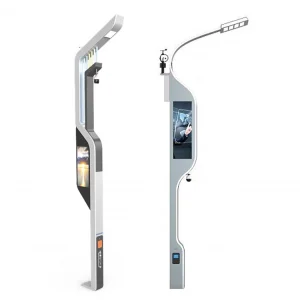
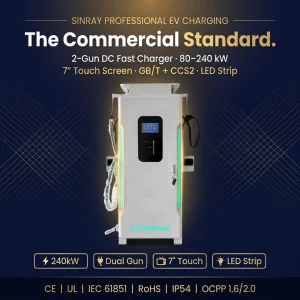
Finally, modern smart city designs are creating a connection between vehicles and public infrastructure. Lighting poles equipped with Wi-Fi transmitters and electric vehicle charging points now interact with incoming cars. By coordinating charging indicators with the vehicle's internal state-of-charge lights, users can easily monitor charging progress from a distance. Integrating these technologies requires deep expertise in both automotive electrical architectures and outdoor industrial electrical systems.
Technical insights into the development, customization, and thermal engineering of modern automotive lighting systems.
The development cycle for custom OEM projects typically ranges from 12 to 24 weeks. This timeline includes optical simulation, CAD mechanical design, prototyping, photometric verification, and final mold building. Fast-track options for modifications of our existing designs can be completed in as little as 6 to 8 weeks.
We use multi-layer aluminum PCBs, premium high-conductivity thermal paste, and optimized thermal management. Where passive cooling is not enough, we integrate ultra-quiet brushless fans with IP65-rated housings to draw heat away from the LED junctions, keeping temperatures below 85°C.
Yes, our smart interior lights are designed to communicate directly with vehicle LIN and CAN-FD networks. They support dynamic brightness and color adjustments controlled by the vehicle's body control module (BCM) or active ADAS safety features.
Our products undergo a rigorous test suite, including IPX9K water spray testing, high/low-temperature thermal shock (-40°C to +105°C), salt spray testing for corrosion resistance, and multi-axis random vibration testing to ensure structural integrity on rough roads.
Yes, we design complex optical systems with switchable beam shields or software-controlled LED segments. This allows the same headlight assembly to be configured for either left-hand or right-hand drive traffic, meeting both DOT and ECE requirements.
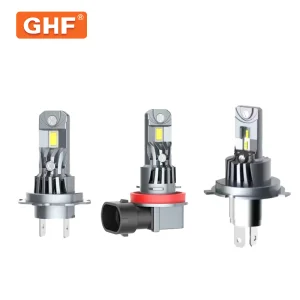
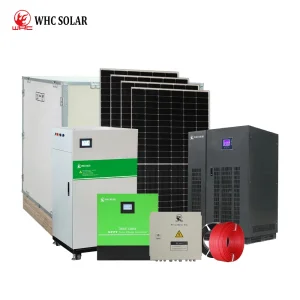
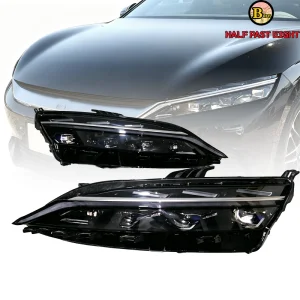
From auxiliary indicators to industrial power modules, explore more components engineered to the highest performance standards.
 EV Light