Explore our leading catalog of high-efficiency LED subsystems, smart projector assemblies, and signal indicators tailored for modern new energy vehicle (NEV) configurations.
How the transition from Internal Combustion Engines (ICE) to Electric Vehicles is reshaping automotive optics, supply chains, and power budgeting.
The global automotive lighting sector is undergoing its most radical transformation since the transition from halogen to Xenon technology. Driven by the exponential growth of electric vehicles (EVs) and smart driving ecosystems, Electric Vehicle Headlight Enhancements have emerged from aftermarket aesthetic upgrades into critical, high-technology OEM requirements. In traditional ICE vehicles, alternator capacity and minor energy variations did not significantly impact fuel range. For battery-powered vehicles (BEVs), energy conservation is paramount: every milliampere saved in solid-state lighting components translates directly into extended driving range.
Moreover, the integration of Advanced Driver Assistance Systems (ADAS) requires modern headlights to act not just as passive illumination arrays but as data-integrated, active projection nodes. High-precision laser sources, Digital Light Processing (DLP) projection systems, and Adaptive Driving Beam (ADB) matrices are now essential tools for safety and vehicle-to-everything (V2X) communication. Global suppliers are redesigning their engineering flowcharts to incorporate low-power driver ICs, fanless passive thermal dissipators, and lightweight polymer optics to meet strict weight-reduction thresholds set by major EV OEMs in the United States, Europe, and Asia-Pacific regions.
Key evolutionary pathways driving the engineering standards of global Tier-1 electric vehicle lighting exporters.
The integration of high-resolution matrix LEDs (typically 100 to over 20,000 pixels) linked directly to front-facing ADAS cameras. These systems automatically dim specific regions of the light beam to avoid glaring oncoming drivers while keeping road signs and pedestrian paths fully illuminated. By preventing glare without shutting off full-beam capabilities, safety thresholds are significantly elevated in dark rural regions.
Digital Light Processing technology allows headlights to function as high-definition projectors. Modern EV headlamps project turn-by-turn navigation arrows directly onto the road surface, display warning icons for icy roads, or lay down virtual pedestrian crossing lines to communicate intention to vulnerable road users. This represents the convergence of display technology with high-intensity projection systems.
Since heat degrades LED lifespan and decreases light output efficiency, robust thermal engineering is vital. Leading manufacturers are introducing fanless, aviation-grade magnesium-aluminum alloy heat sinks. By eliminating physical fan elements, systems achieve total immunity to dust, vibrations, and mechanical wear, ensuring lifetime operational reliability equal to or exceeding that of the vehicle.
EV headlights face different performance hurdles depending on global deployment climates. In sub-zero regions (e.g., Northern Europe, Canada), LEDs generate very little forward heat compared to halogen bulbs. This results in headlamps freezing or accumulating snow cover during heavy storms. Leading developers counteract this by integrating active heating grids directly into the outer polycarbonate lens surfaces, triggering automatically when external temperatures fall below freezing.
Conversely, in high-humidity tropical zones (e.g., Southeast Asia, Central America), humidity ingress leads to fogging inside the headlight capsule. Exporters counter this through IP67 and IP69K rated vacuum sealing and structural ventilation valves utilizing semi-permeable ePTFE membranes (Gore-Tex type vents) which allow internal pressure equalization and vapor escape without letting external liquid water pass through.
High-reliability product architecture built to streamline assembly, eliminate interference, and exceed international compliance.
Because EVs utilize high-frequency switching controllers (inverters, DC-DC converters), the electromagnetic interference (EMI) field inside the vehicle bay is intense. Headlamp driver circuit designs utilize sophisticated multi-stage LC filters, decoupling capacitors, and shielded metal housings to comply fully with CISPR 25 Class 5 requirements, ensuring the lights do not degrade the performance of vital on-board radar or autonomous driving sensors.
Standardizing the mechanical mounting points and electrical interfaces allows OEMs to utilize a single primary headlight structural chassis across multiple vehicle trims. The base trim might feature standard reflector LEDs, the mid-tier utilizes matrix LEDs, and the premium variant deploys dynamic laser projectors. This modularity reduces structural tooling costs, lowers replacement component overheads, and dramatically simplifies automated factory line installation.
Every unit shipped across the globe is rigorously certified under international regulatory frameworks:
A trusted pioneer in advanced vehicle lighting and smart mobility ecosystems.
Hangzhou EV Light Co., Ltd. is a professional China electric vehicle lighting manufacturer specializing in EV LED lighting and smart automotive lighting solutions for the rapidly evolving new energy vehicle industry. With a strong commitment to innovation, performance, and reliability, we provide advanced lighting technologies that enhance vehicle safety, energy efficiency, functionality, and visual appeal.
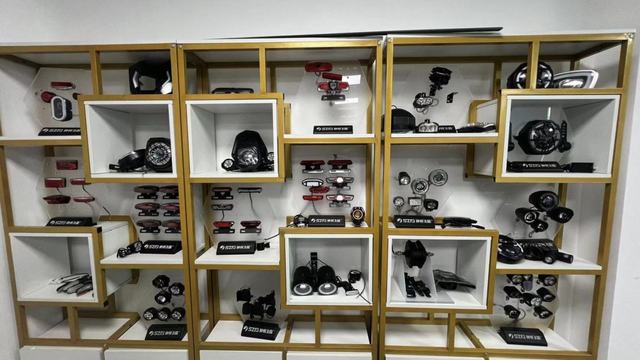
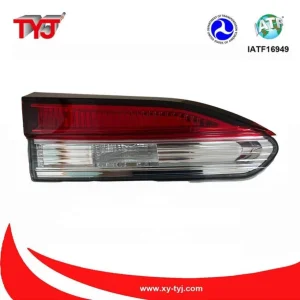
Our product portfolio includes EV headlight systems, taillight assemblies, daytime running lights, signal lighting, interior ambient lighting, charging status indicators, smart lighting modules, and customized automotive lighting solutions. Designed to meet the requirements of modern electric vehicles, our products are widely used in passenger EVs, commercial electric vehicles, electric buses, electric motorcycles, electric scooters, and emerging smart mobility applications.
At Hangzhou EV Light, we combine advanced engineering expertise with modern manufacturing capabilities to develop lighting solutions that deliver superior brightness, durability, and energy efficiency. Our experienced research and development team continuously explores new technologies in intelligent lighting control, adaptive lighting systems, LED integration, and automotive electronics to support the future of electric transportation.
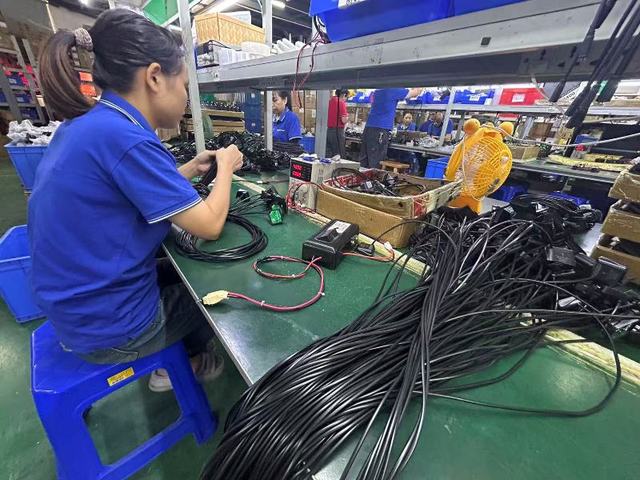
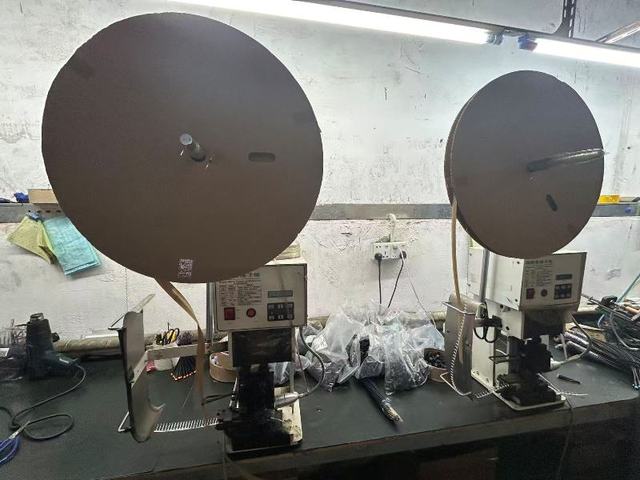
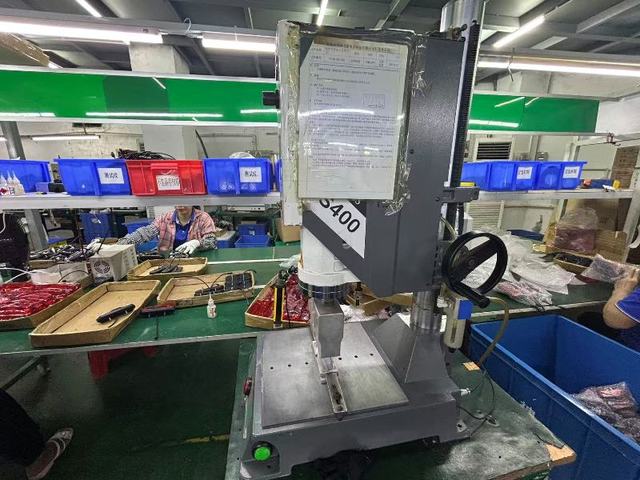
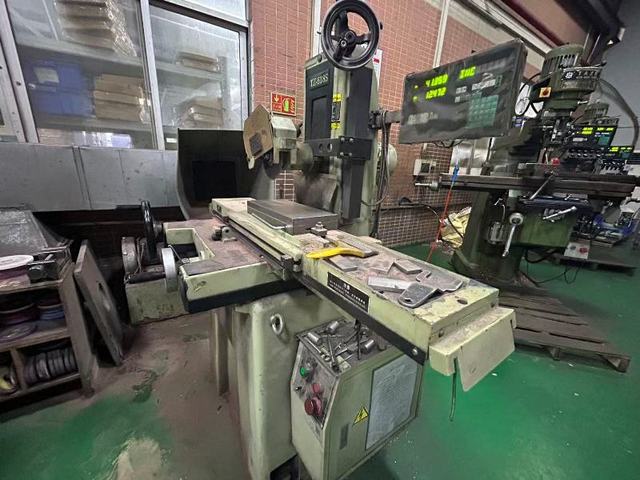
Quality is at the core of our operations. From component sourcing and product development to production and final testing, every stage follows strict quality management procedures to ensure consistent performance and compliance with international automotive standards. Our manufacturing facility is equipped with advanced production and testing equipment, enabling us to provide reliable products for demanding automotive environments.
We offer comprehensive OEM and ODM services for vehicle manufacturers, automotive suppliers, distributors, and mobility brands worldwide. Whether customers require customized designs, private-label production, or large-scale manufacturing, our flexible production capabilities support projects of various sizes and specifications.
Serving clients across North America, Europe, Southeast Asia, the Middle East, and other global markets, Hangzhou EV Light Co., Ltd. is dedicated to delivering innovative electric vehicle lighting solutions that contribute to safer, smarter, and more sustainable transportation. Our mission is to become a trusted global partner in advanced automotive lighting technology and smart mobility innovation.
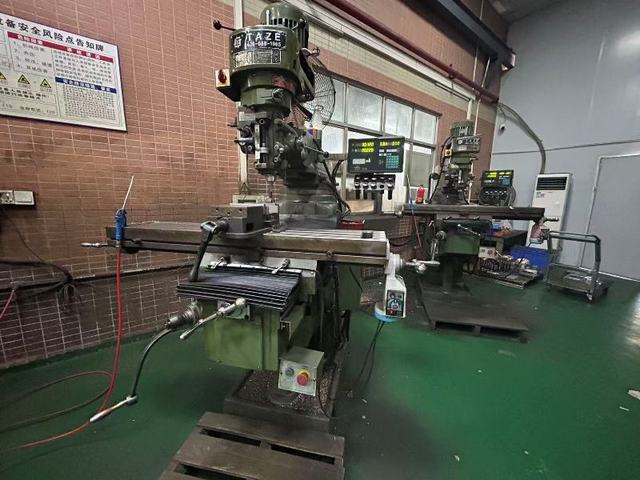
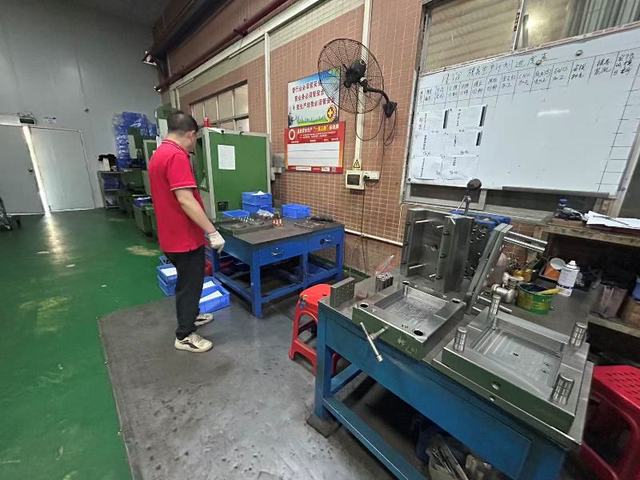
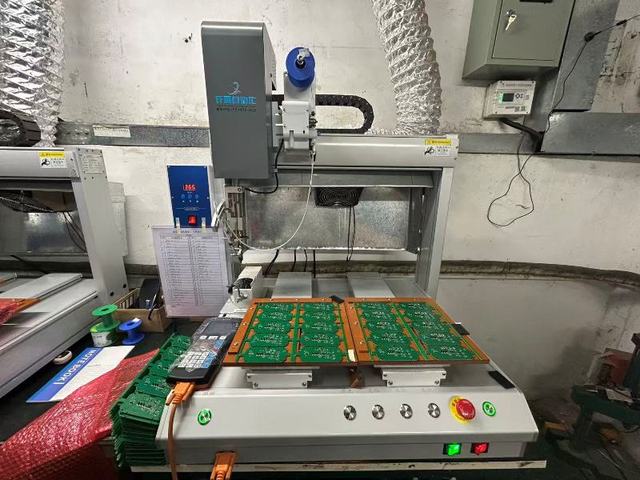
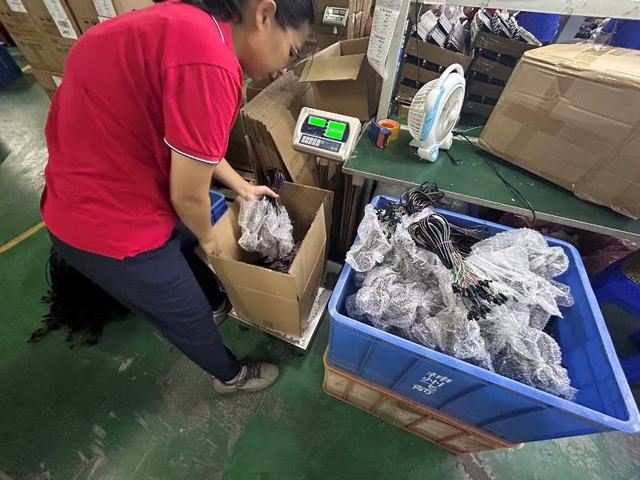
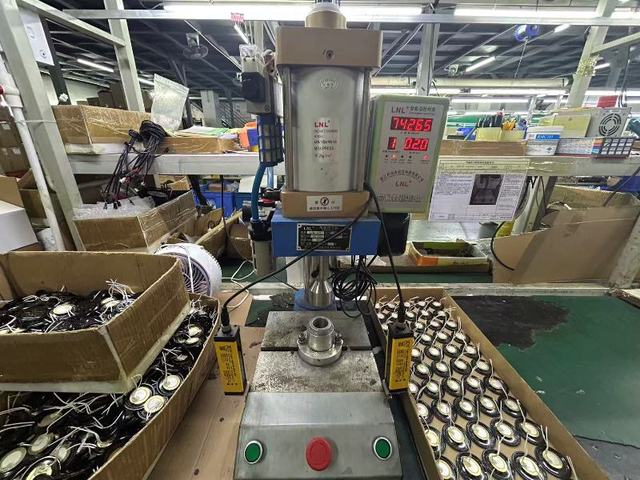
A visual demonstration of our modern production lines, dust-free packaging bays, and environmental test chambers:
Critical technological questions answered by industry experts for global logistics, supply chain, and procurement heads.
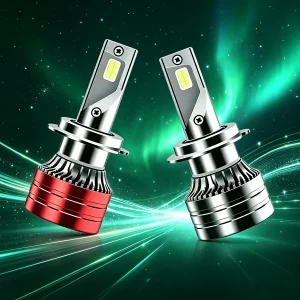
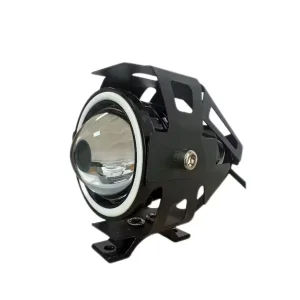
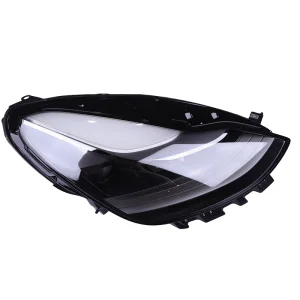
Heavy-duty, high-performance lighting kits, signal indicators, and auxiliary lamps engineered to excel in demanding commercial environments.
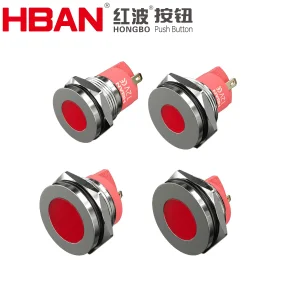
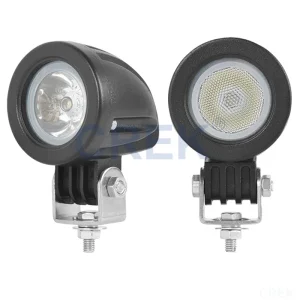
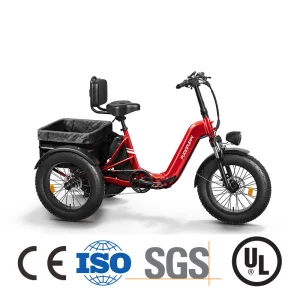
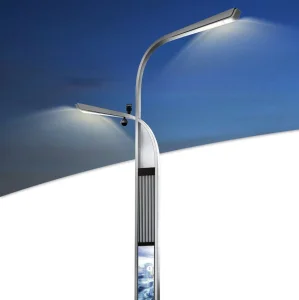
 EV Light