Advanced optical integration, high efficiency, and superior reliability conforming to ECE and FMVSS regulatory standard frameworks.
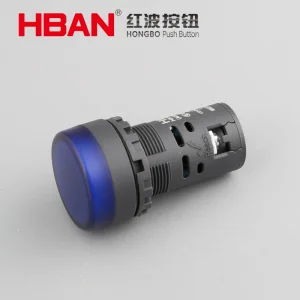
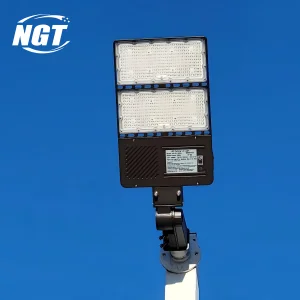
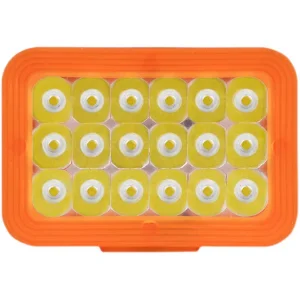
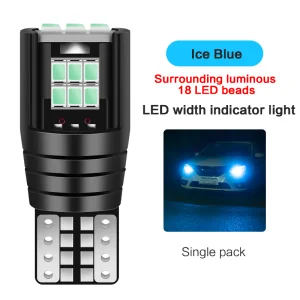
The rapid transition towards New Energy Vehicles (NEVs) has completely redefined the architectural requirements of automotive lighting systems. Unlike traditional Internal Combustion Engine (ICE) platforms, electric vehicles demand light fixtures that act as energy-efficient systems integrated directly into the vehicle's sensor suite.
In the global market, Tier 1 manufacturers and advanced OEM suppliers are pivoting towards high-efficacy solid-state lighting. Lighting represents one of the major parasitic electrical loads in an EV; optimizing electrical efficiency directly extends driving range. Modern designs must manage lower voltage footprints, mitigate extreme thermal densities inside compact aerodynamic housings, and avoid electromagnetic interference (EMI) originating from powertrain high-voltage electronics.
Furthermore, the global market is witnessing an evolution in visual styling. The front grille of the vehicle has been replaced with interactive panels, dynamic pixel grids, and light-bars that enable Vehicle-to-Everything (V2X) communication, making light systems critical to autonomous operation and pedestrian safety.
Hangzhou EV Light Co., Ltd. is a professional China electric vehicle lighting manufacturer specializing in EV LED lighting and smart automotive lighting solutions for the rapidly evolving new energy vehicle industry. With a strong commitment to innovation, performance, and reliability, we provide advanced lighting technologies that enhance vehicle safety, energy efficiency, functionality, and visual appeal.
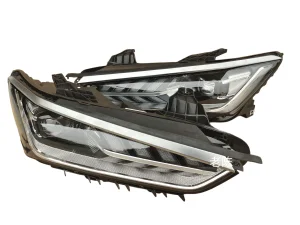
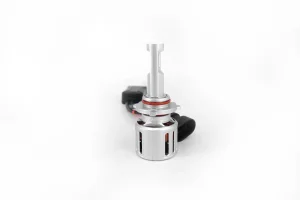
Our product portfolio includes EV headlight systems, taillight assemblies, daytime running lights, signal lighting, interior ambient lighting, charging status indicators, smart lighting modules, and customized automotive lighting solutions. Designed to meet the requirements of modern electric vehicles, our products are widely used in passenger EVs, commercial electric vehicles, electric buses, electric motorcycles, electric scooters, and emerging smart mobility applications.
At Hangzhou EV Light, we combine advanced engineering expertise with modern manufacturing capabilities to develop lighting solutions that deliver superior brightness, durability, and energy efficiency. Our experienced research and development team continuously explores new technologies in intelligent lighting control, adaptive lighting systems, LED integration, and automotive electronics to support the future of electric transportation.
Quality is at the core of our operations. From component sourcing and product development to production and final testing, every stage follows strict quality management procedures to ensure consistent performance and compliance with international automotive standards. Our manufacturing facility is equipped with advanced production and testing equipment, enabling us to provide reliable products for demanding automotive environments.
We offer comprehensive OEM and ODM services for vehicle manufacturers, automotive suppliers, distributors, and mobility brands worldwide. Whether customers require customized designs, private-label production, or large-scale manufacturing, our flexible production capabilities support projects of various sizes and specifications.
Serving clients across North America, Europe, Southeast Asia, the Middle East, and other global markets, Hangzhou EV Light Co., Ltd. is dedicated to delivering innovative electric vehicle lighting solutions that contribute to safer, smarter, and more sustainable transportation. Our mission is to become a trusted global partner in advanced automotive lighting technology and smart mobility innovation.
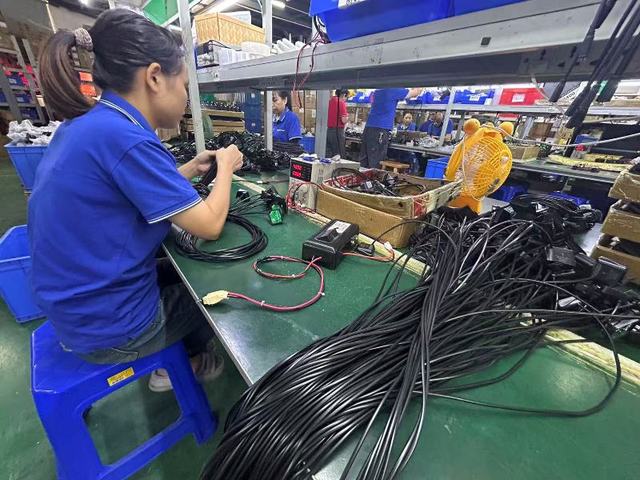
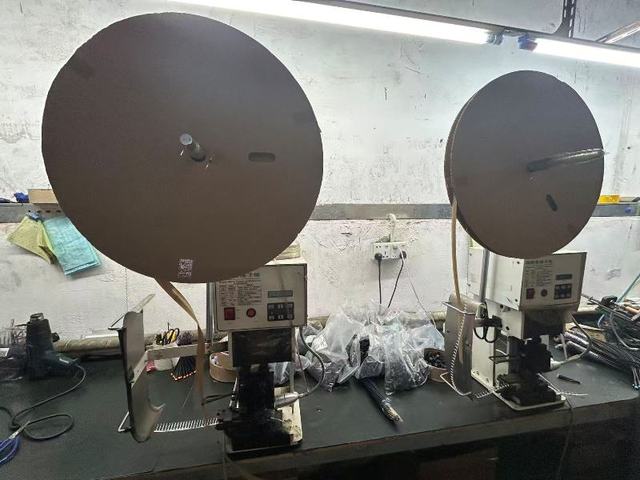
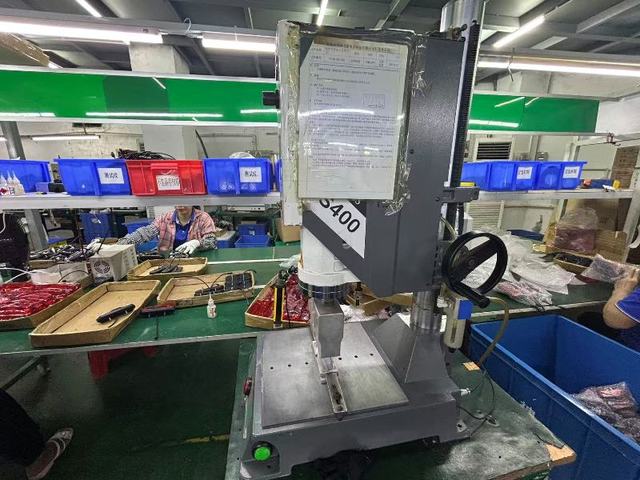
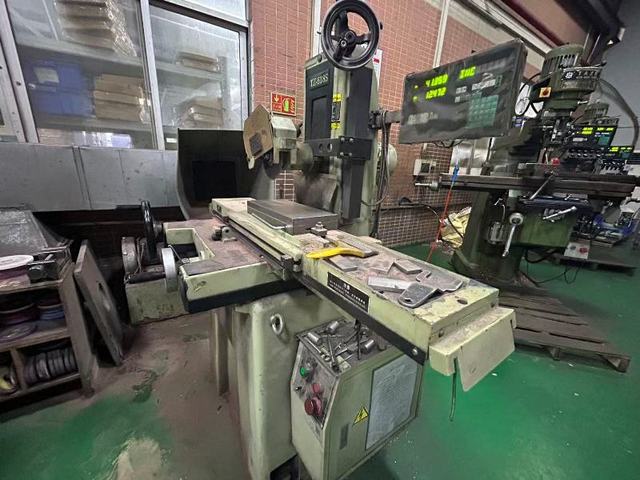
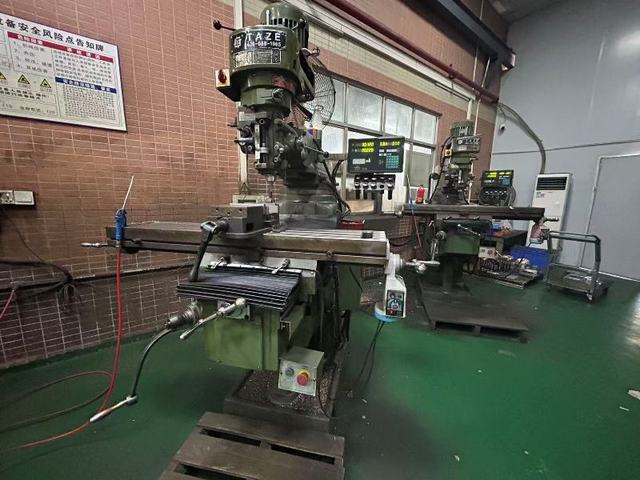
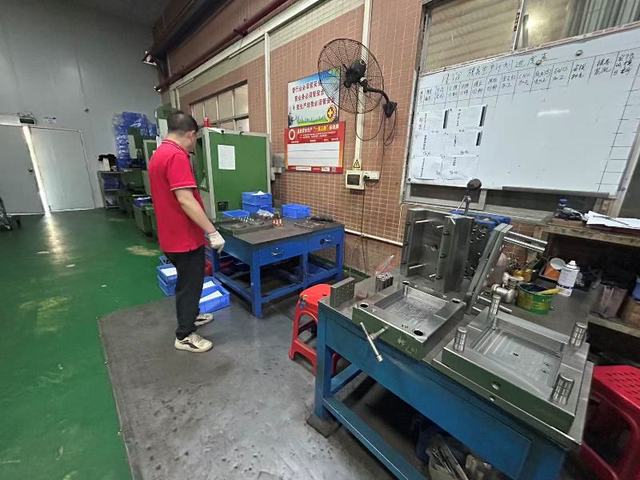
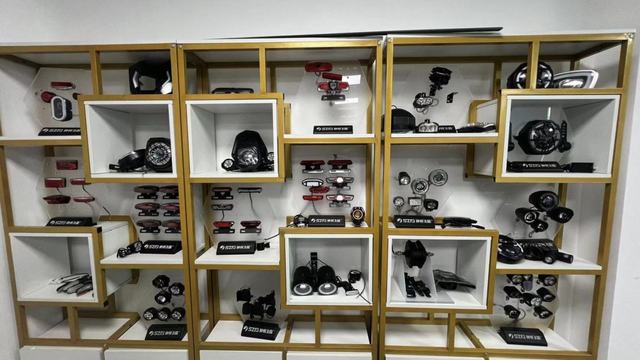
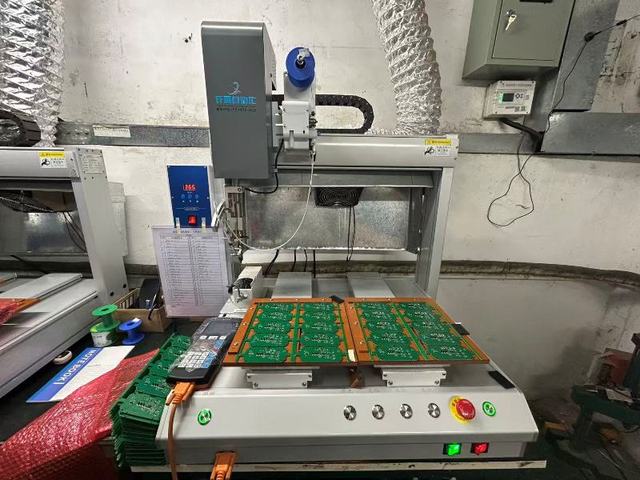
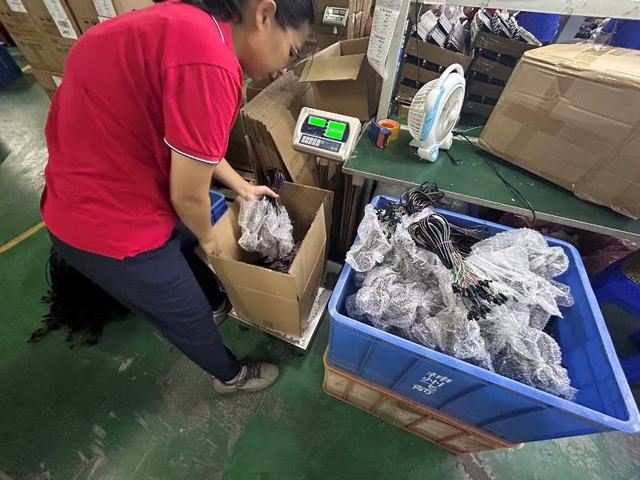
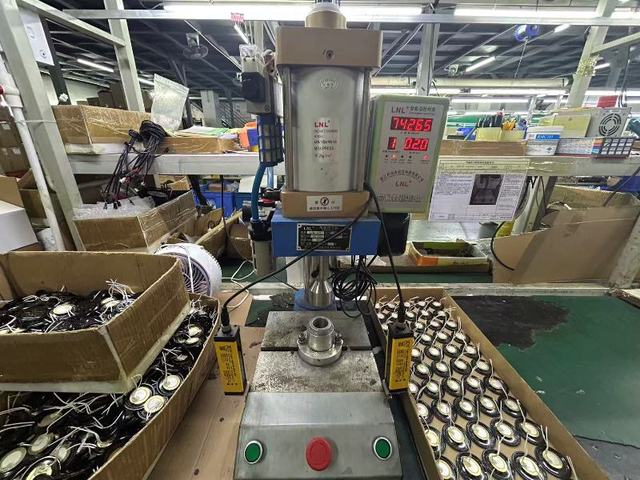
Analyzing the industrial layout, vertical integration, and swift tooling processes driving China's dominant position in EV lighting manufacturing.
By housing all development stages within concentrated industrial regions—ranging from raw materials processing (optical-grade Polycarbonate and PMMA) and precision injection molding tools to SMD/SMT component assembly and laser sealing—Chinese factories dramatically collapse manufacturing cycle times and scale efficiencies.
Using digital simulations, photometrical ray tracing, and stereolithography (SLA) 3D prototyping, Chinese engineering teams execute iteration cycles within days. This allows automotive OEMs to progress from physical model reviews to testing phases ahead of typical industry milestones.
Strategic geographic location within premium industrial hubs like Zhejiang and Guangdong ensures access to local component supply networks. Combined with automated manufacturing pipelines, this results in significant unit-cost savings without compromising build quality or longevity requirements.
The transition from analog vehicle illuminations to intelligent, communicative, and energy-conserving digital light solutions.
As electric vehicles move toward higher levels of autonomy (SAE Level 3 and above), the role of lighting transitions from driver illumination to external signaling. Modern headlights function like projectors, displaying safety symbols, pedestrian crossing pathways, and road hazard warnings directly on the pavement.
The integration of smart communication protocols like CAN-FD and LIN bus enables responsive, real-time lighting control. When charging, exterior LED strips can transition to pulse configurations to visually represent battery charge levels, state of health (SoH), and power intake speed. Indoors, high-density RGB ambient light zones integrate with the vehicle's ADAS to change color and intensity as collision warnings, optimizing passenger awareness and comfort.
Exploring how tailored automotive illumination solutions operate in distinct environments and challenging operational profiles.
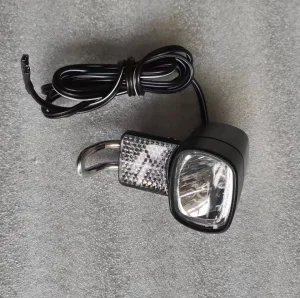
For dense metropolitan corridors, electric bicycles, e-scooters, and delivery fleets require compact, high-efficiency front lamps. Optical lenses must project broad, near-field beams to illuminate uneven road surfaces and keep cyclists visible in busy traffic zones without blinding oncoming commuters.
High-end passenger cars require complex components, including full-width front signature light bars, dynamic sweep indicators, and high-intensity interior reading lamps (such as Tesla aftermarket/OEM configurations). These systems require thermal stability and precise color tuning to maintain premium cabin environments.
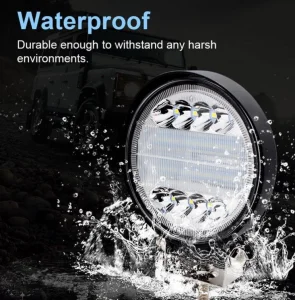
Harsh construction, transport, and agricultural environments depend on rugged work lights. Cast aluminum bodies with high resistance to vibration and high ingress protection (IP67/IP69K) prevent dust and moisture intrusion, ensuring reliability in tough weather conditions.
Operating globally requires compliance with strict regional regulations. Manufacturers must maintain high performance standards under diverse testing environments. A critical factor in selecting an EV lighting partner is their ability to deliver compliant products for various regional markets.
ECE Regulations (Europe & Global Markets)
Compliance with ECE R112, R149, R148 and corresponding Type Approval testing verifies luminous intensity, cutoff lines, and color parameters for international markets.
FMVSS 108 Certification (North America)
Rigorous validation against the Federal Motor Vehicle Safety Standard 108 ensures photometric performance, structural durability, and optical safety across North American transit networks.
GB Standard Audits (China Domestic Market)
Meeting GB 4785 and associated CCC certification frameworks is essential for supply chain integration with leading Chinese domestic EV OEMs.
Choosing a manufacturer that offers local support can prevent import issues and project delays. High-caliber factories provide local engineering contacts, field application support, and warehouse facilities in Europe and North America to manage logistics and changes on short notice.
Through local support teams, manufacturers assist clients with import logistics, compliance documentation, and emergency spare-parts dispatching. For Tier-1 companies, this infrastructure ensures smooth project integration from initial prototyping to final SOP (Start of Production).
This setup minimizes lead times, streamlines complex engineering changes (ECOs), and provides on-site alignment with vehicle-level software interfaces and mechanical mounting platforms.
Answering key engineering questions regarding thermal challenges, driver layouts, EMC, and custom fabrication.
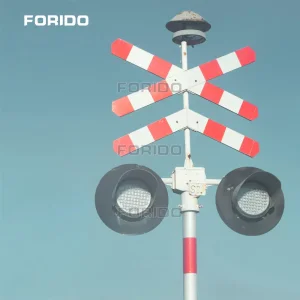
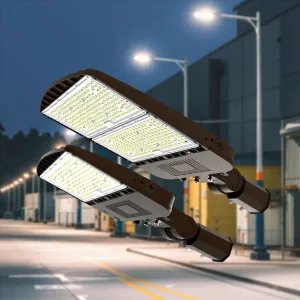
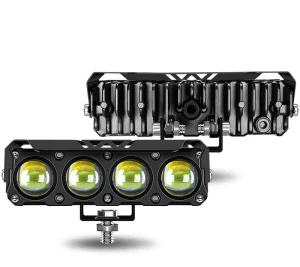
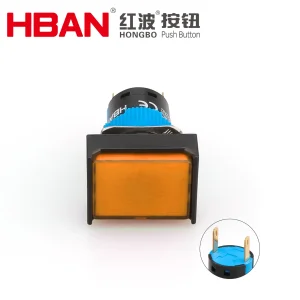
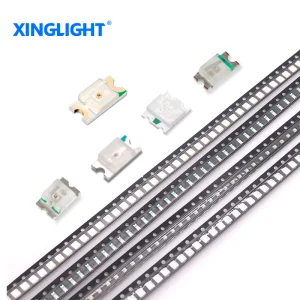
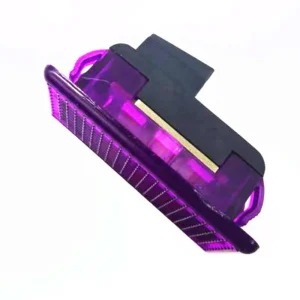
Durable warning systems, industrial indicators, auxiliary vehicle modifications, and high-performance LED chips.
 EV Light