Explore our highly integrated electrical and automotive components designed for the next generation of clean energy mobility.
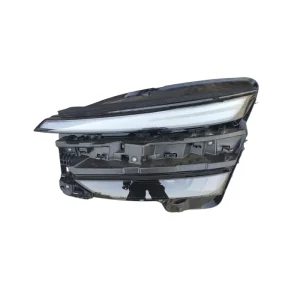
In the global transition toward sustainable mobility, Electric Vehicles (EVs) have redesigned not only powertrains but also auxiliary safety components. Among these, EV Daytime Visibility Lights (also classified as Daytime Running Lights - DRLs) stand as a crucial technological asset. Unlike internal combustion engine (ICE) vehicles, EVs operate with near-silent propulsion, presenting a unique pedestrian hazard in urban environments. Advanced LED-based DRL systems act as the primary visual warning mechanism, dramatically reducing daylight collision risks by enhancing vehicle detectability in diverse environmental conditions.
This industry document analyzes the core paradigms governing the design, engineering, and manufacturing of EV DRLs. We provide strategic sourcing professionals and automotive engineers with the technical criteria required to navigate the current landscape of global manufacturers, highlighting production shifts, design principles, and efficiency benchmarks.
The global market for Electric Vehicle Daytime Visibility Lights is undergoing a significant transformation. Driven by stringent safety regulations such as the United Nations Economic Commission for Europe (UNECE) Regulation No. 87 (ECE R87) and North American Federal Motor Vehicle Safety Standards (FMVSS 108), DRLs are now mandatory in over 40 countries. In the EV ecosystem, they must balance visibility with energy consumption. Because power drawn from the auxiliary battery reduces the overall driving range, manufacturers utilize high-efficacy LEDs coupled with custom light guides to maximize luminous output while minimizing wattage.
Geographically, production is concentrated in major automotive hubs. While European and North American Tier-1 suppliers focus on high-cost proprietary architectural designs for luxury passenger cars, Asian manufacturers—specifically within China’s industrial zones—have optimized large-scale production, delivering exceptionally cost-competitive, high-durability solutions that meet both regional and international regulatory mandates.
EV daytime running lights are engineered with high-efficiency drivers to draw minimal current. Thermal management relies on lightweight aluminum heatsinks rather than forced airflow, compensating for the lack of traditional engine compartment cooling.
Modern EV DRLs feature direct integration with CAN (Controller Area Network) and LIN (Local Interconnect Network) buses. This enables adaptive dimming when headlights are activated, real-time diagnostics, and dynamic animation patterns during vehicle start/stop cycles.
Through micro-structured optical lenses and light guides, manufacturers achieve a seamless "homogenized" light output. This avoids visible LED hotspots, creating a signature aesthetic identity for electric vehicle brands.
A professional China electric vehicle lighting manufacturer specializing in EV LED lighting and smart automotive lighting solutions for the rapidly evolving new energy vehicle industry.
Hangzhou EV Light Co., Ltd. stands as a premier manufacturer specializing in EV LED lighting and smart automotive lighting solutions. With a strong commitment to innovation, performance, and reliability, we provide advanced lighting technologies that enhance vehicle safety, energy efficiency, functionality, and visual appeal.
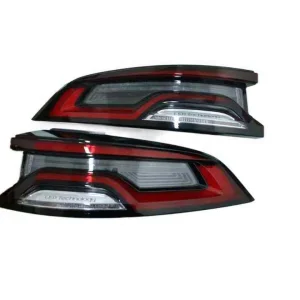
Our product portfolio includes EV headlight systems, taillight assemblies, daytime running lights, signal lighting, interior ambient lighting, charging status indicators, smart lighting modules, and customized automotive lighting solutions. Designed to meet the requirements of modern electric vehicles, our products are widely used in passenger EVs, commercial electric vehicles, electric buses, electric motorcycles, electric scooters, and emerging smart mobility applications.
At Hangzhou EV Light, we combine advanced engineering expertise with modern manufacturing capabilities to develop lighting solutions that deliver superior brightness, durability, and energy efficiency. Our experienced research and development team continuously explores new technologies in intelligent lighting control, adaptive lighting systems, LED integration, and automotive electronics to support the future of electric transportation.
Quality is at the core of our operations. From component sourcing and product development to production and final testing, every stage follows strict quality management procedures to ensure consistent performance and compliance with international automotive standards. Our manufacturing facility is equipped with advanced production and testing equipment, enabling us to provide reliable products for demanding automotive environments.
We offer comprehensive OEM and ODM services for vehicle manufacturers, automotive suppliers, distributors, and mobility brands worldwide. Whether customers require customized designs, private-label production, or large-scale manufacturing, our flexible production capabilities support projects of various sizes and specifications. Serving clients across North America, Europe, Southeast Asia, the Middle East, and other global markets, Hangzhou EV Light Co., Ltd. is dedicated to delivering innovative electric vehicle lighting solutions that contribute to safer, smarter, and more sustainable transportation.
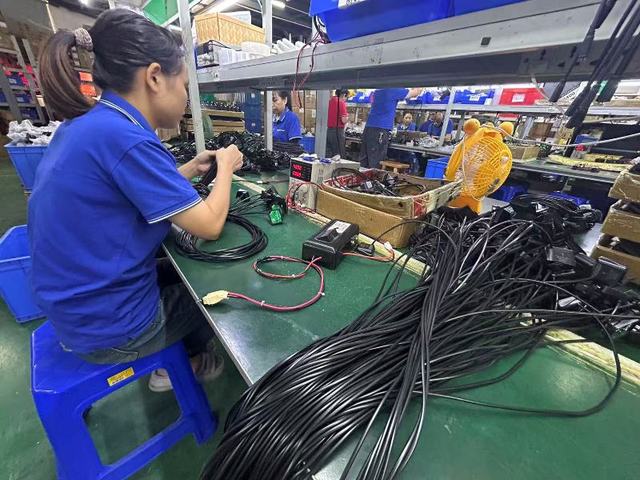
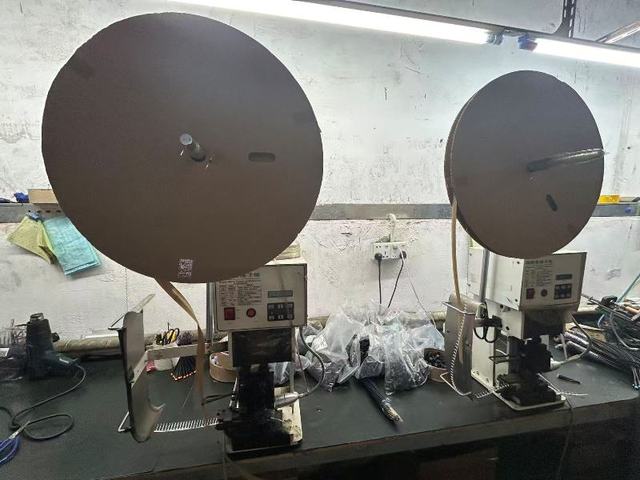
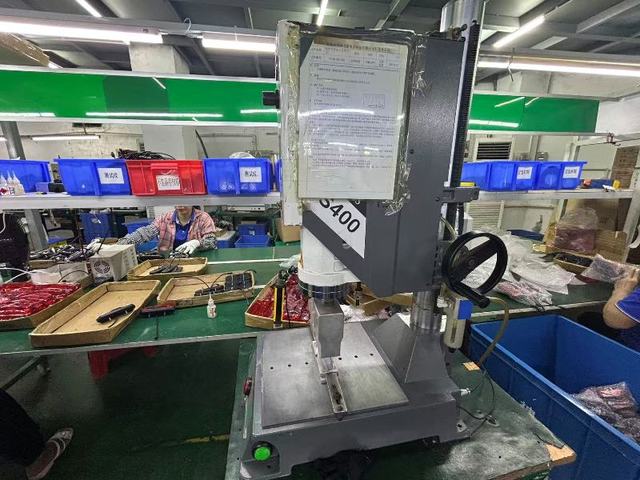
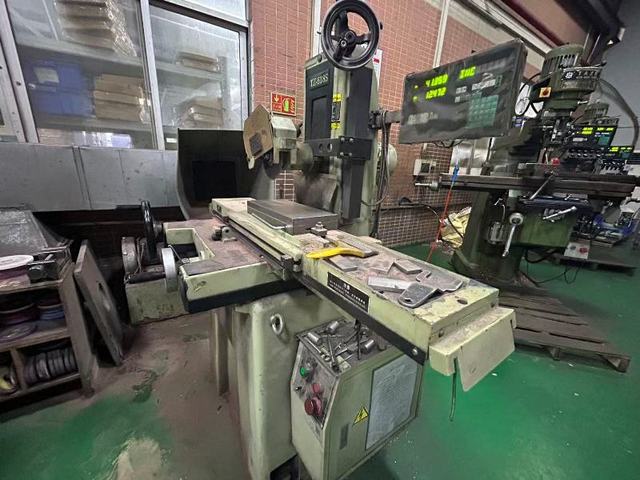
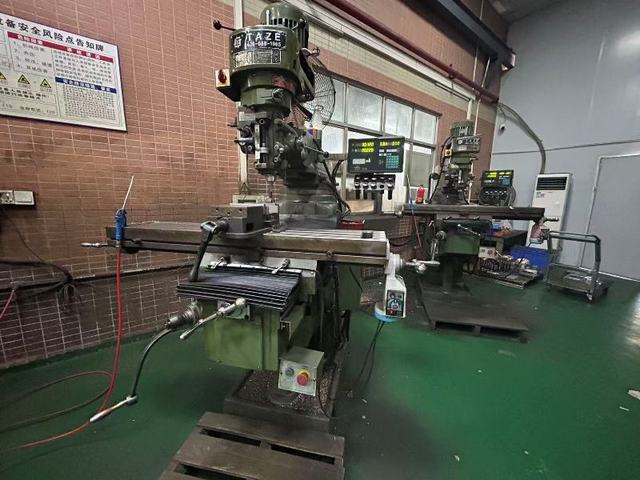
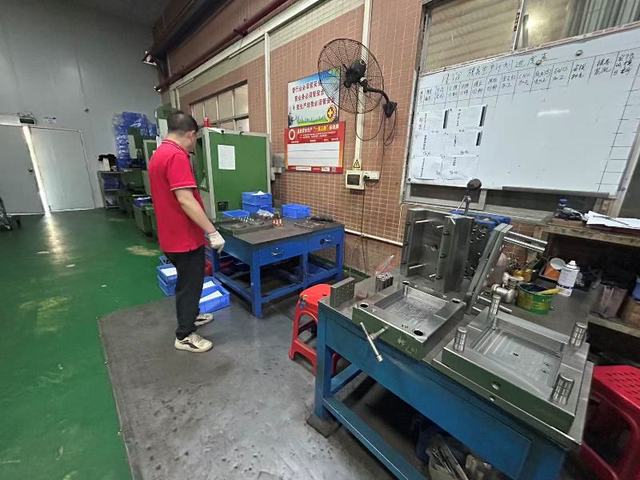
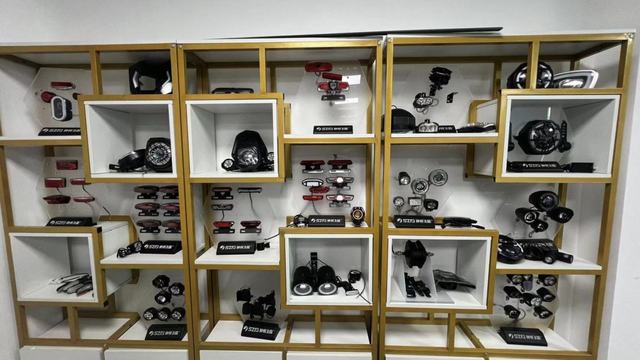
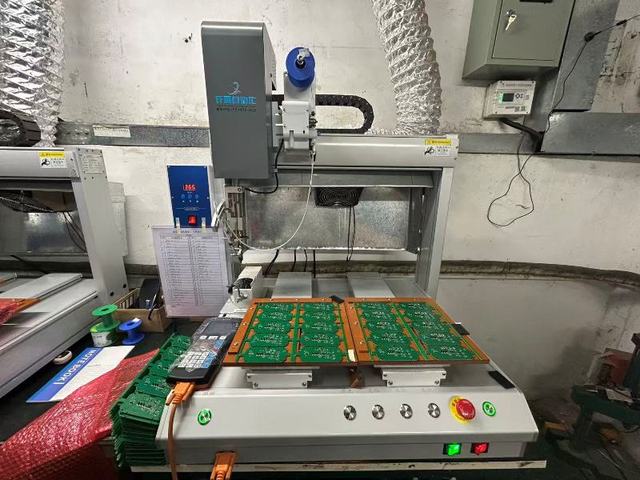
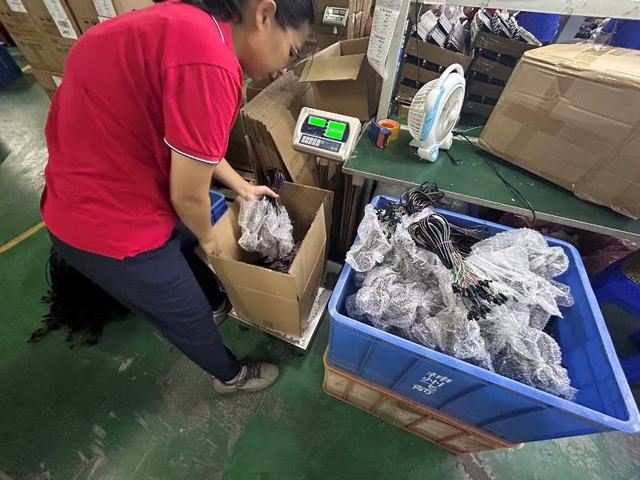
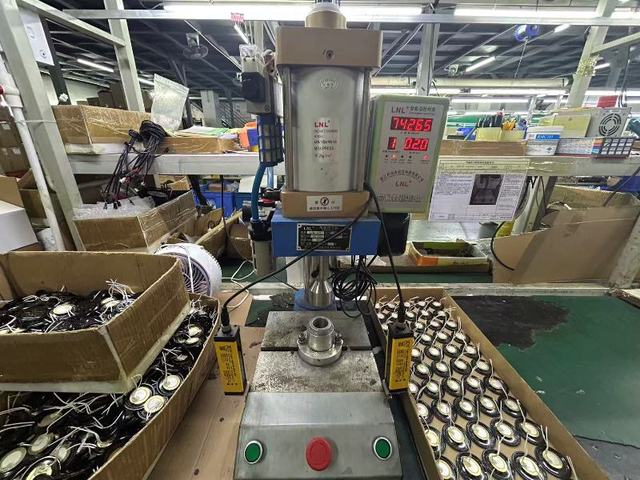
The global electric vehicle supply chain is heavily anchored in China, and the automotive lighting sector is no exception. Companies like Hangzhou EV Light Co., Ltd. leverage unique structural, industrial, and technological advantages that cannot easily be replicated elsewhere:
For B2B procurement managers, identifying the correct partner is vital for project success. Below is a comparative assessment framework summarizing the top 10 global manufacturers and suppliers in the EV Daytime Visibility Lights segment:
Daytime visibility lighting is not a one-size-fits-all product. Different geographic zones and vehicle formats pose unique challenges:
Northern European and Canadian winters feature low light angles and heavy fog. In these regions, DRLs must maintain a specific color temperature (typically 5700K to 6000K) to pierce through haze without causing glare to oncoming drivers.
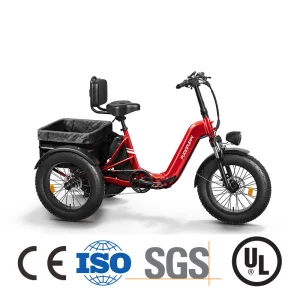
Electric delivery bikes, trikes, and cargo scooters operate in dense traffic, constantly stopping and starting. DRLs in these vehicles require wide horizontal light distribution patterns (up to 80 degrees wide) to protect courier safety at intersections.
Large buses require extremely durable DRLs designed to run continuously for over 18 hours daily. These components must withstand high-pressure washing (IP69K) and heavy vibrations from urban roadways.
The future of EV lighting goes beyond illumination. As autonomous driving technologies emerge, daytime visibility lights are evolving into communication devices. Dynamic Signatures (ADB - Adaptive Driving Beam) allow the lighting assembly to project safety symbols onto the road or display warnings to pedestrians. Additionally, integrating the charging status of the battery pack directly into the DRL sequence (e.g., breathing green indicators on the front grille) is becoming standard practice among forward-thinking EV manufacturers.
Expert answers to the most common engineering and procurement questions regarding EV DRL design and sourcing.
Explore high-voltage sub-assemblies, custom indicator interfaces, and specialty lighting systems designed for global fleets.
 EV Light