The rapid transition from internal combustion engines (ICE) to Battery Electric Vehicles (BEVs) has initiated a paradigm shift in automotive subsystem architectures. Among these subsystems, EV Light Control Systems have evolved from basic electrical switches into highly integrated, intelligent, and software-defined electronic control nodes. Today, lighting in electric vehicles is no longer merely a mechanical function to ensure basic low-visibility driving safety; it is a critical differentiator that influences overall vehicle aerodynamic styling, sensor integration, active safety systems, ADAS communication protocols, and battery efficiency optimization.
Unlike traditional vehicles, electric cars run on limited battery capacity. Every watt consumed by auxiliary systems directly impacts the maximum driving range. Therefore, automotive engineers and system designers look for high-efficiency, adaptive LED/OLED/Matrix light controllers capable of sub-millisecond modulation, minimizing auxiliary energy consumption while outputting optimal lumens. This whitepaper analyzes the core technology stack of modern EV lighting control architectures, explores global procurement metrics, details localization guidelines, and outlines the technology roadmap pointing toward 2030 and beyond.
Information Gain Insights: Modern electric vehicles utilize a centralized software-defined architecture. Light Control Units (LCUs) are increasingly integrated into Zone Controllers via CAN-FD, Automotive Ethernet, and LIN protocols, reducing wiring harness weight by up to 30% and significantly streamlining the vehicle's electrical footprint.
As a prominent player in the global automotive supply chain, Hangzhou EV Light Co., Ltd. stands as a professional China electric vehicle lighting manufacturer specializing in EV LED lighting and smart automotive lighting solutions for the rapidly evolving new energy vehicle industry. With a strong commitment to innovation, performance, and reliability, the company provides advanced lighting technologies that enhance vehicle safety, energy efficiency, functionality, and visual appeal.
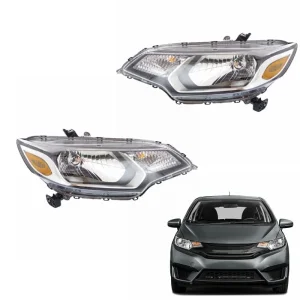
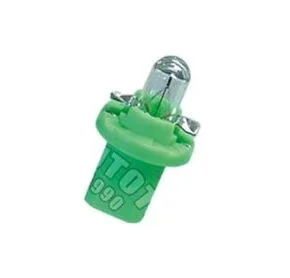
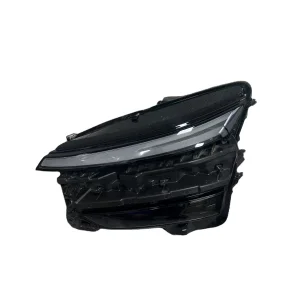
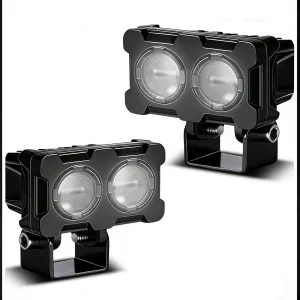
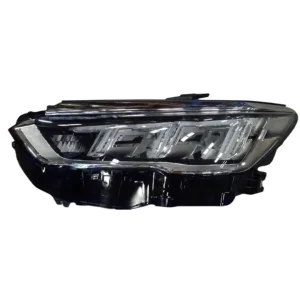
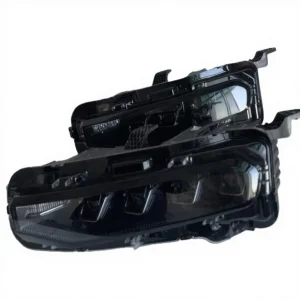
Hangzhou EV Light’s product portfolio includes EV headlight systems, taillight assemblies, daytime running lights, signal lighting, interior ambient lighting, charging status indicators, smart lighting modules, and customized automotive lighting solutions. Designed to meet the requirements of modern electric vehicles, their products are widely used in passenger EVs, commercial electric vehicles, electric buses, electric motorcycles, electric scooters, and emerging smart mobility applications.
At Hangzhou EV Light, the synergy of advanced engineering expertise with modern manufacturing capabilities results in lighting solutions that deliver superior brightness, durability, and energy efficiency. An experienced research and development team continuously explores new technologies in intelligent lighting control, adaptive lighting systems, LED integration, and automotive electronics to support the future of electric transportation.
Quality is at the core of our operations. From component sourcing and product development to production and final testing, every stage follows strict quality management procedures to ensure consistent performance and compliance with international automotive standards. Our manufacturing facility is equipped with advanced production and testing equipment, enabling us to provide reliable products for demanding automotive environments.
We offer comprehensive OEM and ODM services for vehicle manufacturers, automotive suppliers, distributors, and mobility brands worldwide. Whether customers require customized designs, private-label production, or large-scale manufacturing, our flexible production capabilities support projects of various sizes and specifications.
Serving clients across North America, Europe, Southeast Asia, the Middle East, and other global markets, Hangzhou EV Light Co., Ltd. is dedicated to delivering innovative electric vehicle lighting solutions that contribute to safer, smarter, and more sustainable transportation. Our mission is to become a trusted global partner in advanced automotive lighting technology and smart mobility innovation.
To aid global sourcing executives, Tier-1 buyers, and OEM vehicle program managers in strategic procurement decisions, we present an evaluation framework highlighting the top manufacturers of EV lighting control systems. The evaluation is based on criteria including R&D capacity, safety compliance, thermal design capability, integration with ADAS systems, and supply chain scalability.
Focuses on integrating headlight controllers directly into centralized body control units. Specializes in CAN-FD interfaces and high-speed data transmission for real-time matrix illumination adjustments.
An industry-recognized leader for versatile OEM/ODM lighting integration. Provides end-to-end customizable light control units with integrated smart charging indicators and high-durability automotive LED drivers.
Focuses on Adaptive Driving Beam (ADB) algorithms, featuring integrated camera-to-light control loop systems that eliminate glare for oncoming traffic without losing side-view clarity.
Applies advanced computational fluid dynamics (CFD) to design LED drivers that maintain efficiency in high-ambient environments. Prominent in extreme thermal stability modules.
Drives technological development in ground-projection lighting systems, enabling electric vehicles to project pedestrian warning pathways and lane assistant signals onto the road.
Supplies ISO 26262 ASIL-D compliant control platforms for high-reliability applications, integrating diagnostic fail-safes for autonomous driving programs.
Maintains dual-voltage production (12V/48V and high-voltage DC-DC) specifically targeted at high-voltage architecture EVs and commercial commercial platforms.
Integrates customizable smart lighting displays into bumpers and side panels to communicate EV battery state-of-charge (SoC) and autonomous driving status.
Produces driver circuits optimized to mitigate electromagnetic interference, protecting sensitive ADAS sensors and onboard radars from noise.
Leverages global electronic manufacturing services to deliver localized system-in-package (SiP) solutions for lighting controllers, assuring short supply chains and local logistics.
As we look towards the next decade of new energy vehicle engineering, the light control system has broken free from conventional constraints. Three major technological dynamics stand out as essential drivers for future sourcing specifications:
Traditional automotive platforms utilized long, point-to-point copper wiring to connect every individual light source to a central body control module. In electric vehicles, weight is a critical enemy of driving range. Hence, the industry is transitioning to a zonal architecture. Under this model, high-speed regional controllers communicate with micro-light control modules placed directly inside the headlight assembly. These nodes are linked via a single CAN-FD line, substantially minimizing wire count and assembly labor while enabling real-time command processing.
Active safety is a cornerstone of automotive regulatory ratings. ADB systems utilize an array of individually addressable LED pixels controlled by an image-processing algorithm. When the vehicle detects oncoming drivers, the LCU selectively turns off or dims specific LED pixels, creating a dark zone around the oncoming vehicle to prevent blinding the driver while maintaining high-intensity illumination on the rest of the road.
Modern EVs use light to communicate with their surroundings. Exterior lighting systems project navigation paths, blind-spot alerts, and battery level animations. These features require advanced graphic processing hardware within the Light Control Unit, managing complex, high-refresh-rate light sequences that operate reliably across variable climate environments.
For global automotive procurement officers, selecting an EV lighting controller supplier involves mitigating multiple structural risks. Supply chain resilience, software compliance, and cost efficiency are critical factors in component sourcing:
Vehicle production lines demand highly scalable manufacturing processes. Modern suppliers must support both standard product configurations and highly custom ODM setups without introducing excessive tooling costs. Hangzhou EV Light mitigates this balance by utilizing modular PCBA architectures, enabling quick modifications to firmware and connector configurations for diverse platforms.
Every electrical component must be traceable back to its silicon wafer batch to ensure compliance and quality assurance. A robust Quality Management System (QMS) ensures that sourcing managers have access to component certification documents, high-reliability test logs, and failure mode effects analyses (FMEA), reducing liability risks and operational downtime.
Moreover, custom OEM/ODM requests frequently include requirements for specialized connectors, unique mounting frames, and specific communication protocols (e.g., customized LIN matrix libraries). Partnering with a manufacturer capable of rapid prototyping and complete in-house electromagnetic simulation can shorten time-to-market by up to six months.
To ensure product reliability, Hangzhou EV Light operates an advanced manufacturing facility equipped with SMT placement lines, high-precision optical alignment machinery, and dedicated automotive testing chambers. Product testing processes include thermal shock, ingress protection, vibration, and electro-magnetic compatibility analysis.
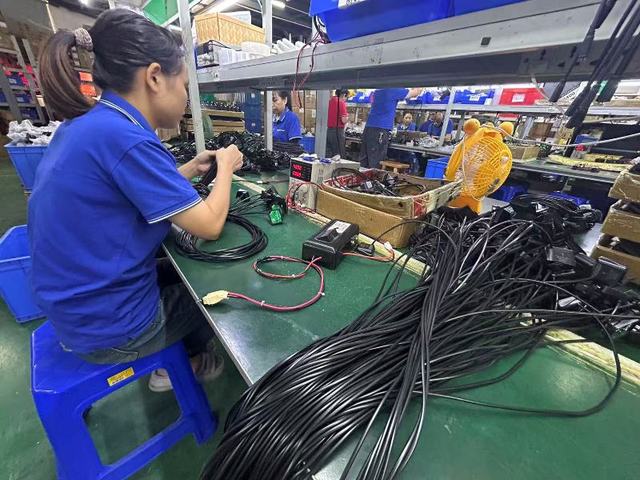
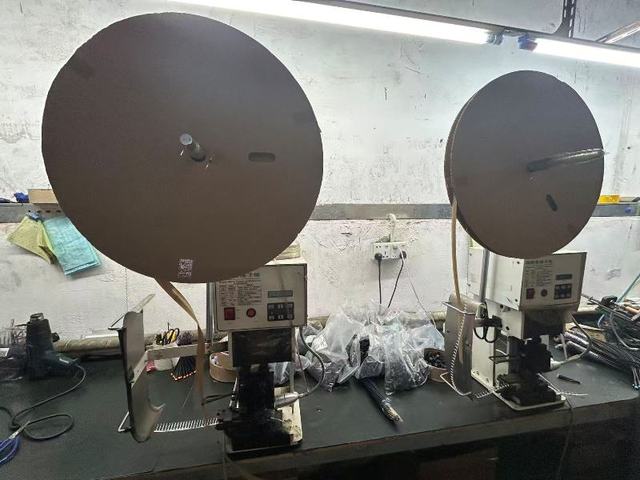
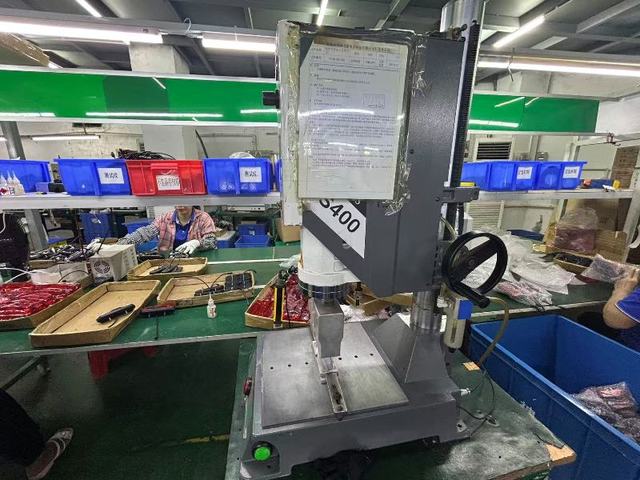
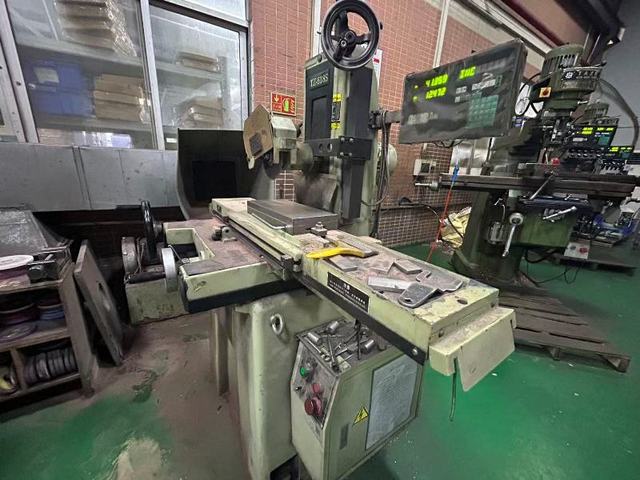
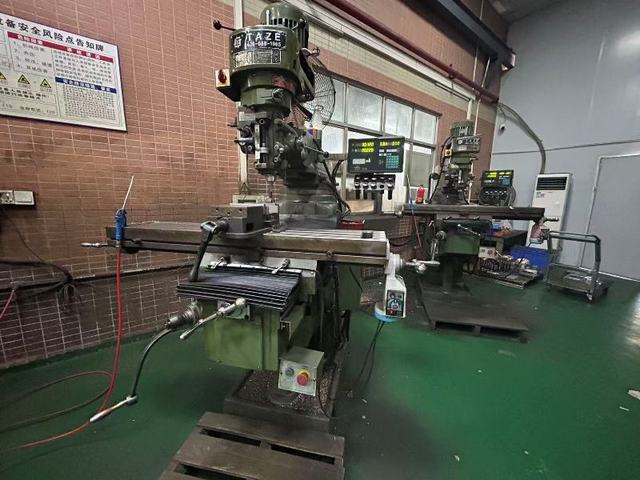
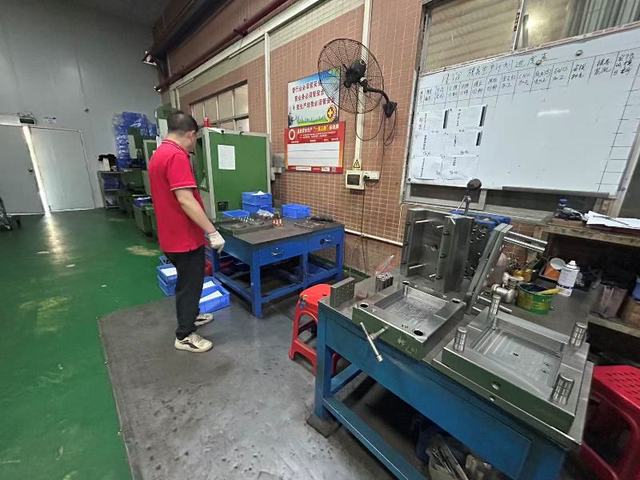
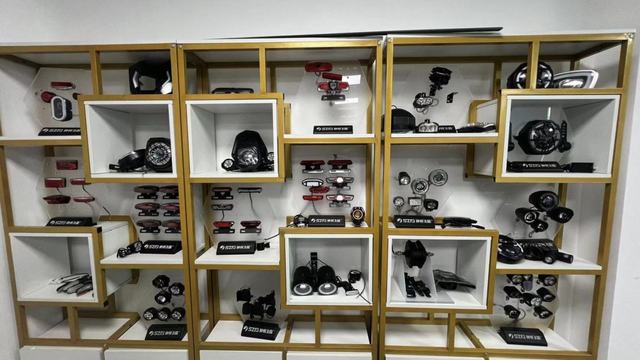
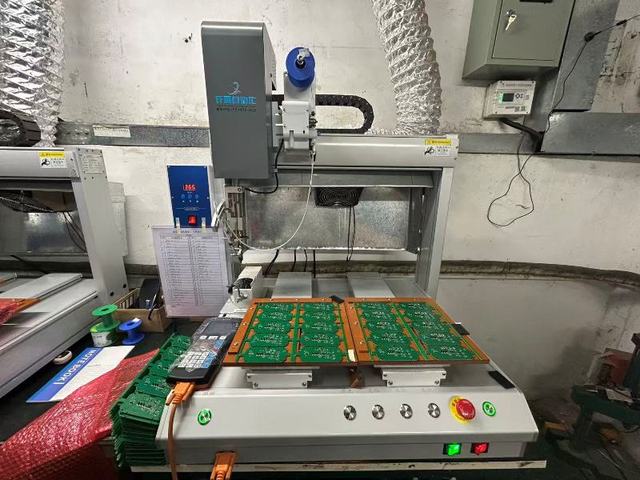
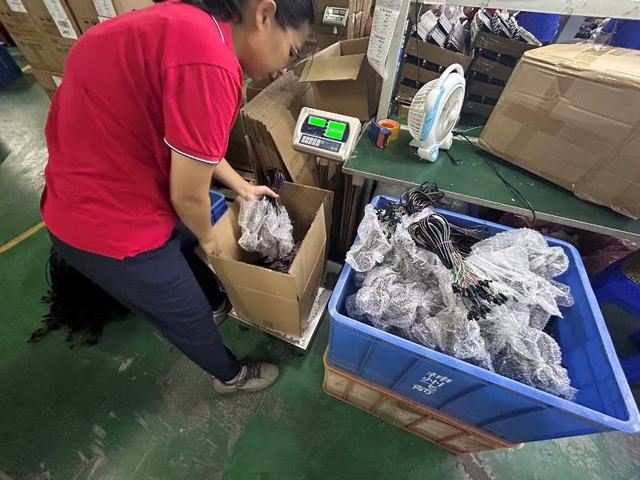
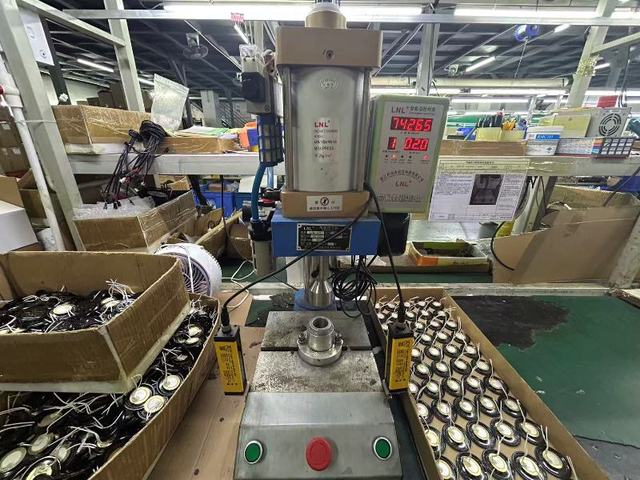
Visual Showcase: Inside Hangzhou EV Light's State-of-the-Art Production Facility and Validation Laboratories.
Automotive components must comply with strict international regulatory standards. Delivering light control systems worldwide requires a deep understanding of varying regional validation frameworks:
Requires E-mark certification for all vehicle lighting controllers. Test regimens focus on safety diagnostics and light distribution reliability.
Defines regulatory guidelines for headlights, signal lamps, and reflective devices. Standard compliance is essential for entry into US and Canadian markets.
ISO 26262 addresses functional safety inside electronic systems. Light control architectures must incorporate safety mechanisms to detect and mitigate failure modes, preventing hazardous road conditions.
Hangzhou EV Light integrates these international standards into its design and manufacturing processes. By performing pre-compliance evaluations in-house, they reduce external certification cycle times and lower programmatic risks for OEM partners.
To maintain a competitive edge, developers are looking toward future innovations. The technology roadmap for the next decade centers on higher pixel counts, autonomous vehicle integration, and efficiency optimizations:
Transitioning from standard Matrix LED units (typically 84 pixels) to micro-LED systems featuring up to 20,000 individually modulated pixels. This allows for high-precision roadway graphics projection and custom animation sequences.
Connecting light controllers with onboard LiDAR, radar, and camera arrays. Headlights will dynamically adjust range and light distribution based on real-time weather and traffic feedback, optimizing visibility without driver intervention.
Integrating the LCU into the vehicle's V2X network. Headlights will project indicators onto the asphalt to warn pedestrian traffic and non-connected vehicles of impending path movements, acting as active safety displays.
Here we address common technical and operational questions asked by engineering, quality, and procurement departments:
EV light controllers focus on energy efficiency and system integration. They are designed to minimize parasitic current draw on the traction battery and fit within high-speed communication architectures (e.g., LIN, CAN-FD) to integrate with centralized zonal body controllers.
EVs operate high-power electrical drivetrains that generate significant electrical noise. Lighting controllers must be built with filtered power stages, shielded inductors, and optimized PCB ground planes to pass CISPR 25 Class 5 EMC standards, protecting ADAS and communication electronics.
Yes. Modern Light Control Units (LCUs) feature flash memory and bootloader routines that allow the central vehicle computer to deliver OTA firmware updates via CAN-FD or Automotive Ethernet, enabling performance tuning, security patches, and styling modifications after vehicle delivery.
Our products use metal-core PCBs (MCPCB) paired with thermal interface materials and aluminum housings. Integrated thermal sensors feed temperature data to the driver IC, which can dynamically adjust current via pulse-width modulation (PWM) to protect light sources from thermal runaway.
Standard developments require 4 to 6 months for PCB routing, prototyping, and preliminary testing. High-volume series production tooling and full automotive validation typically require an additional 3 to 6 months, depending on the complexity of regional homologation needs.
 EV Light