Analyzing safety engineering, luminous efficacy, thermal performance, and smart control paradigms in modern transit infrastructure.
As global municipal fleets rapidly transition to zero-emission mobility, the engineering requirements for heavy-duty transit buses have shifted dramatically. Among these, Electric Bus Illumination represents a key design matrix that influences not only public safety and operational reliability but also overall battery energy conservation.
Unlike traditional internal combustion engine (ICE) buses, electric buses operate under tight energy budgets where auxiliary systems, including forward and interior illumination, directly impact range. High-performance LED optics, dynamic control circuits, and intelligent diagnostics are no longer optional—they are crucial components for maximizing system integration.
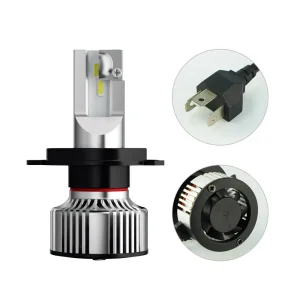
As a leading pioneer, Hangzhou EV Light Co., Ltd. develops and manufactures premium light emission solutions engineered to withstand the rigorous vibration, temperature, and environmental challenges of public transit. By incorporating state-of-the-art optical simulation, precise mechanical engineering, and solid-state driver architectures, we supply lighting systems that align with strict global automotive standards while optimizing the vehicle's electrical load.
| Engineering Challenge | Traditional Solution | Hangzhou EV Smart LED Tech |
|---|---|---|
| Energy Draw | Halogen/Xenon (110W - 150W) | Low-draw High-Flux LED (25W - 35W) |
| Durability | Filament susceptible to road vibration | Solid-State, Vibration-Proof (ISO 16750-3) |
| Smart Diagnostics | None (Simple Fuse) | CAN/LIN Bus Interface with Real-time Diagnostics |
| Thermal Control | Radiative heat build-up | Active Copper PCB Heat Sinks & Thermal Throttling |
Adapting to the future of smart cities, automated depot charging, and intelligent driver assistance systems (ADAS).
The transition from static beam patterns to Adaptive Front-Lighting Systems (AFS) allows electric buses to modulate beam length and angle dynamically. Using real-time steering angle and vehicle speed inputs, the system illuminates curves and optimizes pedestrian detection in dark urban areas without blinding oncoming drivers.
Modern urban transit systems utilize vehicle-to-everything (V2X) protocols. The front illumination cluster is evolving to function as a visual interface, projecting warnings, dynamic lanes, or crossing permissions directly onto the roadway to alert pedestrians and micromobility users.
Standard passenger vehicle lights are designed for limited daily usage. Transit buses demand an operational lifespan exceeding 50,000 continuous hours. To meet this requirement, our engineers deploy high-reliability automotive LED chipsets, optimized thermal boundaries, and durable polycarbonate lenses.
Integrating innovative design, optical precision, and cleanroom production capabilities for global new energy vehicles.
Hangzhou EV Light Co., Ltd. is a dedicated manufacturer specializing in new energy vehicle (NEV) lighting and smart automotive illumination components. With a clear focus on performance, reliability, and technical innovation, we produce advanced lighting setups designed to improve traffic safety, vehicle range, and aesthetic value.
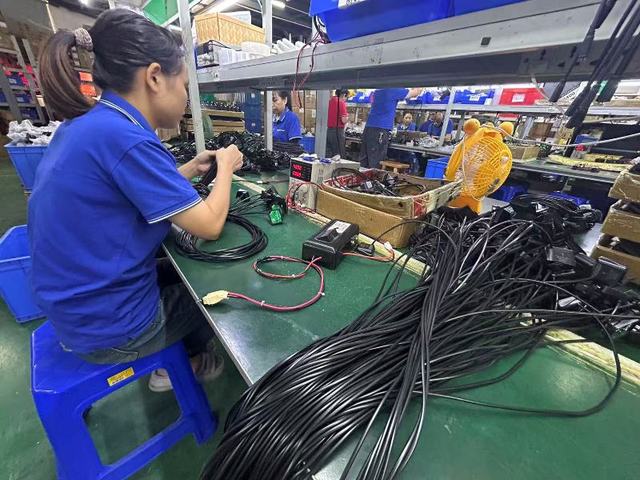
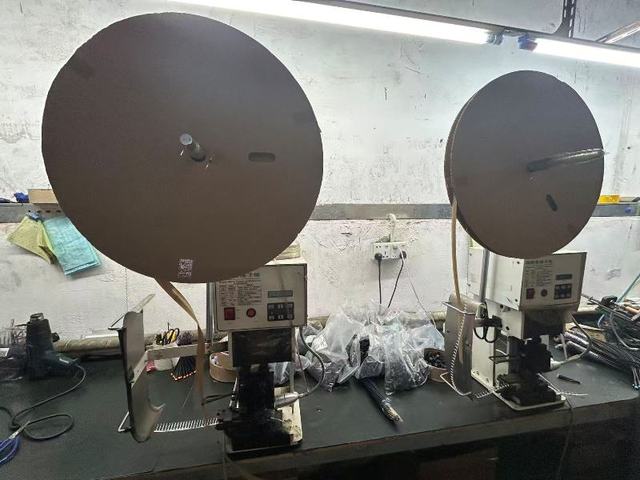
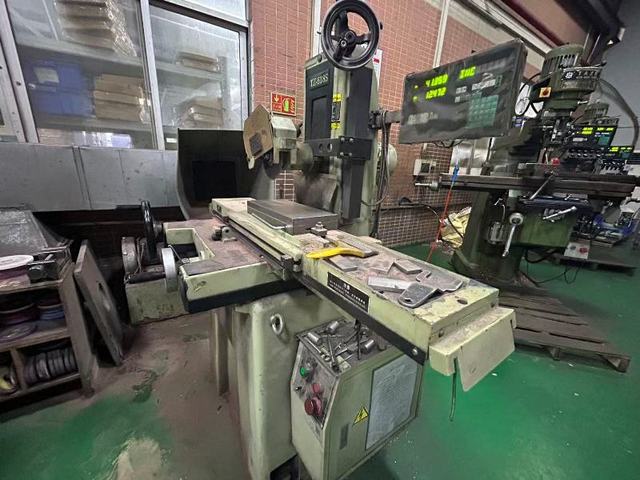
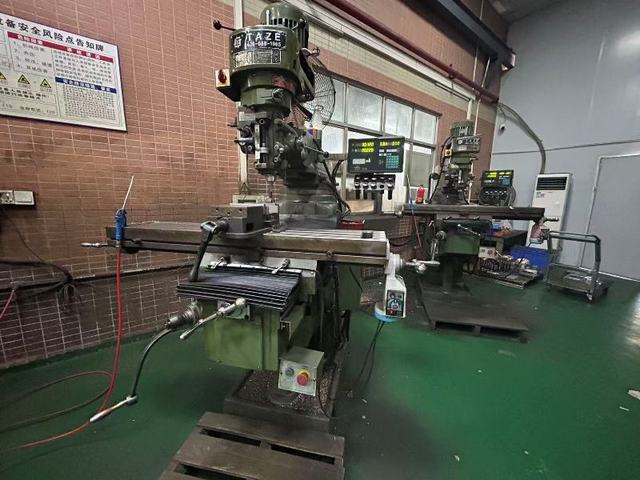
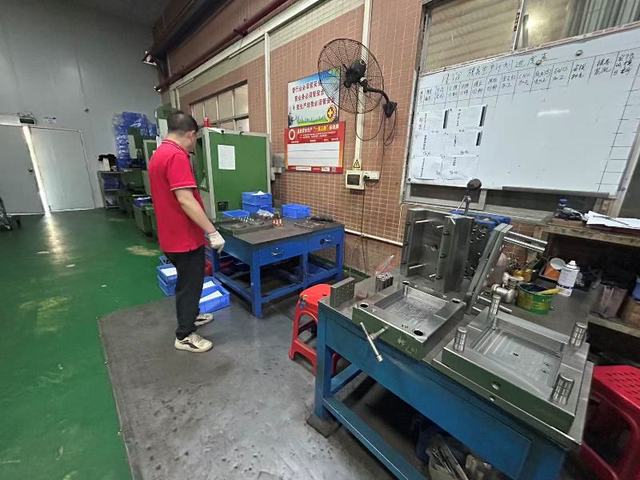
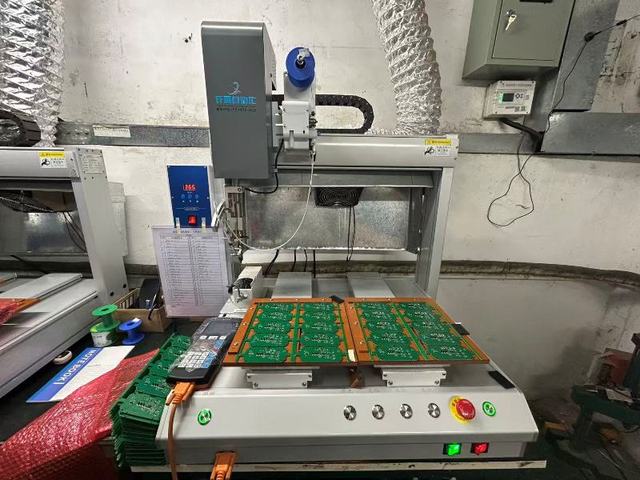
Our manufacturing facility utilizes state-of-the-art technologies, including automated high-speed SMT assembly, precision injection molding, and Cleanroom Class 10,000 dust-free optical assembly zones. By maintaining complete control over our manufacturing processes, we guarantee consistent quality that meets or exceeds the industry's strict IATF 16949 automotive standard.
Our development process relies on precise optical simulation software (such as SPEOS and LucidShape). This allows us to design lenses and light pipes with high light extraction efficiency, uniform distribution, and minimal glare. We also specialize in custom OEM/ODM projects for bus manufacturers and global Tier-1 suppliers.
A technical guide for procurement managers, vehicle specifiers, and logistics directors to optimize total cost of ownership (TCO).
Electric bus powertrains generate high levels of electromagnetic noise. Headlamps, ambient controllers, and sign indicators must comply with strict EMC standards (such as CISPR 25 Class 3 or Class 5) to prevent interference with crucial telemetry, communications, and safety sensors.
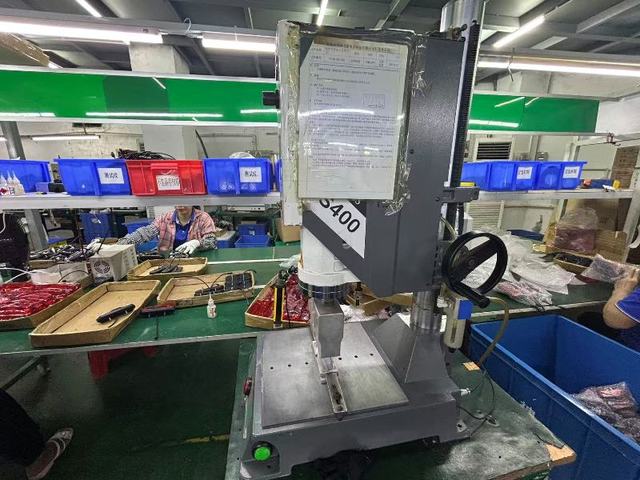
Buses face high-pressure cleaning, heavy rain, and extreme road grime. To prevent internal fogging and electronic failure, our lighting assemblies utilize high-quality silicone sealing, ultrasonic welding, and venting membranes to achieve certified IP67 and IP69K ratings.
B2B buyers require complete regulatory compliance. All forward and signal lighting systems designed by Hangzhou EV Light are fully compliant with ECE regulations (E-Mark) for Europe and DOT/FMVSS-108 standards for North America, ensuring smooth vehicle certification.
A comprehensive system approach to configuring exterior safety light packages and comfortable interior passenger environments.
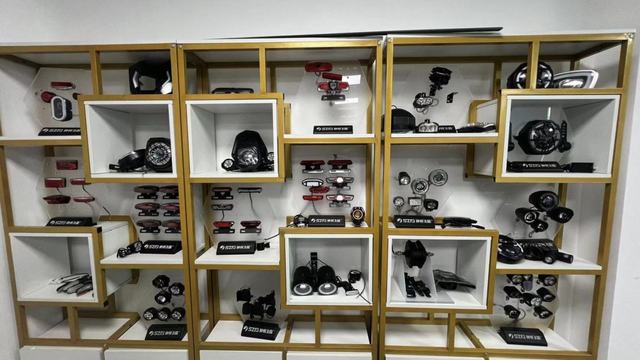
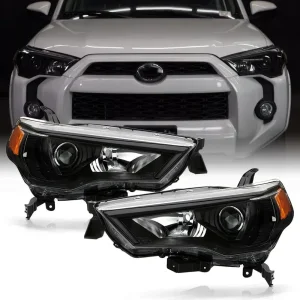
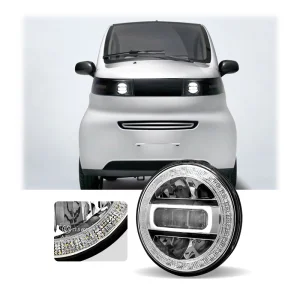
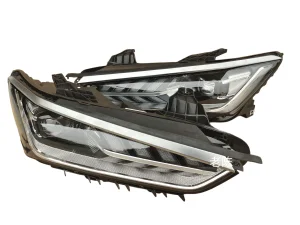
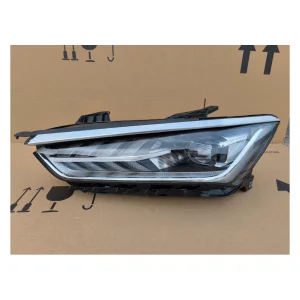
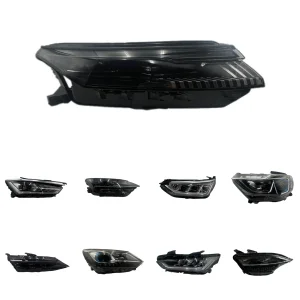
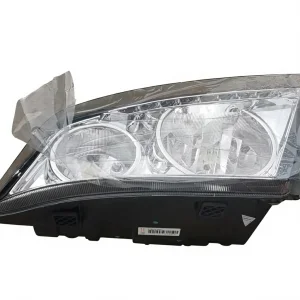
Our custom headlight clusters integrate high-beam, low-beam, daytime running lights (DRL), and dynamic sequential indicators into a single, cohesive unit. Built with premium grade polycarbonate, these assemblies feature anti-scratch and anti-UV coatings to prevent degradation under UV exposure.
Modern public transit interiors leverage custom LED ambient lighting to reduce passenger stress and fatigue. Using multi-color options (RGBW) controlled via LIN-bus protocols, bus operators can change interior lighting temperatures based on the time of day, creating a calm, modern, and comfortable commuter experience.
Side markers, clearance lights, and stop lamps operate as primary safety signals. We also specialize in custom charge-port indicator rings that visually communicate the vehicle's battery state (e.g., pulsing green for charging, solid green for complete) to fleet operators at a distance.
Our metrics reflect our commitment to performance, reliability, and long-term durability in high-demand municipal transit systems.
Innovating next-generation optical and electrical architectures to support the evolution of connected, automated transit systems.
The future of public transit is defined by higher automation levels (ADAS Level 3 and above) and integrated connectivity. This evolution requires vehicle lighting systems to transition from static illumination sources to active communication nodes.
Our R&D team is currently focusing on integrating solid-state LiDAR sensors and compact camera modules directly into the front headlight housing. This consolidation saves space, reduces mounting complexity for coachbuilders, and ensures sensor lenses stay clear of dirt and ice using integrated heating elements.
In addition, we are researching organic, bio-derived polycarbonate alternatives for outer protective lenses and structural components. This initiative aims to minimize the lifecycle carbon footprint of our manufacturing process, aligning with the sustainability goals of our global B2B procurement partners.
We are also focusing heavily on software-defined lighting (SDL). By developing multi-voltage smart drivers with onboard microcontrollers, future lighting systems will be field-upgradable via over-the-air (OTA) vehicle updates. This allows transit authorities to update safety flash sequences or adjust light levels without replacing any physical hardware.
This technology roadmap ensures that purchasing departments choosing Hangzhou EV Light are selecting a future-proof partner capable of scaling with the rapid pace of automotive innovation.
Testing protocols that exceed standard operating requirements to ensure reliability under extreme environmental stress.
Quality control is integrated into every phase of our manufacturing process. We source raw materials, LED drivers, and optical plastics from certified global suppliers, with every batch undergoing strict incoming quality checks (IQC).
Our test facility houses advanced environmental and optical testing equipment:
By executing these processes in-house, we reduce development cycles and deliver reliable components with long lifespans. Our global compliance support team assists your engineers with safety filings, standard certifications, and local regulations in European, North American, and Asia-Pacific markets.
Whether you require documentation for standard E-Mark approvals, DOT self-certifications, or specialized vehicle compliance audits, our engineers supply the detailed reports, CAD schematics, and optical data sheets needed to keep your vehicle programs on schedule.
Addressing engineering specifications, customization processes, and procurement questions for Tier-1 suppliers and OEMs.
 EV Light