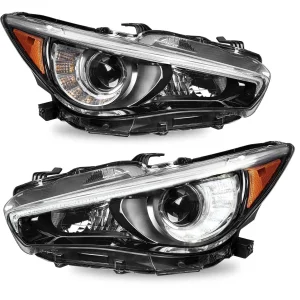
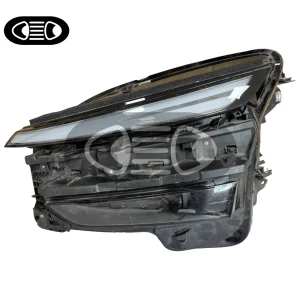
In the global automotive sector, the transition to electrification is driving a parallel revolution in automotive lighting systems. Unlike internal combustion engine (ICE) vehicles, where lighting is a localized electrical subsystem, modern Electric Vehicles (EVs) require lighting architectures that are deeply integrated with the vehicle’s central energy management systems, Advanced Driver Assistance Systems (ADAS), and external communication structures.
As a leading China electric vehicle lighting manufacturer, Hangzhou EV Light Co., Ltd. stands at the forefront of this evolution. We specialize in engineering and manufacturing advanced, energy-efficient EV LED solutions designed specifically to address the unique challenges of the EV era: maximizing battery range, improving thermal management within aerodynamic structures, minimizing Electromagnetic Interference (EMI), and offering intelligent communication features (V2X).
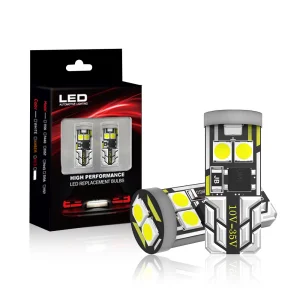
Standard automotive lamps draw power from an alternator-charged battery with abundant thermal dissipation. In contrast, an EV’s lighting system directly impacts the vehicle's driving range. Every watt saved in lighting efficiency translates directly to additional vehicle mileage. Our LED solutions utilize highly efficient driver circuits (up to 92% efficiency) and low-resistance thermal designs, enabling an energy saving of up to 40% compared to traditional automotive LED modules.
Achieving automotive-grade reliability requires a deep understanding of physics and material science. At Hangzhou EV Light, our engineers design lighting modules using a three-pillar technical approach:
We are integrating high-resolution matrix controllers that receive real-time camera data to selectively dim individual LED segments. This dynamic light control prevents glaring other road users while keeping high-beam visibility around them, improving night-time safety.
Developing next-generation Micro-LED arrays consisting of thousands of individual pixels. These chips allow the vehicle to project high-definition safety markers, navigation arrows, or pedestrian warnings directly onto the asphalt, establishing a visual V2X communication link.
Merging solar PV panels with smart exterior indicators. By embedding custom status displays into charging ports and body panels, our systems provide exterior visual progress indicators during battery charging cycles.
Hangzhou EV Light recognizes that different transit segments require specialized design approaches. Our engineering and manufacturing processes are structured to deliver targeted optimizations across several high-growth industry sectors:
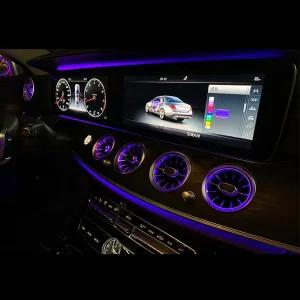
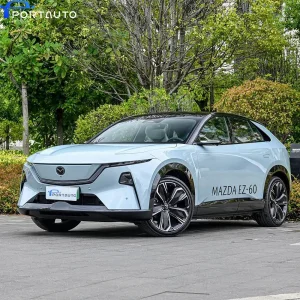
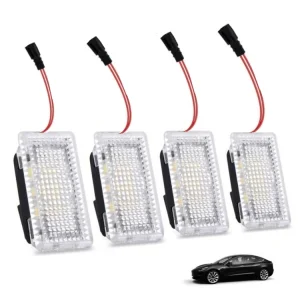
For high-end passenger vehicles (such as our custom adaptive lighting assemblies for the Tesla Model Y and BYD Han series), the focus is on styling, dynamic animations, and smart safety features. These systems require multi-channel LED drivers, support for CAN/LIN bus communication protocols, and interactive, multi-color ambient setups inside the cabin to establish a premium brand identity.
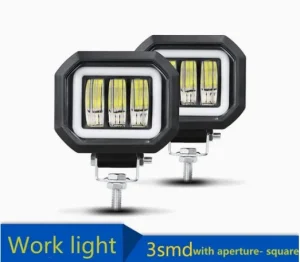
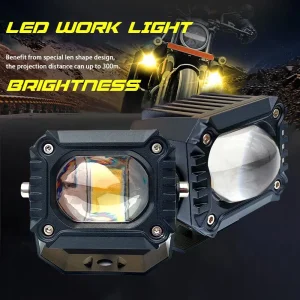
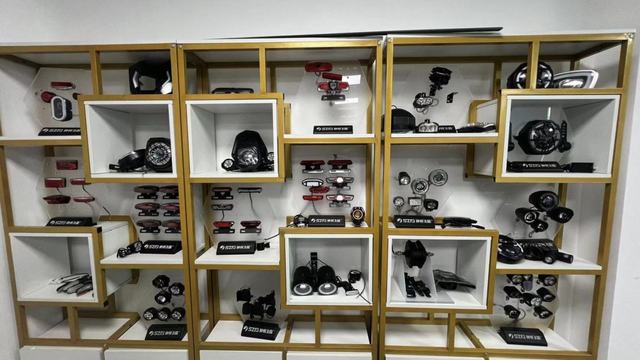
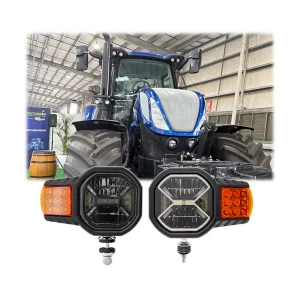
Scooters, dirt bikes, and electric motorcycles demand compact, high-intensity modules that can withstand severe mechanical shock, dust ingress, and water spray. Our IP67-rated 60W aluminum spot/fog spotlights and off-road headlights utilize die-cast aluminum enclosures and reinforced polycarbonate lenses, offering high durability and thermal efficiency in tight form factors.
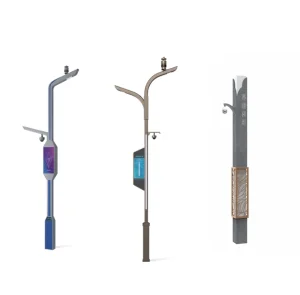
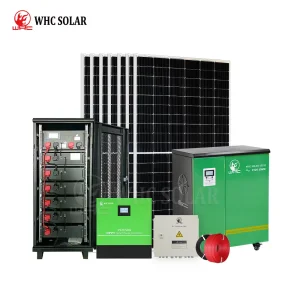
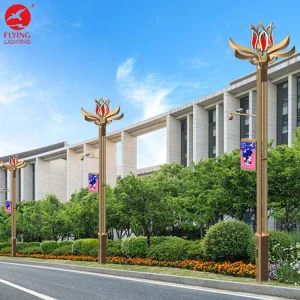
The boundaries between vehicle systems and public infrastructure are disappearing. Hangzhou EV Light bridges this gap by engineering smart solar streetlights integrated with modular EV charging poles. These dual-purpose structures utilize monocrystalline solar arrays and high-efficiency outdoor luminaires to support smart city charging infrastructure while reducing grid strain.
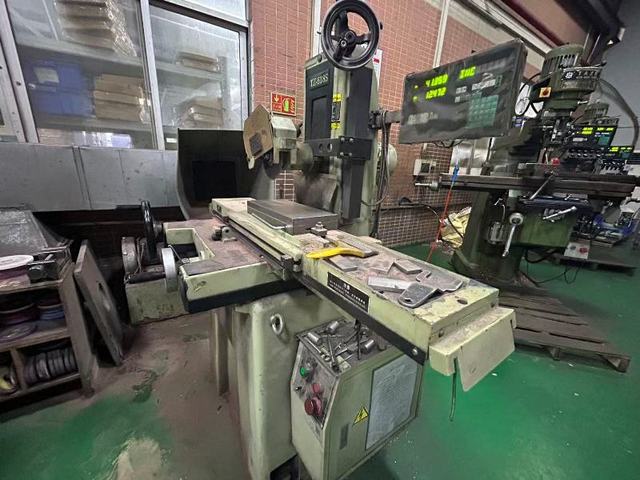
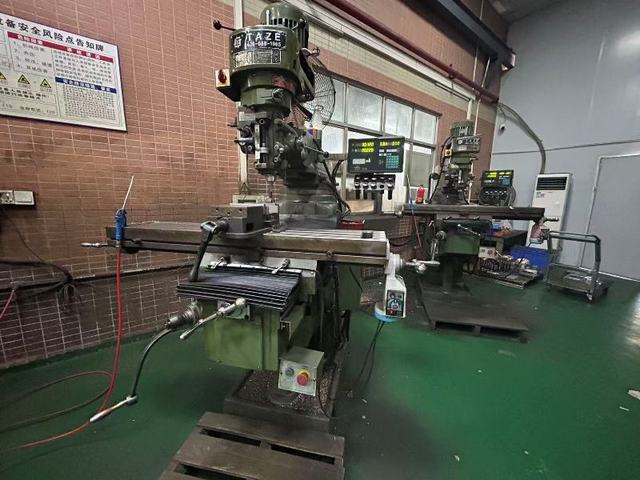
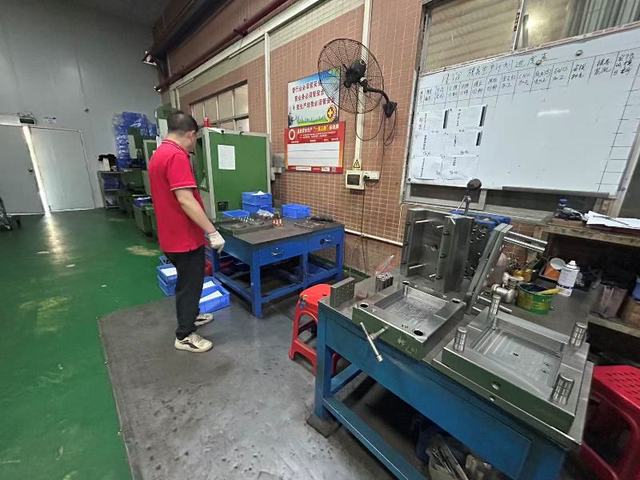
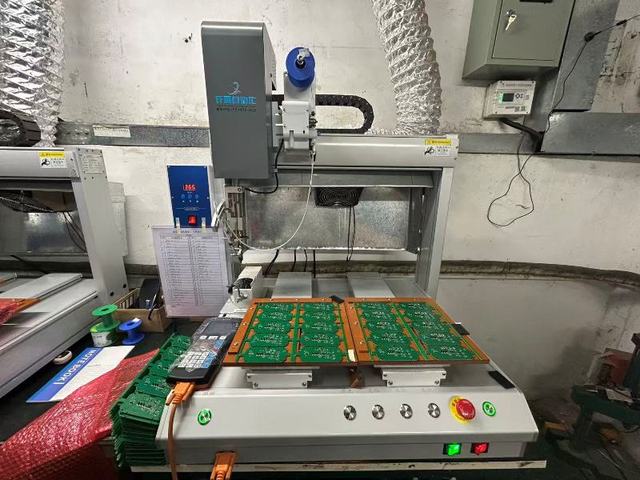
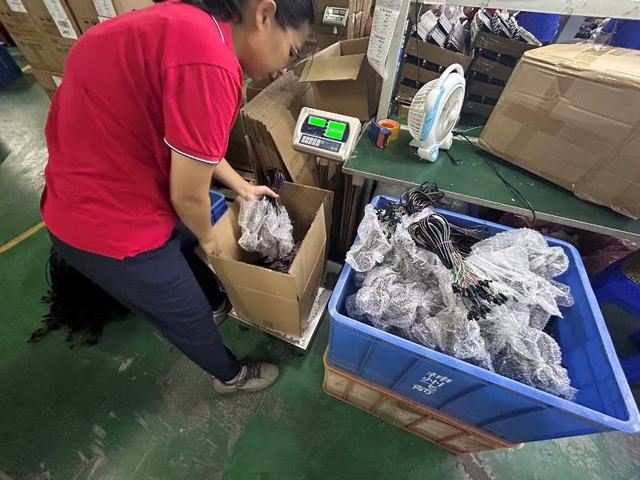
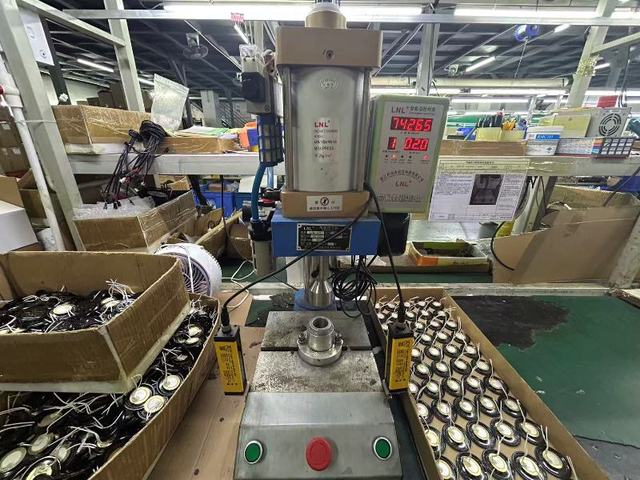
Our manufacturing facility in Hangzhou utilizes advanced automation, digital quality control, and vertical integration to provide high-capacity, automotive-grade production. We operate high-speed SMT placement lines, cleanrooms for optical assembly, and environmental stress chambers that subject our modules to extreme heat, cold, vibration, and moisture cycles.
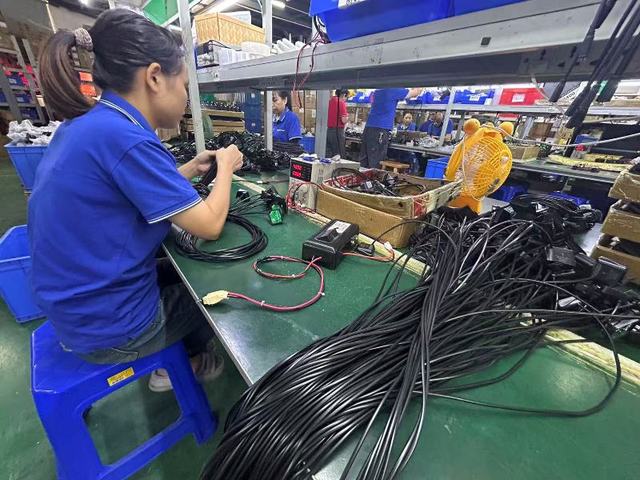
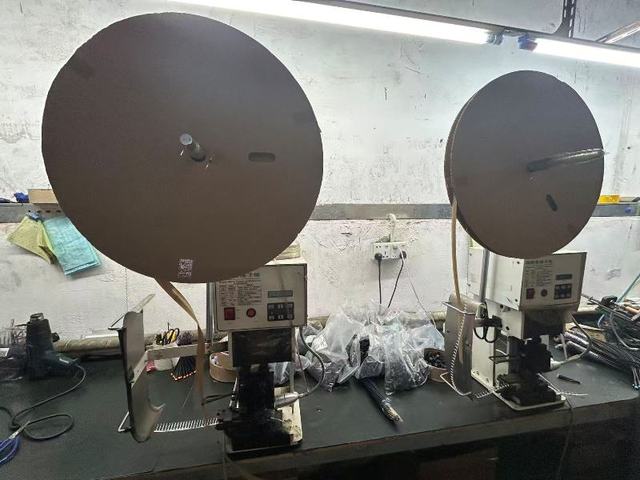
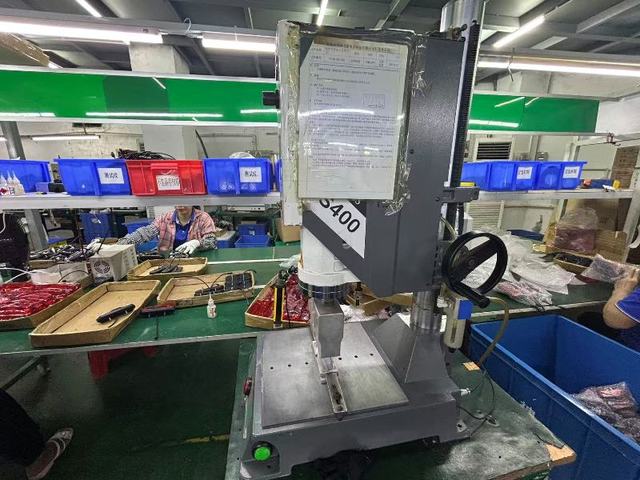
Purchasing components for automotive platforms requires strict adherence to international regulatory frameworks. Global procurement departments must verify that suppliers comply with local safety and environmental laws before approving a component for production. Hangzhou EV Light mitigates these risks by managing compliance end-to-end:
Our global product catalog is certified under major standard regimes:
We operate under IATF 16949 certification, the gold standard for automotive supply chains. Our quality assurance protocols include:
Our R&D team works closely with your engineering department to define optical parameters, physical dimensions, CAN-bus integration requirements, and aesthetic styles.
Utilizing high-speed 3D printing and quick-turn PCB fabrication, we supply initial working prototypes for laboratory and field fitment evaluation.
We manufacture injection molds and run pre-production validation batches, verifying optical output, IP67 ingress protection, and EMI shielding.
 EV Light