High-Efficiency LED Core Modules & Adaptive Signal Assemblies
How Next-Gen Illumination is Defining the Future of Mobility
Traditional lighting arrays are being replaced by high-definition Adaptive Driving Beams (ADB) powered by matrix LED drivers and smart micro-controllers. These systems interact in real-time with vehicle ADAS sensors to shape the lighting path, casting shadows over oncoming traffic while maintaining high-beam clarity elsewhere. This optimizes safety without blind-glaring other motorists.
At Hangzhou EV Light Co., Ltd., our engineering division pioneers integrated PCB control boards and high-luminous-density chips capable of microsecond responses. By utilizing specialized cooling arrays, we achieve low thermal degradation while optimizing power usage.
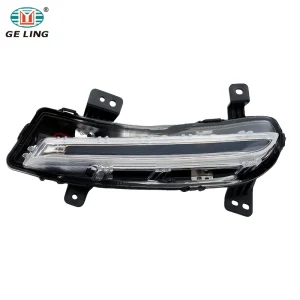
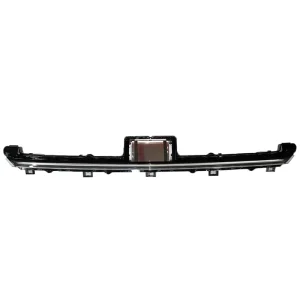
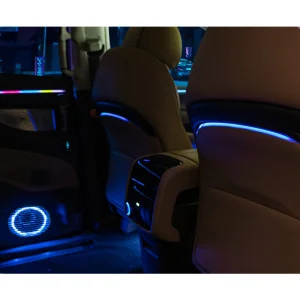
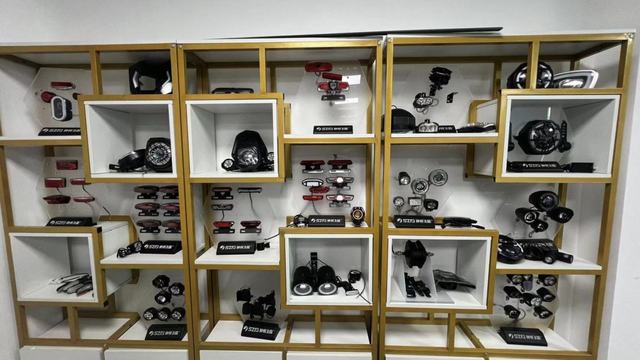
Unlike internal combustion vehicles that rely heavily on functional grilles, EVs leverage the front fascia for brand identity. Continuous LED light strips, illuminated badges, and ambient greetings provide a custom signatures. Light-through-type modules, such as our BYD Qin PLUS and Atto 3 Yuan PLUS assemblies, illustrate this structural change. They form a seamless signature across the bumper structure, integrating high-contrast daytime running lights (DRL) with dynamic turn indicators.
Every watt of energy consumed by auxiliary systems in an EV impacts driving range. High-efficiency LEDs, driven by sophisticated buck-boost power modules, achieve up to 150 lm/W. This efficiency helps OEMs maximize driving range per charge. Smart management features, such as standby modes and automatic dimming, reduce load on the low-voltage auxiliary batteries.
As a global manufacturer and supplier, Hangzhou EV Light designs smart electronics that integrate with vehicle bus systems (CAN, LIN, Automotive Ethernet) to deliver real-time operational diagnostics and smart energy conservation.
Deciphering ECE, FMVSS, SAE, and CCC Standards
Global procurement teams must navigate complex homologation codes. Products designed for North America must adhere to FMVSS 108 / DOT standards, requiring specific beam patterns and photometric envelopes. Meanwhile, European markets require UNECE approvals (E-mark approval). Finding an exporter that matches compliance footprints saves months of validation delay.
Electric vehicle high-voltage traction loops can create electromagnetic interference (EMI). EV lighting systems must have robust electromagnetic compatibility (EMC) shielding, complying with CISPR 25 Class 5. Without this, signal noise can degrade ADAS cameras, radars, and vehicle communication modules, creating potential safety risks.
While LEDs emit cold light, their p-n junctions generate concentrated thermal loads. Without engineered heat sinks, optical performance degrades and color shift occurs. Quality-driven manufacturers use metal-core PCBs (MCPCB), premium aluminum heat sinks, and thermal interfaces to maintain junction temperatures well below critical limits, ensuring a 50,000-hour operational life.
High-Precision Production Facilities at Hangzhou EV Light Co., Ltd.
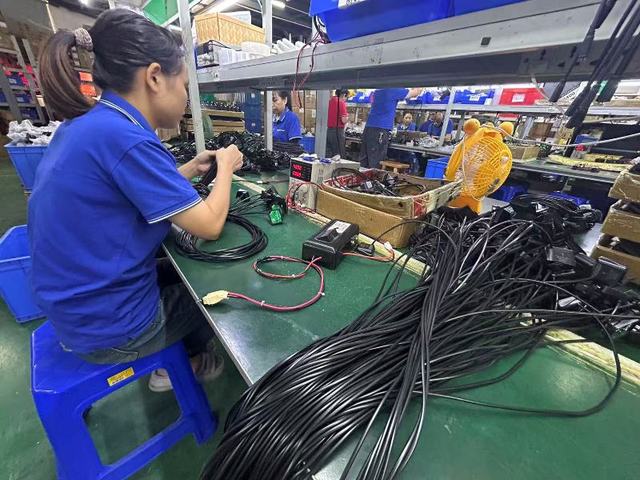
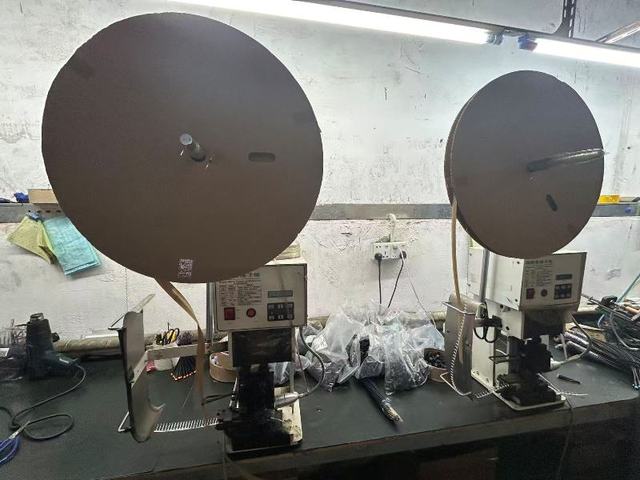
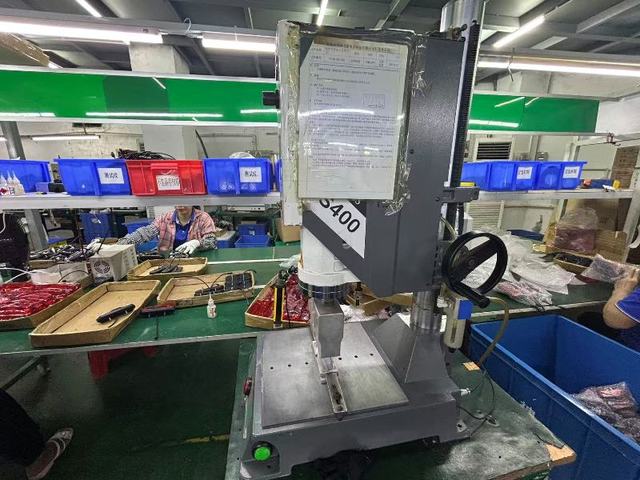
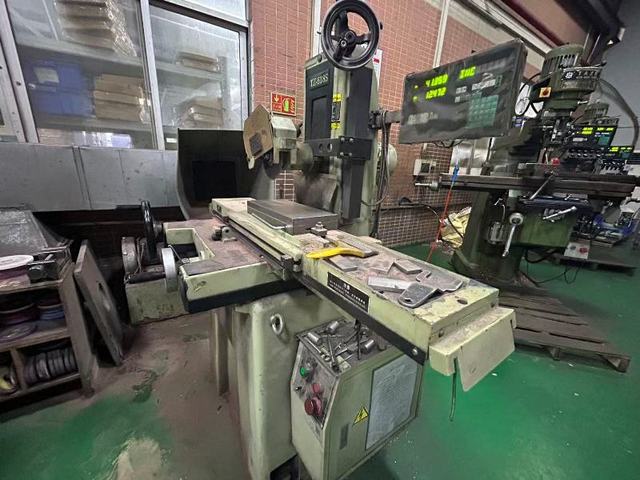
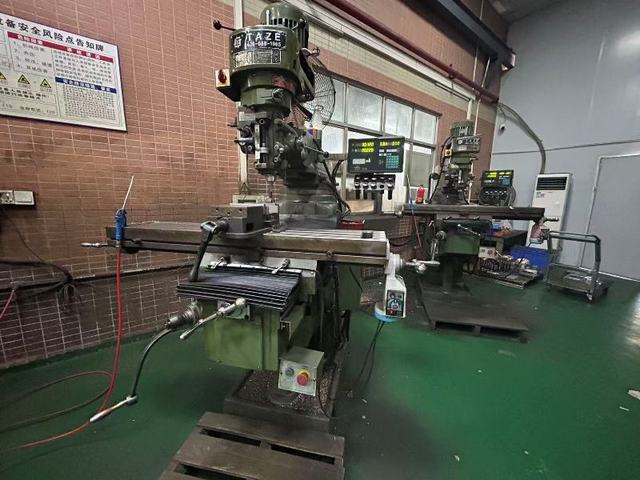
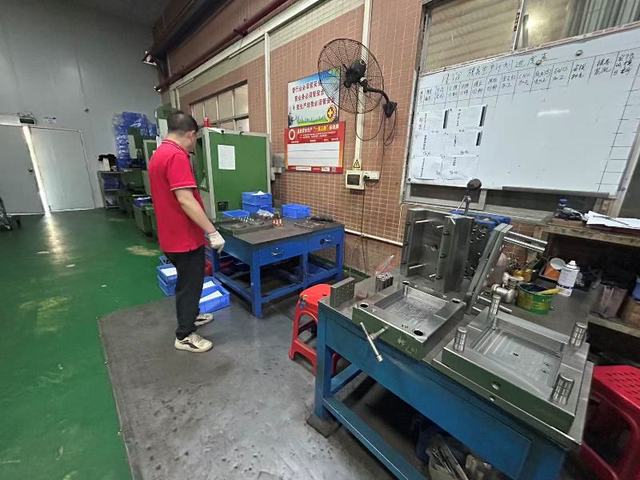
China’s Yangtze River Delta ecosystem provides access to raw materials, optics, precision injection tooling, and semiconductor packaging. At Hangzhou EV Light Co., Ltd., we leverage this geographic advantage, combining it with advanced digital manufacturing technologies.
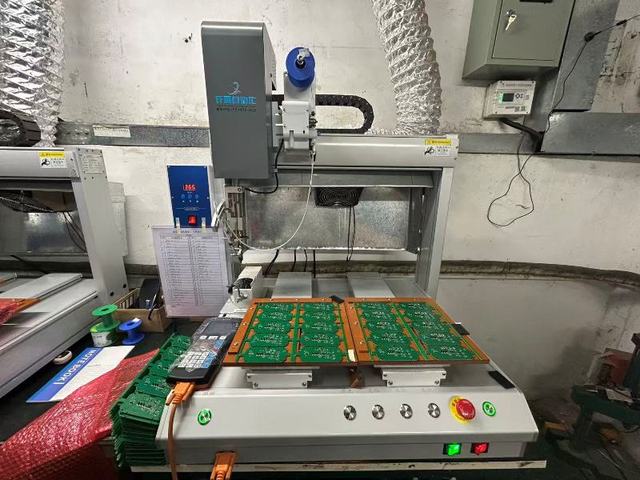
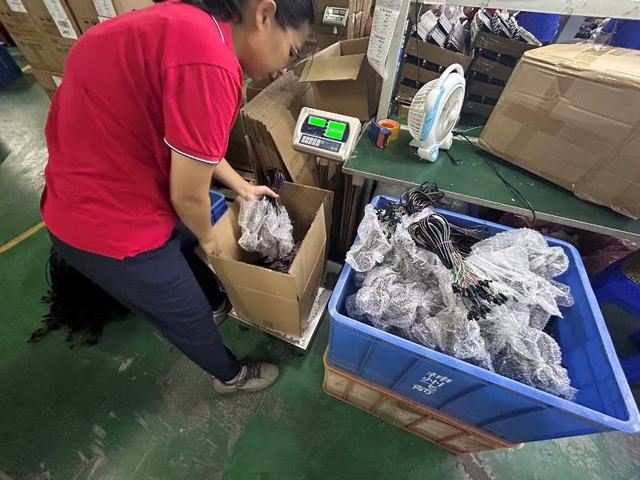
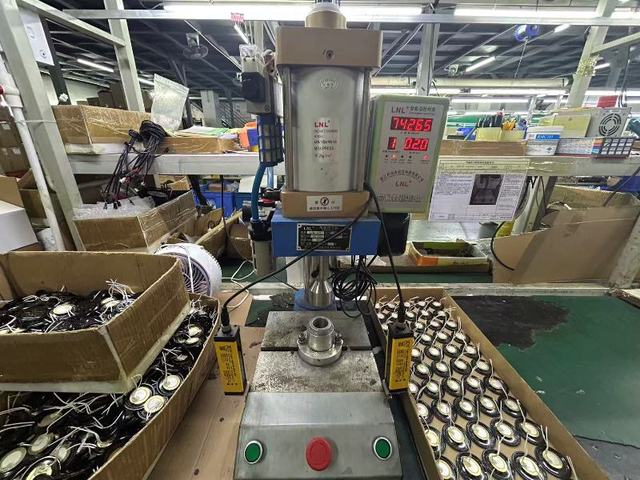
Our production facilities utilize automated surface-mount technology (SMT) lines to populate complex controller boards. With automated optical inspection (AOI) integrated into every stage, component misalignment or solder irregularities are intercepted before packaging. Advanced optical goniophotometers and environmental testing chambers subject our designs to thermal extremes (-40°C to 105°C), high humidity, and continuous mechanical vibration.
This operational control allows us to provide comprehensive OEM and ODM services. From initial CAD surfacing and optical simulation (using SPEOS/LightTools) to rapid prototype tooling and validation, we accelerate development timelines for vehicle manufacturers.
Optimized Solutions for Industrial, Commercial, and Smart Mobility Deployments
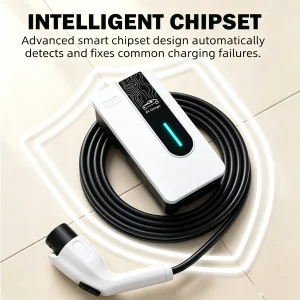
Urban logistics fleets operate in high-duty cycles, requiring rugged lighting. For low-speed electric vehicles (LSEVs) and city delivery vans, we deliver integrated headlamp units with high IP65/IP67 ingress ratings. By incorporating smart indicators, fleet operators get visible charging status signals on the vehicle's exterior during depot recharging cycles.
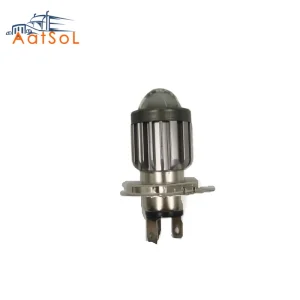
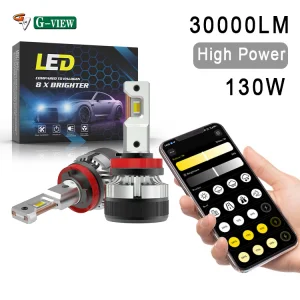
Two-wheelers operate in tight thermal envelopes with minimal chassis space. Our custom H4/BA20D LED conversion modules offer dual-color (white/yellow) illumination. This configuration improves rider visibility in foggy or rainy conditions without exceeding 15W of power draw, preserving electric range.
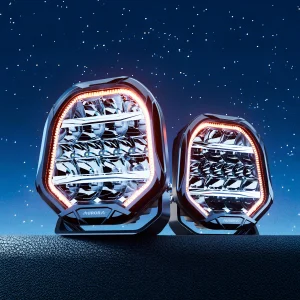
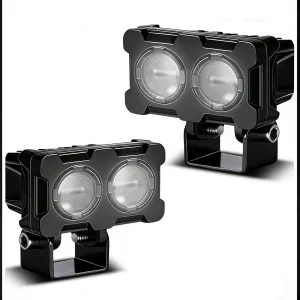
Mining, construction, and agricultural machinery require components that withstand high vibrations and mechanical impacts. Our auxiliary off-road round driving lights utilize cast-alloy housings, polycarbonate lenses, and advanced shock isolation dampening. This ensures stable, reliable performance in demanding environments.
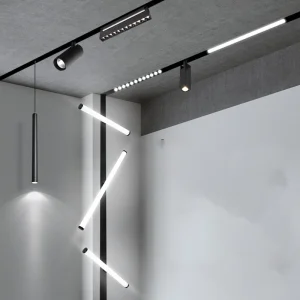
Modern EV showrooms and factories require custom interior environments. Using magnetic track lighting and high-efficiency COB LED strips, companies can build visual displays that match the modern design language of their brand.
Information Gain Insights for Buyers and Engineers
Sealed Charging Indicators, Architectural Strips & Extreme Duty Off-Road Optics
 EV Light