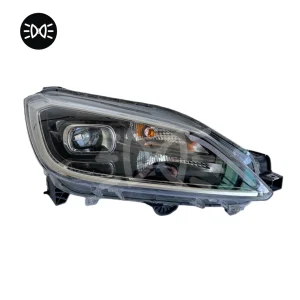
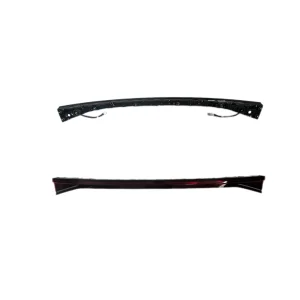
Engineered specifically to withstand Mexico City's high traffic density and environmental conditions.
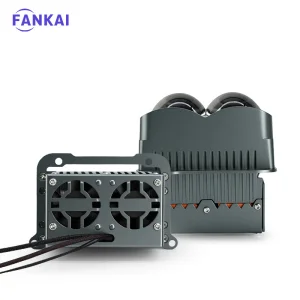
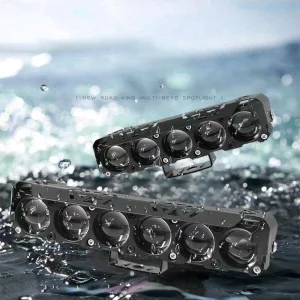
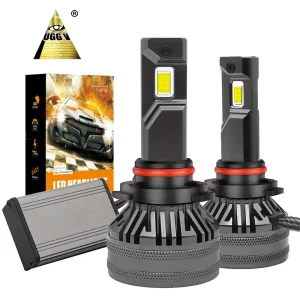
Analysis of localized environmental factors and electric vehicle transition in Central Mexico.
As the primary economic hub of Central America and Mexico's political epicenter, Mexico City (CDMX) is witnessing an aggressive paradigm shift toward green transportation systems. Prompted by severe air quality indicators and supported by the government's "Plan de Reducción de Emisiones del Sector Movilidad", public transit networks, light commercial trucks, and taxi fleets are rapidly converting to battery-electric vehicle platforms. However, the localized implementation of electric commercial transport in Mexico City presents unique, grueling conditions that standard automotive components fail to address.
Mexico City sits at an average altitude of 2,240 meters (7,350 feet) above sea level. This high-altitude topography results in reduced atmospheric pressure and thinner air density (approximately 20% lower than at sea level). For solid-state electronics, such as High-Power LED drivers and chip arrays, this reduction in density directly limits natural convective cooling. Traditional heat sinks designed for sea-level conditions become structurally inefficient, leading to elevated junction temperatures ($T_j$) that accelerate lumen depreciation and shorten the diode lifespan. Hangzhou EV Light Co., Ltd. addresses this through high-conduction aluminum housings (6063-T6 grades) and dynamic thermistor integrated circuits that modulate duty cycles during extreme temperature events.
The urban topography of Mexico City features historic stone-paved corridors, variable-maintenance secondary avenues, and frequent seismic shifts. EV headlight and auxiliary systems must endure constant mechanical shock waves and resonant frequencies. Under these parameters, solder point failures and lens fracturing are commonplace in low-grade aftermarket installations. Furthermore, EV charging stations connected to the local CDMX grid often suffer from voltage sag and transient spikes. Our smart street lighting and vehicle lighting assemblies are designed with active EMI filtering and wide-voltage protection units (ranging from 12V up to 60V and higher) to guarantee operational consistency regardless of grid instability.
SEO Information Gain: While generic suppliers list standard IP ratings, we validate our EV LED systems against the mechanical stress curves of Central Mexico's highway grids, implementing dual-stage driver protection and custom copper PCB thermal pathways.
Unveiling Hangzhou EV Light's technical performance and market contribution metrics.
How technological integration shapes next-generation solid-state illumination systems.
The global automotive lighting sector is undergoing its most rapid evolutionary transition since the introduction of gas-discharge lamps. High-efficiency LEDs are no longer decorative choices; they are key variables in the overall energy economy of modern electric drivetrains. By reducing the power consumption of auxiliary forward lighting from 150 watts to under 40 watts per vehicle side, manufacturers can reclaim vital battery capacity to increase real-world driving ranges.
The emergence of ADAS (Advanced Driver Assistance Systems) demands co-development of vision systems and physical lighting. Software-defined matrix arrays allow headlights to project directional warning indicators directly onto the road surface while selectively dimming light paths toward oncoming commuters. This prevents blinding pedestrians or oncoming traffic—an essential feature for Mexico City's highly concentrated pedestrian zones and narrow historic streets.
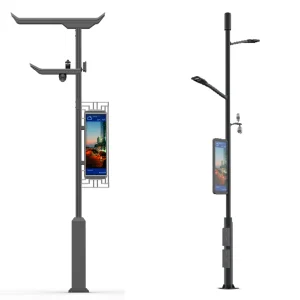
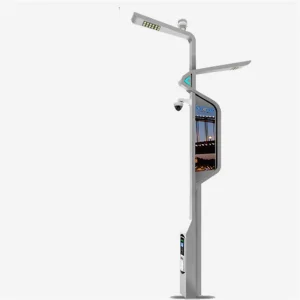
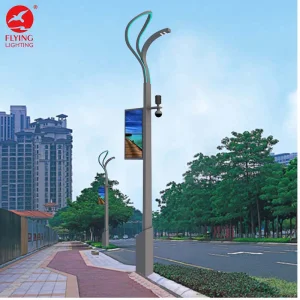
A major trend in modern smart municipal planning is the convergence of street lighting systems with EV public charging networks. Smart street poles, equipped with localized level 2 chargers, IoT sensors, high-definition security cameras, and LED illumination nodes, maximize space utilization in crowded metropolitan grids. This eliminates the need for separate charging station footprints, significantly lowering installation costs in dense urban cores like CDMX.
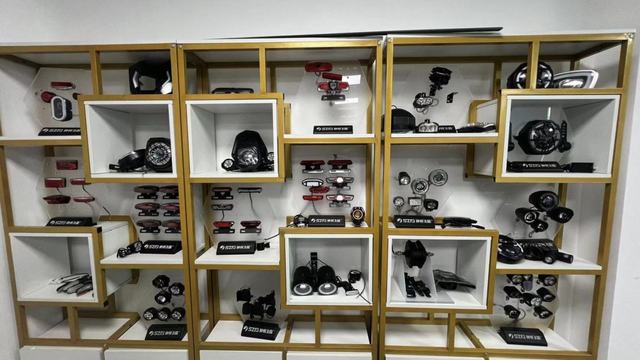
High-fidelity display and custom lighting systems tailored for Mexico City automotive centers.

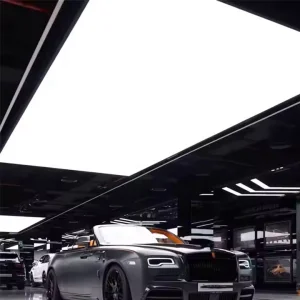
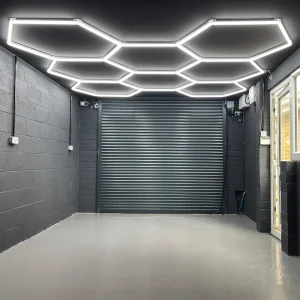
Decoupling power consumption from thermal resistance to ensure long-term durability.
The progression of solid-state vehicle lighting centers around maximizing **luminous efficacy** while minimizing structural thermal resistance. In conventional systems, the LED junction temperature is the primary limiting factor for reliability. Through years of dedicated engineering, Hangzhou EV Light Co., Ltd. has established a technical roadmap focused on direct-copper-bonded PCBs and thermal vias, allowing heat to flow seamlessly away from the delicate semiconductor junctions.
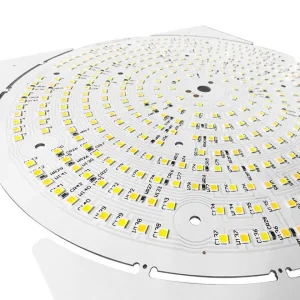
Traditional FR4 circuit boards lack the thermal conductivity needed for high-power LED systems (typically limited to 0.3 W/mK). Our high-output conversion kits and OEM assemblies implement advanced Metal-Core PCBs (MCPCB) utilizing aluminum or copper substrates, boosting thermal conductivity to over 2.0 W/mK. This rapid heat transfer prevents local hot-spots on the LED die, preserving luminous flux consistency over thousands of operating hours.
Modern electric vehicle architectures run on highly dynamic battery systems. During acceleration and regenerative braking, the system bus experiences voltage spikes and transient drops. Our drivers employ buck-boost converter topologies that stabilize current output to within ±1%. This prevents early component aging, eliminates light flicker, and maintains compliance with the strict EMC standards of regional markets, including CISPR 25 Class 5 requirements.
Scalable infrastructure and commercial vehicle upgrades designed for performance and reliability.
For municipal purchasers and corporate fleet managers in Mexico City, upgrading to high-efficiency LED technology is a critical tool for reducing operational costs. We provide comprehensive solutions ranging from heavy-duty delivery truck headlight retrofits to municipal smart poles with built-in EV chargers. By centralizing lighting and power distribution, cities can optimize their utility budgets while deploying safety-focused surveillance and cellular networks.
Corporate delivery fleets operating within the CDMX metropolitan area face intense daily duty cycles. Standard halogen lighting draws constant current, putting extra load on the vehicle's low-voltage DC-DC converter. Upgrading to our high-efficiency LED headlight kits reduces this auxiliary draw by up to 65%. Over a fleet of hundreds of vehicles, this energy conservation yields thousands of kilowatt-hours saved annually, directly lowering operating costs.
The integration of IoT connectivity into public lighting poles has transformed simple light fixtures into critical smart-city nodes. Equipped with high-bandwidth WiFi antennas, IP surveillance cameras, and integrated level-2 EV chargers, our municipal smart poles turn parking zones into charging hubs. This dual-use design maximizes public utility efficiency without cluttering urban walkways.
Professional-grade electrical and optical components engineered for smart cities and automotive integration.
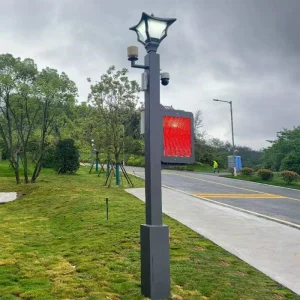
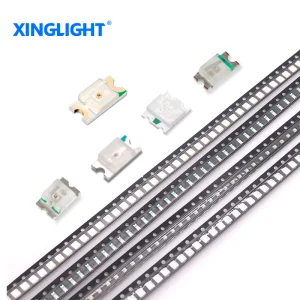
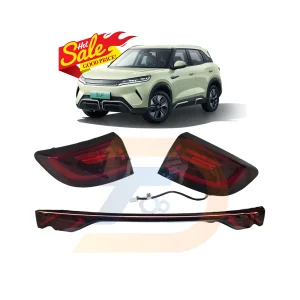
A trusted manufacturer of electric vehicle lighting and smart automotive illumination solutions.
Hangzhou EV Light Co., Ltd. is a professional China electric vehicle lighting manufacturer specializing in EV LED lighting and smart automotive lighting solutions for the rapidly evolving new energy vehicle industry. With a strong commitment to innovation, performance, and reliability, we provide advanced lighting technologies that enhance vehicle safety, energy efficiency, functionality, and visual appeal.
Our product portfolio includes EV headlight systems, taillight assemblies, daytime running lights, signal lighting, interior ambient lighting, charging status indicators, smart lighting modules, and customized automotive lighting solutions. Designed to meet the requirements of modern electric vehicles, our products are widely used in passenger EVs, commercial electric vehicles, electric buses, electric motorcycles, electric scooters, and emerging smart mobility applications.
At Hangzhou EV Light, we combine advanced engineering expertise with modern manufacturing capabilities to develop lighting solutions that deliver superior brightness, durability, and energy efficiency. Our experienced research and development team continuously explores new technologies in intelligent lighting control, adaptive lighting systems, LED integration, and automotive electronics to support the future of electric transportation.
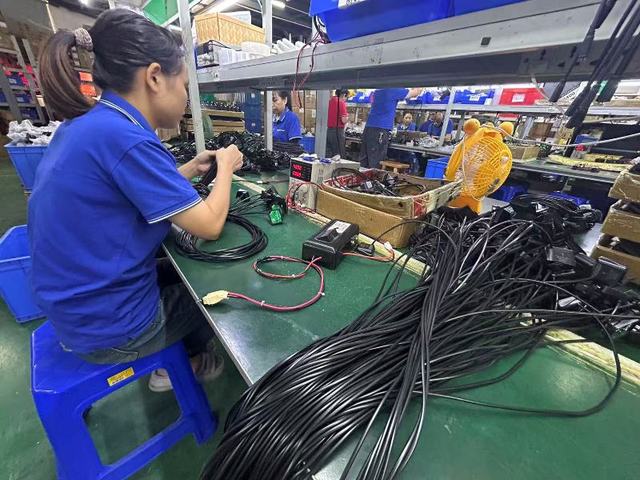
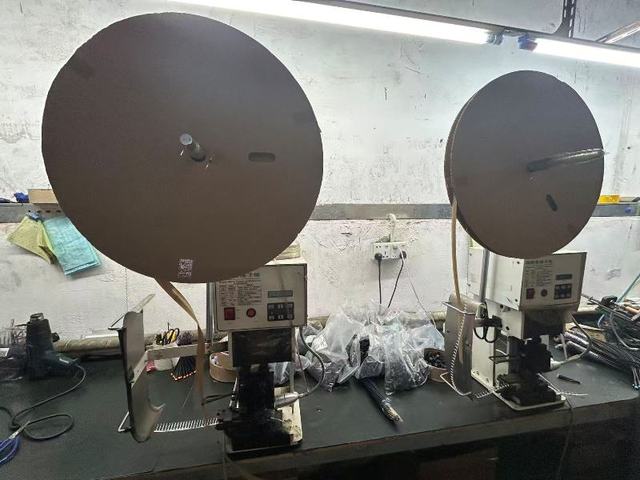
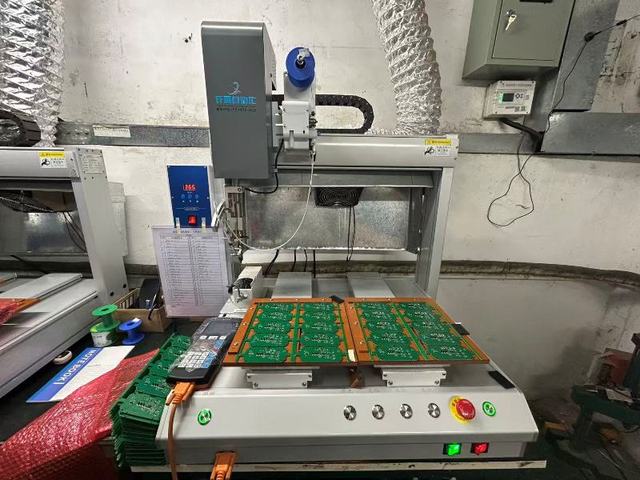
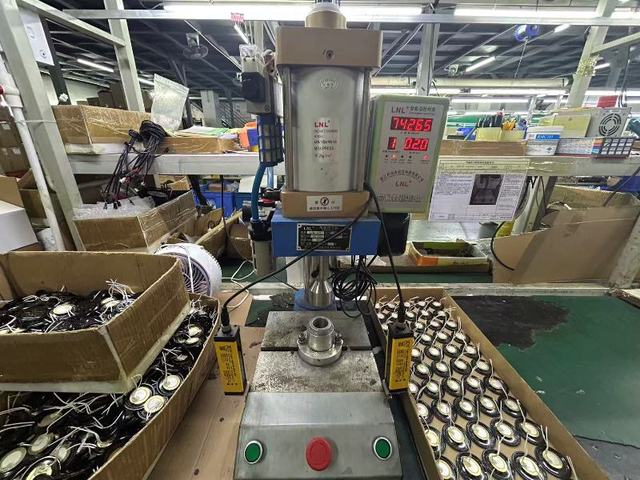
Quality is at the core of our operations. From component sourcing and product development to production and final testing, every stage follows strict quality management procedures to ensure consistent performance and compliance with international automotive standards. Our manufacturing facility is equipped with advanced production and testing equipment, enabling us to provide reliable products for demanding automotive environments.
We offer comprehensive OEM and ODM services for vehicle manufacturers, automotive suppliers, distributors, and mobility brands worldwide. Whether customers require customized designs, private-label production, or large-scale manufacturing, our flexible production capabilities support projects of various sizes and specifications.
Serving clients across North America, Europe, Southeast Asia, the Middle East, and other global markets, Hangzhou EV Light Co., Ltd. is dedicated to delivering innovative electric vehicle lighting solutions that contribute to safer, smarter, and more sustainable transportation. Our mission is to become a trusted global partner in advanced automotive lighting technology and smart mobility innovation.
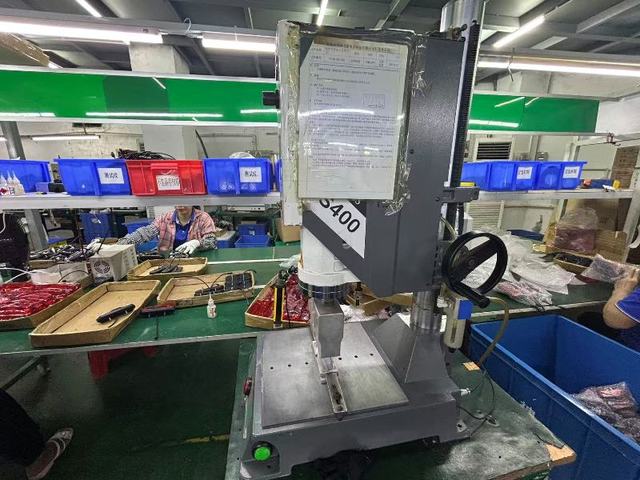
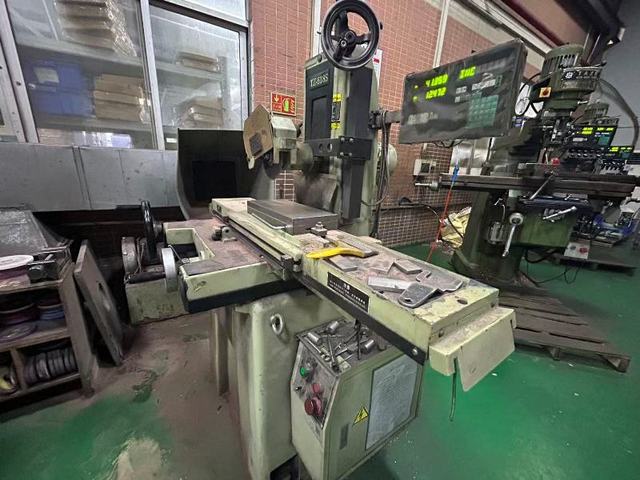
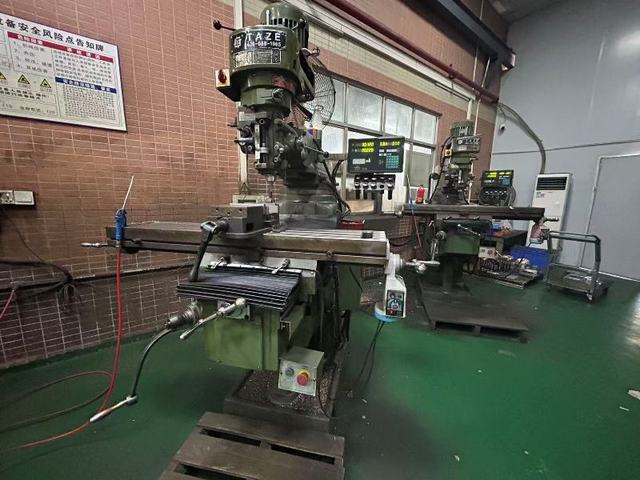
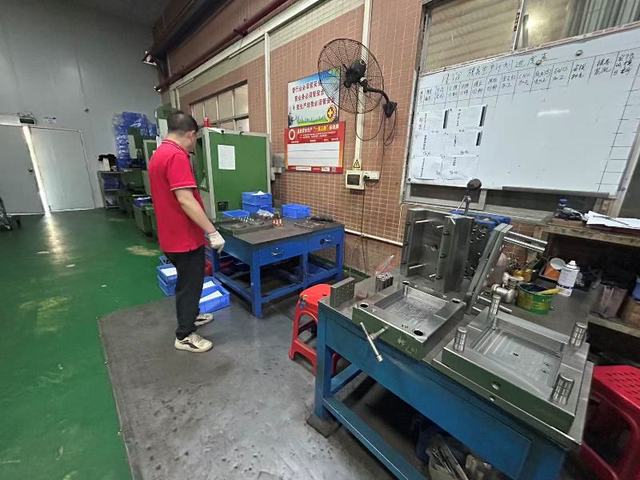
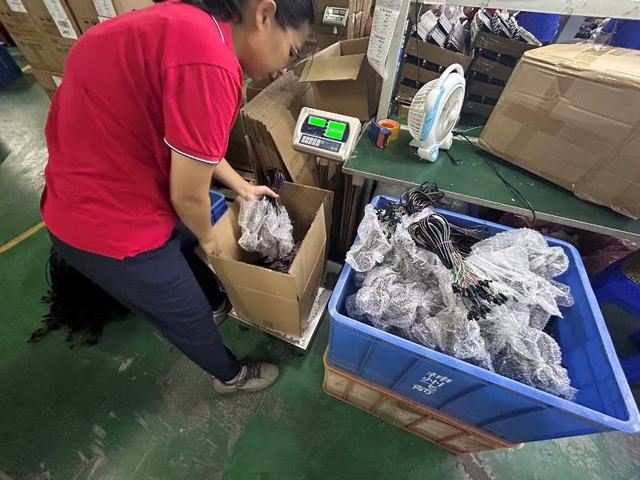
Take a look inside our clean-room assembly lines, SMT systems, and optical laboratories.
Technical clarifications concerning imports, customs, compliance, and thermal engineering parameters for Mexico City.
At an altitude of 2,240 meters, the ambient air is roughly 20% less dense than at sea level, which significantly reduces natural convective heat dissipation. Because of this, standard LED lights run hotter, increasing the risk of thermal degradation. To solve this, Hangzhou EV Light utilizes high-thermal-conductivity aluminum substrates (MCPCBs) and built-in thermal sensors that dynamically manage current to protect the LED chips, maintaining a lifespan of over 50,000 hours.
Yes, all our exported lighting systems are engineered to meet or exceed Mexican Official Standards, including NOM-001-SCFI and NOM-019-SCFI, as well as international equivalents like FMVSS-108 and ECE R112. This ensures your vehicles are fully compliant with federal transport regulations across Mexico.
Yes, our smart street poles with integrated EV chargers are designed with wide-voltage input tolerances (covering standard 120V/248V/480V three-phase grid systems in Mexico). They include heavy-duty surge protection devices (SPDs) and active EMI filters to handle voltage spikes, sags, and grid instability commonly found in urban power systems.
Absolutely. Through our OEM and ODM services, we offer custom dimensions, color temperatures, and custom-designed soft film ceiling light boxes featuring your brand logo. This is a highly popular option for premium auto detailing centers and 4S repair shops looking for a clean, modern aesthetic.
For standard products, our production lead time is typically 15 to 25 days from order confirmation. Shipping is handled via reliable global logistics channels directly to the port of Manzanillo or Veracruz, and then transported by land to your warehouse in Mexico City, managing all export customs clearance requirements along the way.
Our LED drivers are designed with advanced shielding and soft-switching topologies that minimize high-frequency noise. Tested to meet CISPR 25 Class 5 standards, our systems ensure zero interference with critical EV electronics, ADAS sensors, GPS tracking, and wireless communication links.
 EV Light