High-efficiency illumination modules and integrated ambient sensors engineered for clean energy vehicles.

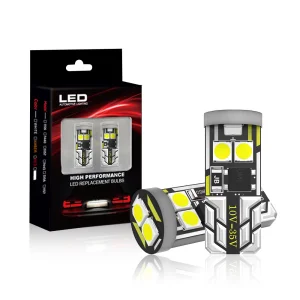
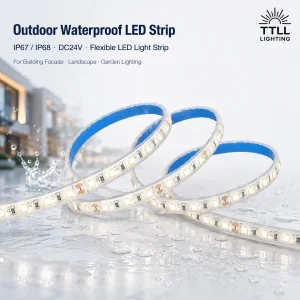
The automotive landscape is undergoing an unprecedented shift toward electrification and intelligent integration. At the core of this transition lies the need for highly responsive, energy-efficient electronic control units (ECUs) and sensor modules. Electric Vehicle (EV) light sensors, specifically Ambient Light Sensors (ALS), Twilight Sensors, and Solar Load Sensors, play an indispensable role in optimizing power distribution, stabilizing vehicle control, and enriching the passenger cabin environment.
Unlike traditional internal combustion engine (ICE) vehicles, EVs are powered by finite high-voltage battery architectures. As a result, auxiliary loads, such as headlights, cabin air conditioning, and ambient media setups, directly influence the vehicle's driving range (WLTP/CLTC metrics). CE Certified EV light sensors allow the vehicle control systems to dynamically adjust headlight sensitivity, manage the transition of daytime running lights (DRLs), and calibrate interior display backlighting. This auto-dimming precision reduces energy wastage in the instrument cluster and high-draw lighting networks, effectively saving up to 1.5% of total battery power over extended commutes.
Key Metric: Under standard European and Asian urban driving conditions, integrated ambient light sensors decrease auxiliary power usage in illumination circuits by up to 22% via real-time brightness regulation.
As a reliable industry leader, Hangzhou EV Light Co., Ltd. specializes in addressing the complex technical needs of the global EV supply chain. We research, develop, and export high-performance automotive light sensors and solid-state LED systems. By combining photodiode technologies with integrated circuit designs, our products offer optimal performance across diverse climatic and electrical conditions.
Exporting safety-critical automotive electronics to international markets requires strict compliance with performance and environmental regulations. European Union CE certification is a baseline requirement that verifies electromagnetic compatibility (EMC), functional safety, and hazardous material limitations.
Hangzhou EV Light Co., Ltd.'s sensor components are manufactured to comply with the CE Electromagnetic Compatibility Directive (2014/30/EU), ensuring they remain unaffected by the high-voltage noise generated by EV traction motors, inverters, and battery management systems (BMS).
Our silicon photodiode sensors are designed to match the human eye’s visual response curve (CIE 1931 standard). This prevents interference from infrared (IR) or ultraviolet (UV) light waves, allowing the system to perform accurately in varied conditions, such as tree-lined streets, tunnels, and sudden cloud cover.
Modern EV lighting architectures depend on fast, real-time data transmission. Our smart sensors incorporate integrated Local Interconnect Network (LIN) or Controller Area Network (CAN) bus protocols, allowing direct connection to the vehicle's body control module (BCM). This facilitates rapid response times (under 50 milliseconds) when adjusting adaptive headlights and cockpit lighting layouts.
Designed to withstand ISO 7637-2 electrical transients and high-frequency emissions standard in high-voltage passenger electric vehicles.
Complies with functional safety standards for road vehicles, reducing potential failures in auto-headlight triggers.
Operates reliably from -40°C to +105°C, ensuring stability in extreme climates and near high-heat windshield mounts.
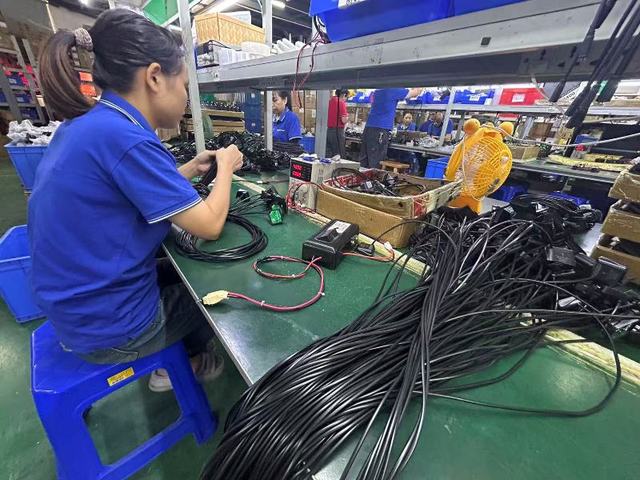
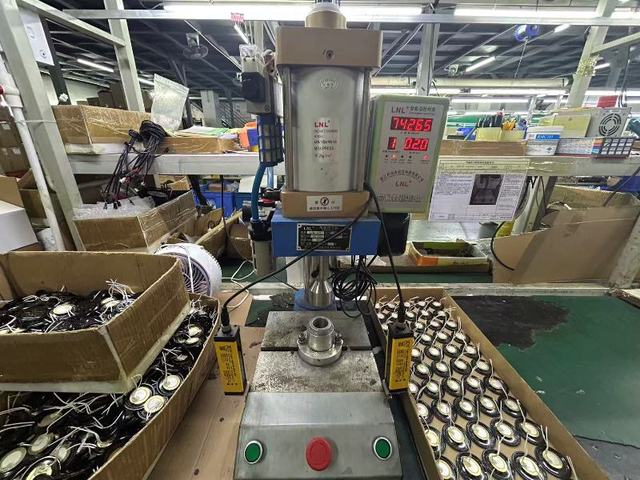
Based in the industrial technology hub of Hangzhou, China, our manufacturing facility benefits from a highly integrated local electronics supply chain. By utilizing automated surface-mount technology (SMT) lines, high-precision injection molding, and Clean Room Assembly (Class 10,000 / ISO 7), we maintain consistent quality while keeping production costs competitive.
Our advanced optical calibration equipment tests every sensor against calibrated light sources. This rigorous testing processes orders efficiently, meeting the requirements of international distributors, tier-1 suppliers, and vehicle OEMs.
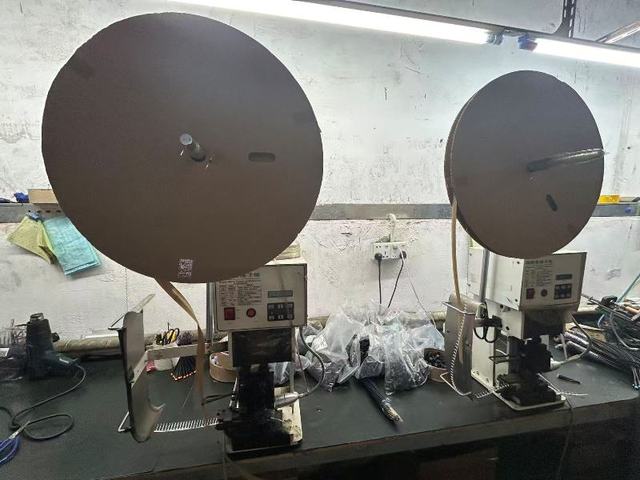
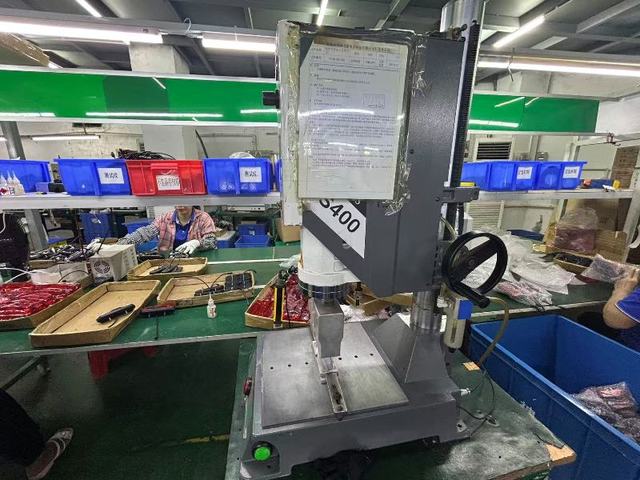
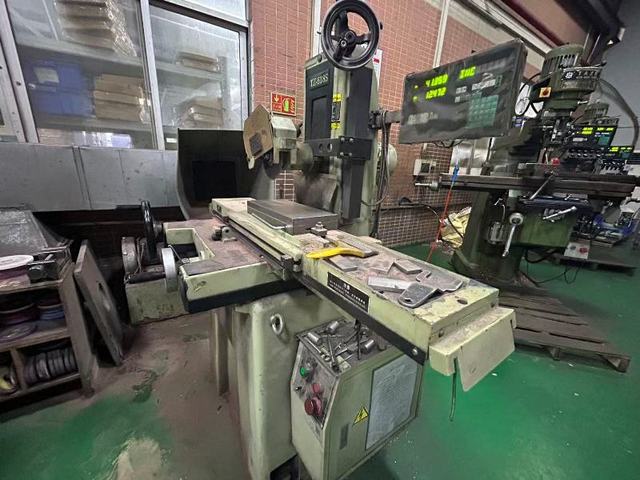
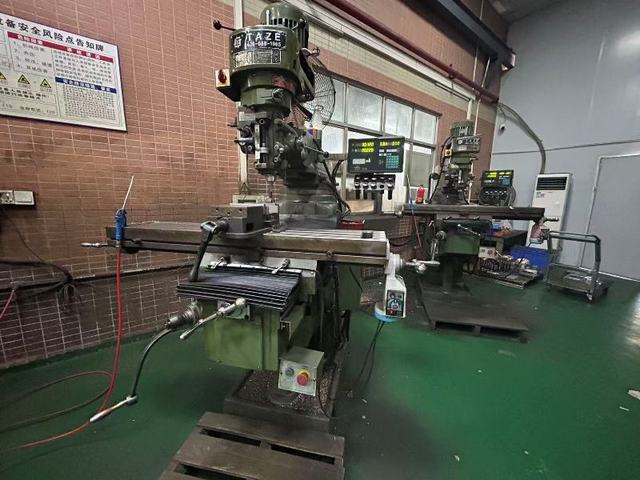
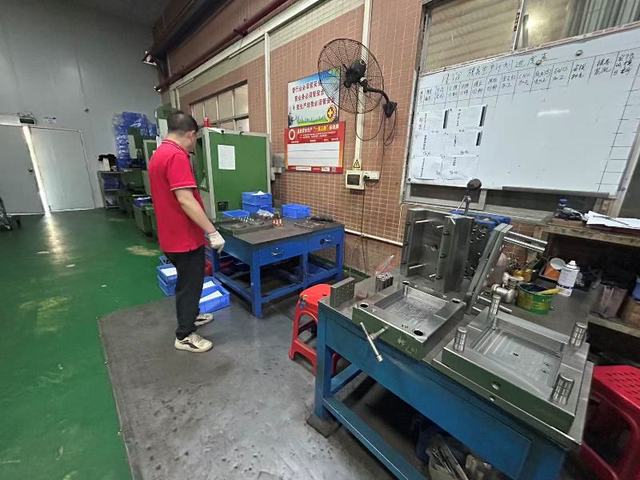
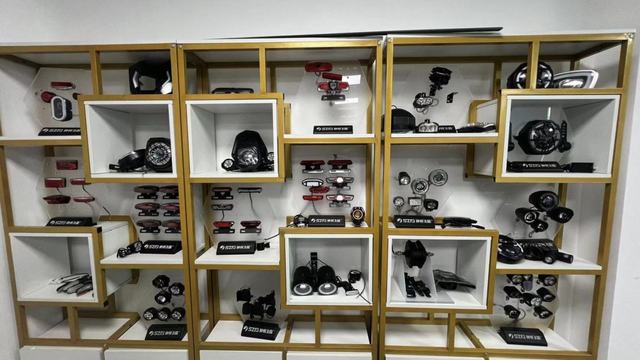
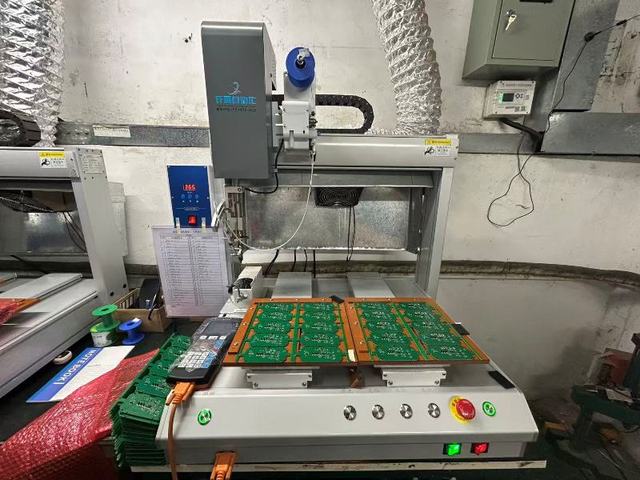
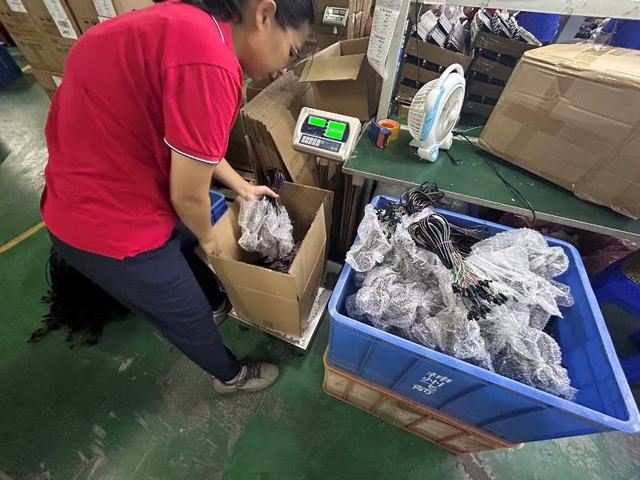
B2B buyers, system integrators, and engineers must match sensor designs with their specific local use cases. Hangzhou EV Light Co., Ltd. provides customized designs that address these regional and functional challenges.
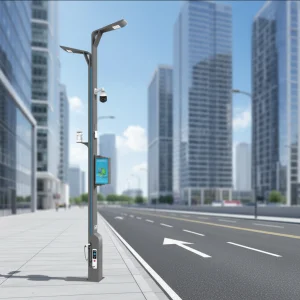
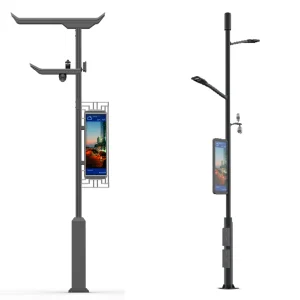
In North America and Europe, smart cities deploy municipal lighting structures that communicate with passing vehicles. Our smart pole integrations (such as the Jieyao Smart Pole Street Lighting systems) use photoelectric sensors to sync with ambient vehicle light sensors, improving energy efficiency across the local power grid.
Advanced Driver Assistance Systems (ADAS) depend on accurate light data to adjust camera shutter speeds in sudden lighting changes (e.g., entering tunnels). Our photodiode microchips feed fast, low-latency light level updates to the camera modules, keeping lane-keep and collision prevention features active.
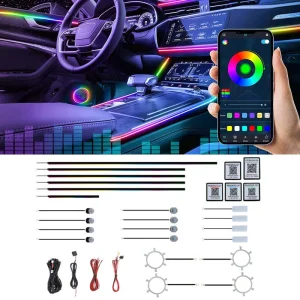
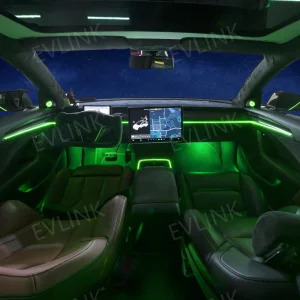
High-end EVs require coordinated internal ambient light systems (like the 22 in 1 Dream Color RGB Kits and vehicle-specific setups for Tesla Model 3/Y or BYD Han). Ambient Light Sensors monitor external brightness levels and dynamically dim the cabin interior to reduce driver fatigue at night and maintain visibility during the day.
The EV sensor market is transitioning from single-diode designs to multi-spectral, integrated sensor hubs. In these systems, light sensors, humidity sensors, and rain detectors are housed in a single rearview mirror console. This consolidation helps vehicle manufacturers reduce assembly steps, simplify wire harnesses, and save space in the upper windshield area.
Additionally, head-up displays (HUDs) require highly sensitive ambient sensors. Because HUDs project driving telemetry onto the windshield, their brightness must be adjusted constantly to prevent the display from becoming washed out in bright sunlight or causing glare at night.
We work closely with Tier-1 automotive integrators and OEMs to design custom sensors. Our engineering services cover the entire development lifecycle, including custom optical lens geometries, specific LIN register mapping, customized injection-molded enclosures, and bulk validation testing. This ensures our sensors integrate smoothly into your vehicle's electric control architectures.
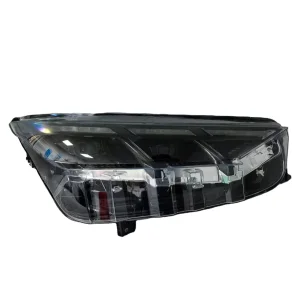
High-durability headlights, signal lamps, and custom exterior light systems.
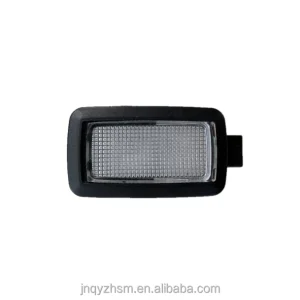
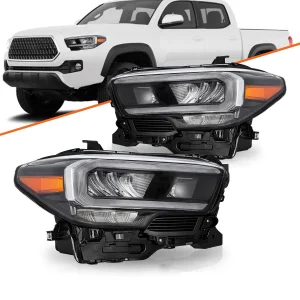
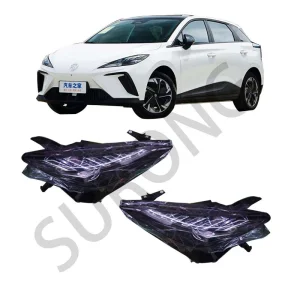
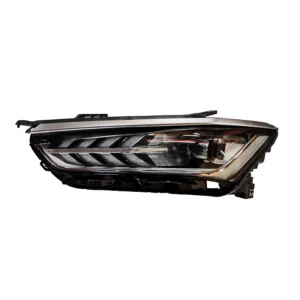
 EV Light