Premium OE-grade lighting integrations, high-performance optical electronics, and next-generation smart charging infrastructure lamps.
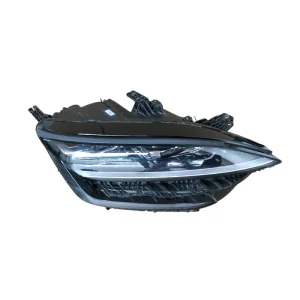
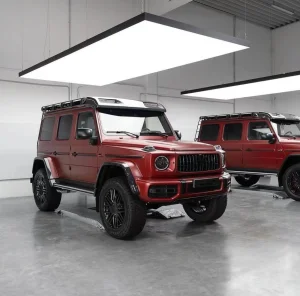
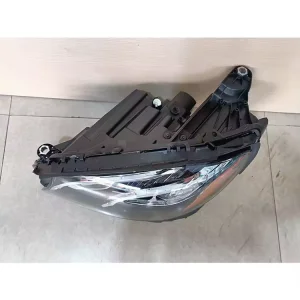
The global automotive market is undergoing a rapid transition towards electrification. Alongside this transition, the requirements for automotive optical systems have shifted significantly. Traditional Internal Combustion Engine (ICE) vehicles relied on lighting primarily for illumination and standardized signaling. In contrast, modern electric vehicles (EVs) utilize lighting as an integrated platform for safety, autonomous brand signature, state-of-charge (SoC) projection, and advanced sensor-fusion housing. As a specialized CE Certified EV safety lighting factory and supplier, Hangzhou EV Light Co., Ltd. is positioned at the intersection of optoelectronics and software-defined mobility.
Regulatory frameworks in Europe, North America, and the Asia-Pacific region have established stricter parameters for automotive light emission. CE certification, along with compliance with UNECE Regulations (such as R148, R149, and R10), serves as a fundamental baseline for market access. Electric vehicles operate on high-voltage architectures (often ranging from 400V to 800V silicon carbide platforms), requiring safety lighting modules to have robust electromagnetic compatibility (EMC) to prevent interference with traction systems and ADAS sensors. Thermal management has also changed; without the residual ambient heat of an engine, EV headlights require active and passive thermal dissipation systems to prevent condensation and optimize the operational lifespan of high-density LED arrays.
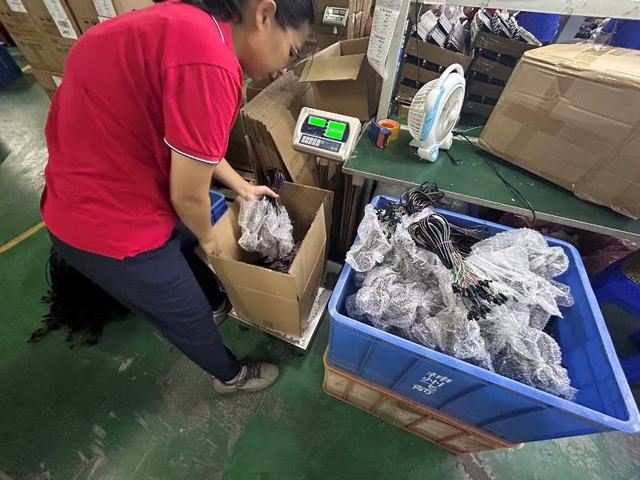
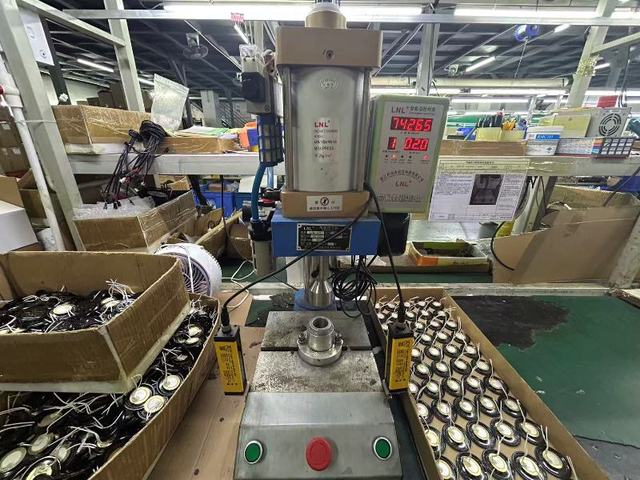
Our manufacturing operations are structured around precision engineering, quality management, and product durability. To support compliance, our processes are aligned with the ISO 9001 and IATF 16949 quality standards, ensuring consistency from initial component sourcing to final photometric testing.
Hangzhou EV Light Co., Ltd. is a professional China electric vehicle lighting manufacturer specializing in EV LED lighting and smart automotive lighting solutions for the rapidly evolving new energy vehicle industry. With a strong commitment to innovation, performance, and reliability, we provide advanced lighting technologies that enhance vehicle safety, energy efficiency, functionality, and visual appeal.
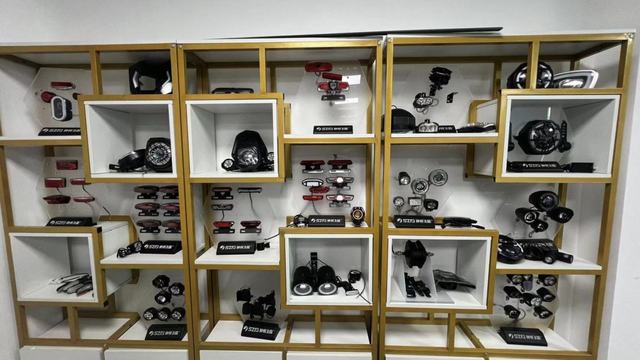
Our product portfolio includes EV headlight systems, taillight assemblies, daytime running lights, signal lighting, interior ambient lighting, charging status indicators, smart lighting modules, and customized automotive lighting solutions. Designed to meet the requirements of modern electric vehicles, our products are widely used in passenger EVs, commercial electric vehicles, electric buses, electric motorcycles, electric scooters, and emerging smart mobility applications.
At Hangzhou EV Light, we combine advanced engineering expertise with modern manufacturing capabilities to develop lighting solutions that deliver superior brightness, durability, and energy efficiency. Our experienced research and development team continuously explores new technologies in intelligent lighting control, adaptive lighting systems, LED integration, and automotive electronics to support the future of electric transportation.
Quality is at the core of our operations. From component sourcing and product development to production and final testing, every stage follows strict quality management procedures to ensure consistent performance and compliance with international automotive standards. Our manufacturing facility is equipped with advanced production and testing equipment, enabling us to provide reliable products for demanding automotive environments.
We offer comprehensive OEM and ODM services for vehicle manufacturers, automotive suppliers, distributors, and mobility brands worldwide. Whether customers require customized designs, private-label production, or large-scale manufacturing, our flexible production capabilities support projects of various sizes and specifications.
Serving clients across North America, Europe, Southeast Asia, the Middle East, and other global markets, Hangzhou EV Light Co., Ltd. is dedicated to delivering innovative electric vehicle lighting solutions that contribute to safer, smarter, and more sustainable transportation. Our mission is to become a trusted global partner in advanced automotive lighting technology and smart mobility innovation.
Electric mobility extends beyond passenger vehicles to encompass public transport, commercial distribution fleets, and smart city infrastructure. Our manufacturing configurations support this ecosystem through four core areas:
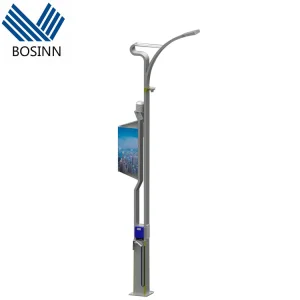
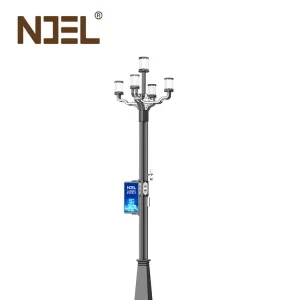
Integration of electric vehicle charging systems with intelligent municipal lighting. The deployment of 5G micro-base stations on smart poles creates a connected grid, optimization of energy use, and safety illumination for urban spaces.
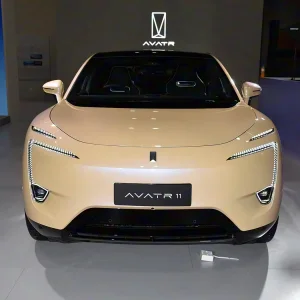
Development of low-power, high-efficiency headlight and taillight assemblies. Integrated CAN/LIN bus control systems enable adaptive control of beam shapes (ADB) and dynamic battery charge indication status.
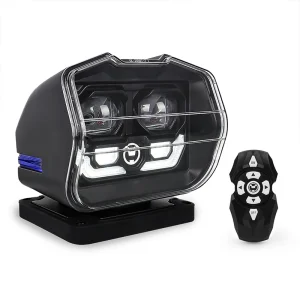
Rugged illumination systems including marine searchlights, off-road LED lights, and high-temp signal lights (IP67/IP69K) designed to withstand vibration and environmental exposure.
The evolution of EV safety lighting is closely linked with progress in ADAS (Advanced Driver Assistance Systems) and vehicle-to-everything (V2X) communication. Our engineering team is currently working on three technological phases:
Implementing multi-channel constant current drivers and high-precision matrix controllers (84 to 1024 pixels). This allows the headlight to mask oncoming traffic selectively, preventing glare while maintaining illumination.
Designing headlamp enclosures that house sensor arrays, solid-state LiDARs, and radar sensors. Our engineering focuses on resolving optical alignment and thermal management challenges for consolidated units.
Transitioning to >20,000 pixel micro-LED technology. This enables the headlights to project driving path warnings, navigation arrows, and pedestrian warning symbols directly onto the road surface.
Safety lighting performance must adapt to different climatic and regional conditions:
Sub-Zero Environments (e.g., Northern Europe & Canada): The lack of engine heat in EVs can allow ice and snow accumulation on headlamp lenses, which disperses the light output. Our designs incorporate built-in heating coils and conductive optical coatings that activate automatically below 4°C to keep the lens clear.
High-Humidity and Coastal Areas (e.g., Southeast Asia): High humidity and salt fog can degrade electronic circuits and corrode metal reflectors. We address this by applying conformal coatings to PCBs and sealing internal components to meet IP68/IP69K standards.
Densely Populated Megacities (e.g., European and East Asian Hubs): Glare is a significant safety hazard for pedestrians and cyclists in urban centers. Our lighting solutions use precise optical cut-off lines and active dimming protocols to reduce glare and improve safety.
CE certification is a declaration of conformity with European safety, health, and environmental protection standards. For automotive safety lighting, it covers electromagnetic compatibility (EMC - EN 55015/EN 61547) and photobiological safety (EN 62471). Additionally, road-use automotive components must comply with ECE regulations (e.g., ECE R148 for light-signaling devices and ECE R149 for road-illumination devices) to ensure specific luminous flux, beam patterns, and environmental resilience.
Electric drivetrains and power electronics generate high-frequency electromagnetic noise. Our design and manufacturing processes utilize multi-layer PCB shielding, common-mode choke filters, and metalized housings. This helps our lighting modules meet CISPR 25 Class 5 limits, preventing interference with vehicle communication systems, ADAS, and radio reception.
We provide end-to-end design, prototyping, and manufacturing services. This includes optical simulation, mechanical CAD design, software integration for dynamic animation, and physical qualification testing (for thermal, vibration, dust, and moisture resistance) in accordance with manufacturer-specific requirements.
Development timelines vary by complexity. Initial optical designs and 3D modeling are typically completed within 3 to 4 weeks. Working prototypes for testing can be provided in 6 to 8 weeks, while tooling and mass production ramp-up generally require 12 to 16 weeks, depending on regulatory testing schedules.
Premium strobe warning systems, heavy-duty marine lighting, and high-efficiency backup battery energy systems.
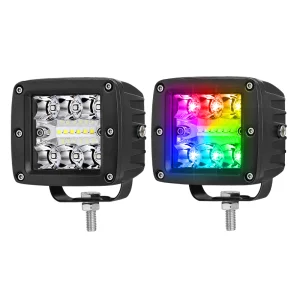
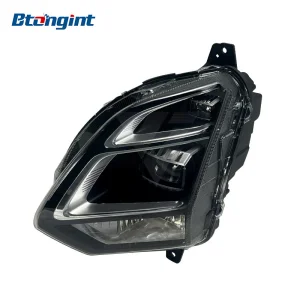
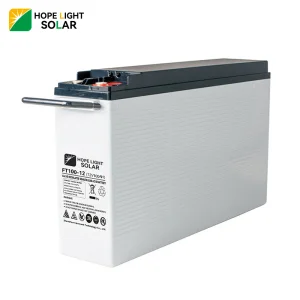
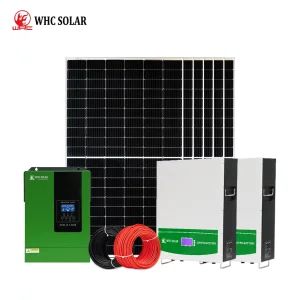
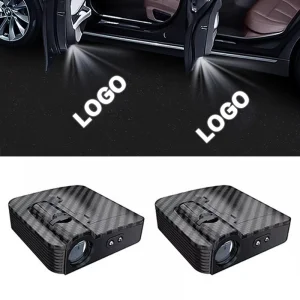
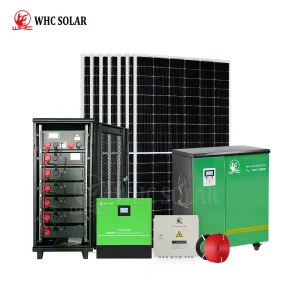
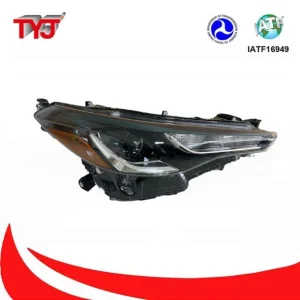
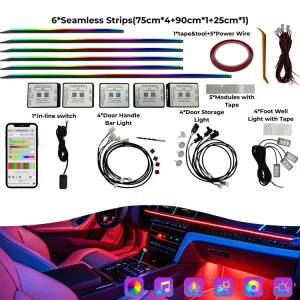
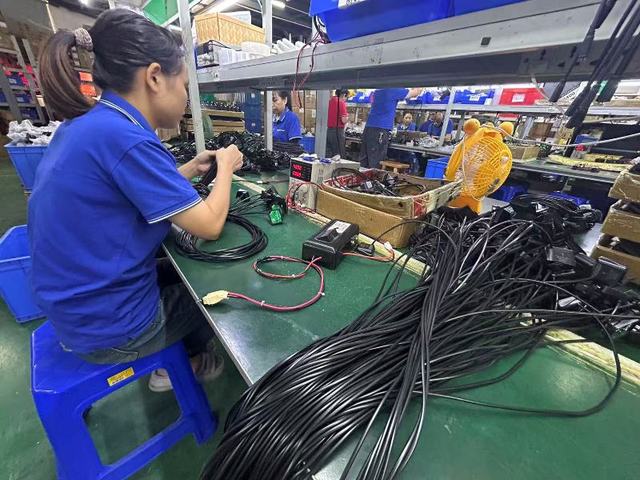
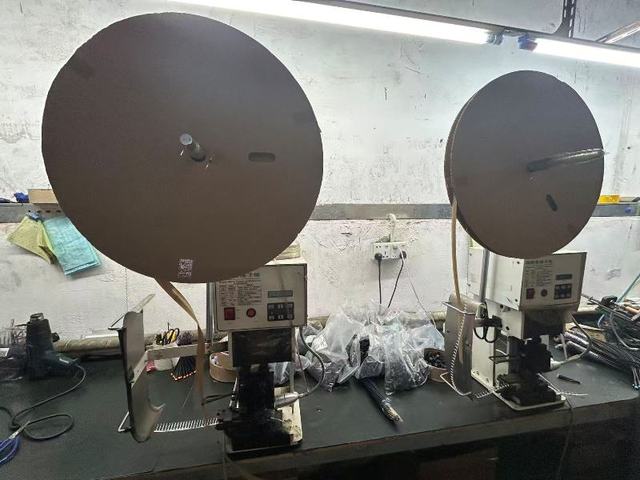
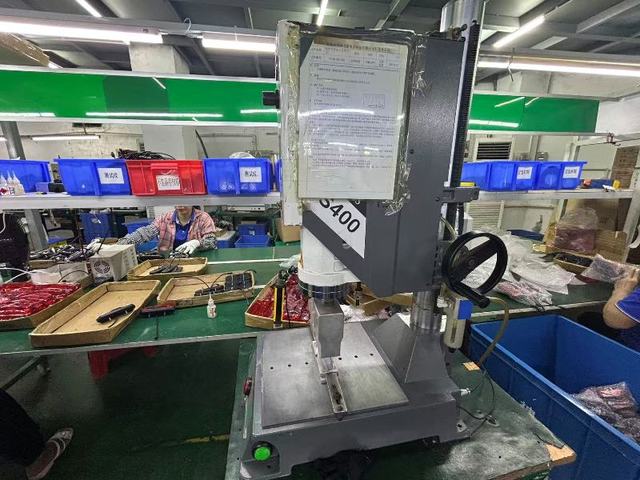
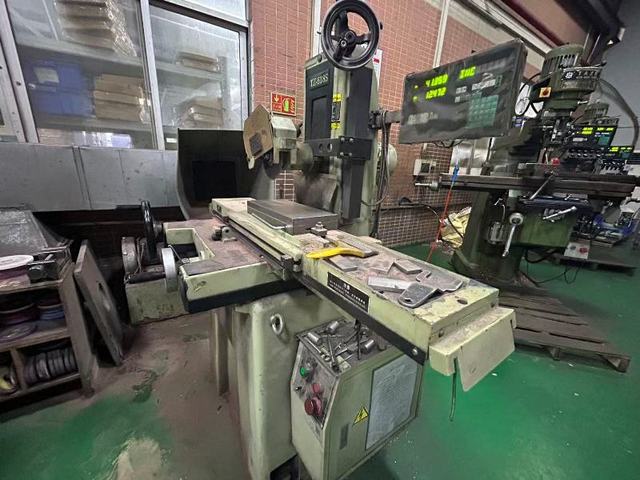
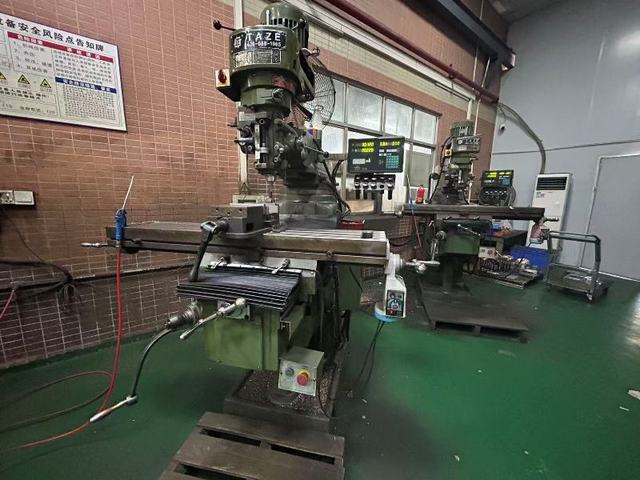
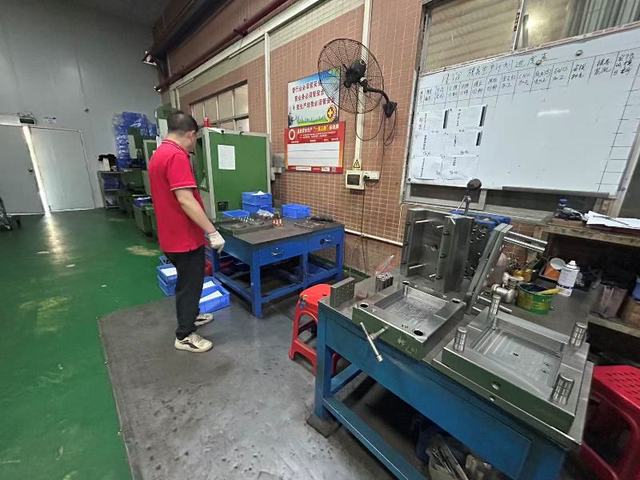
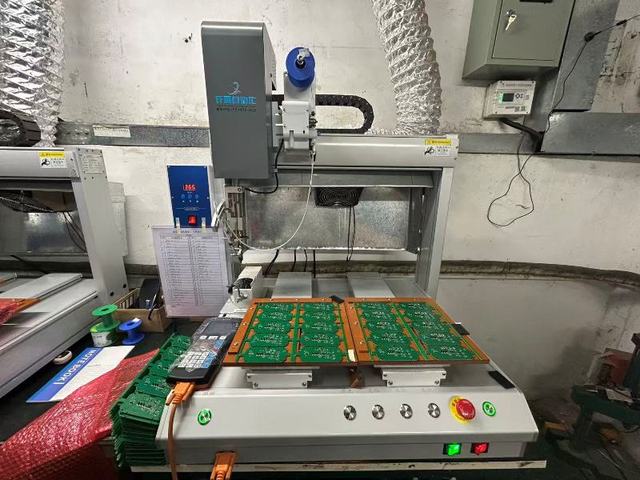
Our ISO 9001 and IATF 16949 compliant China manufacturing facilities, testing laboratories, and dust-free assembly lines.
 EV Light