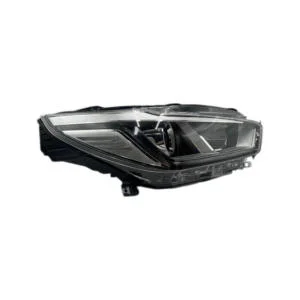
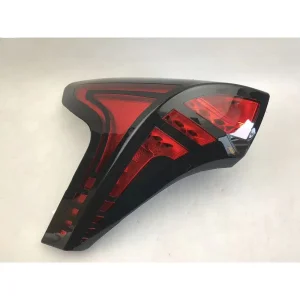
Engineered to maximize luminous efficacy, reduce power draw on low-voltage battery loops, and satisfy global automotive regulations.
Technical analysis of how enhanced LED engineering is shaping range efficiency and road safety metrics for next-generation mobility.
Utilizing high-thermal conductivity aluminum and copper PCBs to dramatically reduce diode junction temperature and maintain constant luminous flux.
Delivering over 130 lm/W to minimize parasitic energy drain, preserving traction battery capacity and boosting overall vehicle driving range.
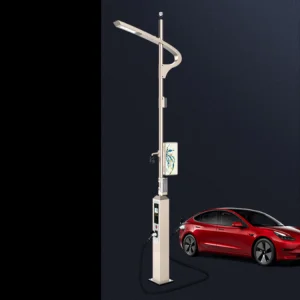
Smart lighting systems incorporating CAN/LIN-controlled micro-LED matrix modules for dynamic high-beam masks and active road lane projection.
Traditional Internal Combustion Engine (ICE) vehicles relied on alternator-generated power, rendering high auxiliary energy consumption acceptable. Electric vehicles, however, depend entirely on high-to-low voltage DC-DC conversion steps. Thus, every milliwatt saved by optoelectronic systems directly improves driving range metrics. Enhanced EV lighting is not merely an aesthetic choice; it is a critical system architecture goal for automotive engineers focused on efficiency.
Furthermore, because the packaging of electric vehicles allows for sleeker front-end configurations, modern aerodynamic profiles require headlights to occupy shallower spaces. This reduction in volume presents severe thermal concentration challenges. Modern LED assemblies must operate at higher junction temperatures without accelerating color shifts or lumen depreciation. Forward-thinking Chinese factories are addressing this through the adoption of advanced silicon-carbon thermal adhesives and direct copper bonding technologies.
When selecting a Chinese EV lighting exporter, prioritize facilities demonstrating deep in-house expertise in thermal transient modeling and electromagnetic compatibility (EMC) protection. Cheap assemblies often produce high levels of radio-frequency noise that disrupts sensitive ADAS sensor networks.
Understanding the strict regulatory frameworks and operational metrics that global tier-1 buyers require from Chinese exporters.
| Procurement Parameter | Legacy OEM Requirements | Next-Gen EV Sourcing Standards | Hangzhou EV Light Compliance Status |
|---|---|---|---|
| Thermal Interface | Standard Aluminum Substrate (1.5 W/mK) | High-Performance MCPCB / Copper Core (>3.0 W/mK) | Dual-layer thermal copper plating, in-house thermal profiling |
| EMC Performance | CISPR 25 Class 3 | CISPR 25 Class 5 (Ultra-low radiation noise) | Class-5 shielded driver components with custom chokes |
| Voltage Tolerances | 9V - 16V transients | 9V - 32V with active high-voltage surge clamping | Smart dynamic linear driver topologies built in-house |
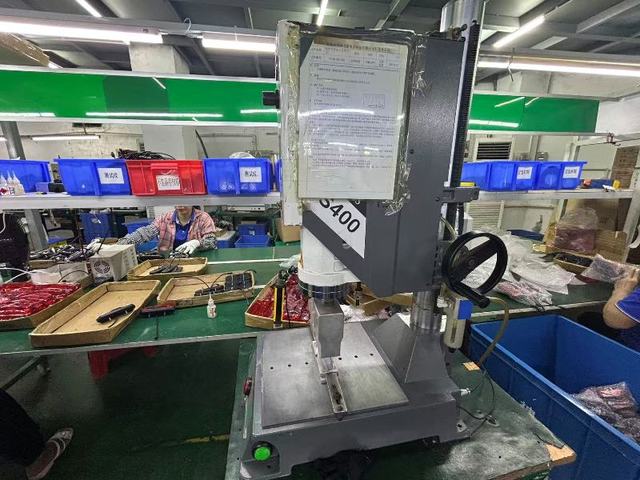
| Ingress Rating | IP65 or IP66 typical | IP67, IP68, and IP69K (High-pressure steam resistance) | Hermetic sonic welding + integrated breathers |
One of the primary challenges for global procurement offices is the differences between United States FMVSS (Federal Motor Vehicle Safety Standards) and European ECE regulations. For instance, the exact beam pattern shapes, photometric levels, and color coordinates differ significantly between DOT-approved lights and E-mark assemblies. A top-tier manufacturing partner must have optical design simulation platforms that allow fast adjustments to lens geometry and reflector facets.
Additionally, the integration of ADAS systems (Advanced Driver Assistance Systems) has turned automotive lighting into interactive interfaces. Active signal systems, like dynamic door indicators and welcome light animations, must be integrated directly into the car's body control unit (BCU) network. This requires complex validation processes, utilizing hardware-in-the-loop (HIL) testing rigs to ensure that the firmware embedded in the lights interacts seamlessly with the central powertrain computers.
A professional Chinese manufacturer delivering advanced optoelectronics to global markets.
Hangzhou EV Light Co., Ltd. is a professional China electric vehicle lighting manufacturer specializing in EV LED lighting and smart automotive lighting solutions for the rapidly evolving new energy vehicle industry. With a strong commitment to innovation, performance, and reliability, we provide advanced lighting technologies that enhance vehicle safety, energy efficiency, functionality, and visual appeal.
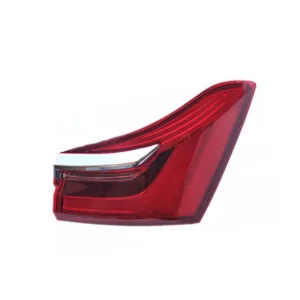
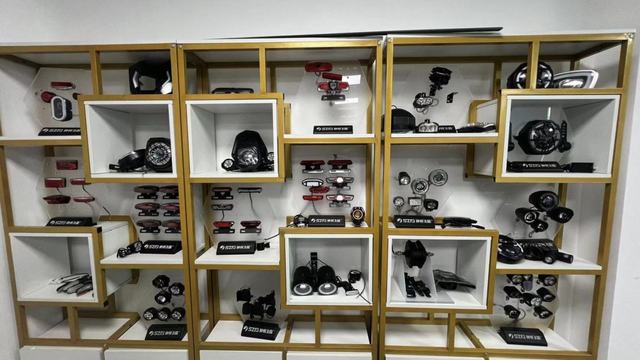
Our product portfolio includes EV headlight systems, taillight assemblies, daytime running lights, signal lighting, interior ambient lighting, charging status indicators, smart lighting modules, and customized automotive lighting solutions. Designed to meet the requirements of modern electric vehicles, our products are widely used in passenger EVs, commercial electric vehicles, electric buses, electric motorcycles, electric scooters, and emerging smart mobility applications.
At Hangzhou EV Light, we combine advanced engineering expertise with modern manufacturing capabilities to develop lighting solutions that deliver superior brightness, durability, and energy efficiency. Our experienced research and development team continuously explores new technologies in intelligent lighting control, adaptive lighting systems, LED integration, and automotive electronics to support the future of electric transportation.
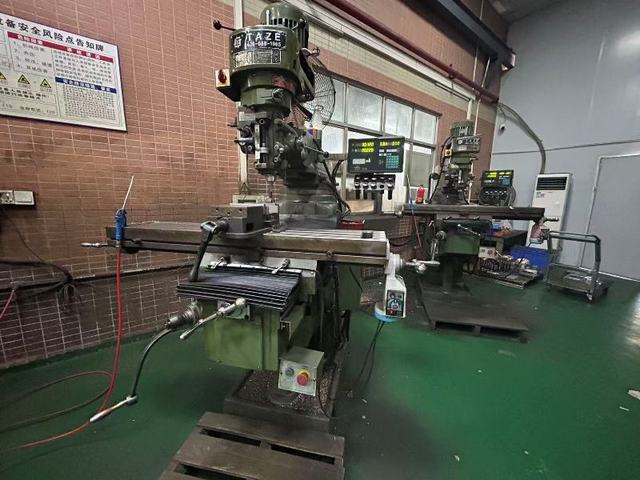
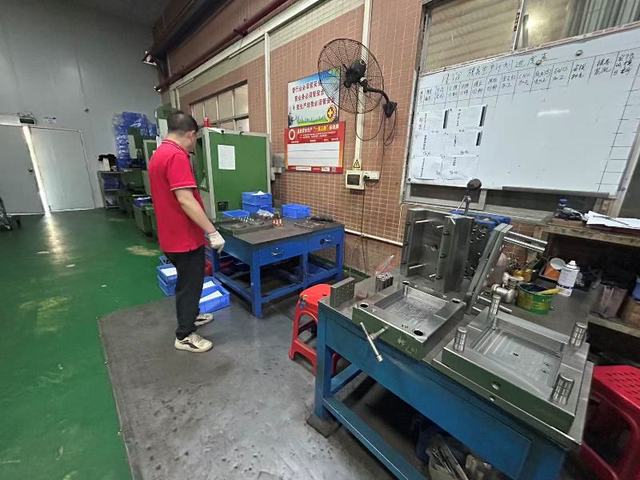
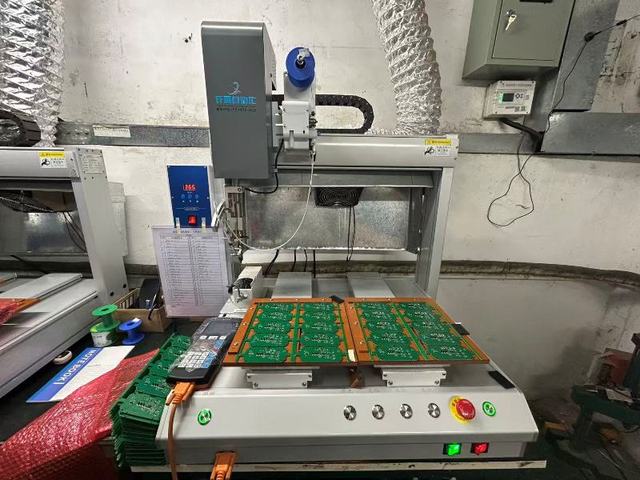
Quality is at the core of our operations. From component sourcing and product development to production and final testing, every stage follows strict quality management procedures to ensure consistent performance and compliance with international automotive standards. Our manufacturing facility is equipped with advanced production and testing equipment, enabling us to provide reliable products for demanding automotive environments.
We offer comprehensive OEM and ODM services for vehicle manufacturers, automotive suppliers, distributors, and mobility brands worldwide. Whether customers require customized designs, private-label production, or large-scale manufacturing, our flexible production capabilities support projects of various sizes and specifications.
Serving clients across North America, Europe, Southeast Asia, the Middle East, and other global markets, Hangzhou EV Light Co., Ltd. is dedicated to delivering innovative electric vehicle lighting solutions that contribute to safer, smarter, and more sustainable transportation. Our mission is to become a trusted global partner in advanced automotive lighting technology and smart mobility innovation.
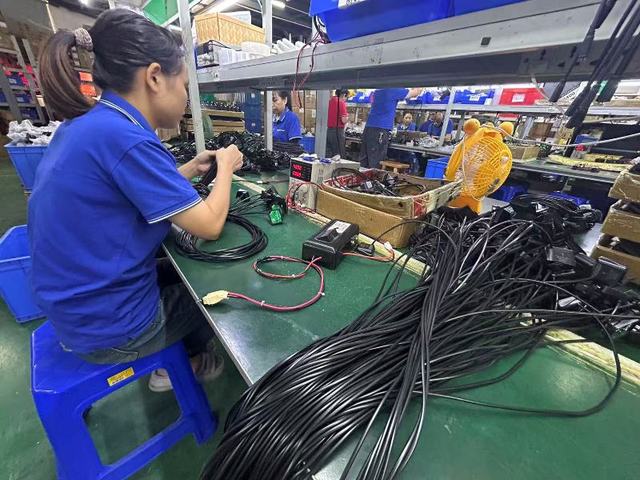
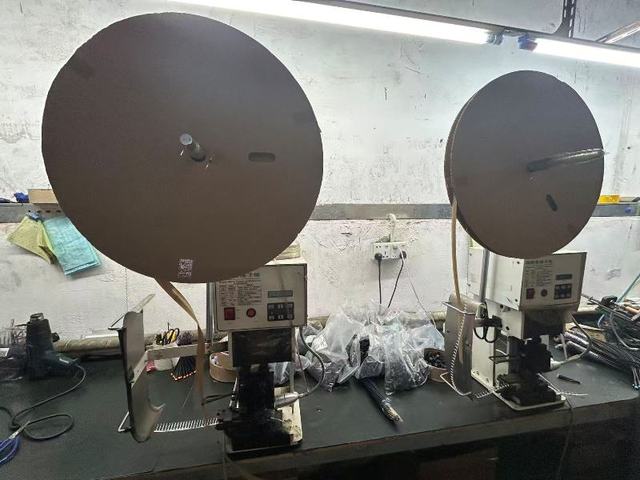
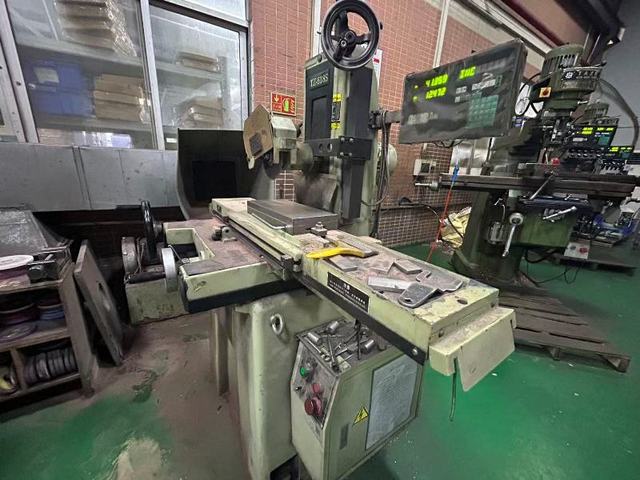
Real-world images showing our precision assembly lines, cleanrooms, and testing facilities.
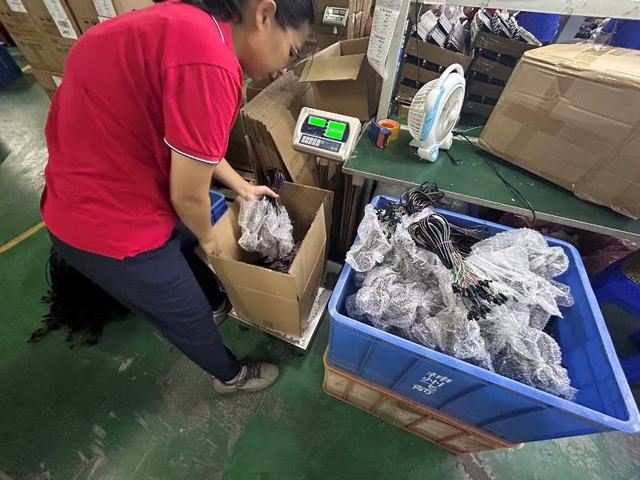
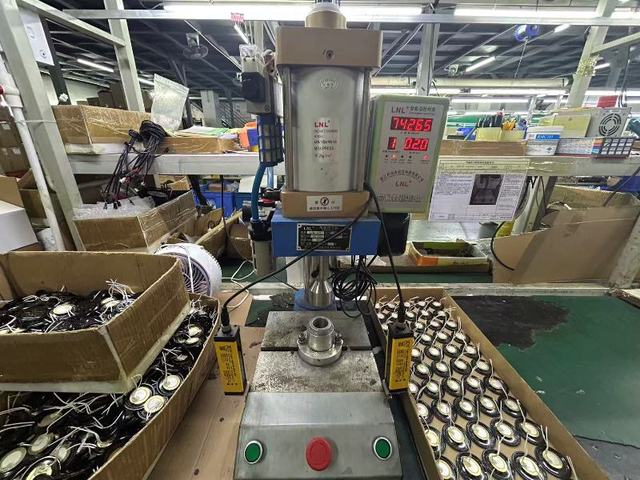
Projecting the future development of EV smart illumination and addressing international testing standards.
As standard driver systems advance toward L3+ levels of autonomous driving, the role of exterior lighting shifts. Future headlights will not only serve to illuminate the road for human drivers but will also interact dynamically with the vehicle's surrounding cameras, LiDAR, and radar modules. We are actively developing next-generation matrix systems capable of projecting symbols directly onto the road surface, such as warning symbols for pedestrians or lane guidance indicators for autonomous navigation systems.
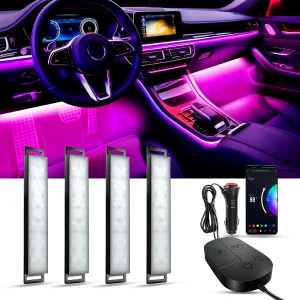
Simultaneously, internal cabin designs are evolving into interactive living spaces. Ambient lighting systems are transitioning from static styling features to active components of the human-machine interface (HMI). Our research focuses on interior ambient systems that interface with advanced driver monitoring systems (DMS) to issue visual alerts via color changes or pulsing sequences when driving hazards are detected.
Every product batch undergoes rigorous testing including High-Temperature High-Humidity Bias testing (THB), Thermal Cycling under load, Vibration Testing according to ISO 16750 standards, and highly accelerated lifetime testing (HALT) to guarantee a service life matching that of the host vehicle.
Answering technical questions from procurement departments, quality managers, and automotive designers.
Explore our wide range of auxiliary electronic components, power units, and intelligent passenger compartment solutions.
 EV Light