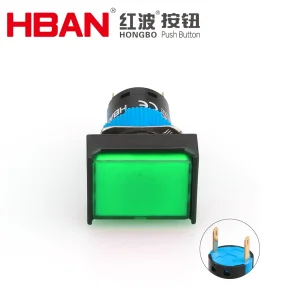
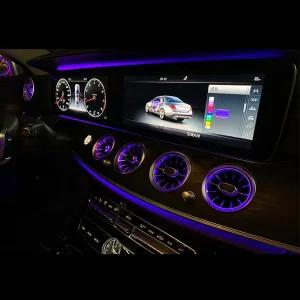
Explore our premium product portfolio featuring custom ambient lighting systems, ultra-bright LEDs, smart street lighting integration, and robust electric vehicle electronics.
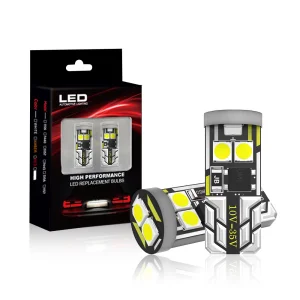
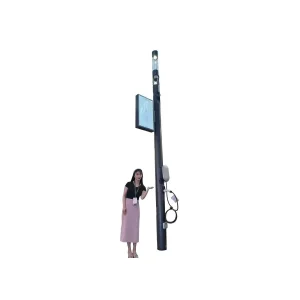
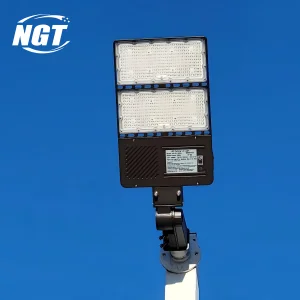
Hangzhou EV Light Co., Ltd. stands at the global vanguard of advanced photonic technologies, operating as a leading China electric vehicle lighting manufacturer, innovator, and exporter. Our research focus is exclusively tuned to the complex demands of the new energy vehicle (NEV) ecosystem. In an era dominated by electric passenger cars, heavy-duty commercial transits, and micromobility, the requirements of automotive lighting have shifted from simple roadway illumination to complete software-defined, energy-efficient vision systems.
Unlike legacy internal combustion engine (ICE) lighting architectures, which rely on plentiful engine-driven alternator power, modern EVs demand highly efficient, low-power-consumption systems to conserve high-voltage traction battery power and maximize vehicle driving range. To address this paradigm shift, our engineering team continuously designs, simulates, and manufactures advanced automotive lighting systems. Our catalog spans high-definition (HD) LED headlights, adaptive driving beams (ADB), dynamic solid-state taillights, custom ambient passenger cabin systems, and smart urban lighting nodes built to interface with the modern EV charging infrastructure.
The transition toward sustainable mobility requires deep scrutiny of secondary vehicle components. Auxiliary power draw, specifically from climate control and vehicle lighting systems, has a direct correlation with real-world driving ranges under standard WLTP or CLTC testing cycles. Conventional halogen or first-generation xenon systems are functionally obsolete due to their high power draw and short operational lives. Modern solid-state lighting (SSL) technologies, specifically engineered by Hangzhou EV Light, optimize power consumption.
Our engineering paradigms rely on three key pillars:
Maximizing luminous flux per input watt. By implementing proprietary multi-die LED architectures and precision-molded PMMA primary lenses, we redirect light directly where required, minimizing wasted scatter-light.
EV engines do not generate the massive radiant waste heat of ICE platforms. Consequently, headlamp assemblies face increased internal humidity and icing challenges. Our patent-pending active breathing systems and anti-fog coatings mitigate these challenges without parasitic heater loads.
High-voltage battery cables and electric drive units generate extensive electromagnetic interference. Our driver boards incorporate robust EMI filters and isolated circuit configurations to ensure flicker-free operations and prevent radio-frequency pollution.
Hangzhou EV Light’s development path is characterized by versatility. Our product designs adapt seamlessly across varying structural load profiles, voltage inputs, and aesthetic guidelines. We support Tier 1 automotive suppliers and direct OEMs with localized, high-reliability assemblies.
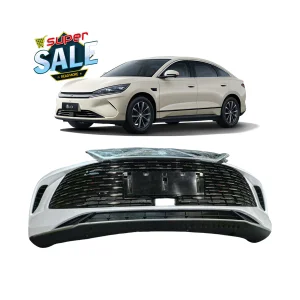
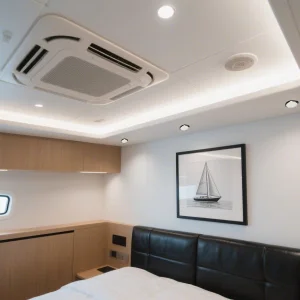
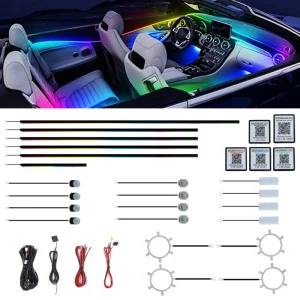
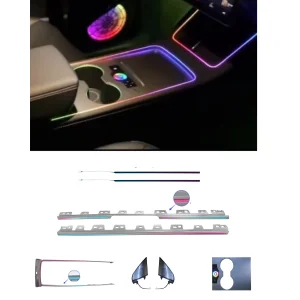
In passenger vehicles, such as the BYD Qin L DM-i EV or various Tesla platforms, we provide custom exterior and interior systems. Our dynamic RGBIC LED strip kits incorporate Symphony chip control protocols, allowing developers to integrate ambient lighting directly with vehicle ADAS warnings. If an blind-spot sensor detects an approaching hazard, the ambient strip instantly shifts color to warn the driver, transforming vehicle lighting from decorative to functional safety hardware.
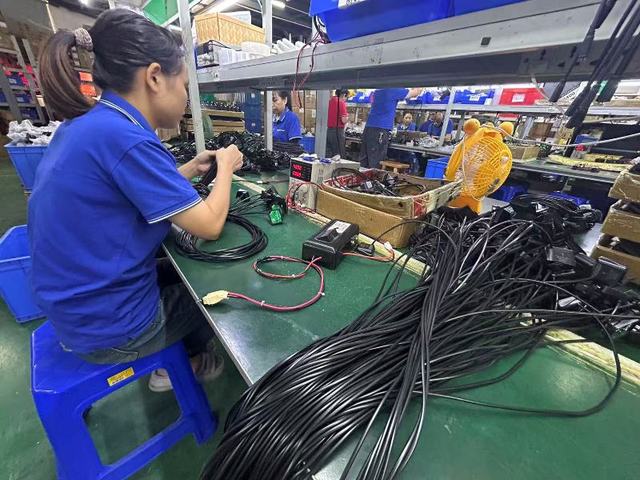
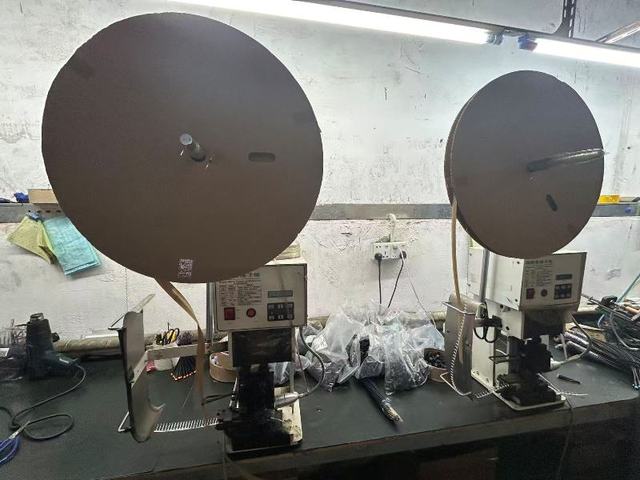
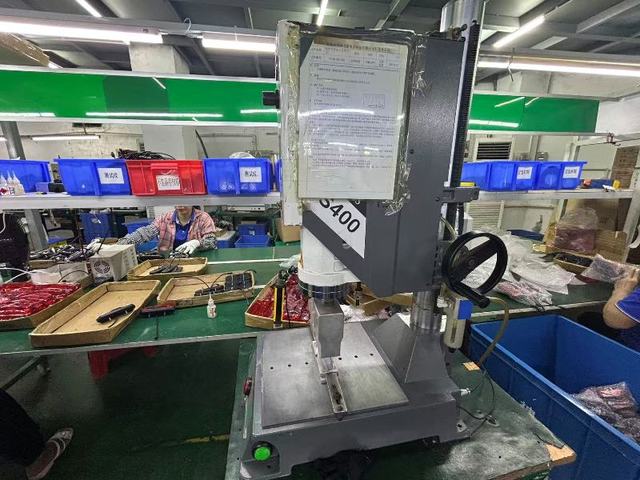
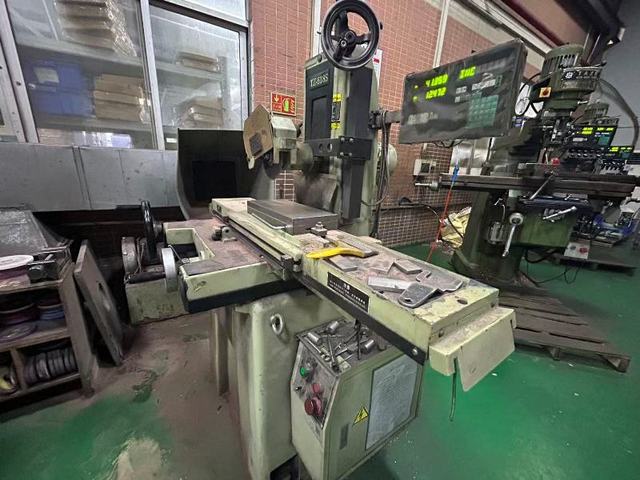
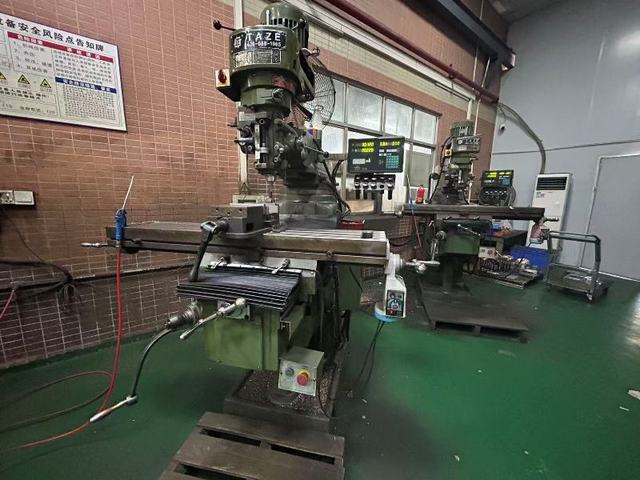
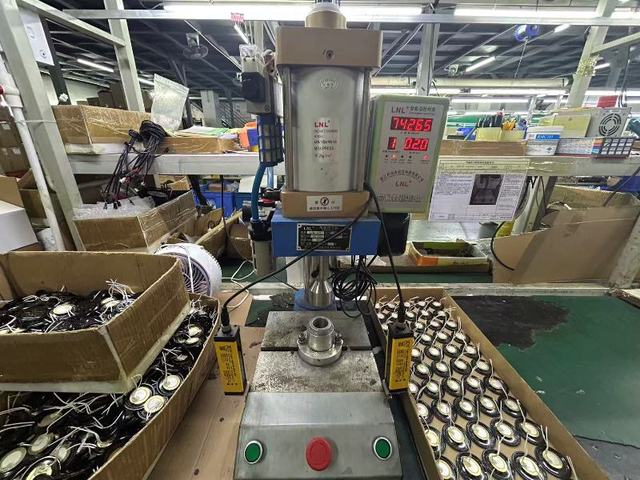
A tour of our highly automated cleanrooms, advanced environmental testing chambers, and precision optical inspection lanes in Hangzhou, China.
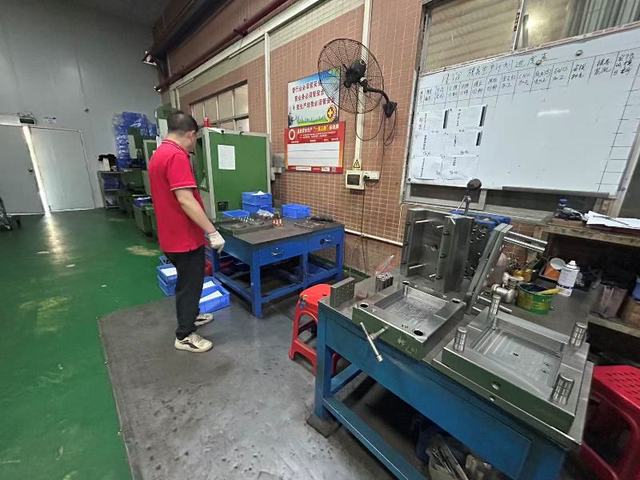
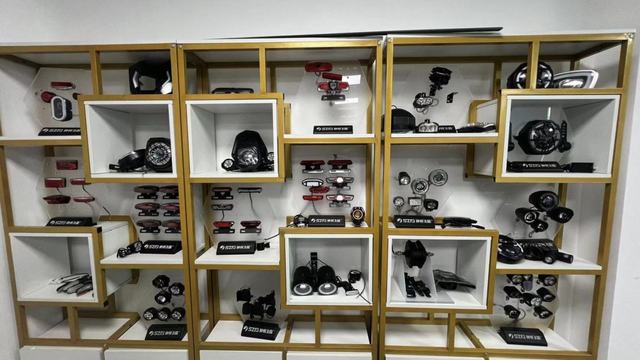
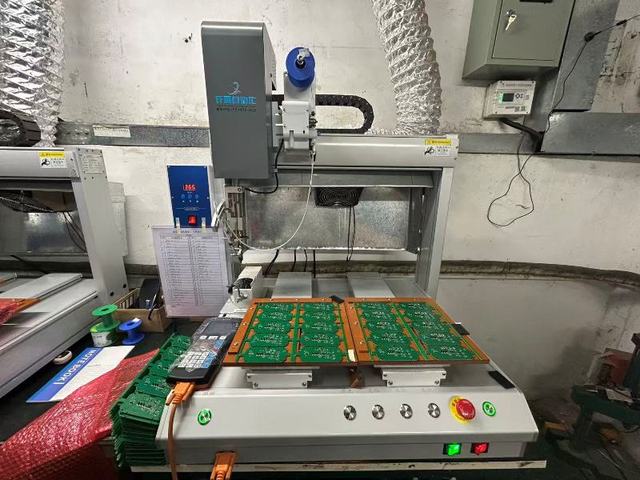
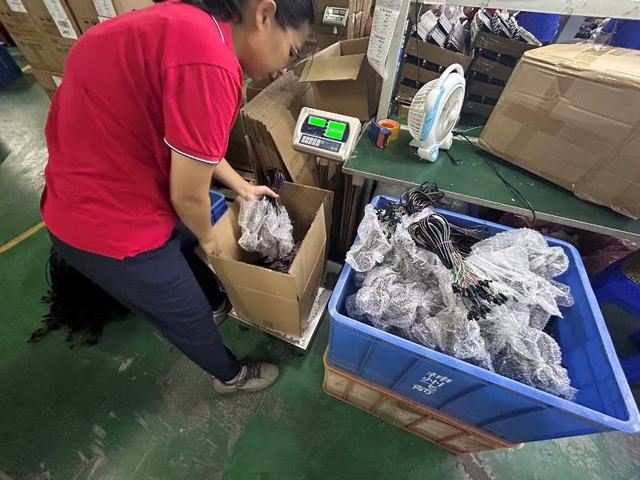
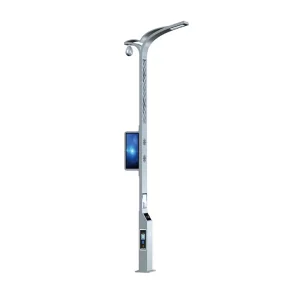
The concept of electric vehicle lighting expands beyond the vehicle's frame. It encompasses the entire infrastructure supporting electric transportation. Modern urban environments demand systems that combine public safety, communication networks, and power delivery. To meet this challenge, Hangzhou EV Light has developed integrated municipal solutions, such as our intelligent WiFi street lighting poles and EV charging station columns.
By positioning high-efficiency, multi-phase charging equipment inside street lighting architectures, municipalities can roll out high-density charging coverage without the capital expenditure of building standalone stations. These smart poles feature embedded cameras, environmentally-responsive light dimming, local WiFi hotspots, and dynamic LED displays to provide visual telemetry of charging status, traffic anomalies, and environmental metrics.
Exporting automotive components to highly regulated markets like Europe, North America, Japan, and Southeast Asia requires complete alignment with localized legislative standards. Hangzhou EV Light operates an ISO 9001 and IATF 16949 certified facility. We subject all incoming components and final products to strict testing metrics.
Our safety verification workflows guarantee compliance with European E-Mark regulations (ECE R112, R87, R7) and US Federal Motor Vehicle Safety Standard 108 (FMVSS 108) monitored by the Department of Transportation (DOT). Every headlight assembly undergoes optical photogoniometer scans, thermal shock chamber analysis (-40°C to +105°C), salt spray corrosion testing, and high-frequency vibration simulations to verify lifetime mechanical integrity.
The future of automotive vision systems lies in software-defined, adaptive modules. Over the next five years, Hangzhou EV Light will prioritize three key technological directions:
Detailed design specifications, optical calculations, and integration answers for automotive engineers and tier-1 procurement managers.
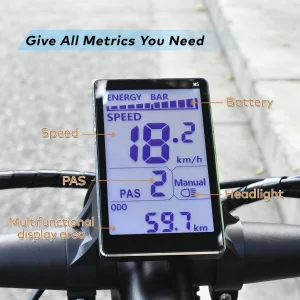
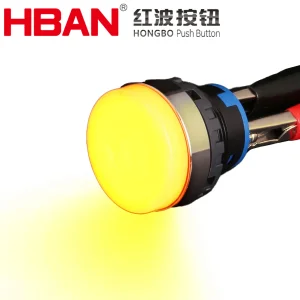
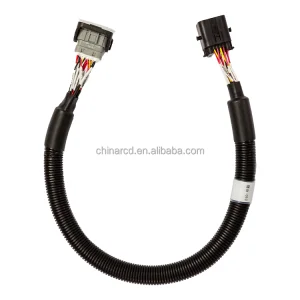
Explore our latest advanced vehicle displays, heavy-duty wiring looms, flat-head signal interfaces, and customizable ambient light options.
 EV Light