Explore our precision-engineered components, built to withstand extreme environmental parameters and deliver exceptional electrical efficiency.
The global automotive landscape is undergoing a critical transition. As internal combustion engines yield to high-voltage electric drivetrains, every subsystem is being re-evaluated for efficiency, weight reduction, and intelligence. Lighting systems are no longer passive fixtures. Modern EV lighting components are high-speed communication hubs, dynamic aesthetic differentiators, and critical variables in the battery range equation. Because electric vehicles run on finite stored energy, the power budget for lighting must be minimized without compromising luminous flux, light distribution, or active safety features.
In this demanding market, Hangzhou EV Light Co., Ltd. stands as a premier China electric vehicle lighting manufacturer. Specializing in EV LED lighting and smart automotive lighting solutions, we bridge the gap between concept-stage optical design and high-volume automotive production. Based in Hangzhou, Zhejiang—one of China's primary advanced manufacturing and technology corridors—our facility is optimized for the strict quality controls and fast cycles of the New Energy Vehicle (NEV) industry.
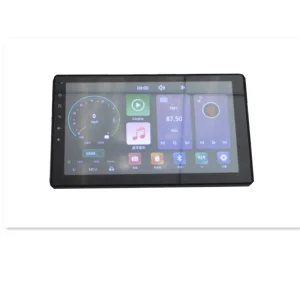
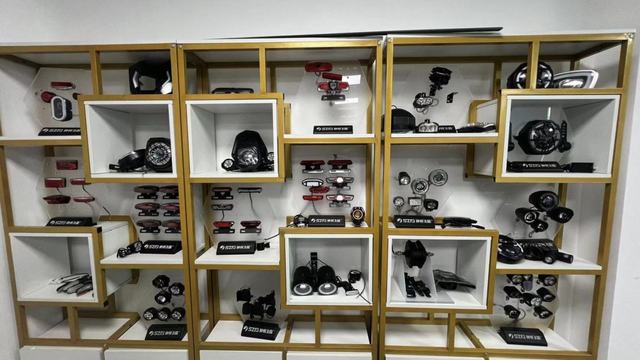
Our product engineering addresses the full design envelope. Our portfolio covers front illumination, rear combination lamps, indicators, smart dashboard displays, interior environmental lighting, and urban charging infrastructure integrations. By integrating optical research, electronic PCB design, thermal management, and precision injection molding, we offer global clients a vertically integrated solution for modern EV lighting requirements.
B2B buyers face major obstacles navigating varying standards across different jurisdictions. Front headlights and rear signaling must carry ECE approvals for Europe, DOT/SAE approvals for North America, and CCC for China. Ensuring compliance early prevents costly product recalls and delays.
With high-voltage batteries, electric drive units, and onboard chargers packing high-frequency currents, electromagnetic interference (EMI) is a persistent issue. Sourcing teams need components certified to CISPR 25 Class 5 to prevent disruption to ADAS sensors and communication networks.
Balancing R&D tooling investments against piece-price economics is a constant challenge. Procurement officers require manufacturing partners that offer high production quality alongside tooling and validation cost structures that support program target margins.
To address these concerns, global procurement strategies are shifting towards integrated design-for-manufacturability (DFM) partnerships. Buyers require transparent manufacturing processes, high traceability, and validation reports (such as salt spray test logs, vibration tests, photometrics, and thermal cycle audits) before authorizing supplier selection.
China has built a highly integrated manufacturing base for electric vehicles and their related sub-components. By sourcing from a specialized Chinese manufacturer like Hangzhou EV Light, buyers benefit from a deep ecosystem that spans from raw material processing to microelectronics assembly:
The proximity to major manufacturers of optical polycarbonates (PC), PMMA resins, and silicones ensures steady access to premium optical plastics. In addition, China's dominant position in LED packaging and semiconductor manufacturing guarantees high-efficiency LED chips, high-speed SMT assembly, and custom driver integrated circuits (ICs) with low lead times.
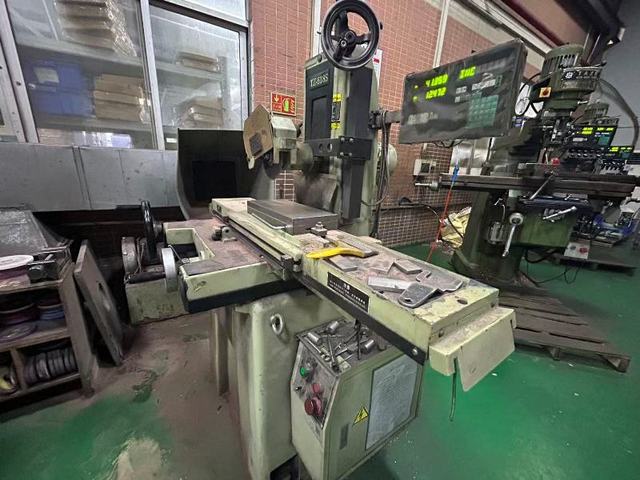
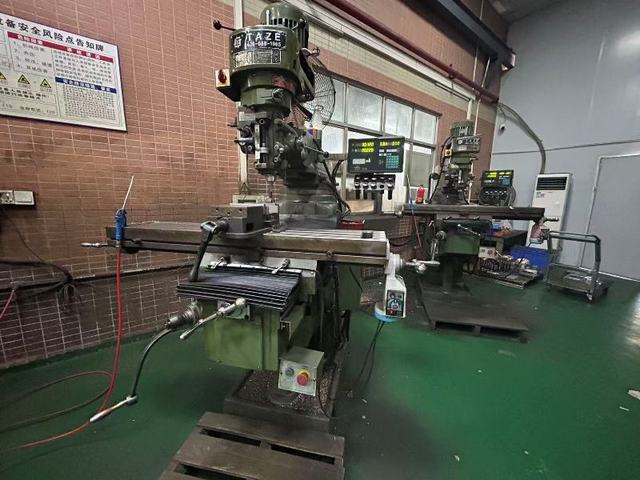
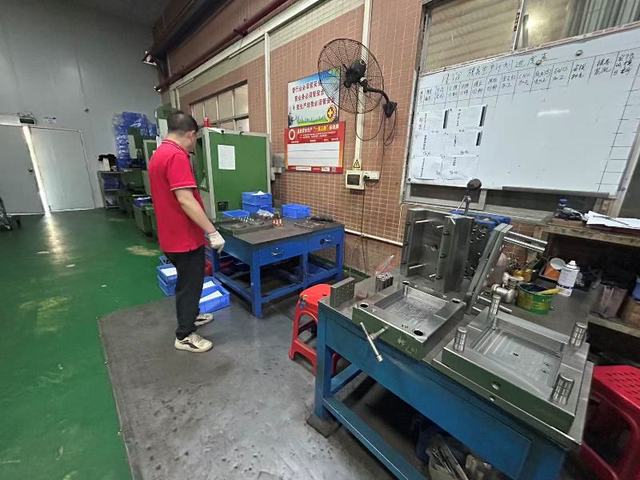
The toolmakers within the Yangtze River Delta industrial zone are recognized globally for speed and precision. We design and manufacture complex injection molds (including multi-shot molds for multi-color lenses and clear outer covers) in a fraction of the time required by European or North American mold houses, facilitating faster vehicle development programs.
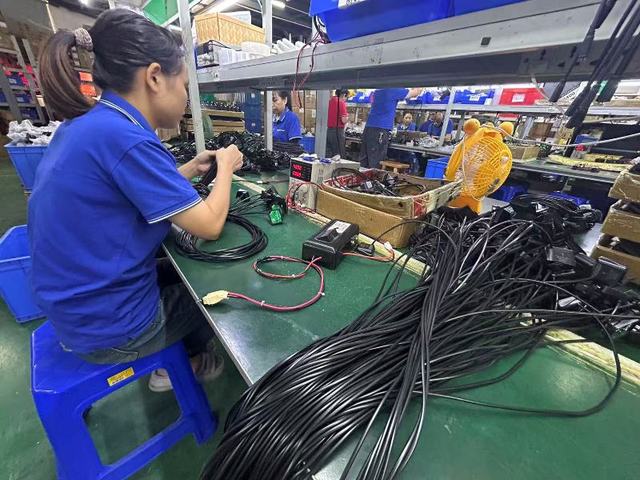
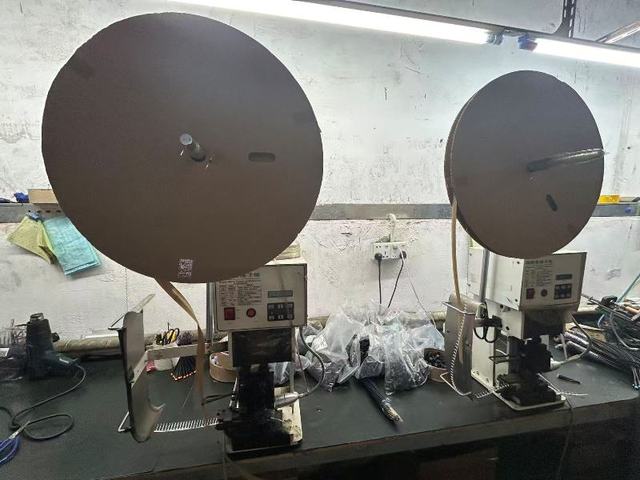
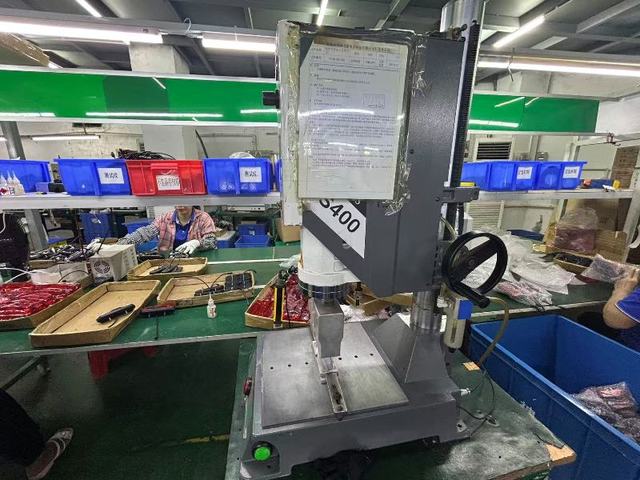
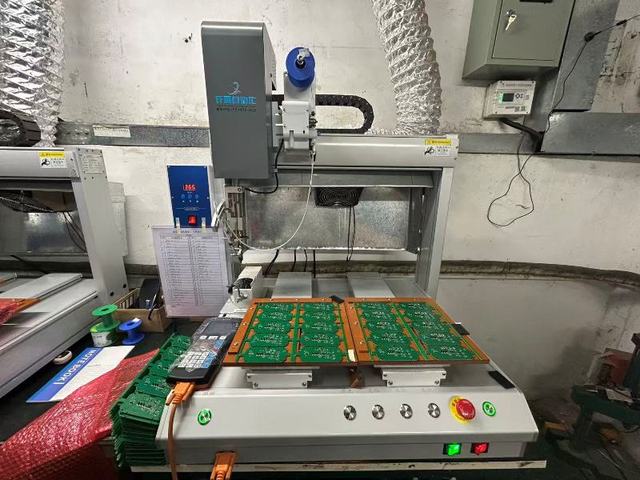
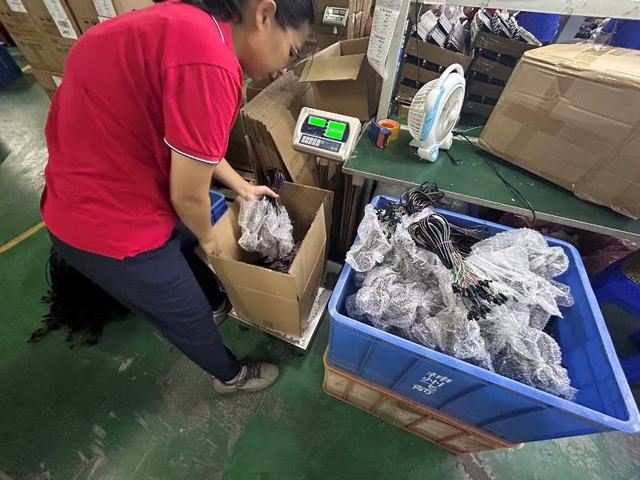
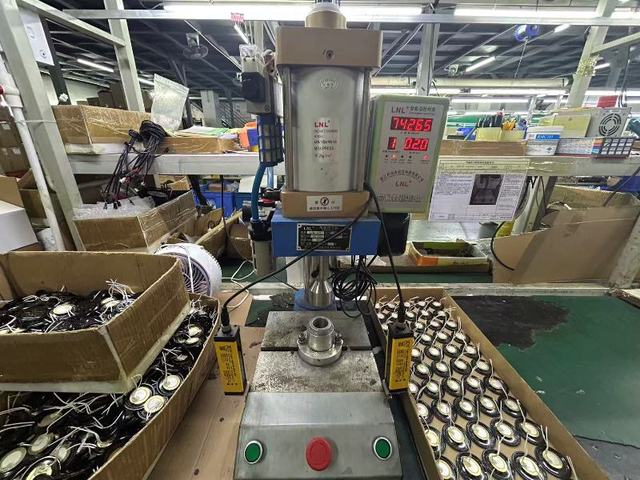
Our manufacturing facility is equipped with automated SMT (Surface Mount Technology) lines, cleanroom assembly zones for optical units, and automated dispensing machines for ingress sealing. These integrated capabilities keep our pricing highly competitive while maintaining the accuracy needed for safety-critical optical systems.
Engineers must solve several fundamental physical challenges when designing lighting for electric vehicles. Here is how our engineering team optimizes our components for NEV applications:
Unlike ICE vehicles, EVs lack heat from an engine block, meaning the lighting system must manage its own thermals. High junction temperatures in LEDs degrade brightness and shorten lifespan. We utilize Metal Core PCBs (MCPCBs), advanced phase-change thermal interface materials (TIMs), and customized aluminum alloy extrusion heat sinks to quickly draw heat away from the LED dies, guaranteeing a lifespan of over 50,000 to 100,000 hours.
Optimizing EV range requires high optical efficiency. We design custom collimator lenses and internal light guides (using optical PMMA) that capture and direct over 92% of the generated lumens into the target beam pattern. This minimizes stray light scattering, ensures compliance with ECE/DOT beam shapes, and lowers overall current draw.
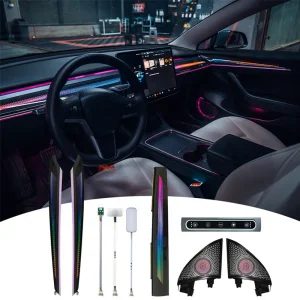
Modern lighting must interface with the vehicle's body control module (BCM). We design customized driver boards that support CAN (Controller Area Network) and LIN (Local Interconnect Network) communication protocols. This allows for dynamic welcome animations, sequential turn signals, and precise dimming control for interior ambient lighting.
Operating in a global industry requires careful alignment with regional regulatory frameworks and supply chains. Sourcing EV lighting components from Hangzhou EV Light means you receive products engineered for compliance with key global safety and environmental requirements:
To achieve high quality standards, our QC team performs tests throughout the production cycle:
Our product line is designed for diverse applications across the transportation and smart infrastructure sectors. Below are typical use cases showing where and how our high-performance components are deployed:
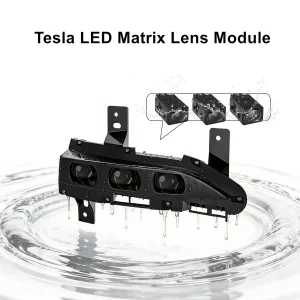
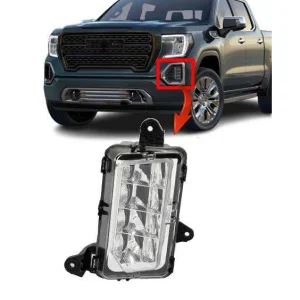
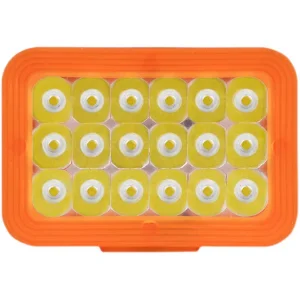
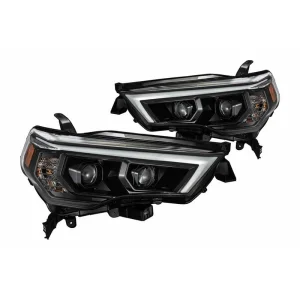
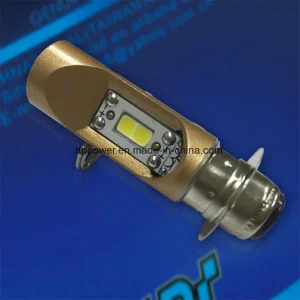
High-output LED matrices for front fog lights and headlights. Used for direct replacement parts and custom aftermarket upgrade kits for vehicles like Tesla Model Y/3, ensuring precise alignment and simple plug-and-play installation.
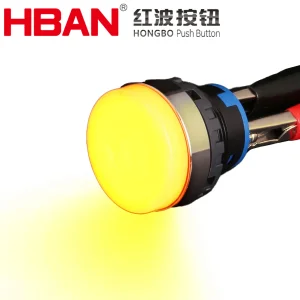
Compact, wide-voltage (12V-80V) lighting solutions designed for high vibration environments. These offer low power draw, helping to preserve the battery life of light electric vehicles.
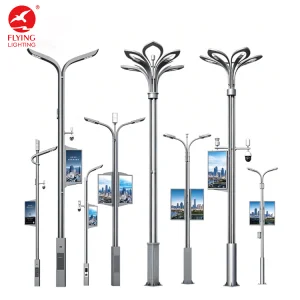
Integrated street poles combining low-power street illumination with 5G connectivity, Wi-Fi antennas, and high-efficiency EV charging modules. This design supports municipal sustainability targets.
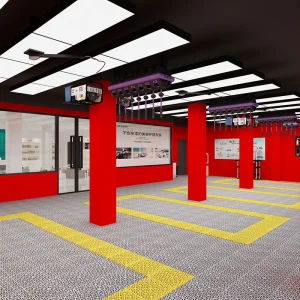
Below is a showcase of our technical manufacturing environment, production equipment, and optical assembly lines, demonstrating our capabilities as a Tier-1 partner:
Review technical details regarding our engineering design, validation processes, and procurement guidelines:
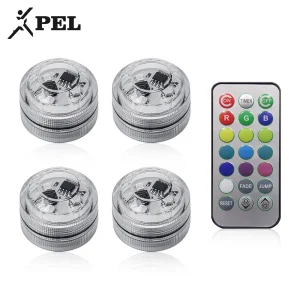
Review our collection of auxiliary, interior, and off-road safety lighting, engineered for performance and long service life.
 EV Light