In the era of software-defined vehicles (SDVs), the modern automobile has transitioned from a mere mechanical machine to a personalized, immersive living space. At the core of this paradigm shift is intelligent EV ambient illumination. Beyond simple decorative lighting, modern electric vehicle illumination systems act as multi-modal interfaces, bridging the gap between vehicle automation, passenger safety, and driver emotional well-being.
Hangzhou EV Light Co., Ltd. stands as a premier China-based electric vehicle lighting manufacturer, specializing in cutting-edge EV LED lighting engines, architectural cabin systems, and smart illumination controllers. As global markets transition rapidly toward green transportation, we support automotive OEMs, Tier-1 system suppliers, and aftermarket modification brands with robust, engineered-from-scratch OEM and ODM services.
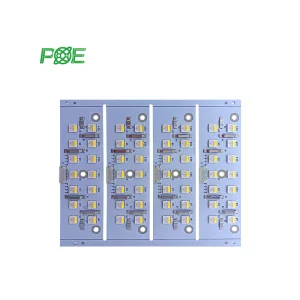
From sophisticated automotive aluminum LED lighting strip PCB assemblies to fully integrated exterior front center running lights, our production capabilities map directly to the stringent expectations of international clients. We deliver automotive-grade optical components featuring high thermal efficiency, dynamic RGB/RGBIC addressing, and seamless vehicle integration via local controller area network (CAN) and local interconnect network (LIN) communication buses.
China stands at the global center of the New Energy Vehicle (NEV) industry. Sourcing EV ambient lighting solutions from China—specifically from industry hubs like Hangzhou—unlocks significant supply chain, engineering, and manufacturing speed advantages.
Our close partnerships with premium semiconductor and optical material suppliers guarantee that our LED packages, light guides, and diffusive polymethyl methacrylate (PMMA) or polycarbonate (PC) materials maintain long-term reliability and resist yellowing over extended UV exposure.
We utilize state-of-the-art SMT lines to print high-density automotive aluminum LED lighting strip PCB assemblies. Our processes support 1 to 40 layers of complex circuit boards designed for robust heat dissipation and minimal electrical interference (EMI).
Leveraging advanced dynamic optical simulation softwares like TracePro and LucidShape, our engineers execute rapid design changes and validate light propagation and color uniformity, speeding up the Start of Production (SOP) timeline for global OEMs.
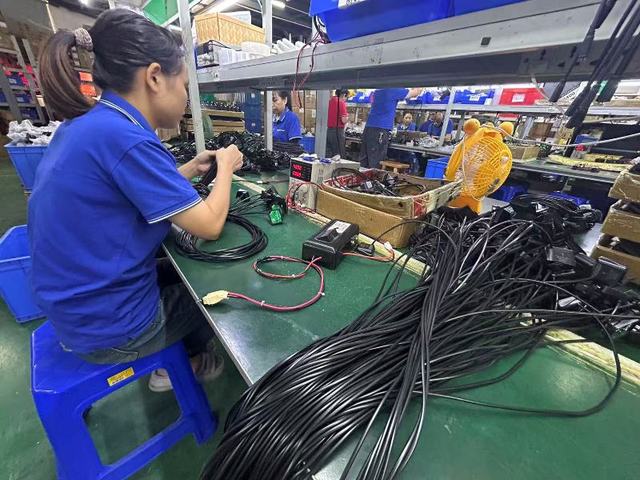
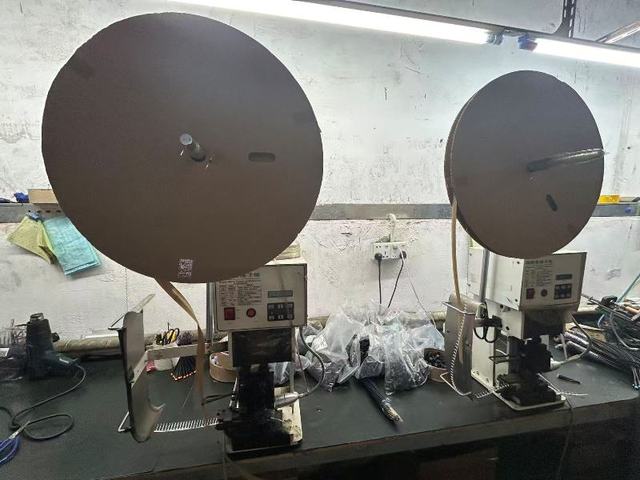
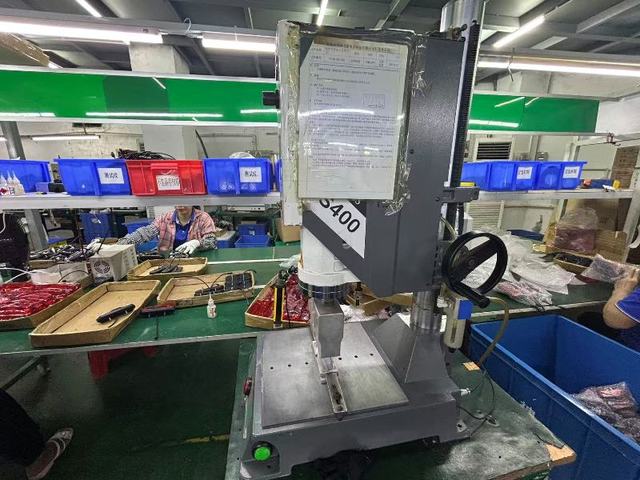
The integration of ambient lighting systems has expanded far beyond basic footwell and dashboard backlights. Today's automotive industry demands smart, dynamic, and safety-integrated photopic systems.
1. Interactive Active Safety Warning Systems: Modern ambient lighting works directly with Advanced Driver Assistance Systems (ADAS). For instance, when a blind-spot sensor detects an obstacle during a lane change, the door panel ambient light transitions instantly to a flashing red alert.
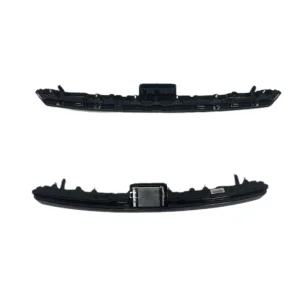
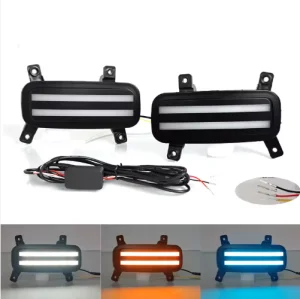
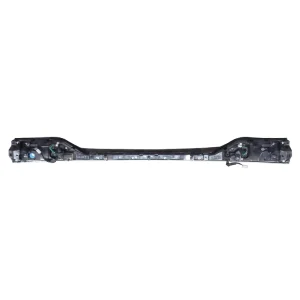
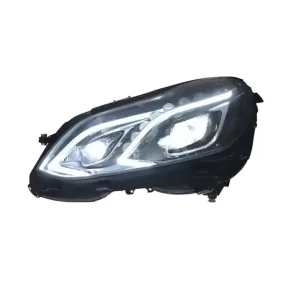
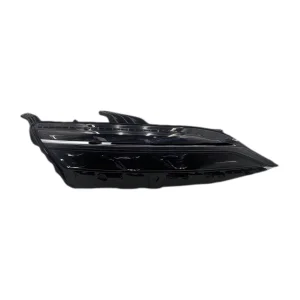
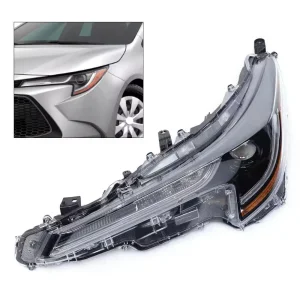
2. Smart Dynamic Charging Indicators: Ambient systems extend to the exterior of the vehicle, wrapping around charging ports and front-center running lights (such as the BYD Han EV front running light assembly). These lights change color dynamically to indicate battery state of charge (SoC) and battery health.
3. Micro-optical Light Guides: By using high-precision injection-molded light pipes and laser-etched light guides, we achieve highly uniform illumination along thin line profiles. This eliminates localized bright spots, creating a clean, modern aesthetic.
Different vehicle classes demand highly customized approaches to ambient and safety illumination. Our product engineering adapts to a wide variety of road and off-road applications.
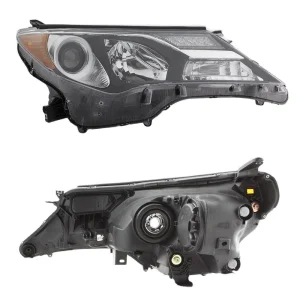
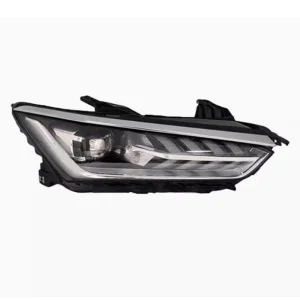
We manufacture tailored assemblies for mid-to-high-end electric sedans and SUVs (such as the BYD Han and Song series). These systems require fine-tuned, multi-color interior ambient strips, under-door greeting lights, and active-safety LED headlight and daytime running light integrations.
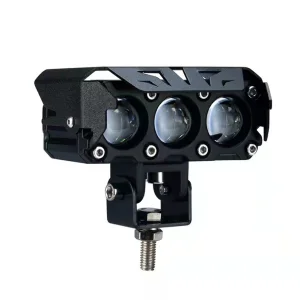
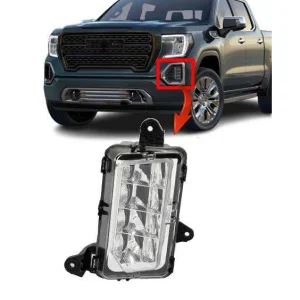
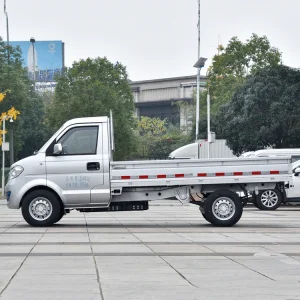
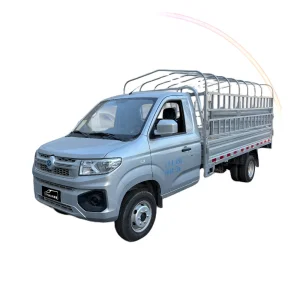
For commercial delivery trucks (e.g., Dongfeng 1T electric cargo trucks and Ruichi ED71 commercial vehicles), durability and visibility are paramount. We construct IP67-rated heavy-duty LED front lights, marker lights, and cabin work lights that stand up to harsh usage conditions.
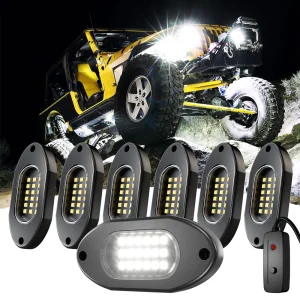
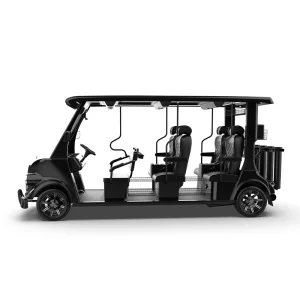
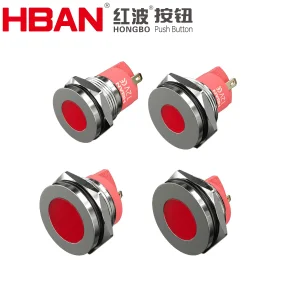
We build customized exterior lighting systems, including RGB rock light kits with mobile app control and heavy-duty indicator lamps, engineered specifically for recreational off-road utility vehicles, electric golf carts, and heavy industrial equipment.
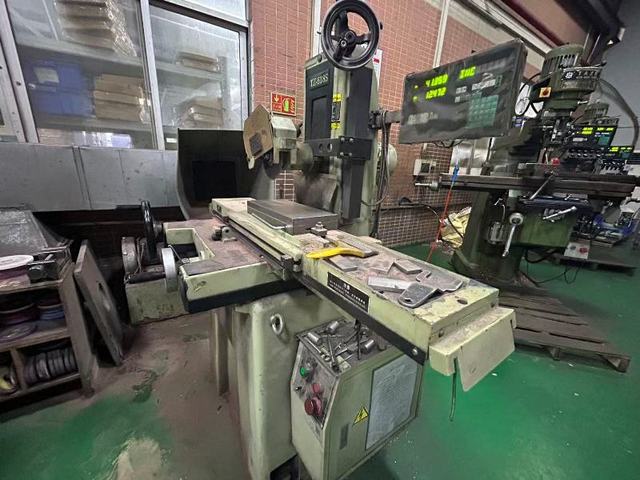
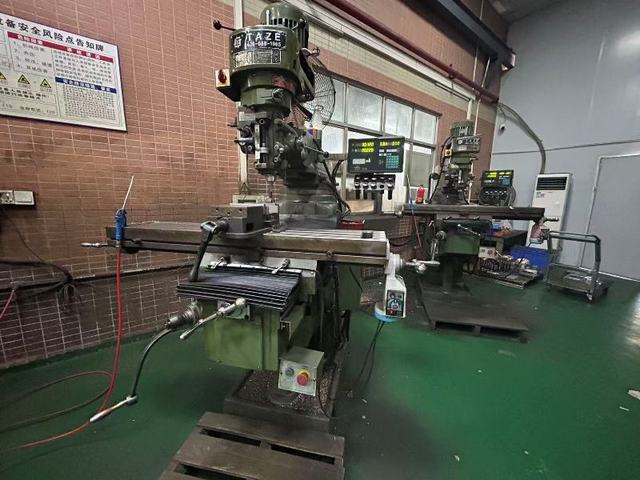
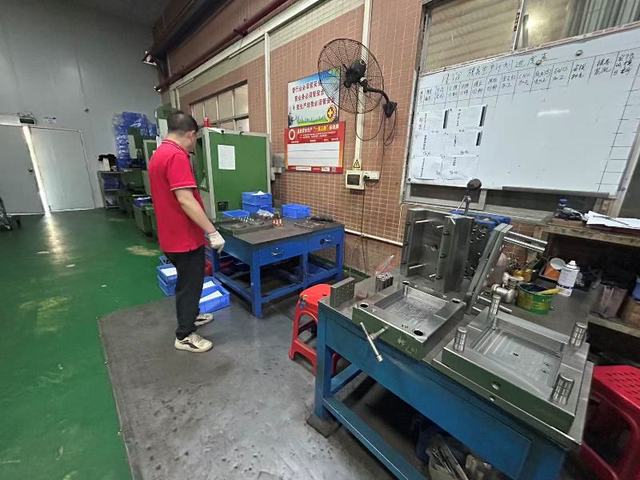
As a trusted OEM/ODM manufacturer, Hangzhou EV Light Co., Ltd. provides complete, end-to-end integration solutions. We manage the full lifecycle from early-stage conceptualization to long-term aftermarket parts support.
Our internal production processes follow a structured path to ensure design fidelity and automotive grade performance:
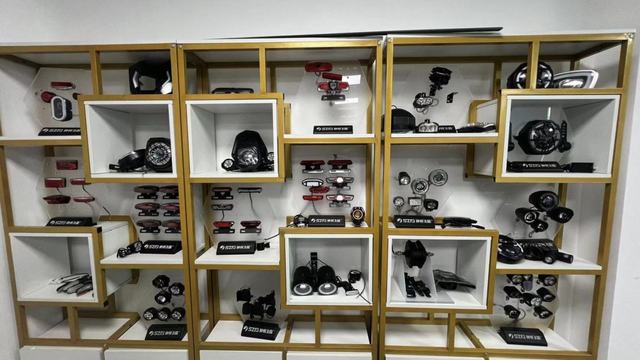
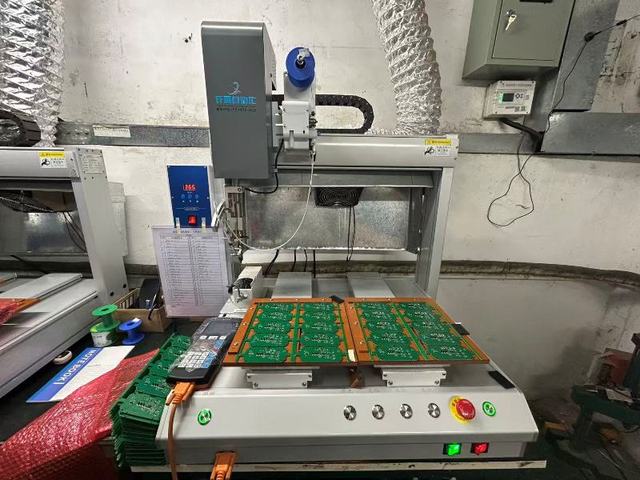
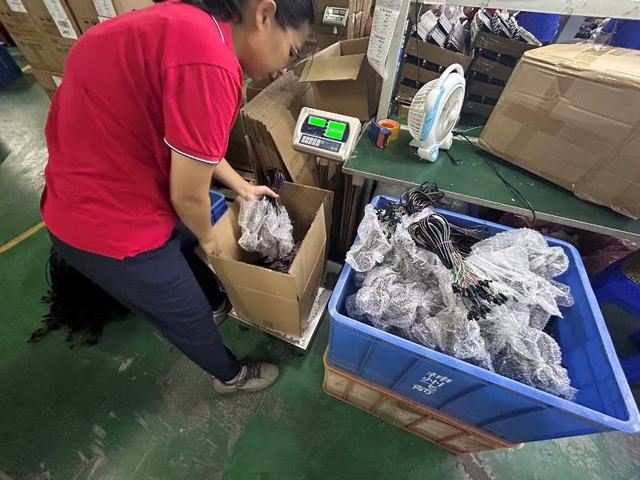
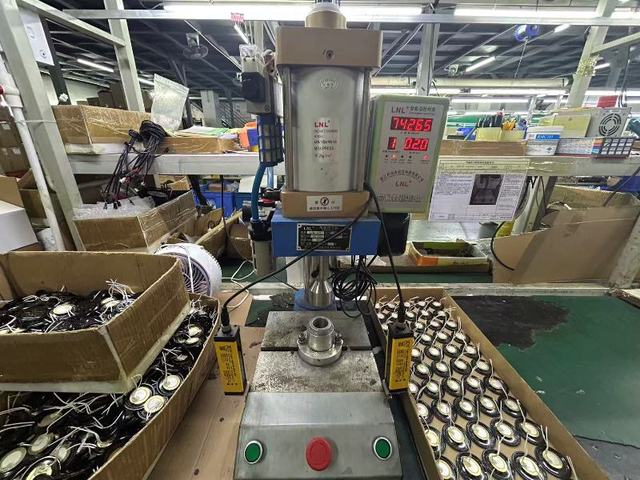
International automotive buyers and Tier-1 suppliers maintain high benchmarks for vendor onboarding. When auditing a Chinese manufacturer for OEM/ODM automotive illumination, buyers should pay close attention to:
- Quality Certifications: Sourcing facilities must operate under ISO9001 and IATF 16949 quality management systems to guarantee process repeatability and trace component origins.
- Electromagnetic Compatibility (EMC): Modern EV cabins are packed with wireless antennas and high-voltage electronics. LED light modules must be designed to pass CISPR 25 Class 5 limits, preventing radio interference and vehicle network issues.
- Reliable Thermal Design: High-density LEDs generate localized heat. Using aluminum PCB cores and high-conductivity thermal interface materials is critical to keeping LED junctions cool and maintaining consistent light output over the vehicle's lifespan.
Technical answers on electrical architectures, safety standards, and customizing automotive lighting products.
 EV Light