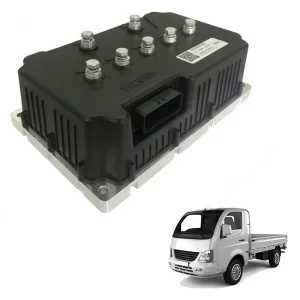
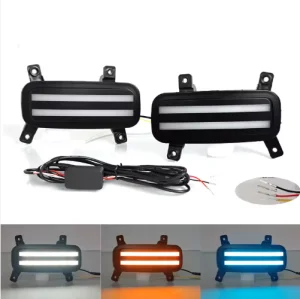
Direct sourcing access to our high-performance automotive and industrial signal matrices. Integrated with premium Grade-A LEDs, robust thermal barriers, and standard CAN-bus communication layers.
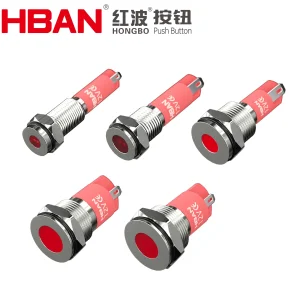

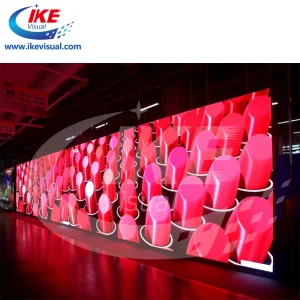
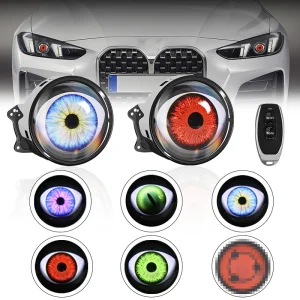
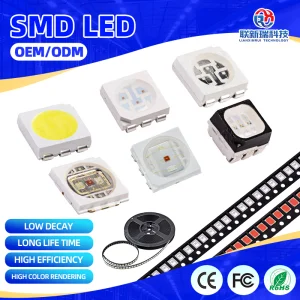
For modern Tier-1 automotive integrators, original equipment manufacturers (OEMs), and fleet operators, procurement of EV signal indicators goes beyond basic luminosity. Sourcing decision-makers balance regulatory alignment, material life expectancy, and deep network level compatibility.
Unlike internal combustion engine (ICE) vehicles, EVs suffer from significant high-frequency electromagnetic interference from high-voltage battery packs, high-power traction motors, and onboard chargers. Procurement guidelines mandate compliance with CISPR 25 Class 5 standards, requiring multi-layered EMI shielding within the indicator driver boards.
High-reliability indicators are no longer simple analog lamps. Modern automotive specifications require intelligent digital status nodes. Direct control via CAN (Controller Area Network) or LIN (Local Interconnect Network) buses enables localized diagnostic feedbacks, state-of-health (SoH) diagnostics, and localized pulse-width modulation (PWM) control for brightness mitigation.
Long continuous runtimes and high temperature operational thresholds necessitate advanced thermal path substrates. Standard FR4 boards are replaced by high-conductivity aluminum or ceramic metal-core PCBs (MCPCBs), ensuring localized junction temperatures remain well below 85°C to preserve colorimetric stability over 50,000 operational hours.
Vehicle designs have evolved from modular mechanical dashboards to cohesive electronic environments. We provide integrated visual indication solutions tailored to distinct segments of the electric vehicle market, offering reliable performance under rigorous environmental stressors.
In autonomous and highly assisted driving setups, signal lights are no longer passive. They function as active outward communicators. By projecting adaptive status indicators, vehicles convey battery charging cycles, ADAS detection profiles, and path intentions. These subsystems sync with vehicle telematics to alert ground crew, passengers, and pedestrians of systemic operating states.
| Mobility Application | Primary Environmental Threat | Standard Technical Solution | Target Standard Certifications |
|---|---|---|---|
| Passenger EVs | High-speed dynamic road vibration and humidity fluctuations | Automotive grade SMT LEDs, UV-stabilized polycarbonate covers, CAN-bus controls | ECE R148, SAE J578, DOT FMVSS 108 |
| Commercial EV Fleets & Trucks | High pressure chemical washing, extreme thermal gradients | IP69K Hermetic structural resin sealing, multi-voltage (9V-36V) isolated driver input | ISO 16750, CISPR 25 Class 3/4 |
| Low Speed Commuter Vehicles (LSEVs) | Extreme cost constraints, spatial packing limitations | Integrated driver-on-board (DOB) architectures, space-saving compact wiring profiles | CE Mark, RoHS, GB/T 31498 |
| Micro-Mobility (E-Bikes & Scooters) | Constant exposure to rain, high physical shock, space constraints | Solderless high-flexibility COB strips, miniature IP67 flat metal buttons | EN 15194, IP67 Waterproof rating |
Hangzhou EV Light Co., Ltd. focuses on developing technology that adapts to changing automotive standards. Our R&D division has structured a development pipeline to guide next-generation indicators toward deep functional integration.
Moving away from single-source point LEDs toward multi-segmented dynamic addressable arrays. Incorporating intelligent controller ICs like WS2812B or automotive equivalent serial-bus drivers allows individual pixel colorization, custom animation sequences, and progressive warning indicator pulses.
Linking indicators directly to ADAS central processing modules. Visual output alerts update dynamically based on environmental risks: quickening pulse sequences for imminent blind-spot collisions, transitioning from cool-blue to warning-amber to enhance driver reaction speed.
Integrating Chip-On-Board (COB) circuits into structural window glass or thin outer panels. This removes standard bulky housings, improves aerodynamics, and allows body contours to function as signaling surfaces without breaking aesthetic design lines.
Supply chain reliability dictates project timelines. Sourcing operations require partners who understand international customs protocols, local certifications, and regional safety mandates. With exports spanning North America, Europe, Asia-Pacific, and the Middle East, we align engineering outputs with global market standards.
Strict focus on FMVSS 108 and SAE guidelines. In indicator components, design approvals mandate color coordinates within the specified SAE red, amber, and selective-yellow chromaticity boundaries. Products are built to withstand high UV exposure and chemical de-icing salts used on roads.
ECE validation is essential. The ECE R148 regulations demand precise photometric distribution arrays, and vehicles require integrated failure detection circuits. Our systems provide real-time electrical diagnostic feedbacks directly to the central controller unit to meet ECE safety rules.
Rapid deployment of micro-mobility and compact urban EVs. Standard requirements focus on lightweight integration, vibration protection, and optimized cost structures, meeting local standards like China's GB/T or India's AIS without sacrificing technical reliability.
Hangzhou EV Light Co., Ltd. is a professional China electric vehicle lighting manufacturer specializing in EV LED lighting and smart automotive lighting solutions for the rapidly evolving new energy vehicle industry. With a strong commitment to innovation, performance, and reliability, we provide advanced lighting technologies that enhance vehicle safety, energy efficiency, functionality, and visual appeal.
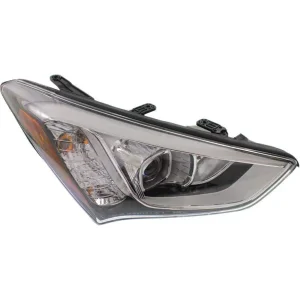
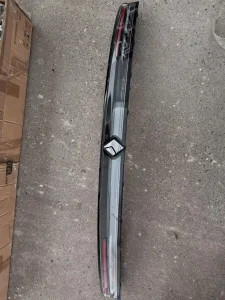
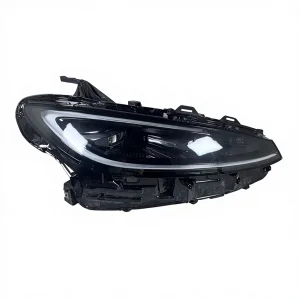
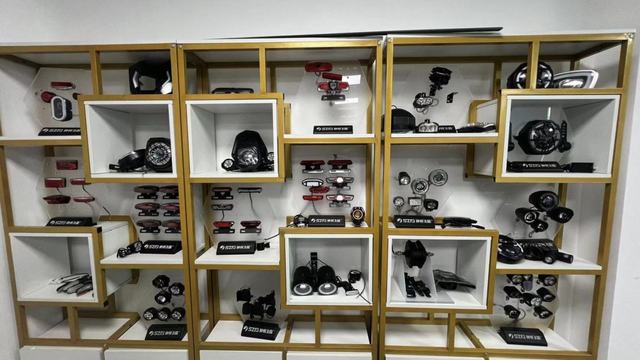
Our product portfolio includes EV headlight systems, taillight assemblies, daytime running lights, signal lighting, interior ambient lighting, charging status indicators, smart lighting modules, and customized automotive lighting solutions. Designed to meet the requirements of modern electric vehicles, our products are widely used in passenger EVs, commercial electric vehicles, electric buses, electric motorcycles, electric scooters, and emerging smart mobility applications.
At Hangzhou EV Light, we combine advanced engineering expertise with modern manufacturing capabilities to develop lighting solutions that deliver superior brightness, durability, and energy efficiency. Our experienced research and development team continuously explores new technologies in intelligent lighting control, adaptive lighting systems, LED integration, and automotive electronics to support the future of electric transportation.
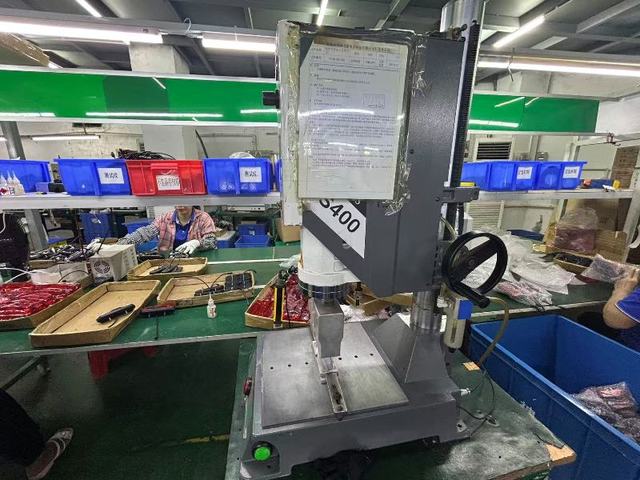
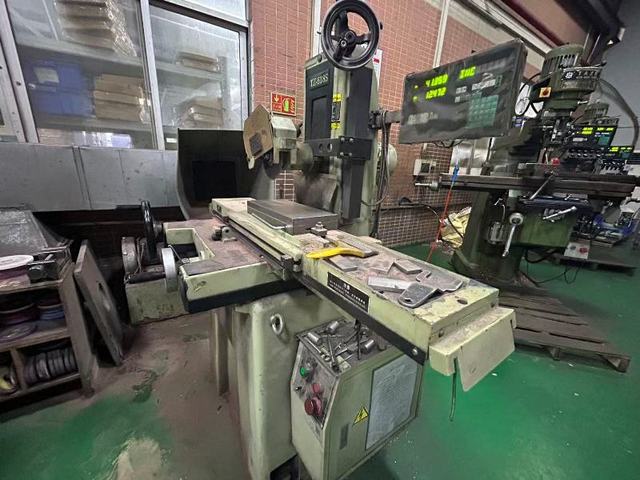
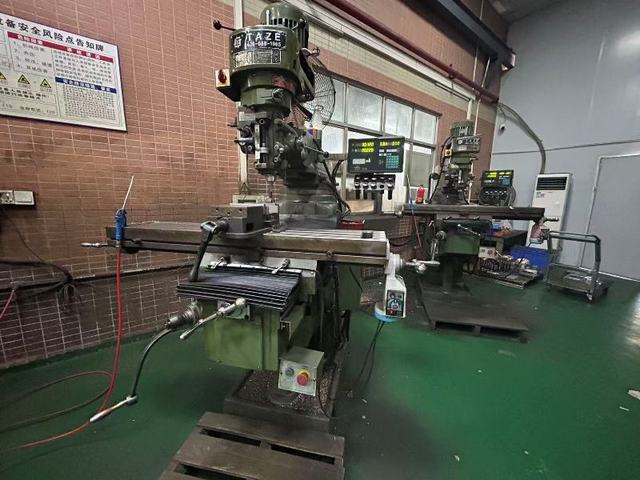
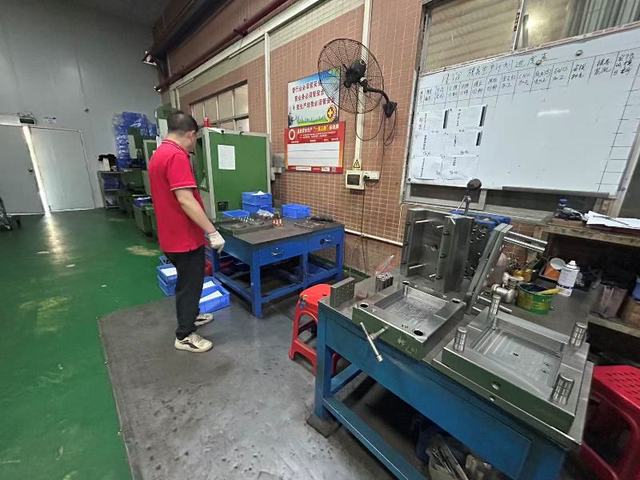
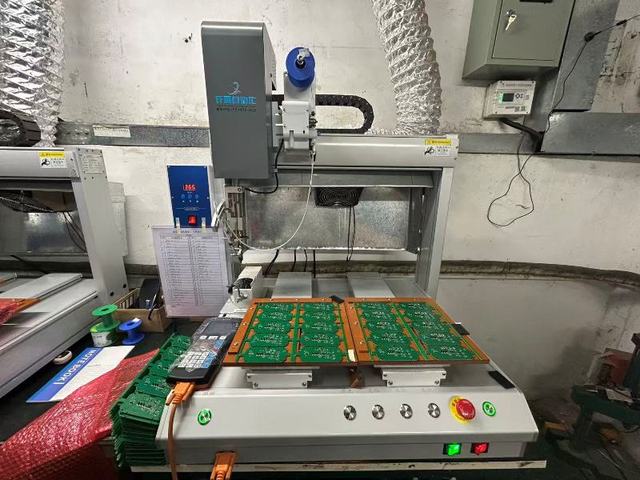
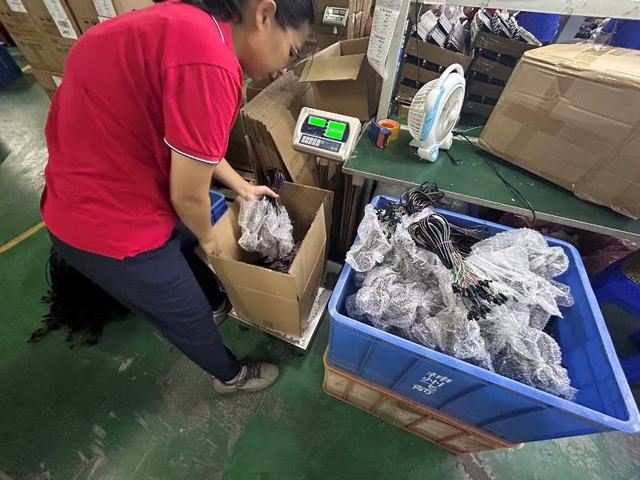
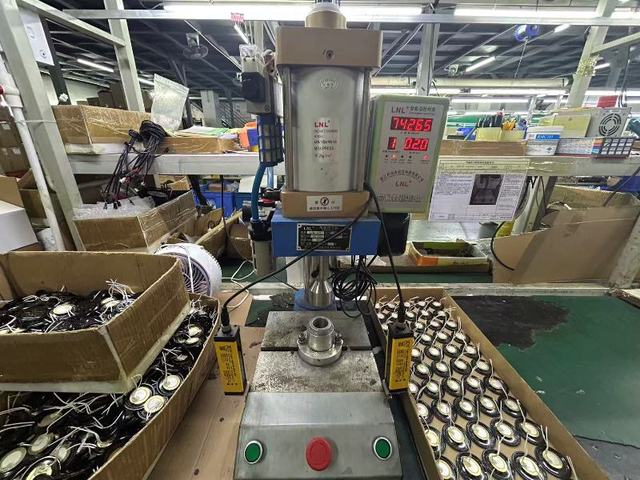
Quality is at the core of our operations. From component sourcing and product development to production and final testing, every stage follows strict quality management procedures to ensure consistent performance and compliance with international automotive standards. Our manufacturing facility is equipped with advanced production and testing equipment, enabling us to provide reliable products for demanding automotive environments.
We offer comprehensive OEM and ODM services for vehicle manufacturers, automotive suppliers, distributors, and mobility brands worldwide. Whether customers require customized designs, private-label production, or large-scale manufacturing, our flexible production capabilities support projects of various sizes and specifications.
Serving clients across North America, Europe, Southeast Asia, the Middle East, and other global markets, Hangzhou EV Light Co., Ltd. is dedicated to delivering innovative electric vehicle lighting solutions that contribute to safer, smarter, and more sustainable transportation. Our mission is to become a trusted global partner in advanced automotive lighting technology and smart mobility innovation.
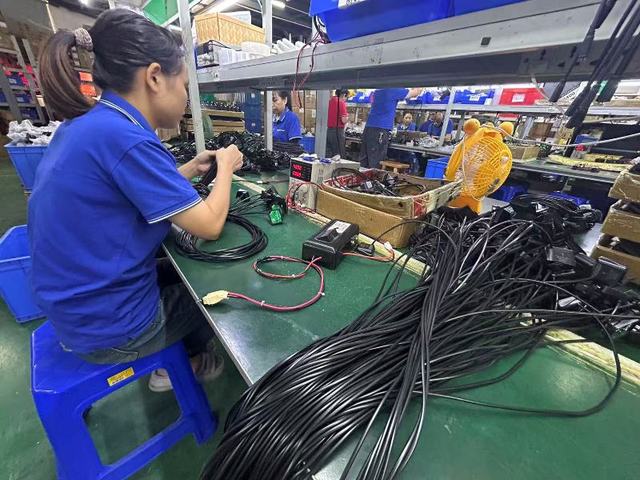
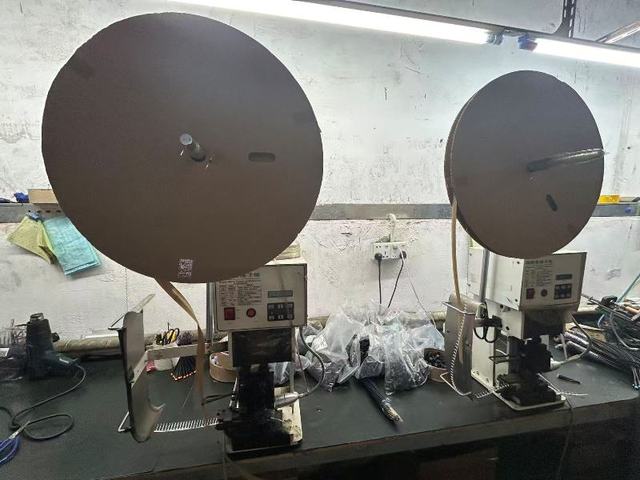
Find answers to common engineering, procurement, and integration questions regarding our EV indicator components and customized development services.
Browse our full range of automotive lights, specialty indicators, and conversion kits designed for the electric transportation market.
 EV Light