Hangzhou EV Light Co., Ltd. is a professional China electric vehicle lighting manufacturer specializing in EV LED lighting and smart automotive lighting solutions for the rapidly evolving new energy vehicle industry. With a strong commitment to innovation, performance, and reliability, we provide advanced lighting technologies that enhance vehicle safety, energy efficiency, functionality, and visual appeal.
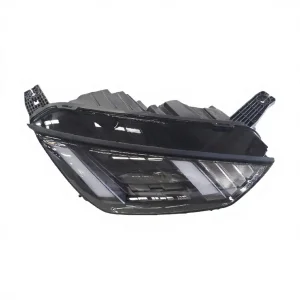
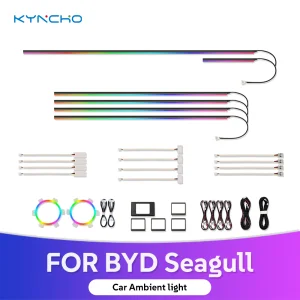
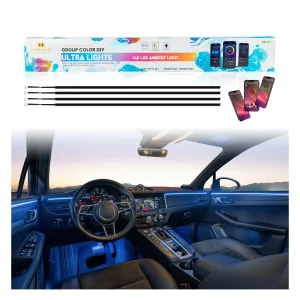
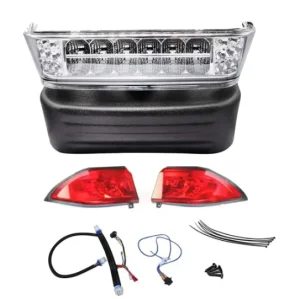
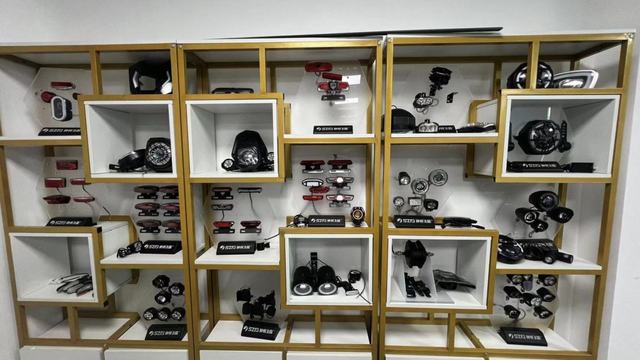
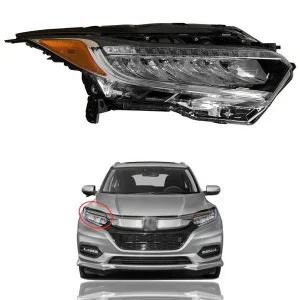
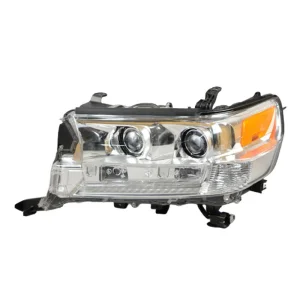
Our extensive product portfolio includes EV headlight systems, taillight assemblies, daytime running lights, signal lighting, interior ambient lighting, charging status indicators, smart lighting modules, and customized automotive lighting solutions. Designed to meet the stringent requirements of modern electric vehicles, our products are widely used in passenger EVs, commercial electric vehicles, electric buses, electric motorcycles, electric scooters, and emerging smart mobility applications.
At Hangzhou EV Light, we combine advanced engineering expertise with modern manufacturing capabilities to develop lighting solutions that deliver superior brightness, durability, and energy efficiency. Our experienced research and development team continuously explores new technologies in intelligent lighting control, adaptive lighting systems, LED integration, and automotive electronics to support the future of electric transportation.
Modern electric scooter illumination is transitioning from static beams to intelligent adaptive lighting systems. Micro-controllers integrated within the light housing communicate with the vehicle's central processing unit via LIN/CAN bus, adjusting brightness based on speed, turning angle, and ambient lighting conditions.
Safety regulations demand precise cutoff lines to prevent glare for oncoming traffic. Hangzhou EV Light leads the way in optical lens design, focusing the light path purely onto the road surface. Achieving German StVZO standard compliance has become a benchmark requirement for high-end European micromobility exporters.
With electric scooters relying on finite battery capacities, lighting efficiency is crucial. Next-generation LED chips offer higher luminous efficacy (over 120 lm/W), ensuring that safety is not compromised at the expense of range. This optical efficiency helps preserve up to 5% more battery life per charge cycle.
As global sharing operators (such as Lime, Tier, and Bird) scale their fleets, the criteria for sourcing lighting systems has shifted from mere cost-efficiency to long-term operational durability. Hardware procurement managers evaluate suppliers based on rigid engineering specifications:
By aligning procurement cycles with tier-1 component standards, importers minimize warranty claims and field failures. Hangzhou EV Light provides customized bracket configurations, harness designs, and customized photometric spreads. This end-to-end engineering service shortens the product launch cycle by up to 40% compared to off-the-shelf components. We ensure that our optical modules are easily retrofitted onto new or existing micro-mobility frames.
Tailored lighting bundles featuring GPS-interfaced smart headlights, high-visibility warning lights, and under-deck ambient safety halos. Specifically engineered to work under variable voltages of 36V, 48V, and 60V, maintaining constant lumen output without flickering.
Aligning vehicle lighting with external infrastructure. Utilizing vehicle-to-everything (V2X) sensor signals to alert riders of oncoming hazards by pulsing integrated dashboard warning lights and boosting headlight lumens when approaching dark intersections.
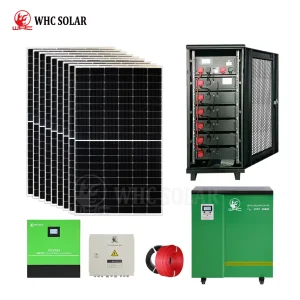
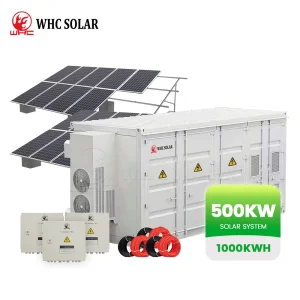
Combining solar power harvesting with micro-mobility hubs. We integrate solar charge controller technology with high-density off-grid battery cabinets (e.g., WHC LiFePO4 packs) to create self-sustaining, carbon-neutral charging depots that power the vehicle fleets and lighting accessories.
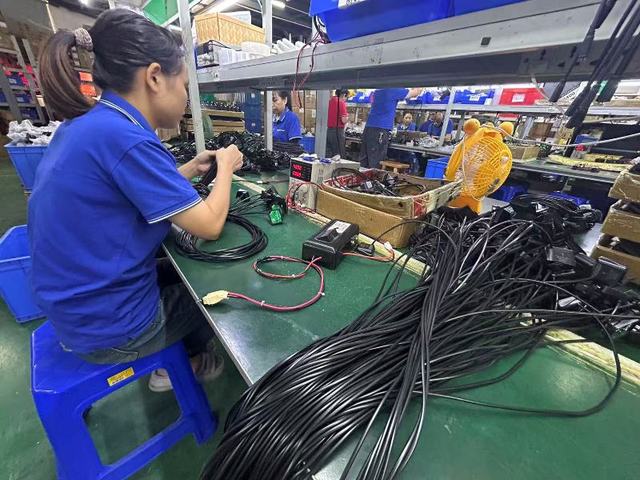
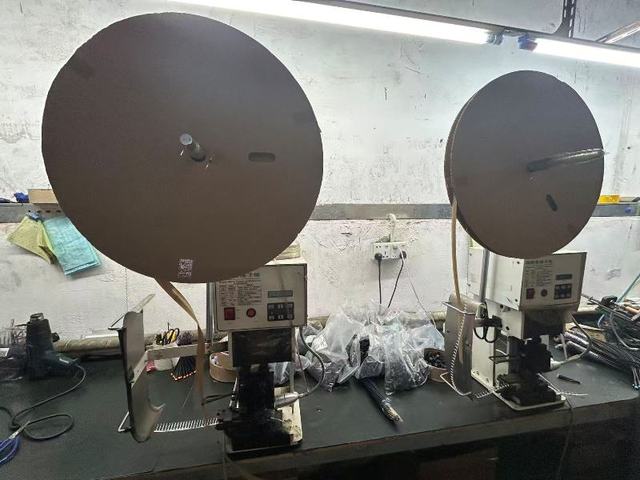
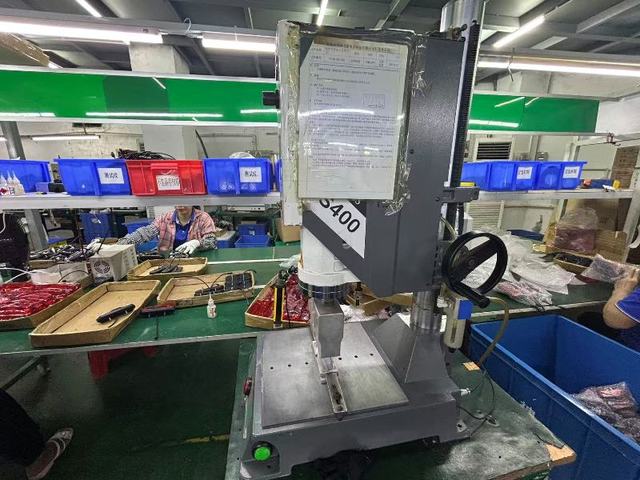
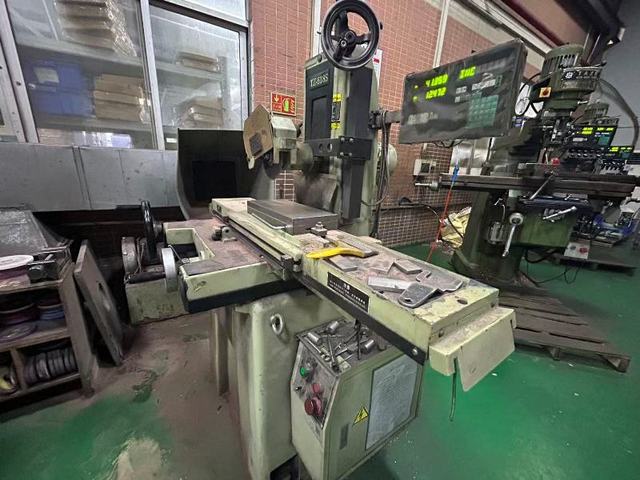
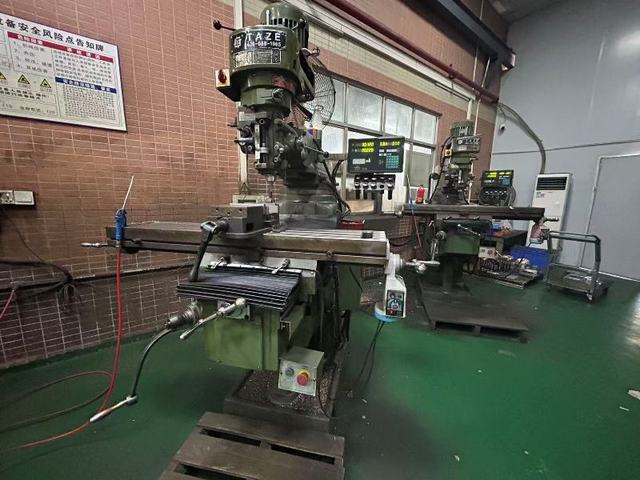
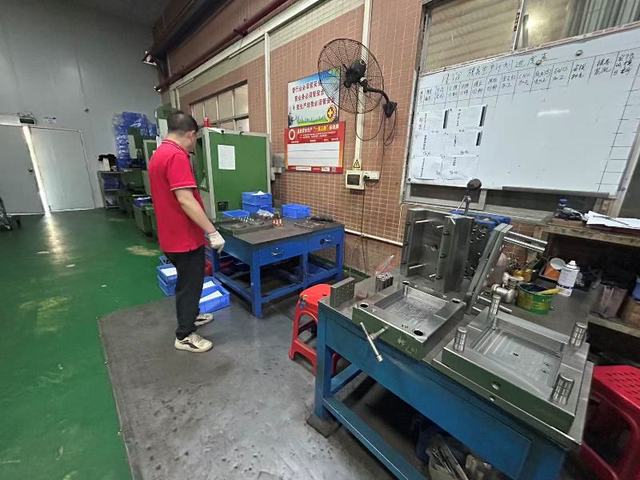
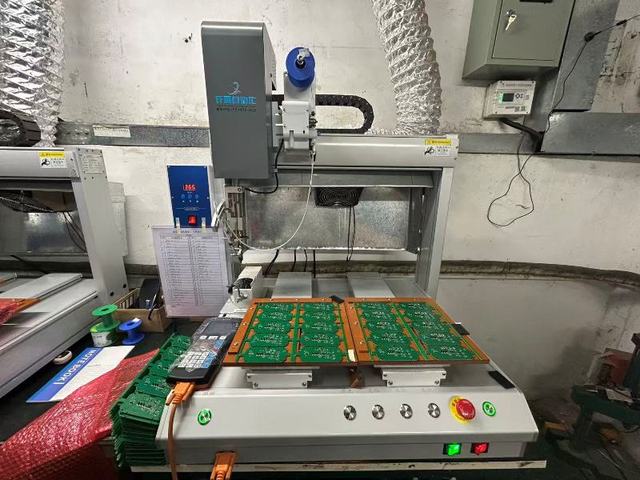
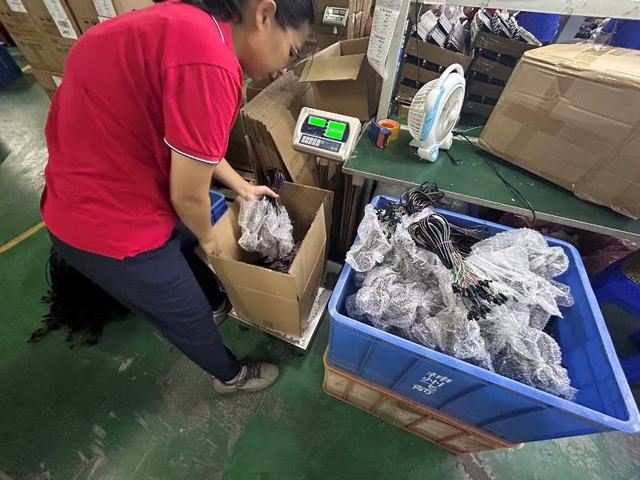
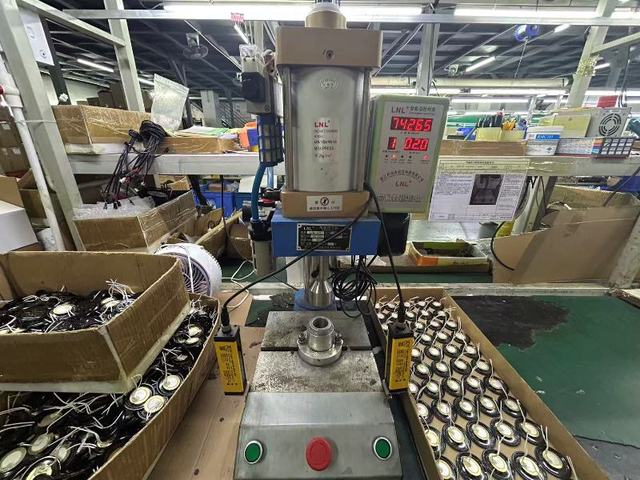
Take an inside look at our specialized production workshops, dust-free assembly lines, high-precision injection molding, and photometric test chambers. Every product undergoes strict quality control to guarantee a zero-defect rate.
Deploying high-definition micro-projectors into electric scooter headlights, allowing real-time navigation cues, warning symbols, and speed indicators to be projected directly onto the street road surface.
Developing bio-degradable optical polymers and lead-free, recycled aluminum housings. Minimizing product lifecycle carbon footprints in alignment with European Union ESG mandates.
Integrating compact solid-state LiDAR sensors and HD cameras directly inside the scooter's front headlight assembly, merging lighting and ADAS collision-avoidance systems into a single module.
The German StVZO (Straßenverkehrs-Zulassungs-Ordnung) regulation requires a strict, horizontal cut-off beam pattern. This prevents glare from blinding oncoming motorists or pedestrians by directing light strictly downward onto the pavement. Compliant lenses utilize customized reflector bowls or high-precision projection optics to focus all light below a specific angle, ensuring road safety and allowing scooters to be legally sold in Germany and broader European markets.
Shared and rental electric scooters are constantly exposed to dust, heavy rain, and pressure washers. Without proper sealing, water ingress leads to terminal corrosion and electrical shorts, resulting in battery drain and LED failures. Using high-grade polyurethane potting, liquid silicone sealing gaskets, and ultrasonic welding technology ensures consistent performance under IP67/IP69K environments.
Yes. Modern customized passenger ambient light modules (such as Symphony LED systems) can be scaled for luxury consumer scooters and mopeds. With smart controller integration, ambient light strips under the chassis act as both aesthetic additions and active warning blinkers when signaling turns.
To accommodate a wide array of battery architectures, high-quality light systems operate on wide-voltage inputs (typically 12V to 80V DC). An internal constant-current driver maintains uniform luminosity across all voltages, protecting the light from battery surges or drops during heavy acceleration.
 EV Light