Direct factory-sourced adaptive lighting hardware engineered for low power consumption and high vehicle integration.
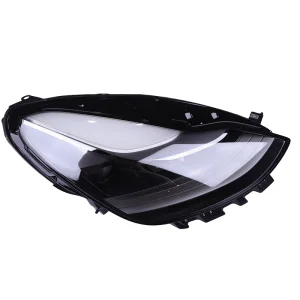
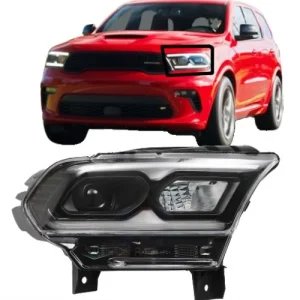
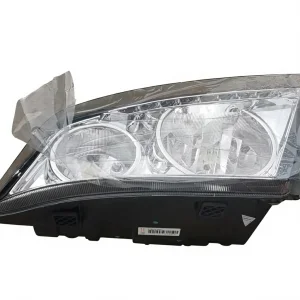
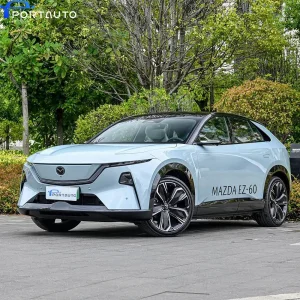
How intelligent lighting architectures are optimizing energy usage and road safety in modern battery electric vehicles (BEVs).
In traditional automotive design, headlamps were passive fixtures consuming constant electrical power. With the rise of Electric Vehicles (EVs), every watt of energy directly impacts range. Modern EV Adaptive Illumination Systems—particularly Adaptive Driving Beam (ADB) and matrix LED arrays—have transitioned into active safety assets controlled by software.
By communicating natively with ADAS (Advanced Driver Assistance Systems) via automotive Ethernet or high-speed CAN, these systems analyze data from front-facing cameras, radar, and LiDAR to selectively dim individual diodes. This provides maximized down-road illumination without blinding oncoming traffic, optimizing pedestrian safety and lowering system power requirements during twilight hours or stop-and-go urban transit.
Technical parameters, supply chain certifications, and integration criteria for tier-1 buyers.
Sourcing teams mandate compliance with ISO 26262 (ASIL-B or higher) to assure that MCU-based smart drivers fail gracefully without turning off headlights while the vehicle is in motion.
EV light housings lack cooling airflow from ICE engines. Heavy demand is placed on active liquid-cooling plates, phase-change interface materials, and advanced thermal simulations to maintain junction temperatures under 105°C.
Transitioning from LIN buses to Ethernet interfaces for dynamic beam shifting at speeds up to 100 Mbps, linking directly to high-capacity central domain controllers.
An authoritative directory evaluating production capacity, technical innovation, and global compliance.
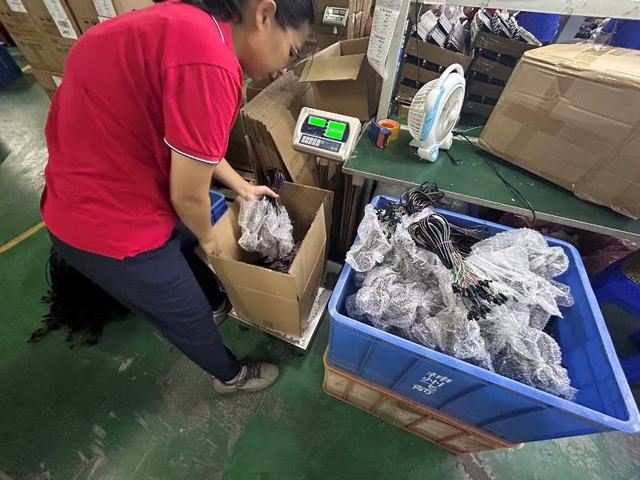
Hangzhou EV Light Co., Ltd. is a professional China electric vehicle lighting manufacturer specializing in EV LED lighting and smart automotive lighting solutions for the rapidly evolving new energy vehicle industry. With a strong commitment to innovation, performance, and reliability, we provide advanced lighting technologies that enhance vehicle safety, energy efficiency, functionality, and visual appeal.
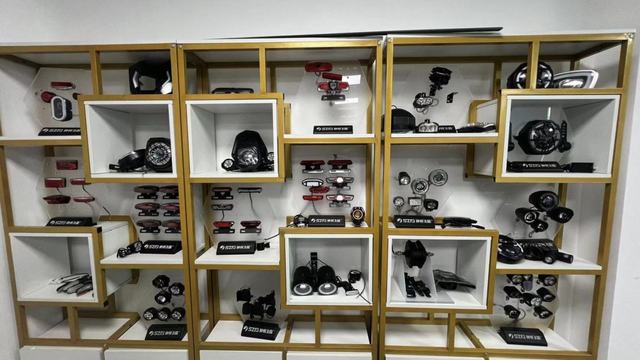
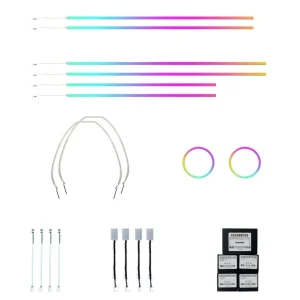
Our product portfolio includes EV headlight systems, taillight assemblies, daytime running lights, signal lighting, interior ambient lighting, charging status indicators, smart lighting modules, and customized automotive lighting solutions. Designed to meet the requirements of modern electric vehicles, our products are widely used in passenger EVs, commercial electric vehicles, electric buses, electric motorcycles, electric scooters, and emerging smart mobility applications.
At Hangzhou EV Light, we combine advanced engineering expertise with modern manufacturing capabilities to develop lighting solutions that deliver superior brightness, durability, and energy efficiency. Our experienced research and development team continuously explores new technologies in intelligent lighting control, adaptive lighting systems, LED integration, and automotive electronics to support the future of electric transportation.
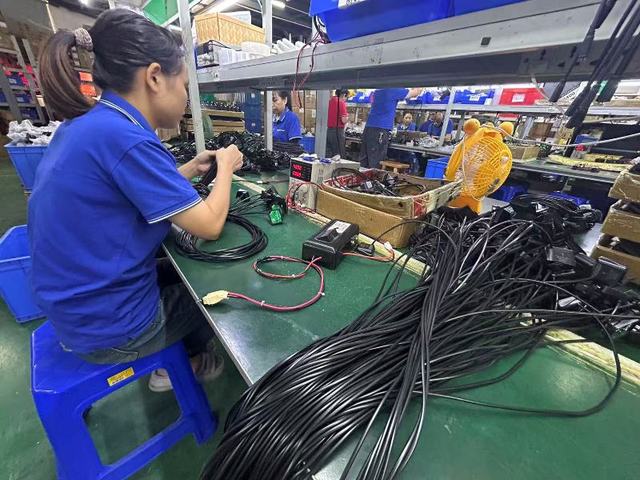
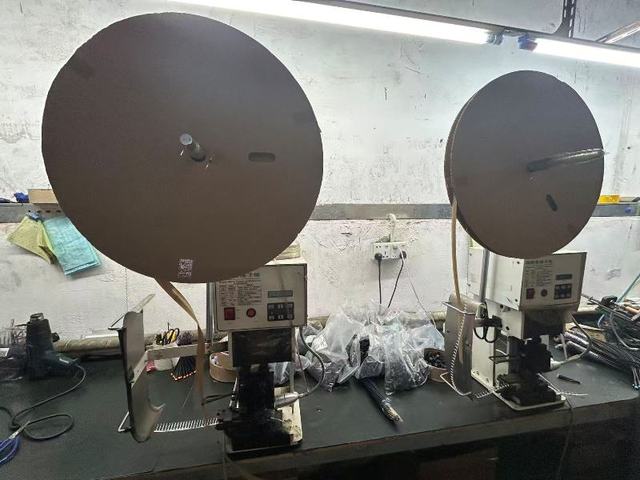
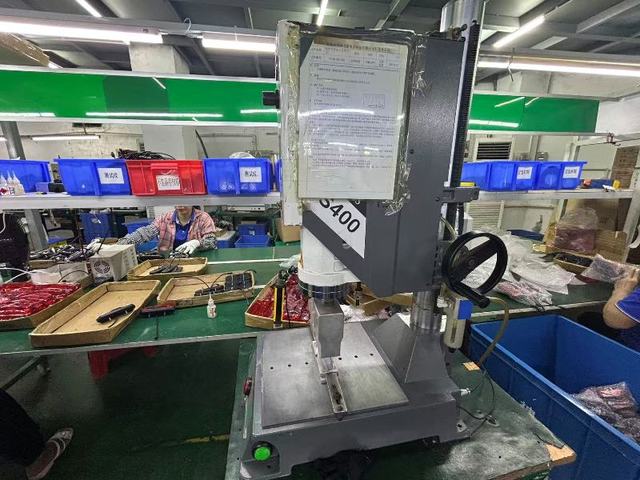
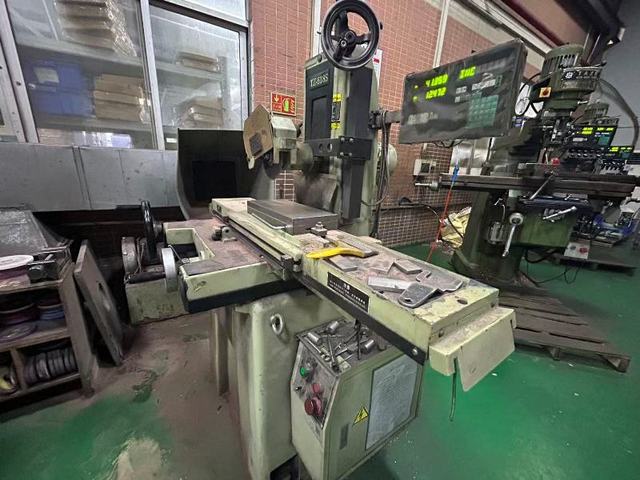
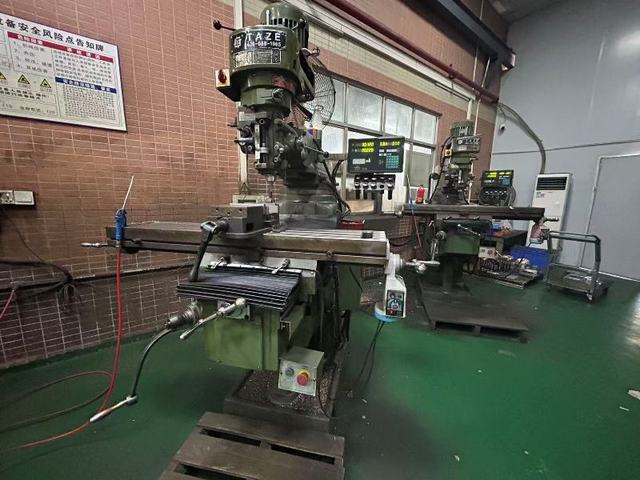
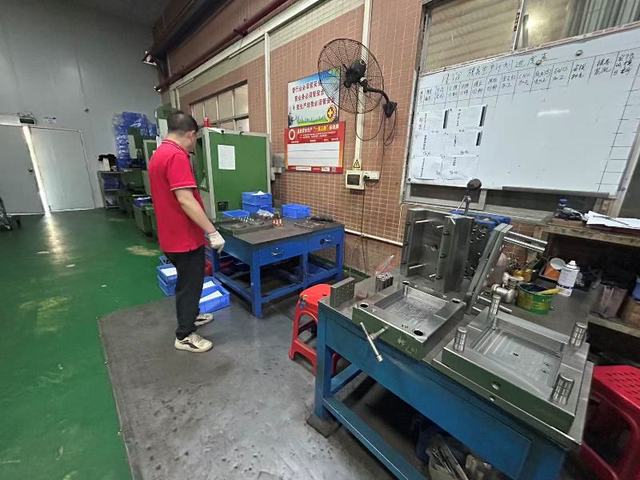
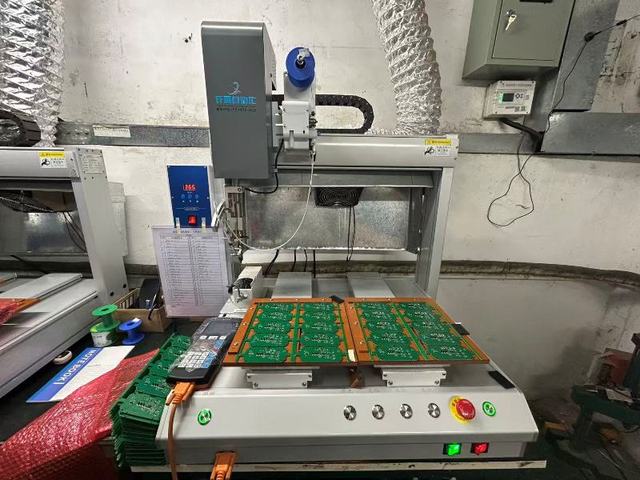
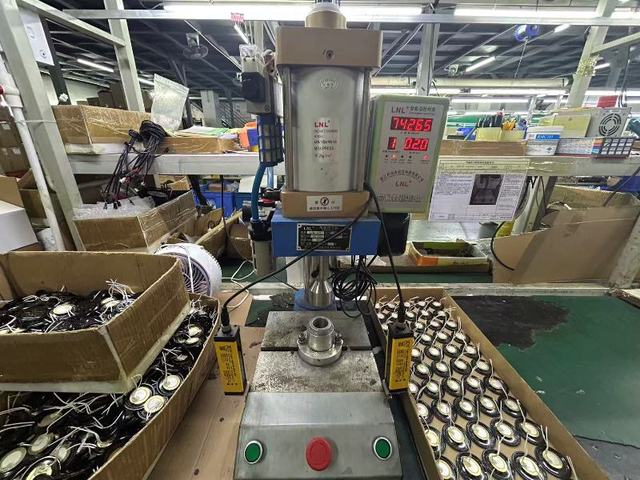
Quality is at the core of our operations. From component sourcing and product development to production and final testing, every stage follows strict quality management procedures to ensure consistent performance and compliance with international automotive standards. Our manufacturing facility is equipped with advanced production and testing equipment, enabling us to provide reliable products for demanding automotive environments.
We offer comprehensive OEM and ODM services for vehicle manufacturers, automotive suppliers, distributors, and mobility brands worldwide. Whether customers require customized designs, private-label production, or large-scale manufacturing, our flexible production capabilities support projects of various sizes and specifications. Serving clients across North America, Europe, Southeast Asia, the Middle East, and other global markets, Hangzhou EV Light Co., Ltd. is dedicated to delivering innovative electric vehicle lighting solutions that contribute to safer, smarter, and more sustainable transportation. Our mission is to become a trusted global partner in advanced automotive lighting technology and smart mobility innovation.
Hella is widely recognized as a global leader in high-resolution digital lighting systems. Their SSL|HD (Solid State Lighting | High Definition) technology enables up to 30,000 pixels per headlight, allowing for projection of safety markings directly onto the road surface. Hella provides premium integration capabilities for luxury EV manufacturers seeking state-of-the-art optical systems.
Marelli specializes in high-fidelity matrix modules and laser-source high beams. By merging elegant Italian design with cutting-edge optical performance, Marelli provides adaptive components to premium EV lines. Their research centers are highly focused on integrating light control modules directly into centralized vehicle domain controllers.
Valeo focuses on low-carbon footprints and lightweight structural designs. Their PictureBeam Monolithic system uses single-chip LEDs with over 4,000 pixels. This approach minimizes packaging weight, which is critical for EV structural optimizations. Valeo's software algorithms also predict road curves via GPS telemetry to adjust beam focus prior to driver steering inputs.
Koito holds a large share of the global automotive lighting market. Their BladeScan ADB system utilizes rotating mirrors to precisely direct light down to fractional-degree increments. This mechanics-based approach provides high illumination clarity at a lower silicon cost, presenting a compelling option for mid-to-high tier electric SUVs.
Stanley Electric leverages its in-house semiconductor manufacturing to design high-output LEDs. This vertically integrated supply chain ensures strict quality control over every diode. Their adaptive illumination systems boast high durability and resistance to extreme thermal stress, which is valuable for heavy-duty commercial EVs and buses.
ZKW specializes in premium lighting systems for high-end European automakers. Their adaptive high beams integrate micro-optics and laser modules. The brand focuses on reducing build size, allowing designers to specify ultra-slim horizontal light strips without compromising photometric requirements.
Hyundai Mobis is a leader in integrating lighting with sensor suites. Their ADAS-Linked Smart Headlamp coordinates with front-facing camera sensors to calculate overtaking vehicle acceleration, adapting lighting curves dynamically. Mobis is also developing DMD-based projection units to display warning symbols on pedestrian crosswalks.
Varroc focuses on modular, scalable ADB systems. By utilizing standardized matrix modules, they enable mid-market EV brands to introduce adaptive lighting without high custom tooling costs. Varroc has established substantial assembly operations in low-cost manufacturing regions.
Xingyu has grown rapidly to become a primary supplier for key domestic and international EV projects. Their production facilities utilize automated injection molding and robotic sealing technologies to maintain high throughput. Xingyu provides competitive R&D turnaround times for fast-evolving EV startups.
Connecting the vehicle's central nervous system to the road surface.
Modern adaptive lighting systems do not work in isolation. They form a feedback loop with radar, camera, and ultrasonic sensors. Raw pixel frames are compiled by the ADAS computer and translated into vector coordinates, mapping out dynamic lighting zones.
By routing lighting operations through central computing architectures, OEMs can update beam patterns, light signatures, and regulatory limits post-sale via Over-The-Air (OTA) software updates, future-proofing the hardware.
Looking ahead, headlights will function as communication portals. When approaching crosswalks, smart matrix systems can project guiding lanes for pedestrians or warning markers on the road surface to warn other road users of potential hazards.
Navigating different global regulatory landscapes for automotive safety approval.
In February 2022, the National Highway Traffic Safety Administration (NHTSA) finalized rules permitting the installation of Adaptive Driving Beam (ADB) systems in the United States. However, FMVSS 108 mandates specific testing patterns and strict reaction times for dark-zone creation. Quality manufacturers like Hangzhou EV Light design custom optical testing parameters to meet these regulations.
European markets follow ECE regulations closely. ECE R48 covers physical mounting tolerances and leveling parameters. Under ECE R128, LED light modules must be certified for luminous flux maintenance, color consistency, and extreme temperature operations to ensure long-term road safety.
For vehicles manufactured in or exported to China, compliance with GB 25991 is mandatory. This standard outlines structural strength, photometric distributions, heat stability, and EMC (Electromagnetic Compatibility) behavior for automotive LED headlamps.
Key trends that will define the next generation of automotive illumination.
Wide adoption of Micro-LED modules (exceeding 20,000 pixels) in high-volume, mid-tier EVs. Focus on lowering production costs and standardizing software interfaces.
Integration of solid-state LiDAR sensors within the physical headlamp assembly (sensor fusion integration). This helps clean up vehicle styling and simplifies front-end wiring.
Holographic dynamic systems capable of projecting real-time directional maps and environmental indicators, enhancing driver navigation support at night.
Common technical inquiries from automotive sourcing managers and procurement directors.
Explore our full line of interior ambient lights, vehicle status indicators, and commercial components.
 EV Light