Explore our engineering-grade electric vehicle and utility illumination portfolio optimized for thermal resilience, energy conservation, and system integration.
Analyzing the intersection of solid-state optics, structural thermal engineering, and dynamic signaling in zero-emission transport systems.
In the contemporary automotive and municipal logistics sectors, the transition to electrification involves far more than simply replacing internal combustion engines with electric powertrains. The paradigm shift demands a ground-up reconfiguration of auxiliary systems, among which high-visibility lighting plays a critical safety and efficiency role. Modern electric vehicles (EVs) operate under strict energy budgets, where every watt of power consumed by auxiliary lighting systems translates directly to reduced driving range.
Furthermore, because EVs run virtually silent, visual signaling becomes the primary interface for communication with pedestrians, cyclists, and other drivers. Consequently, high-visibility vehicle lights, safety markers, smart infrastructure sensors, and charging indicators must operate with maximum luminous efficacy while meeting stringent structural integrity requirements to withstand high-vibration commercial, agricultural, and industrial environments.
“The modern EV lighting architecture is no longer passive. It is a highly integrated communication subsystem that interfaces directly with ADAS, telematics, and local municipal grids to ensure safety, signaling compliance, and high efficiency.”
Hangzhou EV Light Co., Ltd. is a professional China electric vehicle lighting manufacturer specializing in EV LED lighting and smart automotive lighting solutions for the rapidly evolving new energy vehicle industry. With a strong commitment to innovation, performance, and reliability, we provide advanced lighting technologies that enhance vehicle safety, energy efficiency, functionality, and visual appeal.
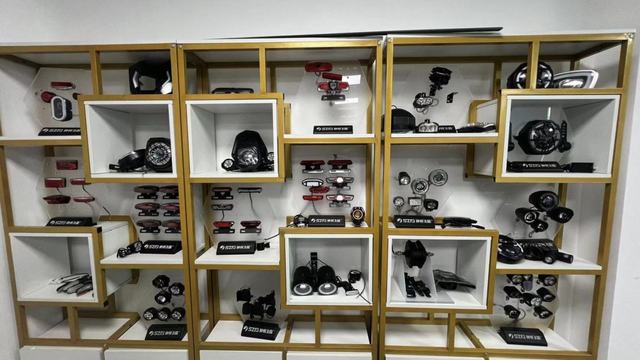
Our product portfolio includes EV headlight systems, taillight assemblies, daytime running lights, signal lighting, interior ambient lighting, charging status indicators, smart lighting modules, and customized automotive lighting solutions. Designed to meet the requirements of modern electric vehicles, our products are widely used in passenger EVs, commercial electric vehicles, electric buses, electric motorcycles, electric scooters, and emerging smart mobility applications.
At Hangzhou EV Light, we combine advanced engineering expertise with modern manufacturing capabilities to develop lighting solutions that deliver superior brightness, durability, and energy efficiency. Our experienced research and development team continuously explores new technologies in intelligent lighting control, adaptive lighting systems, LED integration, and automotive electronics to support the future of electric transportation.
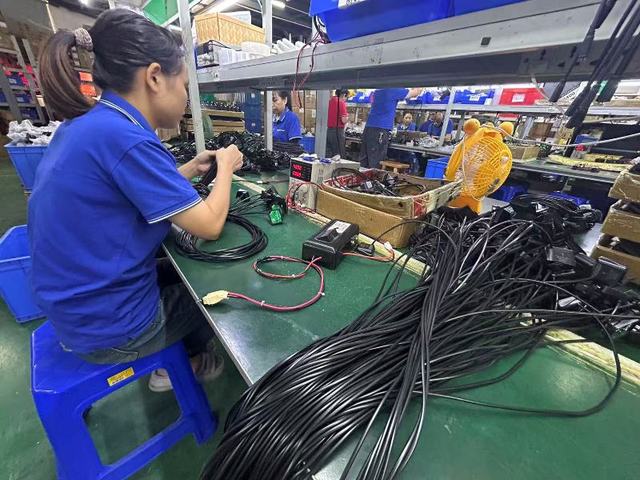
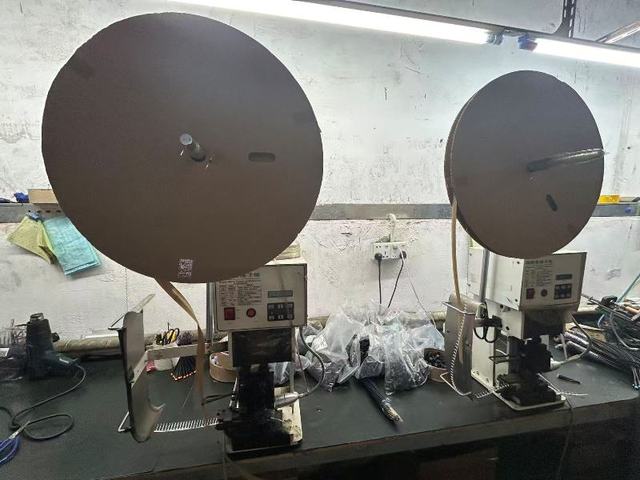
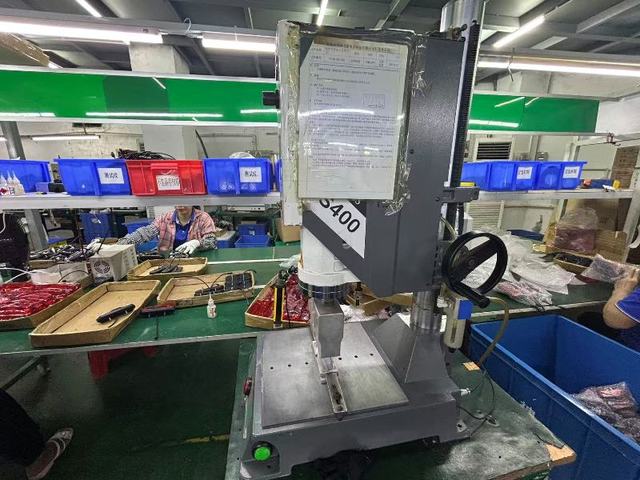
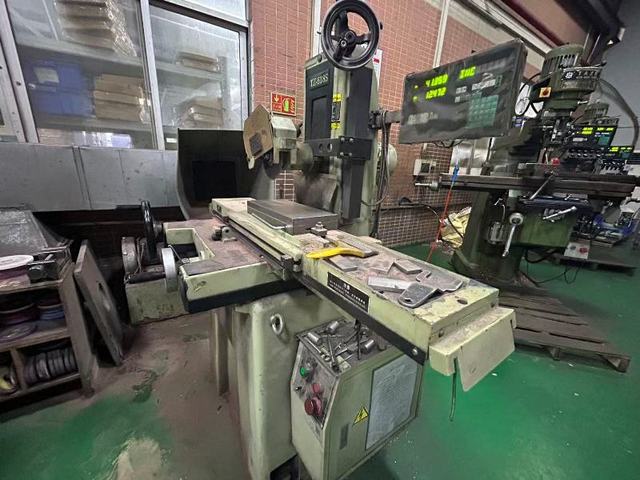
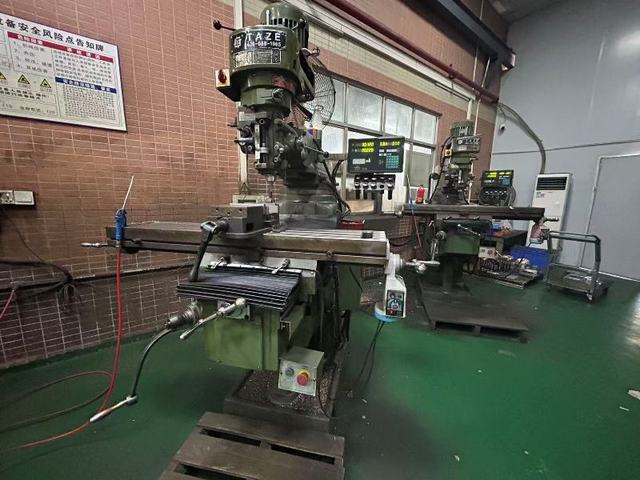
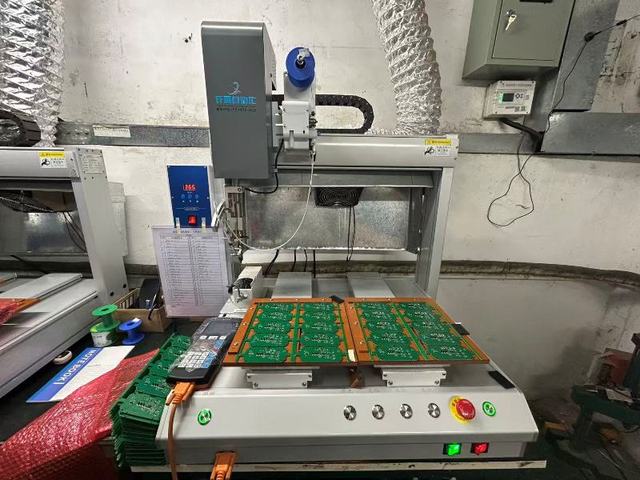
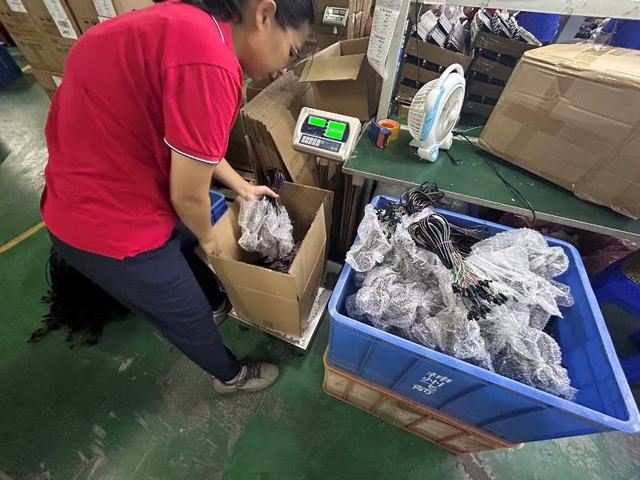
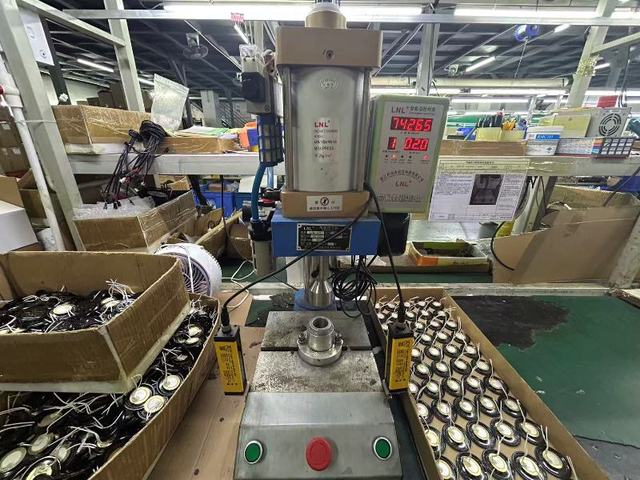
Quality is at the core of our operations. From component sourcing and product development to production and final testing, every stage follows strict quality management procedures to ensure consistent performance and compliance with international automotive standards. Our manufacturing facility is equipped with advanced production and testing equipment, enabling us to provide reliable products for demanding automotive environments.
We offer comprehensive OEM and ODM services for vehicle manufacturers, automotive suppliers, distributors, and mobility brands worldwide. Whether customers require customized designs, private-label production, or large-scale manufacturing, our flexible production capabilities support projects of various sizes and specifications.
Serving clients across North America, Europe, Southeast Asia, the Middle East, and other global markets, Hangzhou EV Light Co., Ltd. is dedicated to delivering innovative electric vehicle lighting solutions that contribute to safer, smarter, and more sustainable transportation. Our mission is to become a trusted global partner in advanced automotive lighting technology and smart mobility innovation.
Navigating the complex specifications and logistics demanded by international OEMs, municipalities, and commercial transport enterprises.
When procurement executives evaluate suppliers for EV lighting systems, their criteria extend far beyond simple price-per-unit metrics. The modern electric mobility landscape operates within a high-stakes ecosystem defined by total cost of ownership (TCO), long-term operational resilience, and supply chain transparency. A failure in a vehicle's primary lighting assembly can result in immediate fleet grounding, significant regulatory fines, and safety hazards that damage brand equity.
EV propulsion architectures generate substantial high-frequency electromagnetic interference. High-visibility lighting systems must be shielded to prevent interference with battery management systems, RADAR, and LIDAR sensors.
While LEDs emit minimal radiant heat forward, they generate heat at the junction point. Proper thermal design—using high-thermal-conductivity materials—prevents lumen degradation and prolongs diode lifespan.
Components must resist pressure washing, dust ingress, and submersion. High-quality fixtures incorporate membrane breathers that equalize internal-external pressure differences without allowing moisture inside.
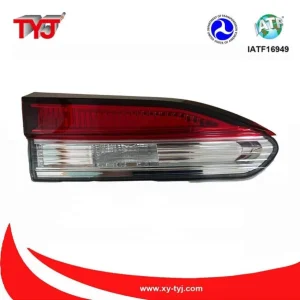
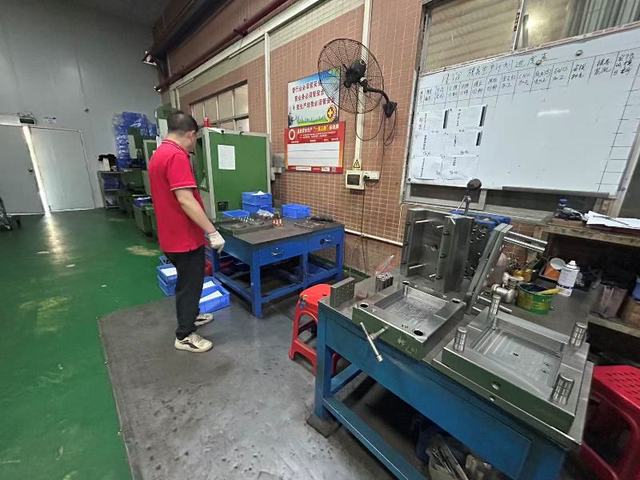
In response to these challenges, tier-1 purchasing departments are shifting toward vertically integrated manufacturers that possess in-house design, optical modeling, injection molding, SMT PCB assembly, and environmental testing capabilities. This integration reduces lead times for bespoke projects and ensures that custom designs—such as model-specific front daytime running light (DRL) bars or integrated rear-lamp assemblies—achieve physical and electrical compatibility with the vehicle's electrical system.
Analyzing how automotive lighting aligns with broader public grids, smart city networks, and utility fleets.
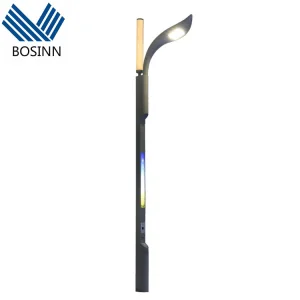
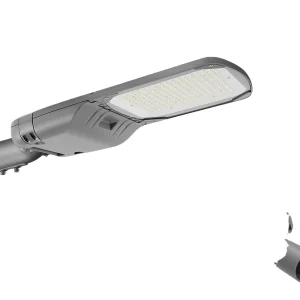
The boundaries of automotive lighting have expanded beyond the vehicle chassis. Today's high-visibility solutions exist at the interface of heavy-duty transport, municipal service equipment, smart city infrastructure, and off-grid power systems. For instance, municipal street lighting projects are now merging with EV charging infrastructure. High-efficiency street lamps with integrated AC chargers provide a combined solution for urban areas with limited off-street parking, utilizing the existing power grid for dual purposes.
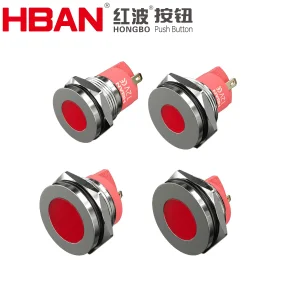
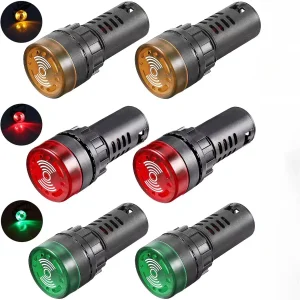
Similarly, the integration of 5G micro-base stations and NB-IoT communication modules directly into street light poles transforms simple illumination posts into localized communication hubs. These smart poles can report operational failures, adjust brightness dynamically based on real-time pedestrian activity, and even monitor parking space availability. This structural convergence requires specialized signal indication equipment, such as heavy-duty, IP67-rated metal pin terminal signal lights, to ensure long-term functionality under extreme weather conditions.
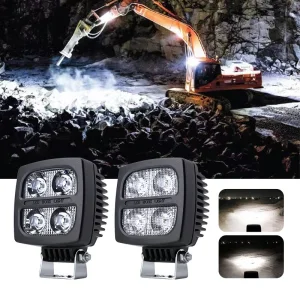
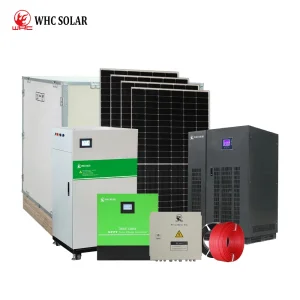
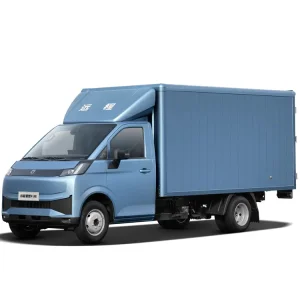
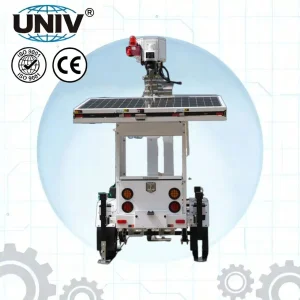
For commercial and agricultural vehicles, the demands are equally high. Heavy-duty trucks (e.g., Geely Farizon Electric Trucks) and agricultural tractors operating in dusty fields at night require highly focused, vibration-resistant, and high-CRI (Color Rendering Index) LED spotlights. These spotlights allow operators to clearly distinguish crop health and soil quality under pitch-black conditions. In remote mining or construction environments, autonomous solar-powered mobile CCTV and light towers provide off-grid security and workspace illumination, leveraging high-capacity lithium-ion batteries and smart photovoltaic controllers to function independently for several days.
An engineering projection of emerging trends in solid-state lighting, adaptive driver-assist systems, and carbon-neutral materials.
Looking ahead, the development of high-visibility EV lighting systems follows a clear technological path centered on digitalization, adaptive control, and reduced power consumption. The era of static halogen or basic projector Xenon lamps has transitioned into the era of intelligent, addressable solid-state systems. Below is the projected development path for the coming years:
Widespread adoption of matrix LED headlights with individual module control. Integrated front-facing cameras detect oncoming traffic and dynamically dim specific light blocks to prevent glare, maintaining maximum illumination around other vehicles.
Headlights serve as projection systems capable of casting high-resolution safety symbols (e.g., crosswalks, lane-departure warnings, blind-spot alerts) directly onto the road surface. This helps communicate the vehicle's intentions to pedestrians and surrounding traffic.
Transitioning to bio-based and recycled polycarbonate materials for lenses and outer housings. Implementing modular product design allows for easy disassembly, lens replacement, and recycling at the end of the vehicle's lifespan.
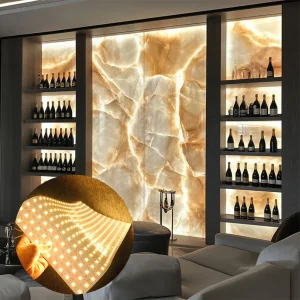
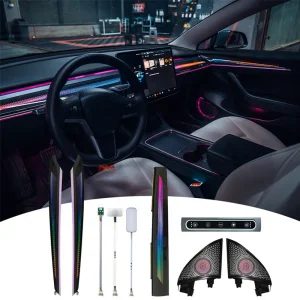
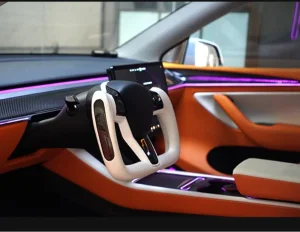
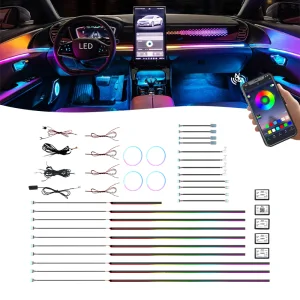
These technological developments are accompanied by changes in interior cabin design. With the rise of autonomous and semi-autonomous driving features, vehicle interiors are transforming into mobile living and working spaces. Personalized interior lighting kits, such as dynamic, music-synchronized ambient light strips, help reduce driver fatigue, improve occupant comfort, and provide visual status alerts (e.g., lane-change warnings, battery charge state) directly through the cabin's styling elements.
Analyzing the global regulatory environment, testing standards, and localized technical support structures.
Navigating the complex landscape of international automotive regulations is a critical factor for global manufacturers. Product compliance is essential; failing to meet the standards of a target market can lead to shipping delays, custom seizures, or costly recalls. Hangzhou EV Light Co., Ltd. ensures all products meet international criteria through rigorous testing and compliance procedures:
In addition to regulatory compliance, local engineering support is key to successful long-term partnerships. We provide direct design assistance, optical simulations, and custom housing modification services to ensure our lighting products integrate smoothly into each client's specific vehicle assembly.
Expert engineering answers to common questions raised by procurement managers and vehicle system designers.
Explore our industrial-grade street, cabin, vehicle, and solar lighting solutions engineered for global performance and compliance standards.
 EV Light