An in-depth analysis of regulatory compliance, architectural thermal management, and modern supply chain optimization in the electric vehicle lighting industry.
In the automotive export sector, achieving strict compliance is the absolute baseline for commercial viability. For European and allied international markets, the CE (Conformité Européenne) marking is not merely a label, but a comprehensive declaration of conformity with essential safety, health, and environmental protection requirements. When applied to Electric Vehicle (EV) lighting, CE certification validates that the optoelectronic architecture, driver circuitry, and structural enclosure adhere to directives such as the Electromagnetic Compatibility (EMC) Directive (2014/30/EU) and the Low Voltage Directive (2014/35/EU).
Unlike traditional internal combustion engine (ICE) illumination, EV lighting systems operate in close proximity to high-voltage traction batteries and high-frequency power electronics. This environment requires robust electromagnetic shielding to prevent electromagnetic interference (EMI) from disrupting critical vehicle communications (such as CAN or LIN bus lines). Our CE-certified systems leverage advanced EMI/EMC filtering networks, ensuring compliance with UNECE Regulation 10 (R10), which governs electromagnetic compatibility in automotive configurations.
"Electromagnetic compatibility in EV lighting is not optional. High-brightness LED matrices must run silently beside megawatt traction systems without generating harmonic feedback." - Senior Systems Engineer, Hangzhou EV Light
The core metric of modern EV lighting is the optimization of lumen output per watt (lm/W) to minimize parasitic energy draw on the main propulsion battery. In typical electric architectures, every watt consumed by auxiliary systems directly impacts the total vehicle range. Consequently, transitioning to ultra-bright LED and solid-state laser systems requires sophisticated optical designs, including light-guide matrices, micro-lens arrays (MLA), and high-efficiency TIR (Total Internal Reflection) optics.
However, high-density LED arrays generate concentrated thermal loads. LEDs do not project heat forward as infrared radiation; instead, the heat must be conducted away via the backside junction. If junction temperatures exceed critical thresholds (typically 125°C to 150°C), the luminaire suffers from rapid lumen depreciation and spectral shifting. To resolve this, our assemblies incorporate aluminum metal-core printed circuit boards (MCPCBs), thermal interface materials (TIMs) with high thermal conductivity (exceeding 3.0 W/m·K), and active or passive heat sinks designed through computational fluid dynamics (CFD) simulation.
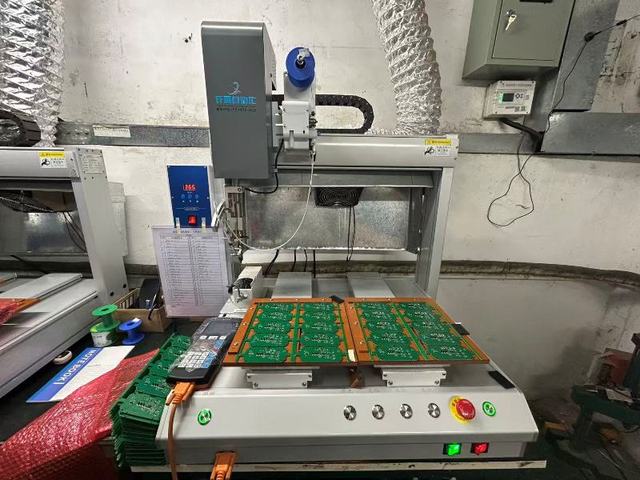
Operating from Hangzhou, Zhejiang province, places Hangzhou EV Light Co., Ltd. at the heart of the world’s most integrated electric vehicle supply chain. The Yangtze River Delta region hosts an unparalleled concentration of precision tooling manufacturers, semiconductor packaging facilities, automated SMT (Surface Mount Technology) lines, and raw material providers. This geographic synergy allows for rapid prototyping cycles and seamless scale-up of production.
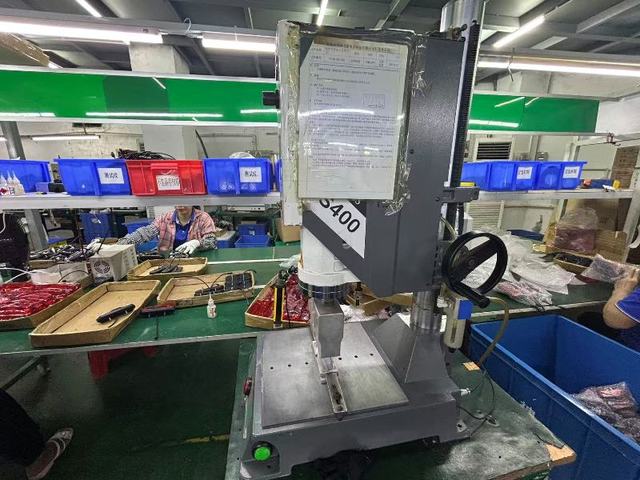
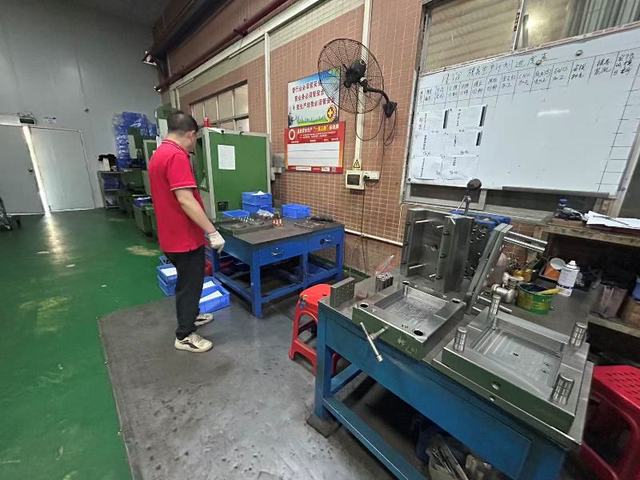
By integrating vertically—from SMT chip placement and injection molding of polycarbonate lenses to final ultrasonic welding and automated leak-testing (IP67/IP69K validation)—we eliminate intermediate logistics costs. This operational structure enables us to supply premium-tier EV lighting solutions globally at competitive price points, without compromising on materials, chip binning, or quality assurance.
International OEM and tier-1 procurement managers require more than just quality products; they demand supply chain predictability and comprehensive technical support. We address this need through clear project lifecycle management, starting with PPAP (Production Part Approval Process) Level 3 documentation, detailed IMDS (International Material Data System) reporting, and rigorous environmental testing protocols (including salt spray, thermal shock, vibration, and dust ingress).
Our logistics networks support flexible delivery models (such as JIT - Just In Time and safety-stock warehousing) across Europe, North America, and Southeast Asia. This ensures that assembly lines remain uninterrupted by geopolitical or global shipping bottlenecks.
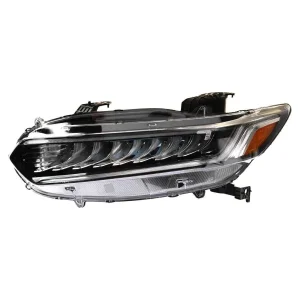
Looking ahead, the role of automotive lighting is shifting from basic illumination to interactive vehicle-to-everything (V2X) communication. Smart LED projection headlights can now display navigation pathing and safety alerts directly onto the road surface for pedestrian safety.
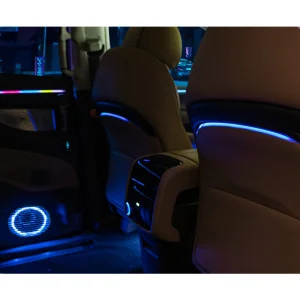
Simultaneously, exterior charging indicators dynamically communicate state-of-charge (SoC) metrics visually, and interior ambient light grids respond to ADAS sensor inputs. By designing our systems with modular driver boards and LIN/CAN interface support, we make our lighting assemblies fully ready for integration into modern software-defined vehicles (SDVs).
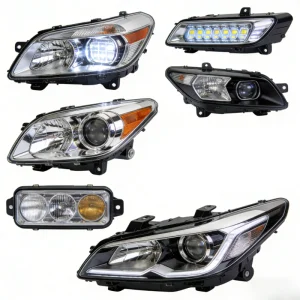
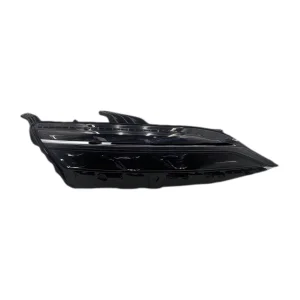
Designed for extreme durability, long-range illumination, and structural resilience under demanding road conditions.
Optimized drive electronics reduce energy consumption by up to 45% compared to standard halogen and early-stage xenon components, helping preserve battery range.
Double-sided copper MCPCB substrates paired with automotive-grade TIMs ensure stable junction temperatures, maintaining lumen output over a 50,000-hour service life.
Hermetically sealed housings featuring hydrophobic vent membranes achieve IP67 and IP69K ratings, resisting dust ingress and high-pressure hot-water washdowns.
Technical answers to common questions about electric vehicle lighting design, compliance, and custom manufacturing.
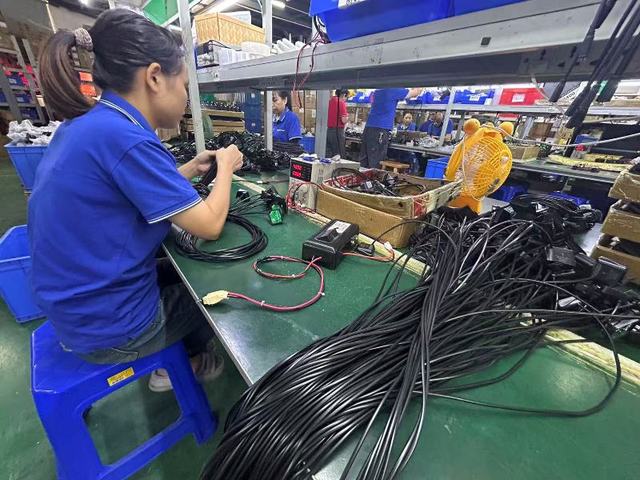
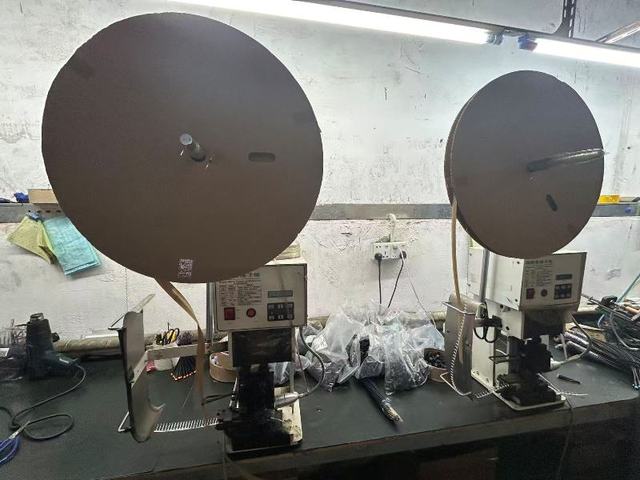
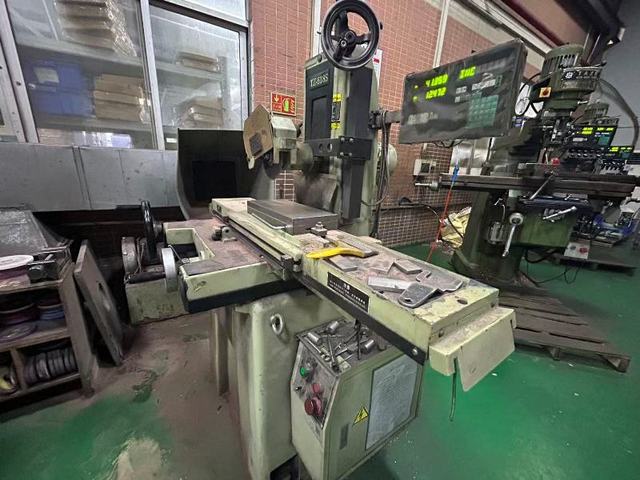
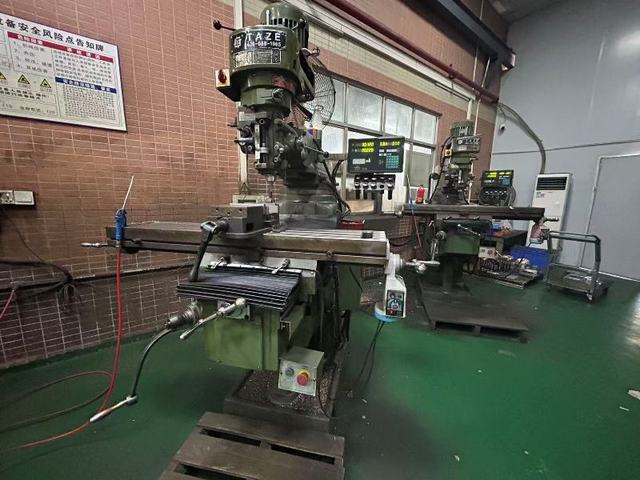
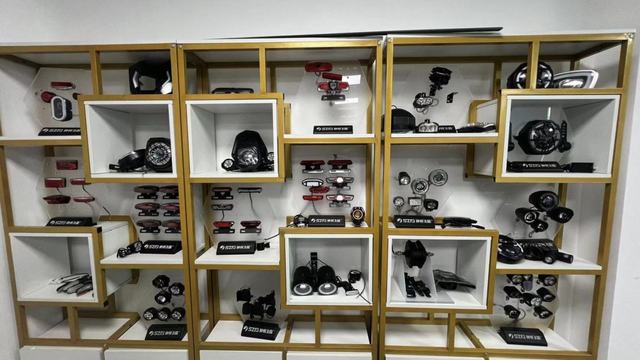
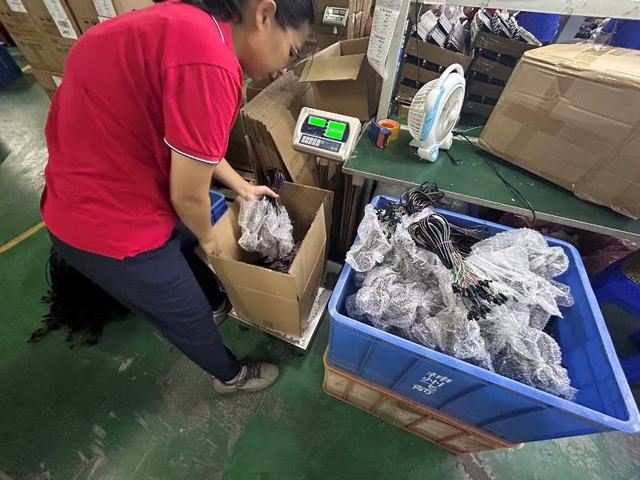
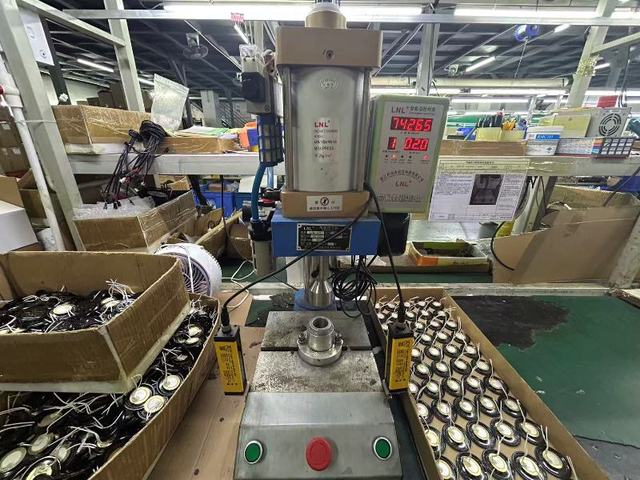
A look inside our advanced manufacturing facility, SMT cleanrooms, and testing facilities in Hangzhou, China.
 EV Light