Years Engineering Excellence
Global Export Countries
IATF 16949 Standards
Max Lumens Optic Power
Analyzing the paradigm shift from basic illuminants to smart HMI (Human-Machine Interface) systems within modern electric vehicle cabins.
As autonomous driving levels advance, the interior of electric vehicles is transitioning from a traditional cockpit to a dynamic living area. Lighting plays a central role in this transformation, modifying spatial perception, reducing rider fatigue, and serving as the primary medium for cabin atmosphere customization.
Modern EV interior light fixtures are no longer static. They interface with the vehicle's central CAN bus protocol to visually display temperature alterations, ADAS driver assist warnings, and real-time battery state-of-charge indicators, dramatically enhancing active safety metrics.
Unlike internal combustion engine (ICE) vehicles, every milliwatt counts toward the range calculation of an EV. Optimizing light output through high-efficiency LED arrays and smart driver chipsets is paramount to keeping parasitic power draws to an absolute minimum.
A trusted global partner in advanced automotive lighting technology and smart mobility innovation.
Hangzhou EV Light Co., Ltd. is a professional China electric vehicle lighting manufacturer specializing in EV LED lighting and smart automotive lighting solutions for the rapidly evolving new energy vehicle industry. With a strong commitment to innovation, performance, and reliability, we provide advanced lighting technologies that enhance vehicle safety, energy efficiency, functionality, and visual appeal.
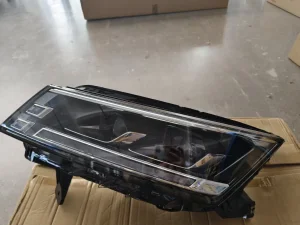
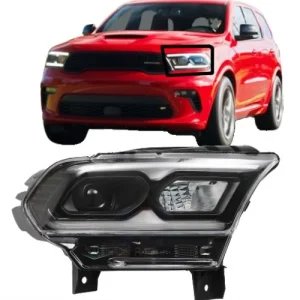
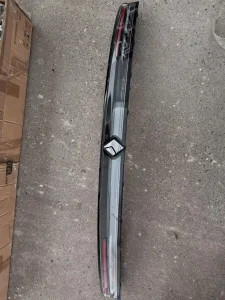
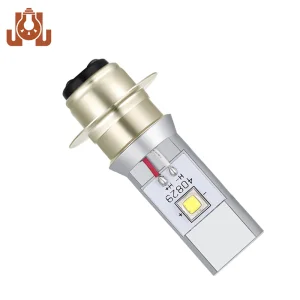
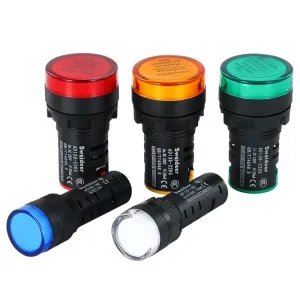
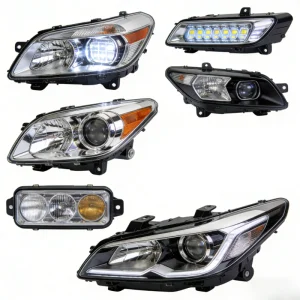
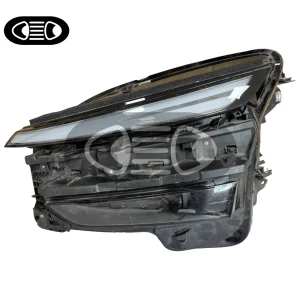
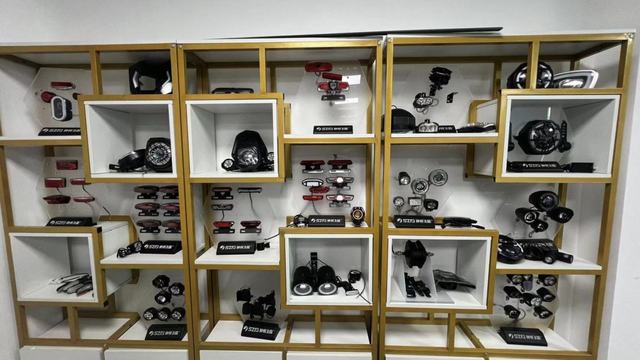
Our product portfolio includes EV headlight systems, taillight assemblies, daytime running lights, signal lighting, interior ambient lighting, charging status indicators, smart lighting modules, and customized automotive lighting solutions. Designed to meet the requirements of modern electric vehicles, our products are widely used in passenger EVs, commercial electric vehicles, electric buses, electric motorcycles, electric scooters, and emerging smart mobility applications.
At Hangzhou EV Light, we combine advanced engineering expertise with modern manufacturing capabilities to develop lighting solutions that deliver superior brightness, durability, and energy efficiency. Our experienced research and development team continuously explores new technologies in intelligent lighting control, adaptive lighting systems, LED integration, and automotive electronics to support the future of electric transportation.
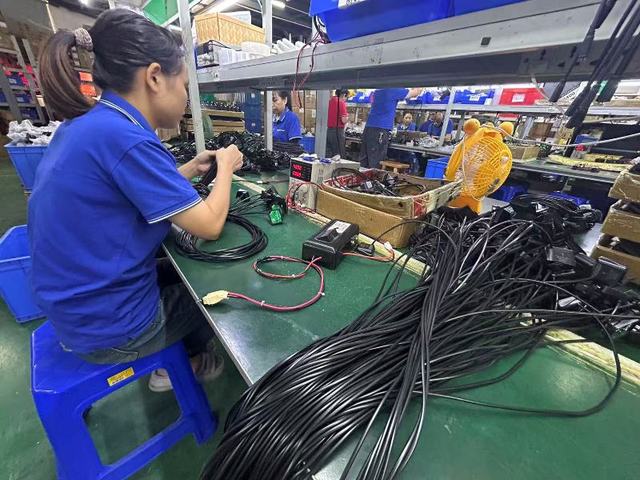
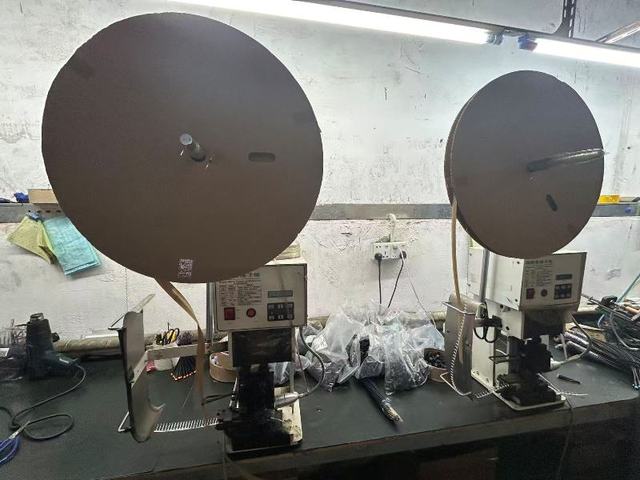
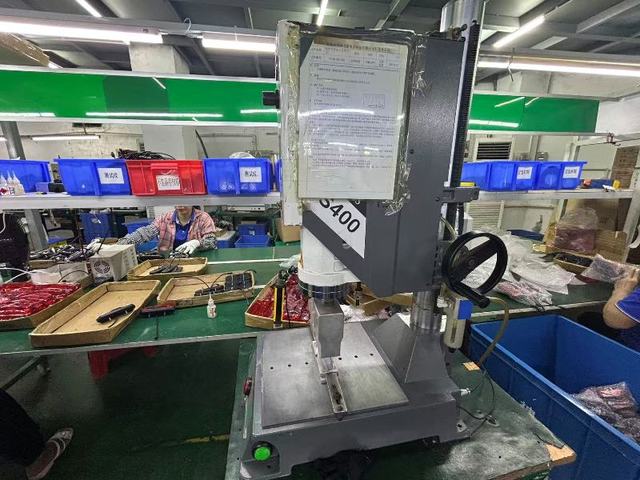
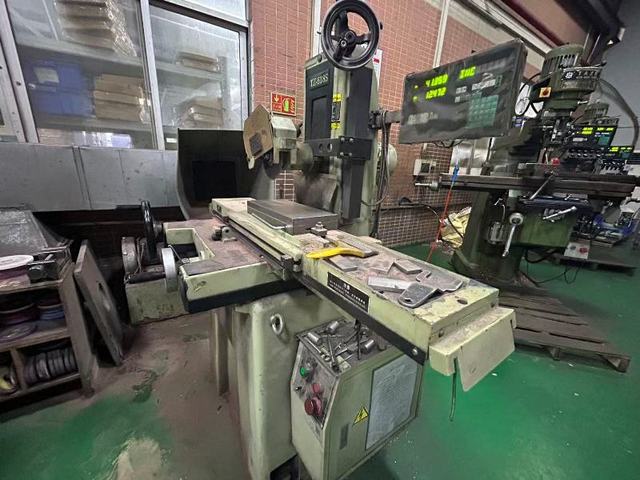
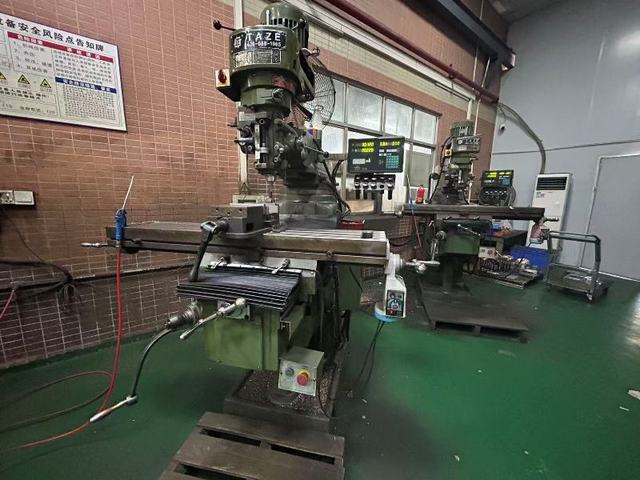
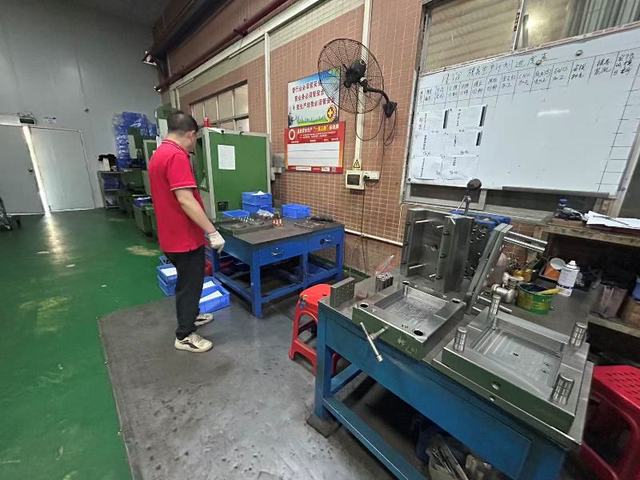
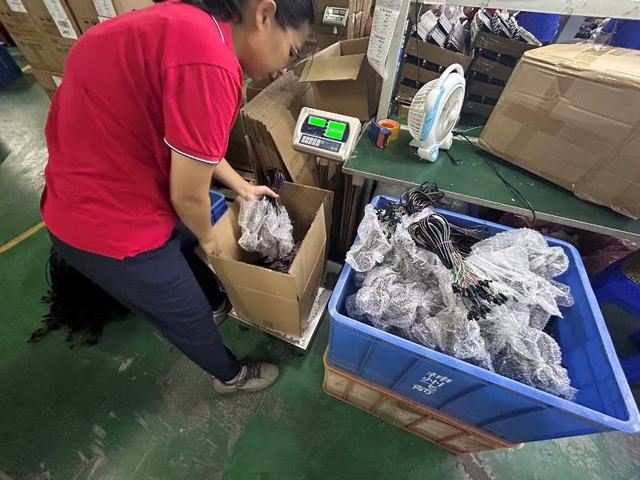
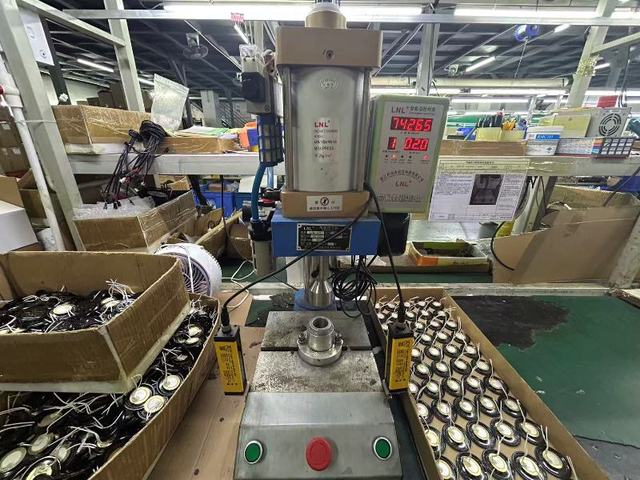
Quality is at the core of our operations. From component sourcing and product development to production and final testing, every stage follows strict quality management procedures to ensure consistent performance and compliance with international automotive standards. Our manufacturing facility is equipped with advanced production and testing equipment, enabling us to provide reliable products for demanding automotive environments.
We offer comprehensive OEM and ODM services for vehicle manufacturers, automotive suppliers, distributors, and mobility brands worldwide. Whether customers require customized designs, private-label production, or large-scale manufacturing, our flexible production capabilities support projects of various sizes and specifications.
Serving clients across North America, Europe, Southeast Asia, the Middle East, and other global markets, Hangzhou EV Light Co., Ltd. is dedicated to delivering innovative electric vehicle lighting solutions that contribute to safer, smarter, and more sustainable transportation. Our mission is to become a trusted global partner in advanced automotive lighting technology and smart mobility innovation.
Tracing the engineering evolution from basic dome lights to software-defined interactive smart cabins.
Focuses on replacing incandescent bulbs with high-efficiency SMD LEDs. Emphasis is placed on thermal dissipation structures, keeping low power consumption (15-25W), and stabilizing the luminous flux output.
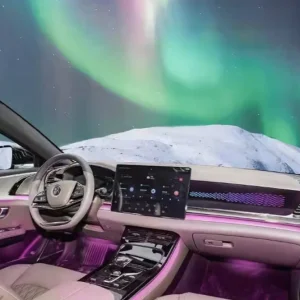
Utilizing local interconnect networks (LIN) to control dynamic RGB/RGBW modules. This allows drivers to customize interior themes with up to 64 or 128 colors via the infotainment touchscreen.
Integrating the interior lighting system with the vehicle's ADAS sensors. Visual cues (such as flashing red on doors) warn occupants of incoming blind-spot obstacles or vehicle departures.
The convergence of smart film technology, ceiling soft films, and circadian rhythm bio-lighting. The system shifts color temperatures dynamically to match human physiological patterns throughout the day.
How Hangzhou EV Light fixtures are engineered to perform under specific operational environments globally.
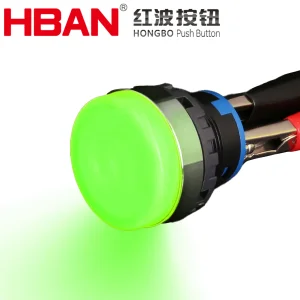
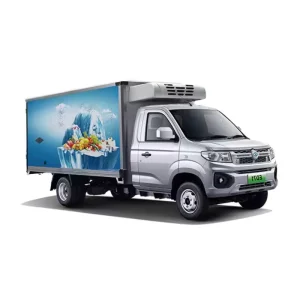
For refrigerated logistics trucks and inner-city vans, high-durability indicator lights and task-focused ceiling LED lamps ensure workers operate safely in low-temperature and high-humidity environments. Explode-proof design standards minimize maintenance downtimes.
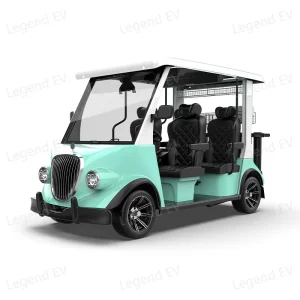
Autopilot golf carts, micro-shuttles, and robo-taxis utilize interactive RGB indicator lights to notify waiting passengers of booking statuses, safety validation steps, and departure confirmations, filling the user-experience gap left by the absence of a driver.
Multi-zone ambient lighting assemblies running on high-speed CAN protocols allow for zero-latency synchronization with the vehicle's audio system, delivering an immersive acoustic-optic entertainment journey for high-end electric sedans.
Why Tier-1 global automotive companies prioritize Hangzhou EV Light as their strategic partner.
Located in the Yangtze River Delta industrial belt, Hangzhou EV Light operates at the heart of the world’s most dense automotive electronics ecosystem. Raw material sourcing, PCB assembly, precision plastic molding, and optical testing labs are all coordinated within a 100km radius, reducing logistics delays and development cycle times.
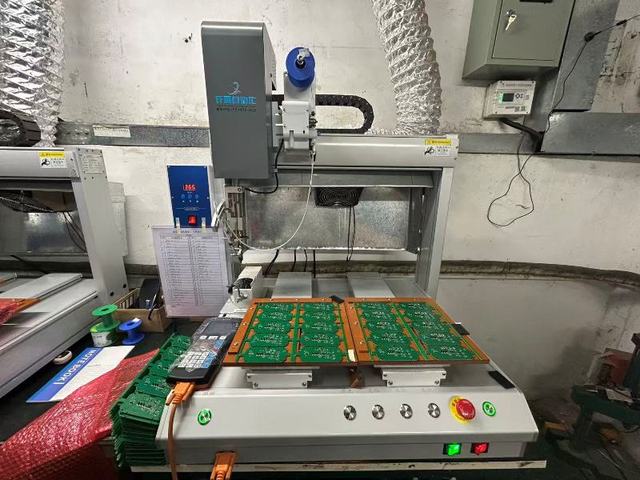
Our production facilities utilize automated surface-mount technology (SMT) lines combined with high-precision optical testing tools. This guarantees that every light guide plate, LED chip alignment, and sealing ring meets automotive-grade optical and mechanical thresholds.
To mitigate the risk of microchip and driver-IC shortages, we keep rolling reserves of critical electronic components. Long-term supplier partnerships with leading semiconductor distributors ensure stable production queues, even during turbulent global supply periods.
Ensuring compliance, long-term durability, and electrical compatibility across international markets.
All our manufacturing processes conform to IATF 16949 quality management procedures, the gold standard for global automotive supply chains, ensuring strict traceability and zero-defect metrics.
New energy vehicles produce strong electromagnetic fields. Our light modules undergo severe Electromagnetic Compatibility (EMC) testing and Electrostatic Discharge (ESD) analysis to prevent crosstalk with other critical high-voltage ECUs.
We validate our lights against rigorous dust ingress, waterproof limits (IP67/IP69K), thermal shock (-40°C to +85°C), and accelerated UV aging to secure long-term physical properties.
Answering key questions that Tier-1 automotive sourcing managers and OEM clients ask about EV interior light fixtures.
 EV Light