Explore our premium selection of dynamic signal indicators, intelligent light modules, and advanced lighting systems engineered for passenger cars, micromobility units, and commercial EV fleets.
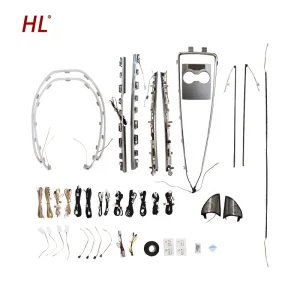
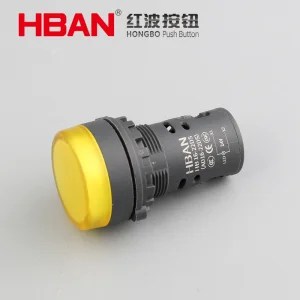
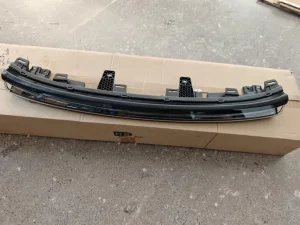
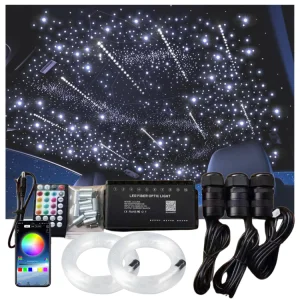
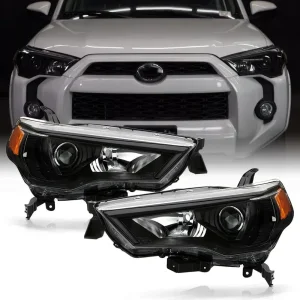
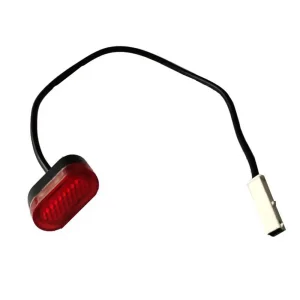
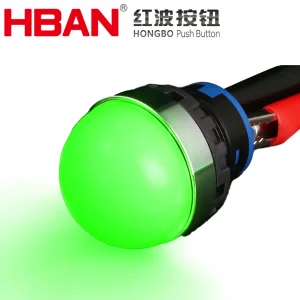
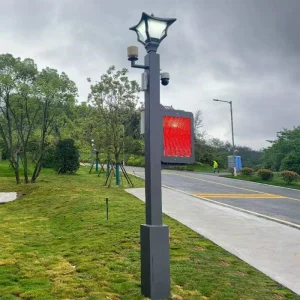
As the global automotive industry experiences an unprecedented paradigm shift towards clean energy, electrification, and intelligent driving, lighting design has expanded beyond mere illumination. Under this transition, Hangzhou EV Light Co., Ltd. has positioned itself as a premier, engineering-driven China electric vehicle lighting manufacturer. We specialize in designing, engineering, and exporting high-durability EV LED lighting and smart automotive lighting solutions that conform strictly to international safety standards.
Our comprehensive engineering framework integrates advanced thermal management, optical simulation, and electromagnetic compatibility (EMC) testing. These methodologies ensure that each component we design not only enhances vehicle safety but also actively minimizes power consumption. This structural focus directly optimizes the drive range of new energy passenger and commercial vehicles.
Our technical portfolio goes far beyond generic catalog replacements. We specialize in EV headlight systems, taillight assemblies, daytime running lights (DRLs), side marker lights, interior ambient lighting systems, smart charging status indicators, and custom control modules. By serving clients across North America, Europe, Southeast Asia, and the Middle East, our mission remains focused: to engineer state-of-the-art electric vehicle lighting solutions that support safer, smarter, and highly sustainable mobility.
Side marker lights serve a critical role under global transport legislation, ensuring the lateral profile of a vehicle remains visible to other road users at night or in low-visibility environments. On electric vehicles (EVs), the engineering requirements for these components are significantly more rigorous compared to traditional internal combustion engine (ICE) applications.
We utilize advanced polymethyl methacrylate (PMMA) and polycarbonate (PC) formulation materials treated with UV-resistant coatings. Our internal light guide optics distribute led light evenly along the housing surface, minimizing glare and maximizing photometrical efficacy without hotspots.
In electric mobility, every watt-hour matters. Our side marker systems operate at extremely low electrical currents while producing luminous intensities that exceed regulatory minimums. Our specialized driver circuits ensure conversion efficiency levels higher than 92%.
EV range relies on minimizing drag. Our custom-designed side markers feature low-profile, surface-flush mounts that reduce air turbulence. They integrate seamlessly with the vehicle body lines, supporting an ultra-low drag coefficient.
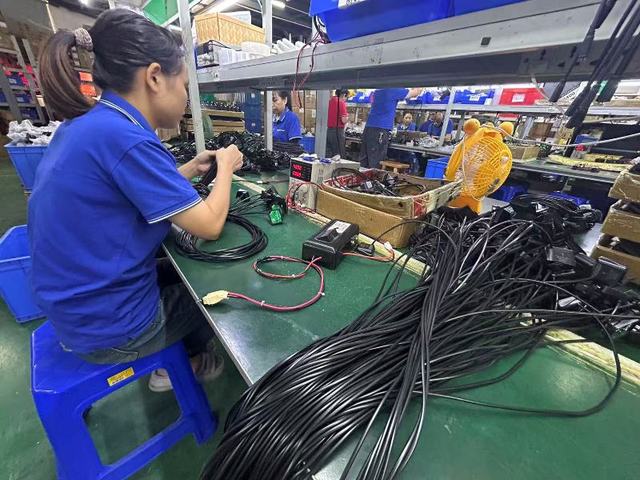
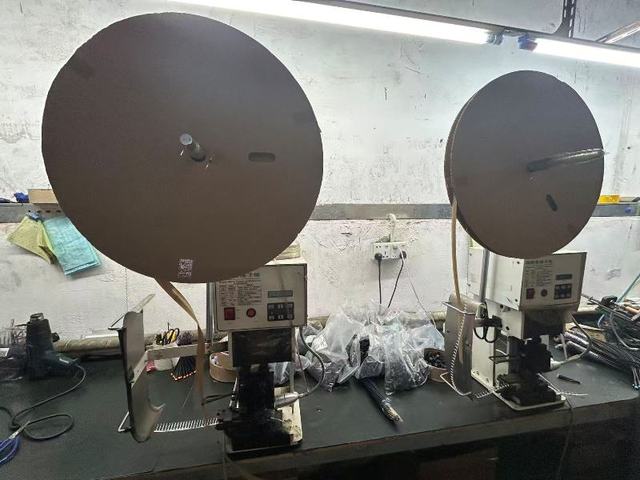
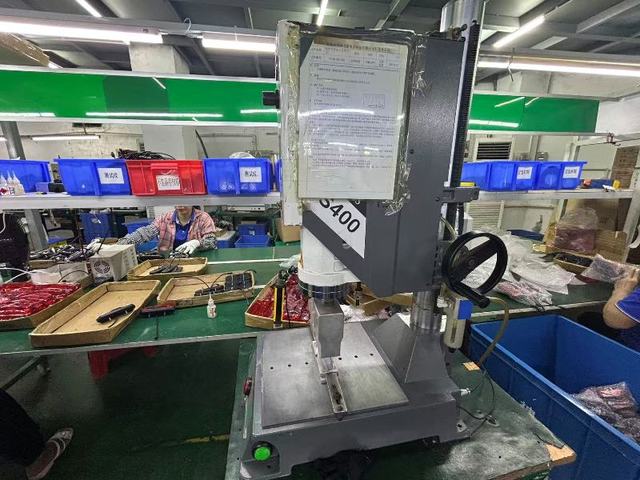
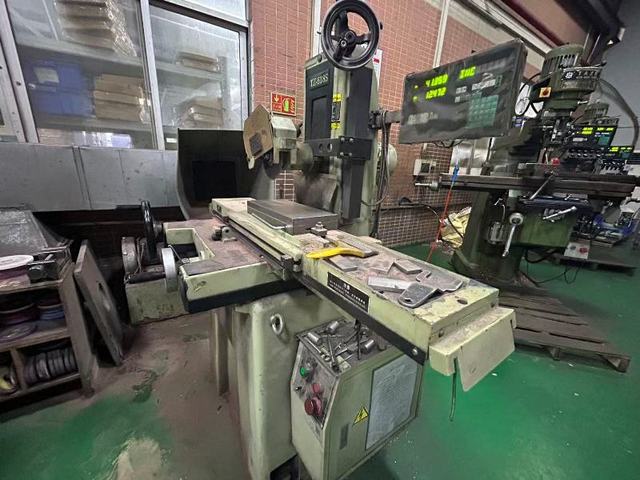
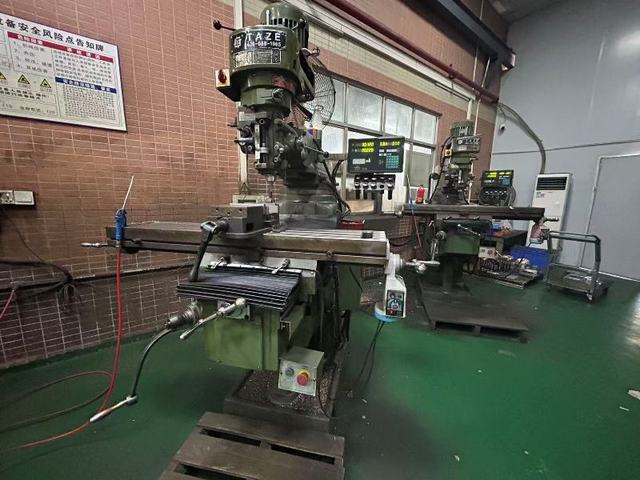
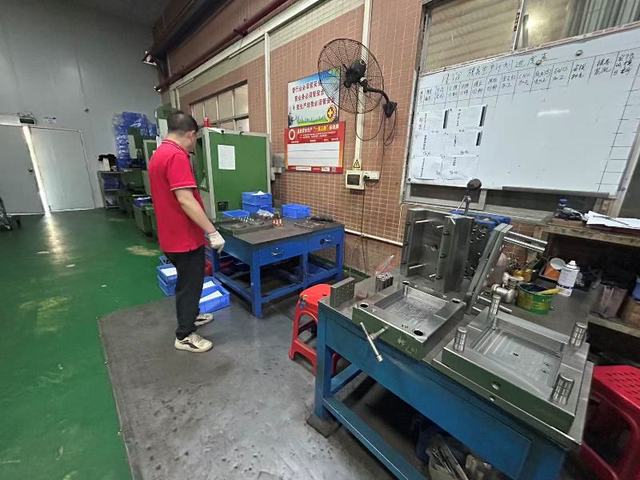
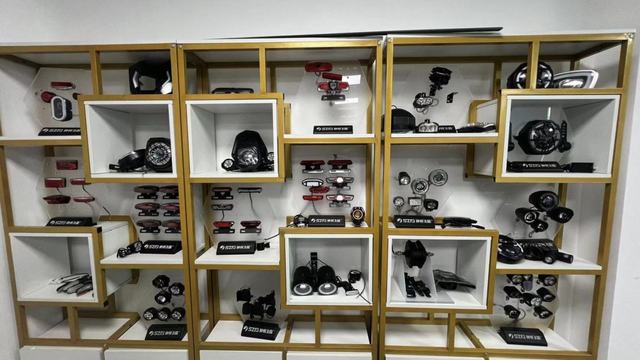
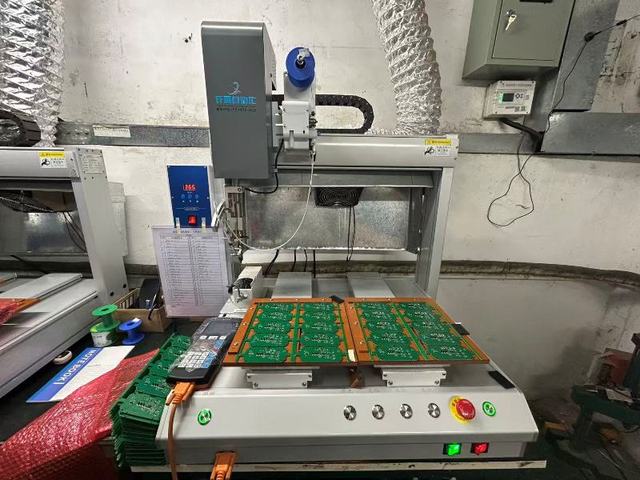
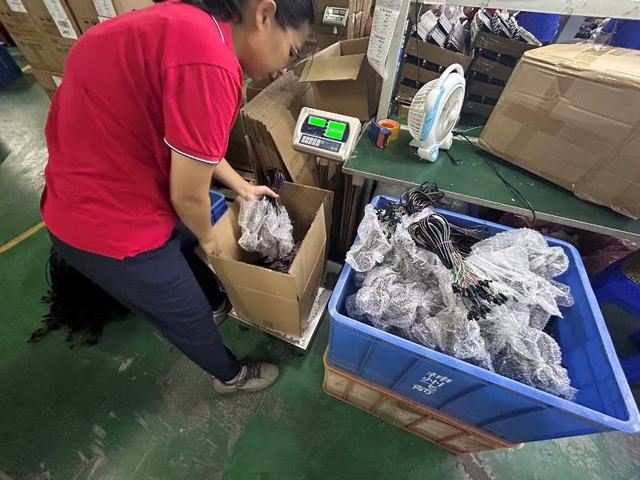
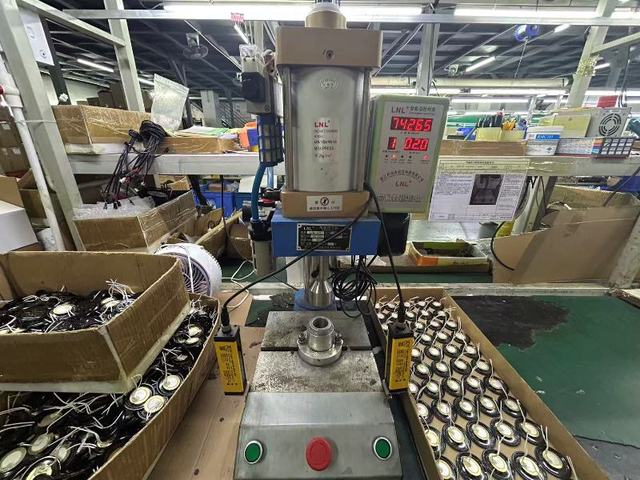
Our ISO/IATF 16949-certified manufacturing facility implements high-precision surface mount technology (SMT), cleanroom lens injection molding, and automated robotic sealing lines. Explore our production lines and test laboratories below:
Procurement directors and engineering teams at Tier-1 automotive suppliers and EV OEMs face unique challenges when choosing a manufacturing partner. At Hangzhou EV Light, we address these specific pain points through robust processes and supply chain maturity.
| Procurement Challenge | Industry Standard Problem | Hangzhou EV Light Engineering Solution |
|---|---|---|
| Regulatory Approval (ECE/SAE) | Delays in project timelines due to compliance test failures in foreign laboratories. | Pre-compliance validation in our ISO-certified darkrooms prior to sending components for official E-mark or DOT approval. |
| Hermetic Sealing & Waterproofing | Moisture ingress (condensation) leading to premature diode short-circuits. | Ultrasonic welding and multi-layer structural potting to ensure stable, certified IP69K sealing performance. |
| CAN-bus Compatibility | Dashboard error codes and high-frequency flickering caused by low driver resistance. | Integrated EMC-safe constant current drivers with built-in resistors and suppression capacitors. |
| Supply Chain Predictability | Unstable component delivery schedules impacting assembly line production. | End-to-end component tracking, close supplier agreements for chips, and robust inventory systems. |
Every electric vehicle design language represents a distinct brand statement. We offer a highly structured OEM and ODM development cycle that matches the fast product-launch schedules expected by modern mobility brands.
Working from customer styling files (CAD, CATIA, or step format), our industrial designers develop optical and mechanical structures. We utilize simulation software like LucidShape to run simulated photometric traces, predicting optical outputs before physical prototyping begins.
We perform rapid SLA prototyping, CNC machining, and silicon tool molding to fabricate physical prototypes. A thorough Design Failure Mode and Effects Analysis (D-FMEA) is completed to identify and resolve potential failure modes in early project stages.
Steel injection molds are manufactured in-house. Our automated SMT lines build customized PCB assemblies, which are then robotically encapsulated. We execute the PPAP (Production Part Approval Process) Level 3 submission pack for OEM customer sign-off.
Quality is not an afterthought; it is built into our operational workflow. Our components undergo intense stress-testing programs, including thermal cycling (-40°C to +85°C), high-pressure water spray tests, UV radiation exposure chambers, and salt-mist corrosion tests.
As vehicles transition towards higher levels of autonomy, side marker lights are shifting from static warning systems to interactive safety elements. Our R&D division is focused on the integration of smart functions that communicate with pedestrians and surrounding traffic infrastructure.
Integrating local interconnect network (LIN) transceivers inside marker light assemblies. This allows individual markers to communicate diagnostics back to the vehicle's body control module (BCM), indicating faults or localized status indicators instantly.
Exploring the placement of small radar elements and distance sensors within the side marker housing. This utilizes existing vehicle openings to improve vehicle surround-sensing capabilities, without requiring extra body modifications.
Developing multi-colored (amber, blue, green) side markers. These are designed to reflect the vehicle's state of charge during plug-in operations or to visually indicate autonomous-driving modes to nearby road users.
Our side marker lights are engineered to meet and exceed global regulatory standards. Depending on the custom requirements, we provide components fully certified under DOT/FMVSS-108 (for North America), ECE R48 & R91 (for Europe), and CCC (for China). Testing documentation and validation reports can be supplied during the PPAP process.
Modern EV drivetrains generate significant electromagnetic interference. Our engineering team designs all internal LED driving boards to meet CISPR 25 Class 3 or Class 5 limits. We employ low-emission switching components and shielding layout techniques to prevent interference with other critical high-frequency sensors on the vehicle.
Yes. Through our ODM program, we offer complete styling customization. This includes designing custom inner light pipes, textured diffusers, outer styling rings, and custom color-shifting effects (such as progressive amber sequences for turning, paired with solid amber or white markers).
Typically, the design-to-sample stage takes 4 to 6 weeks. Following design approval, tool manufacturing requires 6 to 8 weeks, with prototype validation occurring immediately after. Mass production setup and scheduling depend on the project volume requirements, but typically ship within 4 weeks of final approval.
We utilize high-efficiency ultrasonic welding to seal the PMMA or PC lens to the ABS/PC housing, creating a single continuous part. For extreme environments, we utilize liquid polyurethane potting around the electronics bay, ensuring complete protection from moisture, salt fog, and high-pressure steam cleaners.
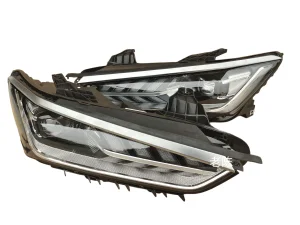
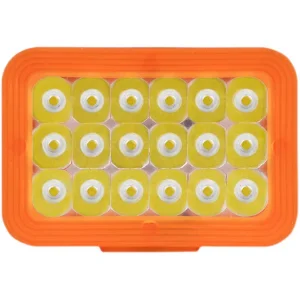
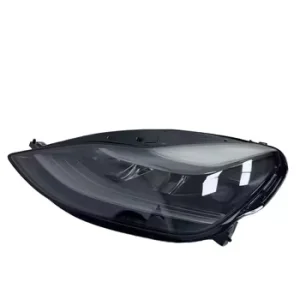
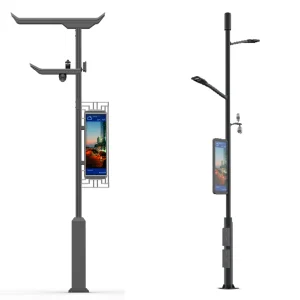
Explore our broader product collection, featuring automotive safety indicators, robust control modules, and smart infrastructure components developed for global clients.
 EV Light