Premium OEM/ODM hardware solutions designed for global automotive integration, sustainable infrastructure, and advanced smart systems.
Years Engineering Experience
IATF 16949 Compliant
Exporting Destinations
Monthly Factory Capacity
The global shift toward electrification has fundamentally changed vehicle lighting paradigms. While legacy Internal Combustion Engine (ICE) vehicles prioritized simple visibility and styling, Electric Vehicles (EVs) treat signal illumination as a vital system for active safety, thermoregulation, and human-machine interaction (HMI).
EV signal illumination encompasses exterior turning arrays, adaptive brake indicators, dynamic charging status indicators, and side-marker systems. The market is driven by strict demands for low-power consumption to optimize battery range, and the integration of autonomous-ready sensors (like ADAS and LiDAR) directly into headlamp and signal assemblies.
As tier-1 suppliers and OEMs shift toward software-defined vehicles, signal lights have evolved from static indicator bulbs into interactive matrix systems that communicate with pedestrians and surrounding cars. This transition requires manufacturers to possess advanced expertise in optical simulations, thermal dissipation metrics, and CAN/LIN bus communication protocols.
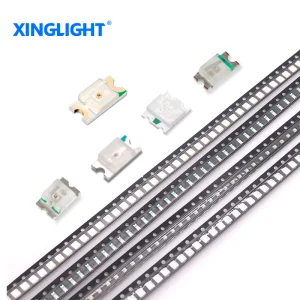
Regulatory frameworks such as the UN ECE R148/R149/R150 and the US Federal Motor Vehicle Safety Standard (FMVSS) No. 108 have set new benchmarks for signal light performance. Simultaneously, environmental directives require clean, lead-free surface mount designs (SMDs), prompting B2B buyers to select certified supply chain partners with proven compliance records.
A comprehensive breakdown of engineering developments transforming signal illumination from passive components to active digital systems.
Unlike ICE powertrains, EVs lack a front engine compartment to generate constant ambient heat, making cold-weather lens icing and localized heat buildup from high-intensity LEDs significant challenges. We design custom aluminum PCBs (MCPCBs) paired with high thermal conductivity interfaces (TCIs) to limit thermal resistance to less than 1.5 K/W, ensuring constant lumen output and a lifetime exceeding 50,000 operational hours.
Using adaptive driving beam (ADB) frameworks, our matrix signal modules dynamically shape the light path. Individual LED chips are independently controlled via PWM (Pulse Width Modulation) drivers. This enables adaptive turn signaling and projection indicators that alert nearby road users of pedestrian crossings or vehicle braking, preventing accidents before they occur.
Modern electrical architectures in EVs rely on CAN-FD, LIN, and Automotive Ethernet. Our smart signal lights feature integrated microcontrollers (MCUs) that interpret diagnostic messages directly from the Body Control Module (BCM). This supports real-time diagnostic reporting, dynamic startup animations, and adaptive duty cycle modulations tailored to ambient lighting conditions.
Hangzhou EV Light Co., Ltd. is a professional China electric vehicle lighting manufacturer specializing in EV LED lighting and smart automotive lighting solutions for the rapidly evolving new energy vehicle industry. With a strong commitment to innovation, performance, and reliability, we provide advanced lighting technologies that enhance vehicle safety, energy efficiency, functionality, and visual appeal.
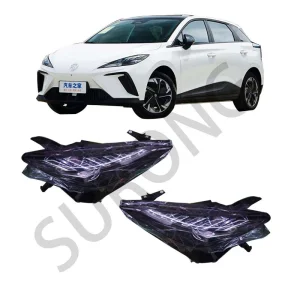
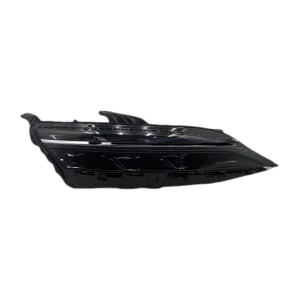
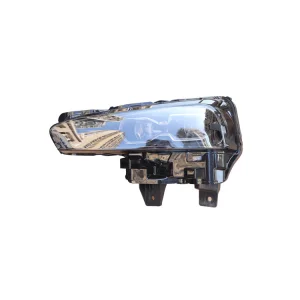
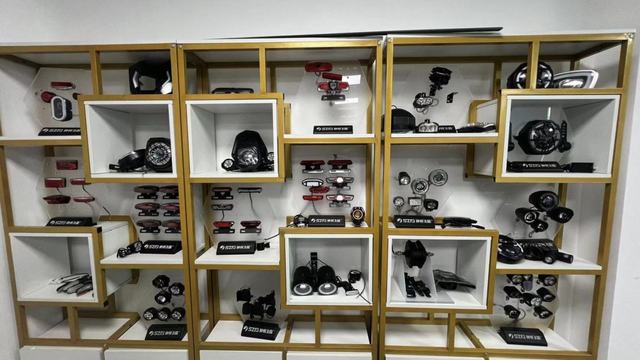
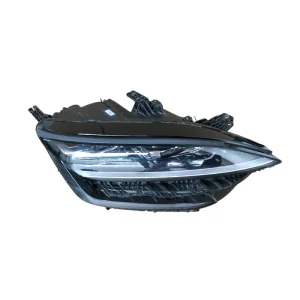
Our product portfolio includes EV headlight systems, taillight assemblies, daytime running lights, signal lighting, interior ambient lighting, charging status indicators, smart lighting modules, and customized automotive lighting solutions. Designed to meet the requirements of modern electric vehicles, our products are widely used in passenger EVs, commercial electric vehicles, electric buses, electric motorcycles, electric scooters, and emerging smart mobility applications.
At Hangzhou EV Light, we combine advanced engineering expertise with modern manufacturing capabilities to develop lighting solutions that deliver superior brightness, durability, and energy efficiency. Our experienced research and development team continuously explores new technologies in intelligent lighting control, adaptive lighting systems, LED integration, and automotive electronics to support the future of electric transportation.
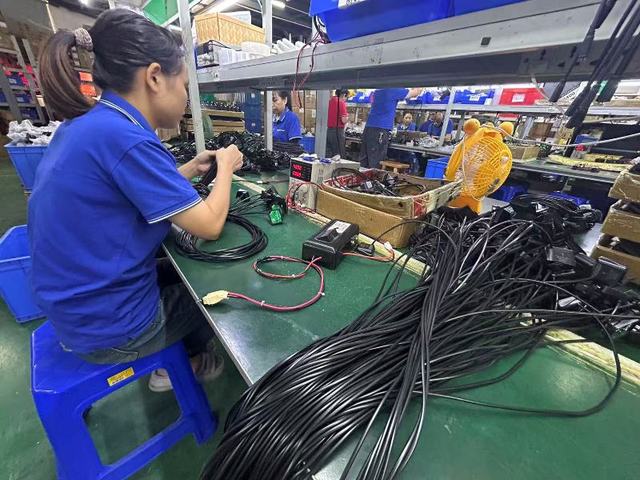
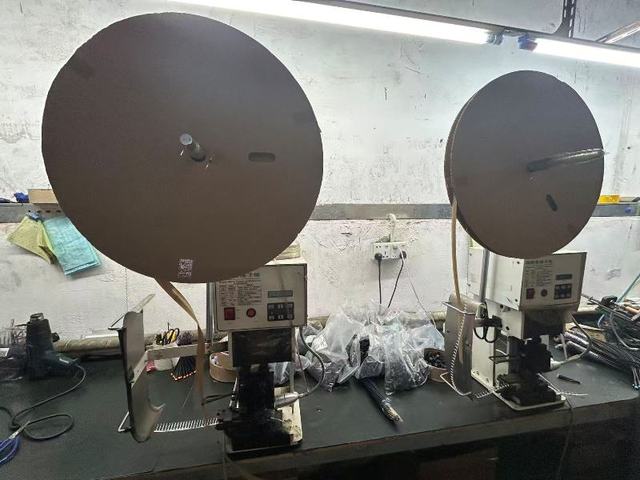
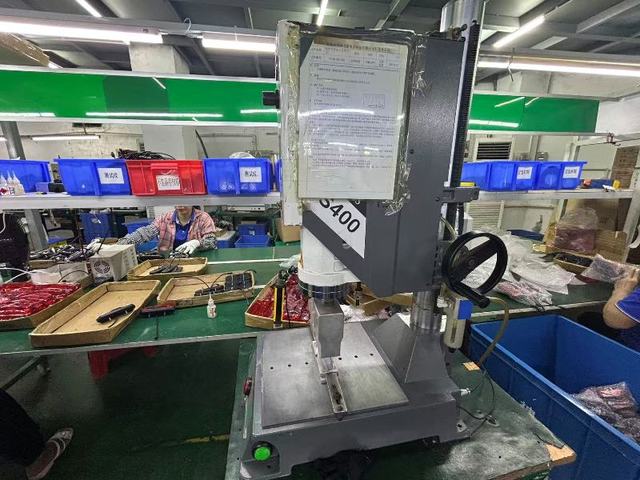
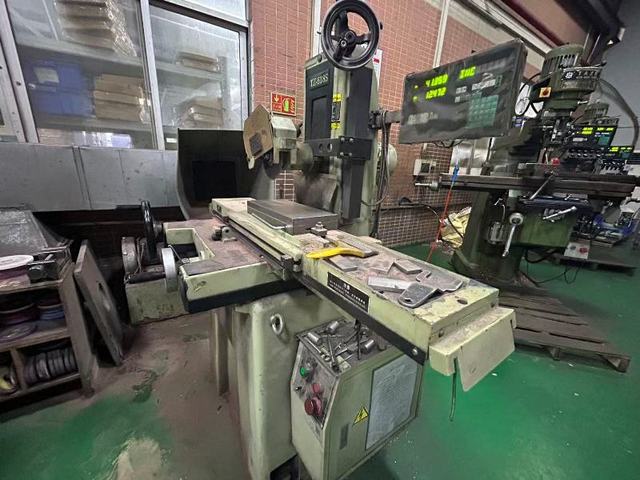
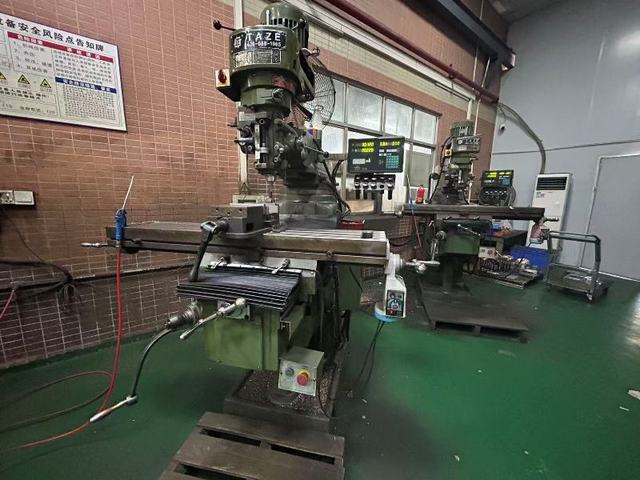
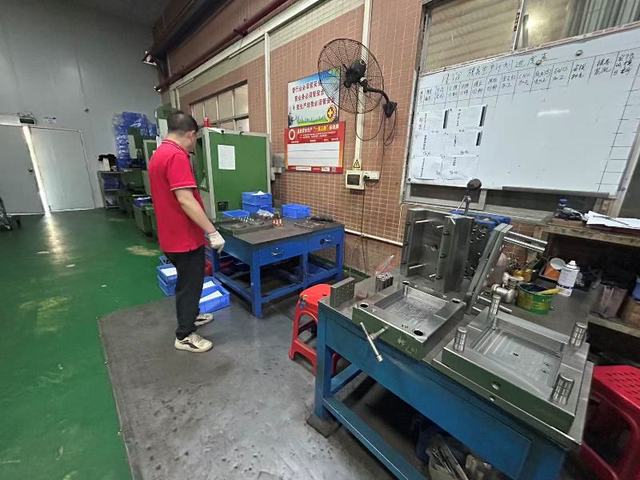
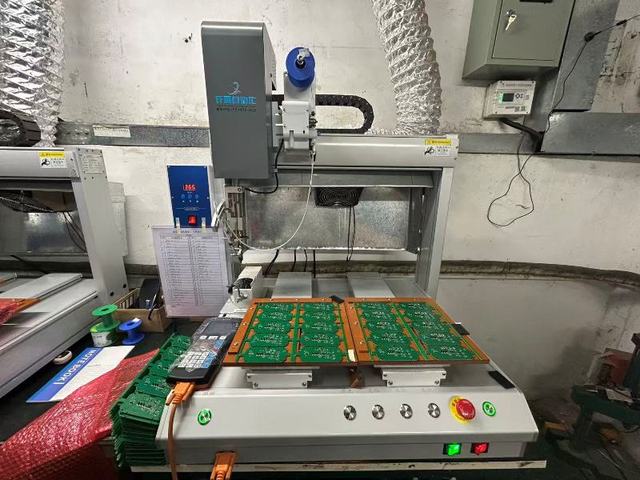
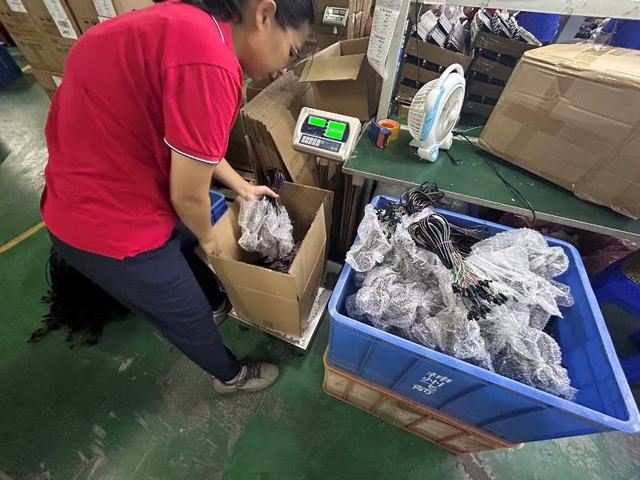
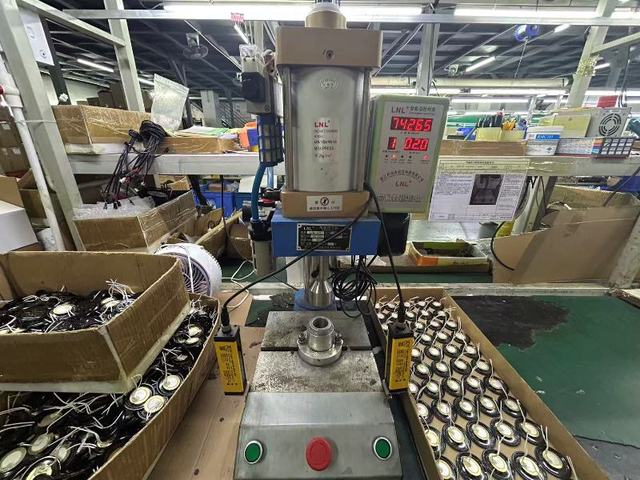
Quality is at the core of our operations. From component sourcing and product development to production and final testing, every stage follows strict quality management procedures to ensure consistent performance and compliance with international automotive standards. Our manufacturing facility is equipped with advanced production and testing equipment, enabling us to provide reliable products for demanding automotive environments.
We offer comprehensive OEM and ODM services for vehicle manufacturers, automotive suppliers, distributors, and mobility brands worldwide. Whether customers require customized designs, private-label production, or large-scale manufacturing, our flexible production capabilities support projects of various sizes and specifications.
Serving clients across North America, Europe, Southeast Asia, the Middle East, and other global markets, Hangzhou EV Light Co., Ltd. is dedicated to delivering innovative electric vehicle lighting solutions that contribute to safer, smarter, and more sustainable transportation. Our mission is to become a trusted global partner in advanced automotive lighting technology and smart mobility innovation.
Providing end-to-end integration designs that align vehicle components with global smart city infrastructures.
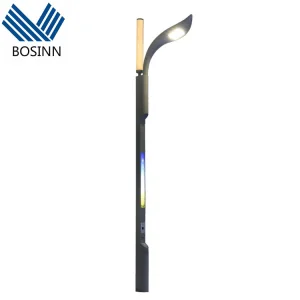
By blending vehicle-to-everything (V2X) signals with smart city infrastructures (such as 5G intelligent poles and NB-IoT road lamps), our signaling components can sync directly with local infrastructure networks to optimize driver visibility and traffic patterns in urban areas.
For heavy transport systems like electric buses and light commercial vehicles, we offer industrial-grade tail lamps and indicator panels engineered to endure high vibrations and extreme temperatures, preventing unplanned downtime.
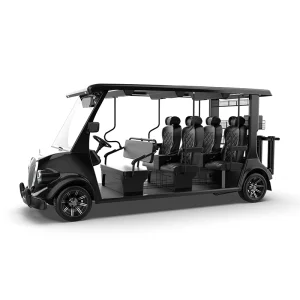
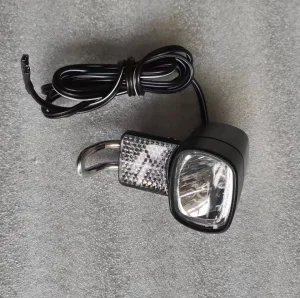
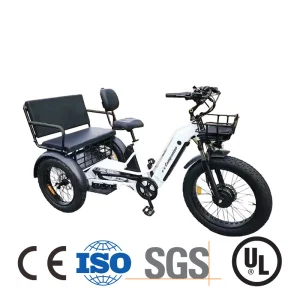
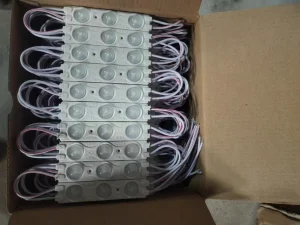
Providing light and compact LED modules for scooters, bicycles, and golf carts. These systems operate at high voltage levels (up to 72V) to integrate directly into micro-mobility battery setups without needing step-down converters.
Automotive lighting systems must operate reliably across diverse environments, from freezing northern winters to humid equatorial regions. Our engineering team designs solutions tailored to these conditions:
Insights and engineering support for procurement managers, tier-1 suppliers, and product designers.
Explore our complete product catalog, ranging from passenger vehicle components to solar power backups and micro-mobility accessories.
 EV Light