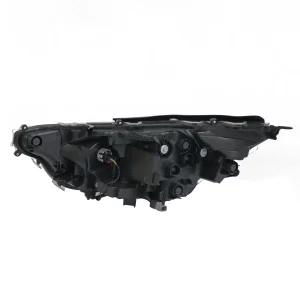
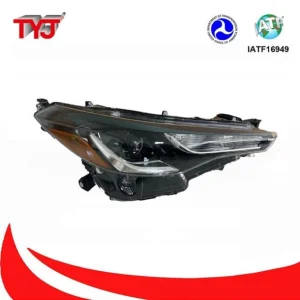
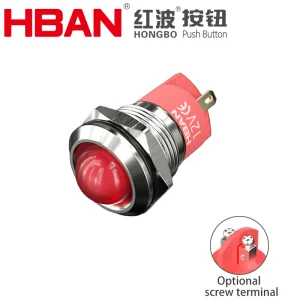
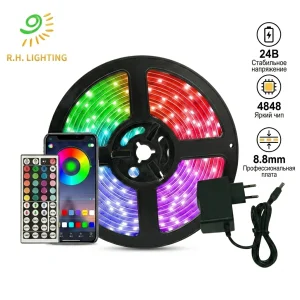
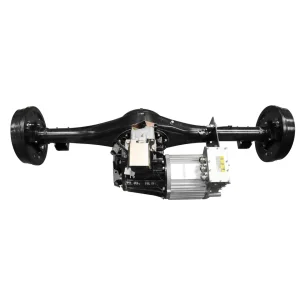
Discover our highly efficient automotive lighting assemblies, traffic signs, industrial indicators, and new energy power system components designed for demanding applications.
The global transition to Electric Vehicles (EVs) has redefined the cabin space from a traditional mechanical cockpit to an advanced, mobile living space. Within this context, EV interior illumination has transcended its original purpose of simple visibility. Modern ambient lighting is now a core component of the Human-Machine Interface (HMI), acting as a functional feedback system, warning system, and customizable brand identifier for next-generation automobiles. As autonomous driving capabilities mature, the interior becomes an area for relaxation, productivity, and connection, rendering intelligent light guides and interactive smart surfaces crucial.
For B2B procurement professionals, Tier 1 suppliers, and automotive manufacturers, finding verified, technologically advanced EV interior illumination factories is a strategic imperative. The transition from ICE (Internal Combustion Engine) to EV brings strict energy efficiency requirements. Every milliwatt matters when configuring the battery management systems (BMS) of long-range EVs. Consequently, modern interior ambient lighting must utilize high-efficiency micro-LEDs, specialized pulse-width modulation (PWM) control protocols, and thermal dissipation systems that guarantee over 50,000 hours of continuous operations without heat or light degradation.
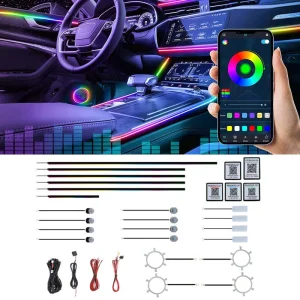
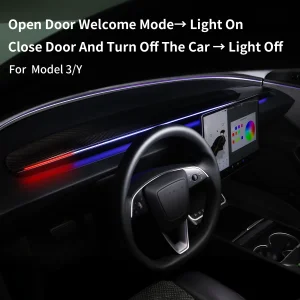
Dynamic lightbars shift colors to represent charging status, blind-spot monitoring, and lane-keeping assist indicators for maximum safety.
Fully integrated localized interconnect networks allow seamless integration with the central EV computing unit for synchronized lighting profiles.
Advanced flex-PCB strips and injection-molded light guides allow seamless installation inside tight door panel gaps and panoramic roofs.
Global procurement teams from Europe, North America, and Southeast Asia look beyond aesthetics when choosing an EV interior illumination exporter. In the automotive sector, reliability and strict certification adherence are critical. To qualify as a Tier 1 or Tier 2 supplier, factories must demonstrate advanced engineering practices. This involves meeting specific technical requirements:
1. IATF 16949 Certification: The cornerstone quality management standard for automotive component manufacturing. Without this, no factory can enter the global OEM supply chain.
2. AEC-Q100 Qualification: All integrated circuits, driver ICs, and LED chips utilized in interior modules must pass rigorous stress testing to guarantee long-term reliability in fluctuating temperatures (-40°C to +85°C).
3. ISO 26262 (Functional Safety): With the rise of safety-relevant lighting indicators (e.g., ADAS visual warning systems), lighting control modules must conform to Automotive Safety Integrity Levels (ASIL).
Furthermore, color consistency is critical for premium automotive interiors. Color deviation is measured using standard SDCM (Standard Deviation of Color Matching). Leading exporters utilize automated optical sorting systems to ensure all LEDs fall within a 3-step MacAdam ellipse, maintaining uniform hue across door trims, footwells, and consoles. Energy conservation is another major priority: modern light guides must optimize coupling efficiency, ensuring maximum candela output with minimal drive current, keeping total power usage for ambient systems below 15 Watts.
China has emerged as the global epicenter for electric vehicle innovation, driving rapid advancements in the supply chain for supporting sub-systems. Hangzhou EV Light Co., Ltd. stands at the forefront of this industrial cluster in Zhejiang, utilizing a strong regional supply network of high-purity polycarbonate resin for optical light guides, local semi-conductor packing services, and automated PCB production facilities.
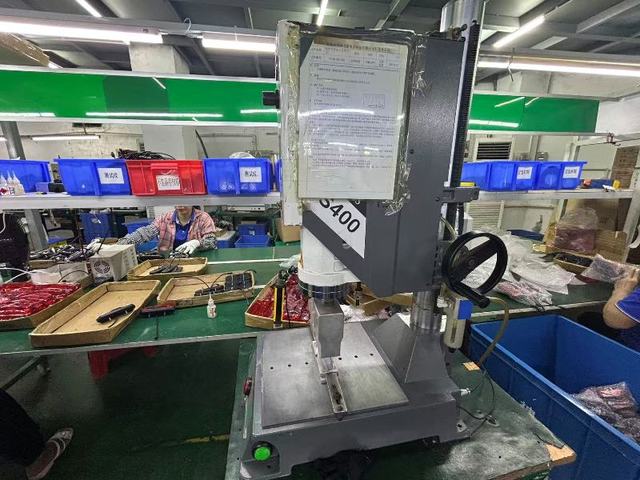
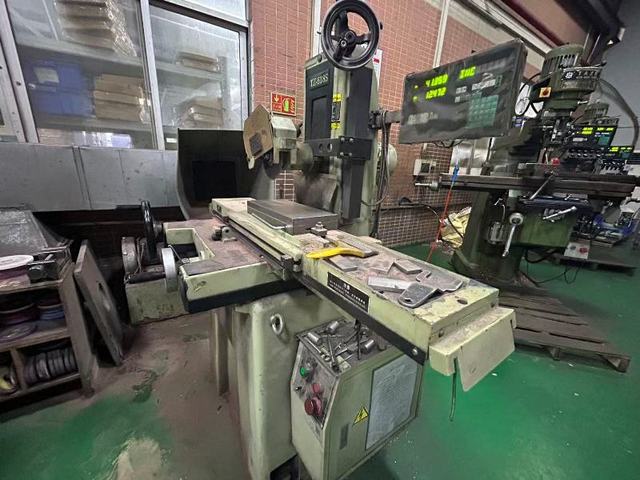
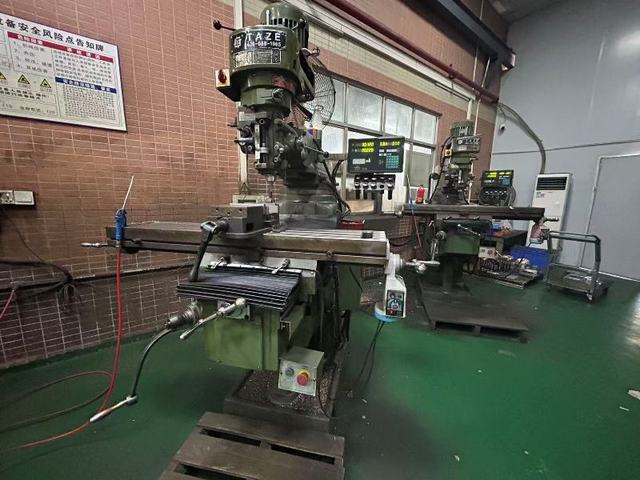
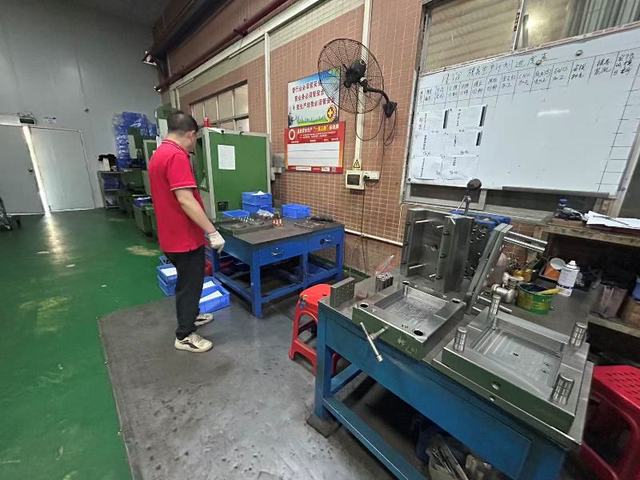
As a professional China electric vehicle lighting manufacturer, the company has integrated its raw material sourcing, optical design, thermal engineering, and injection molding under one comprehensive quality framework. This vertical integration allows Hangzhou EV Light to reduce lead times for custom tooling and design iterations, accelerating the transition from digital CAD rendering to physical production-grade prototyping.
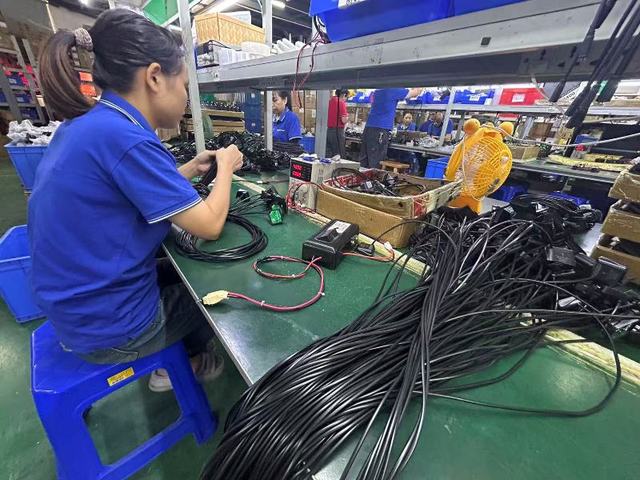
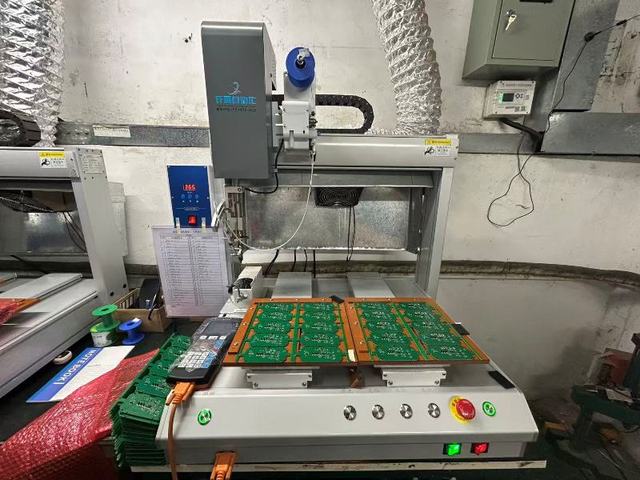
By optimizing assembly pathways, the factory achieves scale efficiency without compromising quality, making high-end smart ambient lighting systems accessible for both premium passenger EVs and commercial transit electric buses. The integration of advanced optical laboratory instrumentation—including goniophotometers, integrating spheres, and environmental thermal chambers—ensures all prototype designs undergo thorough validation before mass production.
Exporting automotive lighting components globally requires navigating diverse international compliance landscapes. For European destinations, modules must fully satisfy ECE Regulations, specifically ECE R118 (flammability standards for interior materials) and ECE R10 (Electromagnetic Compatibility). For North American imports, materials must comply with FMVSS 302 for flammability characteristics and satisfy FCC Part 15 limits regarding electromagnetic emissions.
Hangzhou EV Light Co., Ltd. addresses these challenges by offering localized compliance validation. The company collaborates with accredited certification agencies to provide complete documentation (E-Mark, DOT/SAE, RoHS, and REACH dossiers). This ensures smooth integration into global assembly lines, preventing delays during customs clearance or vehicle homologation processes.
Additionally, modern supply chain management requires flexible cross-border logistics. By utilizing proximity to major shipping ports like Shanghai and Ningbo, Hangzhou EV Light ensures cost-effective freight options. They support diverse delivery terms, including FOB, CIF, DDP, and integrated warehousing solutions, allowing customers to synchronize shipments with modern Just-In-Time (JIT) automotive production schedules.
Hangzhou EV Light Co., Ltd. is a professional China electric vehicle lighting manufacturer specializing in EV LED lighting and smart automotive lighting solutions for the rapidly evolving new energy vehicle industry. With a strong commitment to innovation, performance, and reliability, we provide advanced lighting technologies that enhance vehicle safety, energy efficiency, functionality, and visual appeal.
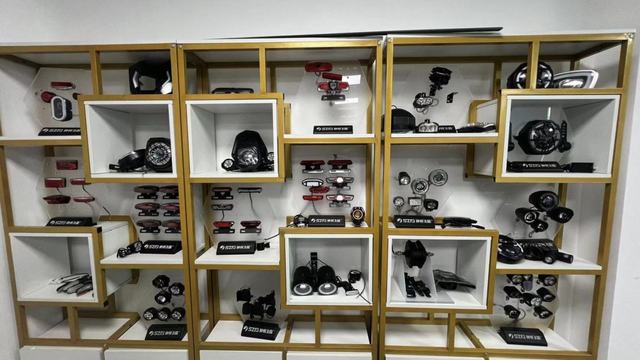
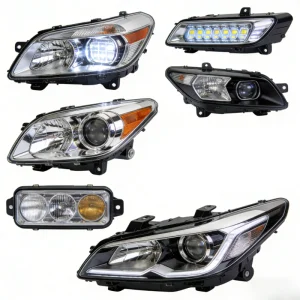
Our product portfolio includes EV headlight systems, taillight assemblies, daytime running lights, signal lighting, interior ambient lighting, charging status indicators, smart lighting modules, and customized automotive lighting solutions. Designed to meet the requirements of modern electric vehicles, our products are widely used in passenger EVs, commercial electric vehicles, electric buses, electric motorcycles, electric scooters, and emerging smart mobility applications.
At Hangzhou EV Light, we combine advanced engineering expertise with modern manufacturing capabilities to develop lighting solutions that deliver superior brightness, durability, and energy efficiency. Our experienced research and development team continuously explores new technologies in intelligent lighting control, adaptive lighting systems, LED integration, and automotive electronics to support the future of electric transportation.
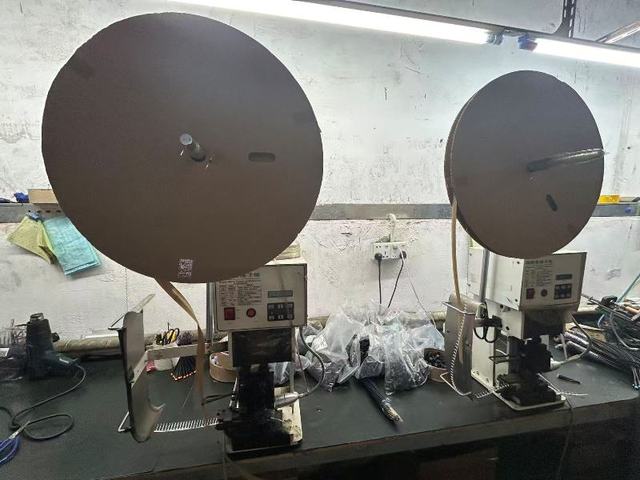
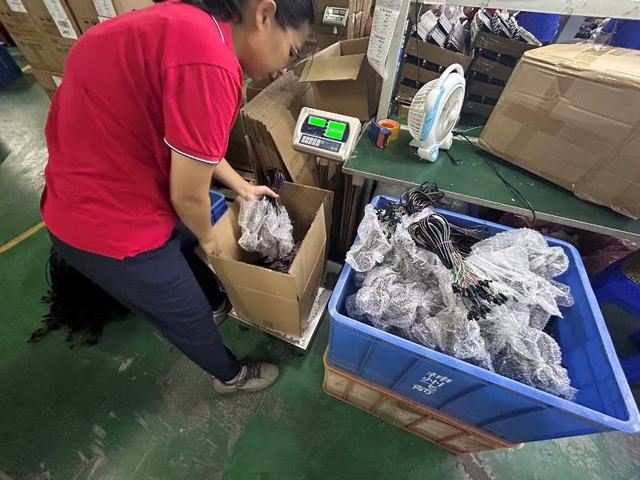
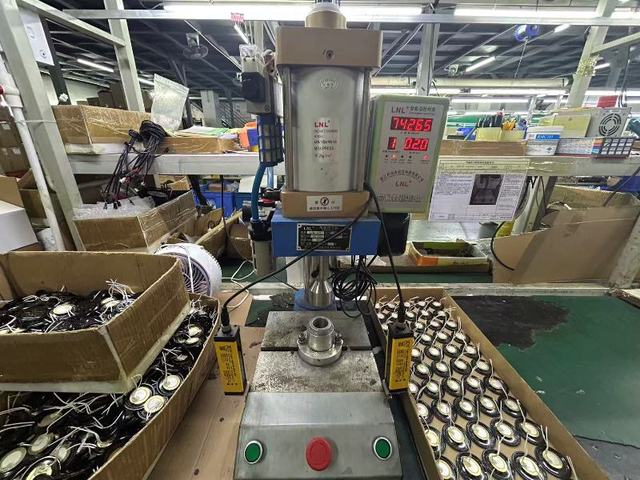
Quality is at the core of our operations. From component sourcing and product development to production and final testing, every stage follows strict quality management procedures to ensure consistent performance and compliance with international automotive standards. Our manufacturing facility is equipped with advanced production and testing equipment, enabling us to provide reliable products for demanding automotive environments.
We offer comprehensive OEM and ODM services for vehicle manufacturers, automotive suppliers, distributors, and mobility brands worldwide. Whether customers require customized designs, private-label production, or large-scale manufacturing, our flexible production capabilities support projects of various sizes and specifications. Serving clients across North America, Europe, Southeast Asia, the Middle East, and other global markets, Hangzhou EV Light Co., Ltd. is dedicated to delivering innovative electric vehicle lighting solutions that contribute to safer, smarter, and more sustainable transportation. Our mission is to become a trusted global partner in advanced automotive lighting technology and smart mobility innovation.
Several emerging trends are shaping the future of EV interior ambient lighting:
1. Smart Surfaces and Integrated Capacitive Touch: Automotive designers are integrating ambient light guides directly underneath textile, wood, or synthetic leather panels. When inactive, the surface looks solid; when touched or triggered, dynamic LEDs illuminate through the material, combining switch functionality and visual feedback.
2. Personalized Color Gradients: Instead of simple single-color options, modern EV owners expect customizable multi-zone lighting gradients. This requires addressable RGB LEDs (often using 3-wire SPI or advanced LIN bus architectures) to enable smooth color transitions across different vehicle sections.
3. Biometric and Environmental Synchronization: Advanced interior lighting systems integrate with the vehicle’s cabin camera and physiological monitoring sensors to adjust brightness, color temperature, and pulse rate based on driver fatigue, mood, or external sunlight conditions, enhancing safety and wellness.
Professional B2B answers to technical, commercial, and regulatory concerns commonly raised by international automotive procurement officers.
For initial CAD modeling and optical layout simulation, the design cycle requires 2 to 3 weeks. Once the simulation is approved by the client, rapid prototyping using 3D printing and quick-turn injection molds takes approximately 3 to 4 weeks. Full production-grade tooling runs require 8 to 10 weeks, depending on the complexity of the interior modules.
We enforce strict BIN sorting policies for all imported and local LED chips. Binning criteria are limited to within a 3-step MacAdam Ellipse (SDCM < 3) to ensure no perceptible color variation exists between the door card light guides, the instrument panel ambient line, and the footwell modules. Automated optical testers inspect 100% of finished assemblies.
Yes, our integrated lighting control micro-controllers support LIN 2.1 / CAN-FD communication protocols. We customize the firmwares to match your specific vehicle network architecture, allowing the central body control module (BCM) to directly address RGB nodes, control dynamic speed patterns, and regulate color transition speeds.
We utilize high-thermal-conductivity metal-core PCBs (MCPCBs) or specialized ceramic substrates for our high-intensity light engine assemblies. Thermal modeling (using ANSYS software) is executed during design to ensure operating junction temperatures of the LEDs remain well below threshold limits, preventing localized hot spots inside vehicle plastic panels.
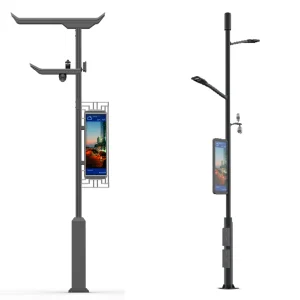
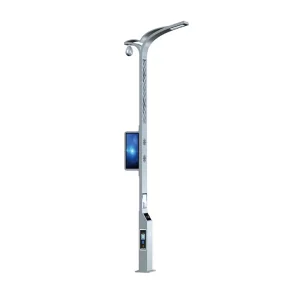
Explore our wider automotive line-up, including smart streetlights, universal headlamp replacements, dynamic interior kits, and integrated drive components.
 EV Light