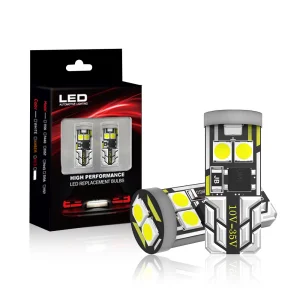
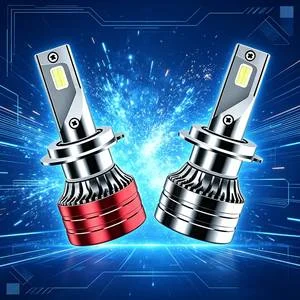
Discover our premium range of solid-state vehicle lighting components, certified to demanding industrial and automotive specifications.
As the automotive sector transitions from traditional Advanced Driver Assistance Systems (ADAS) to absolute SAE Level 4 (L4) and Level 5 (L5) autonomy, the paradigm of automotive lighting has fundamentally transformed. Standard legacy lighting served a solitary purpose: enabling human drivers to see and be seen. In an autonomous landscape, vehicles operate via complex sensor arrays containing LiDAR, radar, cameras, and ultrasonic sensors. Consequently, lighting must now interact intelligently with both onboard machines and surrounding human agents.
This paradigm shift establishes lighting as an active sensor-synergy subsystem and a primary protocol for External Human-Machine Interface (eHMI). The optical architecture of a driverless vehicle must support specialized wavelengths to prevent sensor interference, feature active dynamic signaling to communicate intent to pedestrians, and maintain consistent thermal regulation to guarantee absolute uptime in severe operational envelopes.
Understanding the rigorous technical compliance and sourcing protocols required by tier-1 automotive groups and AV developers globally.
Modern procurement demands strict adherence to ASIL (Automotive Safety Integrity Level) standards. Lighting systems integrated with ADAS logic boards must be qualified to ASIL-B or ASIL-C to ensure fail-operational safety paths.
Every active component on our custom PCB assemblies utilizes semiconductor chips qualified under AEC-Q100/101/200, assuring operation under severe mechanical shock, voltage spikes, and extreme thermal cyclic loading.
With high-voltage EV battery packs, lighting components must not emit electromagnetic interference (EMI) that degrades LiDAR signal integrity. Our turnkey assemblies integrate advanced shielding designs exceeding CISPR 25 Class 5 limits.
Hangzhou EV Light Co., Ltd. is a professional China electric vehicle lighting manufacturer specializing in high-performance solutions.
Hangzhou EV Light Co., Ltd. is a professional China electric vehicle lighting manufacturer specializing in EV LED lighting and smart automotive lighting solutions for the rapidly evolving new energy vehicle industry. With a strong commitment to innovation, performance, and reliability, we provide advanced lighting technologies that enhance vehicle safety, energy efficiency, functionality, and visual appeal.
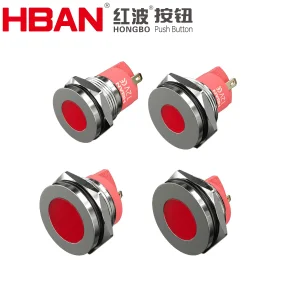
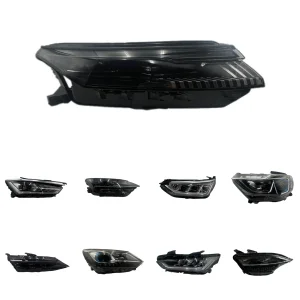
Our product portfolio includes EV headlight systems, taillight assemblies, daytime running lights, signal lighting, interior ambient lighting, charging status indicators, smart lighting modules, and customized automotive lighting solutions. Designed to meet the requirements of modern electric vehicles, our products are widely used in passenger EVs, commercial electric vehicles, electric buses, electric motorcycles, electric scooters, and emerging smart mobility applications.
At Hangzhou EV Light, we combine advanced engineering expertise with modern manufacturing capabilities to develop lighting solutions that deliver superior brightness, durability, and energy efficiency. Our experienced research and development team continuously explores new technologies in intelligent lighting control, adaptive lighting systems, LED integration, and automotive electronics to support the future of electric transportation.
Quality is at the core of our operations. From component sourcing and product development to production and final testing, every stage follows strict quality management procedures to ensure consistent performance and compliance with international automotive standards. Our manufacturing facility is equipped with advanced production and testing equipment, enabling us to provide reliable products for demanding automotive environments.
We offer comprehensive OEM and ODM services for vehicle manufacturers, automotive suppliers, distributors, and mobility brands worldwide. Whether customers require customized designs, private-label production, or large-scale manufacturing, our flexible production capabilities support projects of various sizes and specifications.
Serving clients across North America, Europe, Southeast Asia, the Middle East, and other global markets, Hangzhou EV Light Co., Ltd. is dedicated to delivering innovative electric vehicle lighting solutions that contribute to safer, smarter, and more sustainable transportation. Our mission is to become a trusted global partner in advanced automotive lighting technology and smart mobility innovation.
Visual tour of our production floor, assembly lines, cleanrooms, and testing facilities in Hangzhou, China.
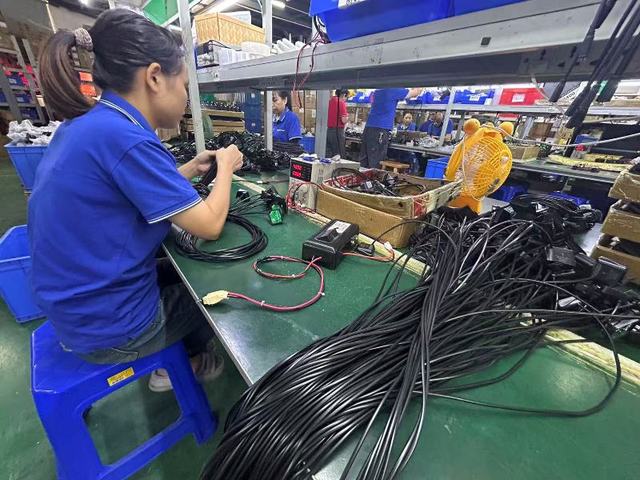
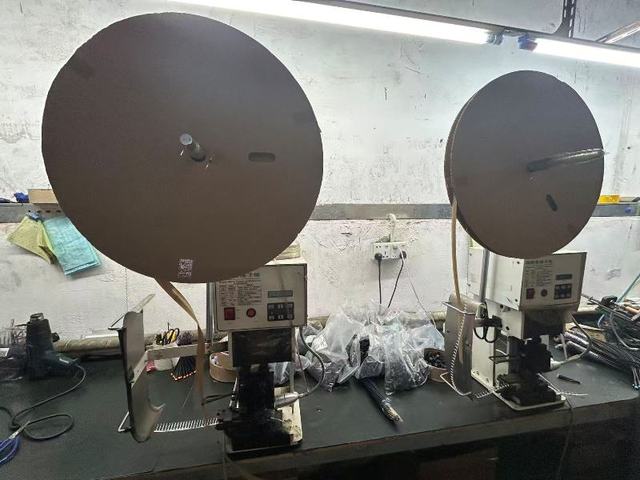
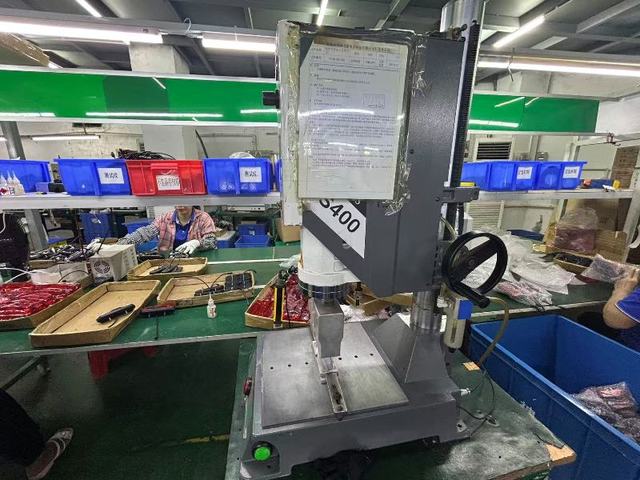
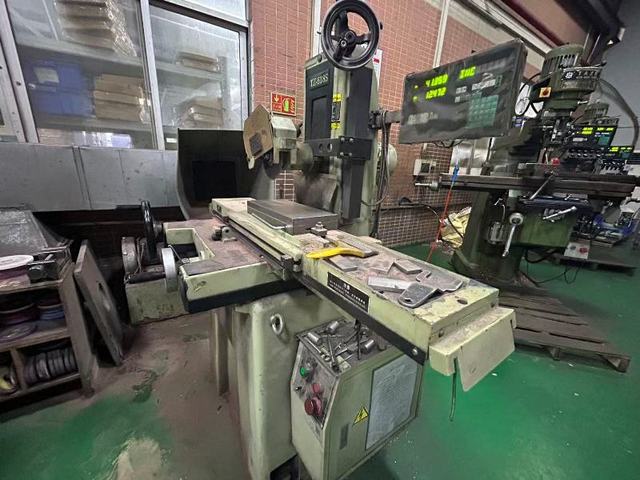
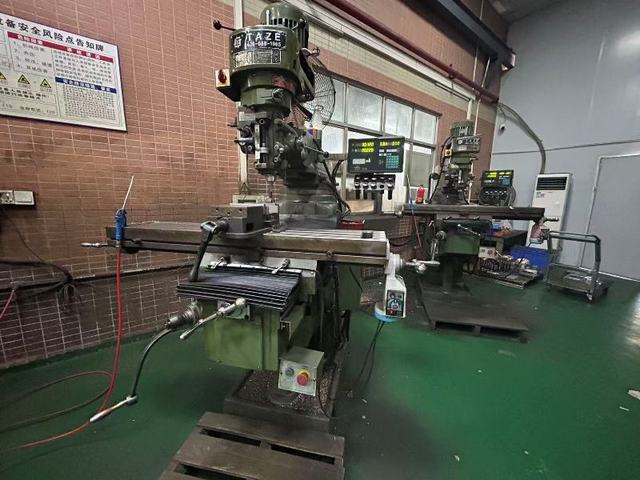
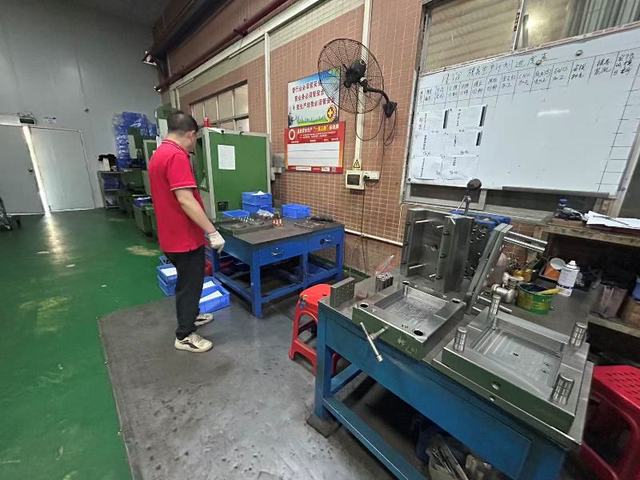
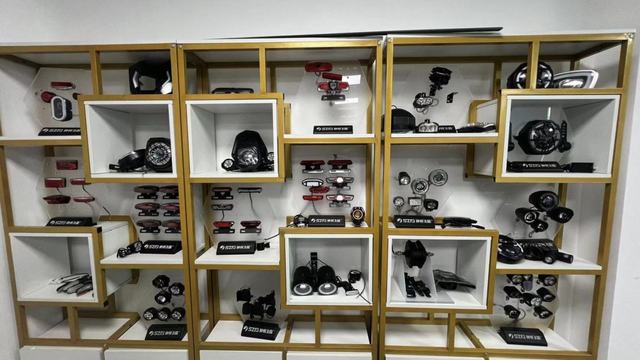
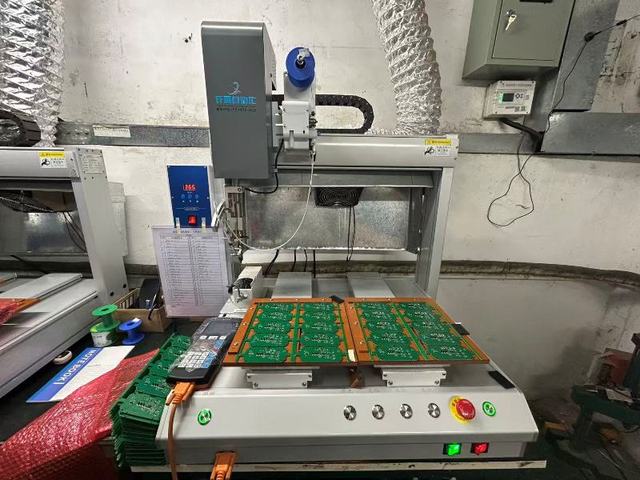
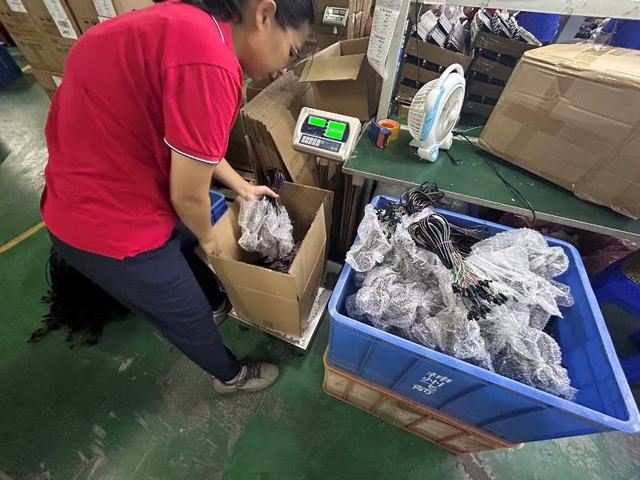
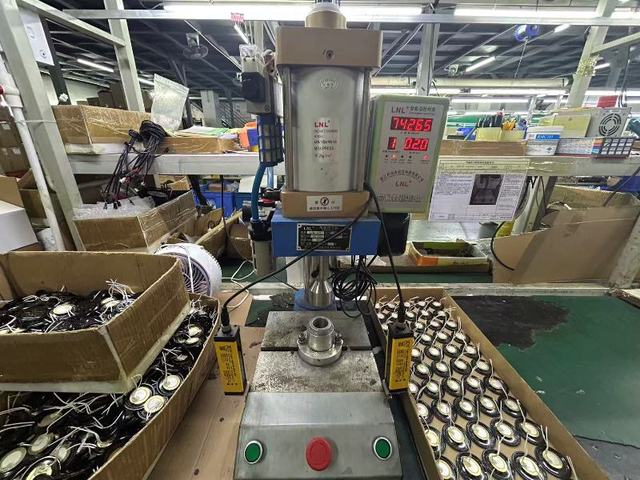
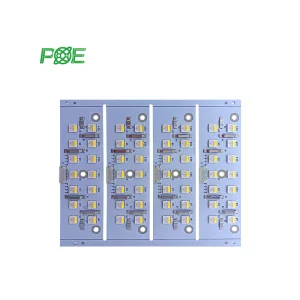
Hangzhou EV Light operates under advanced Industry 4.0 parameters, running automated surface-mount technology (SMT) lines configured specifically for automotive-grade LED printed circuit board assembly (PCBA). By utilizing aluminum substrate structures with extremely low thermal resistance (≤1.0 W/m-K), we secure peak lumens stability and long-term hardware longevity.
Our complete turnkey cycle bridges the gap between early stage prototyping and mass-scale production. From CAD/CAM gerber optimization, raw component sourcing under strict supply chain audits, multilayer PCB manufacturing (ranging from 1 to 40 layers), all the way to automated optical inspection (AOI), X-ray testing, and final housing integration—our systems guarantee that every batch maintains 100% trace-ability.
Tailoring optical properties to match the specialized operational environments of modern mobility systems.
Urban micro-shuttles and robotaxis rely on continuous passenger-pedestrian communications. Our programmable smart LED panels project path indicators and dynamic color-coded visual prompts, resolving pedestrian ambiguity at intersections.
Class-8 self-driving trucks require far-reaching illumination fields to allow onboard camera sensors to parse highway environments at high speed. Our matrix headlights provide active high-beam control focusing on long-range clarity.
Mining, agricultural, and industrial port operations subject equipment to immense vibration, shock, dust, and pressure washes. Our IP69K rated LED modules utilize reinforced polycarbonate lenses and cast aluminum enclosures to survive extreme environments.
Explore additional specialized components designed for electric conversions, urban infrastructure, and personal mobility.
Detailed answers to complex optical, electrical, and commercial queries commonly raised by automotive engineering teams.
 EV Light