Engineered for durability, resilience, and maximum energy conservation, these systems are customized to power the low-carbon public transportation transition in New Zealand.
New Zealand is experiencing a transformative shift in its municipal and regional infrastructure, guided by the Low Emission Bus Decarbonisation Pathway. With major transit agencies such as Auckland Transport (AT), Metlink (Greater Wellington), and Environment Canterbury (ECan) committing to complete fleet electrification by 2035, the pressure on Tier 1 transport operators and OEMs has shifted from basic EV deployment to systematic energy and thermal optimization.
In New Zealand's unique operating environment, passenger safety and vehicle efficiency are deeply intertwined. Unlike traditional diesel fleets, every kilowatt-hour consumed by ancillary components on an electric bus directly compromises vehicle range. Electric Bus Lighting Systems—encompassing exterior headlights, Daytime Running Lights (DRLs), and complex interior ambient lighting circuits—represent a critical area where optimization yields major range returns. Driving through the highly variable terrains of the South Island, or navigating the microclimates of Auckland, vehicles require intelligent lighting systems that offer superior luminance without draining the high-voltage traction batteries.
High-efficiency LED architectures configured with advanced DC-DC buck converters are core to modern electric transit fleets. In typical heavy vehicle electrical configurations, lighting circuits run on a auxiliary low-voltage line (nominally 24V). Designing lighting matrices that optimize the conversion pathway from the vehicle's primary traction pack (ranging from 350V to over 700V DC) requires deep electrical engineering integration.
By implementing intelligent Pulse-Width Modulation (PWM) and LIN-bus (Local Interconnect Network) controllers, our systems reduce consumption by up to 60% compared to first-generation automotive LED designs. Below is a comparative overview of energy performance metrics for heavy vehicle transit lighting:
| Lighting Technology | Energy Consumption (Per Bus) | Luminous Efficacy (lm/W) | Operating Lifespan (Hours) | Maintenance Cycle |
|---|---|---|---|---|
| Legacy Halogen / HID | 850 Watts | 20 - 45 | 2,000 - 5,000 | Frequent (Every 6-12 Months) |
| First Gen LED (Standard) | 350 Watts | 80 - 100 | 25,000 | Intermediate (3 Years) |
| Smart Intelligent LED (Hangzhou EV Light) | 140 Watts | 140 - 180 | 50,000+ | Zero Maintenance (Lifecycle Matched) |
To withstand the intense UV levels characteristic of New Zealand's atmosphere, all outer lens components utilize specialized UV-stabilized polycarbonate materials. This protects against yellowing, micro-cracking, and haze formation, which degrade beam precision over time. Additionally, the integration of intelligent thermal control ensures that the LED junction temperature remains well below 85°C, extending the lifespan to match the design life of the bus chassis itself.
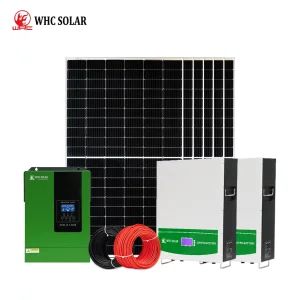
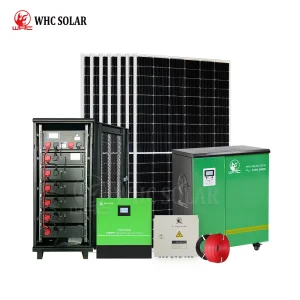
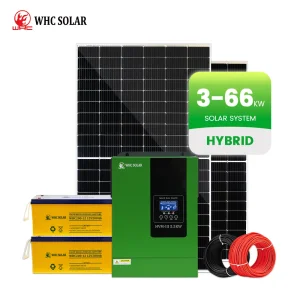
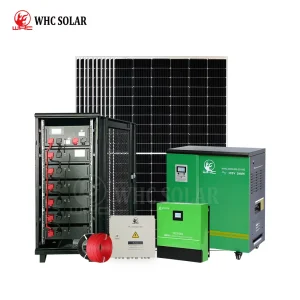
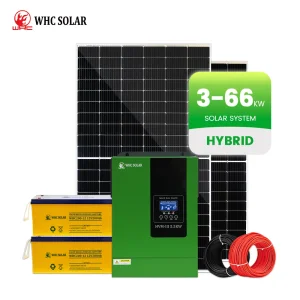
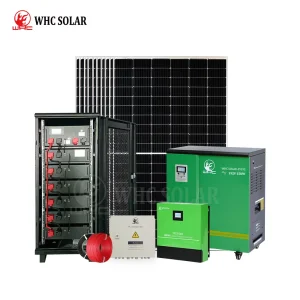
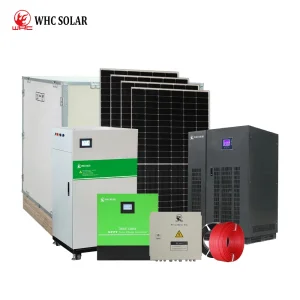
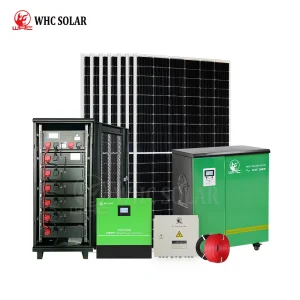
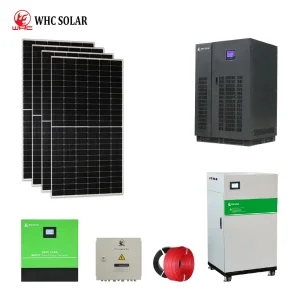
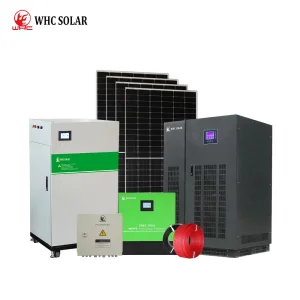
High-efficiency solar integrations and robust battery storage designed to charge fleet depots and illuminate rural transit corridors across New Zealand.
Procuring automotive components for municipal transit demands compliance with rigorous engineering and safety standards. For global manufacturers supplying the New Zealand market, systems must meet both international standards and localized regional constraints. Key technical parameters monitored by fleet operators include:
Hangzhou EV Light Co., Ltd. is a professional China electric vehicle lighting manufacturer specializing in EV LED lighting and smart automotive lighting solutions for the rapidly evolving new energy vehicle industry. With a strong commitment to innovation, performance, and reliability, we provide advanced lighting technologies that enhance vehicle safety, energy efficiency, functionality, and visual appeal.
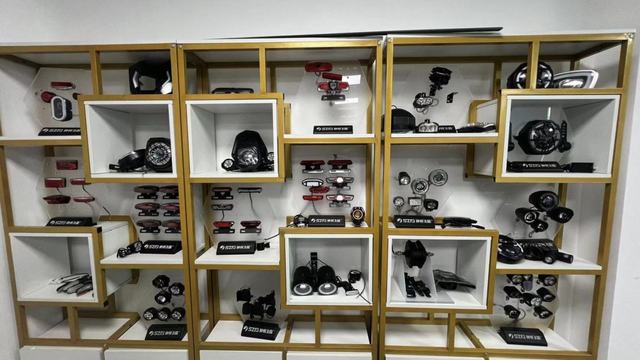
Our product portfolio includes EV headlight systems, taillight assemblies, daytime running lights, signal lighting, interior ambient lighting, charging status indicators, smart lighting modules, and customized automotive lighting solutions. Designed to meet the requirements of modern electric vehicles, our products are widely used in passenger EVs, commercial electric vehicles, electric buses, electric motorcycles, electric scooters, and emerging smart mobility applications.
At Hangzhou EV Light, we combine advanced engineering expertise with modern manufacturing capabilities to develop lighting solutions that deliver superior brightness, durability, and energy efficiency. Our experienced research and development team continuously explores new technologies in intelligent lighting control, adaptive lighting systems, LED integration, and automotive electronics to support the future of electric transportation.
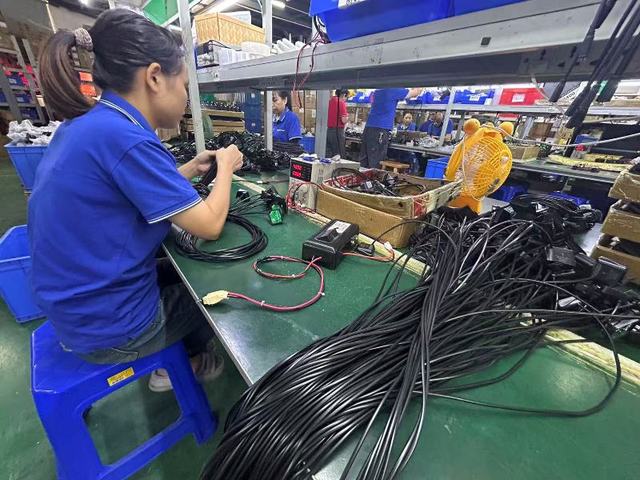
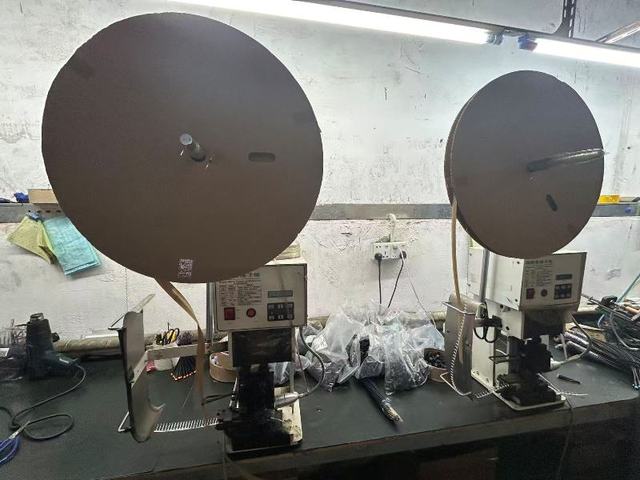
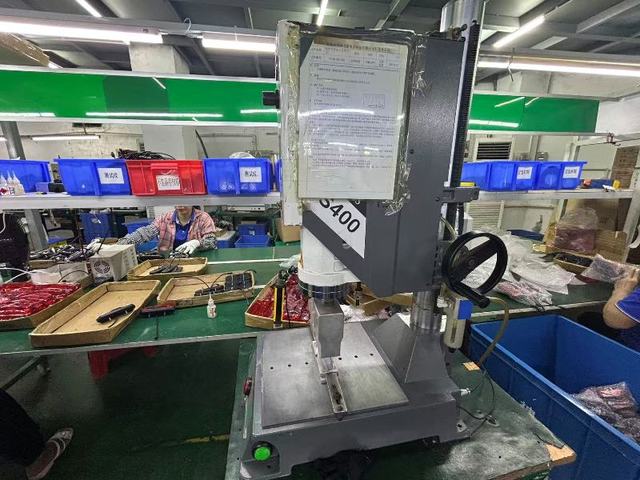
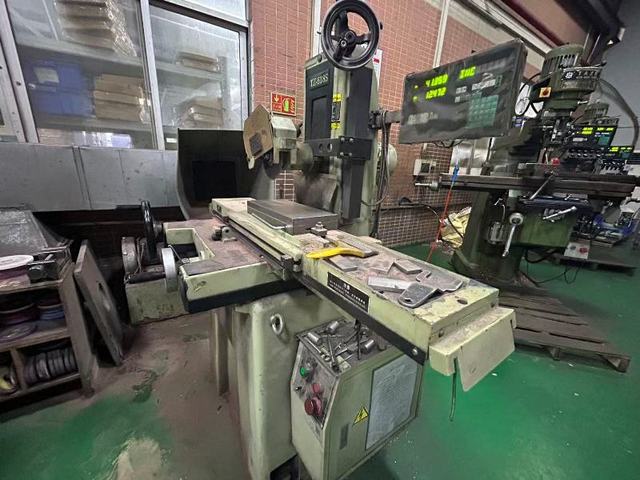
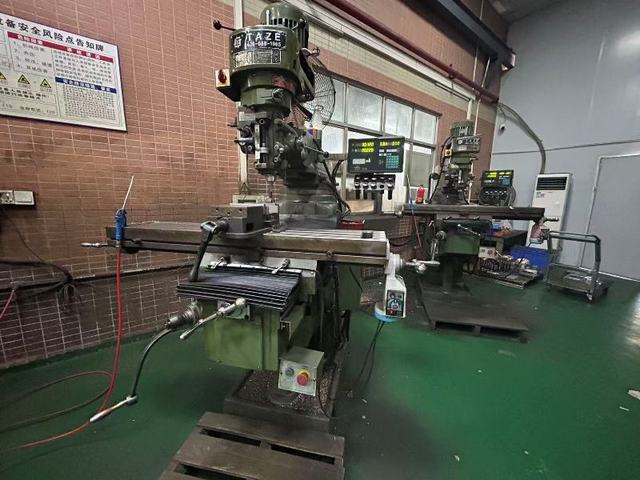
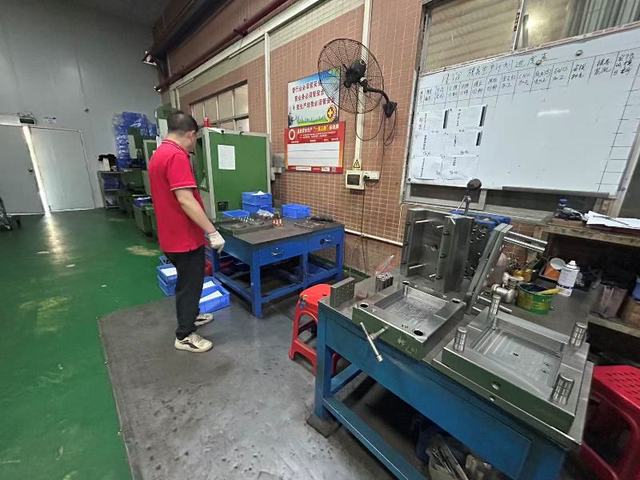
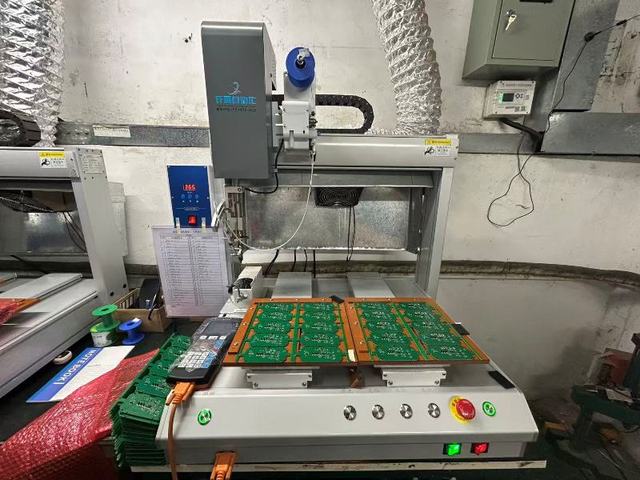
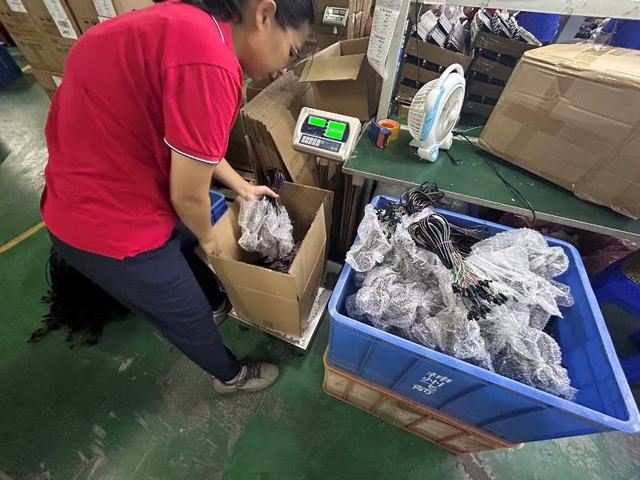
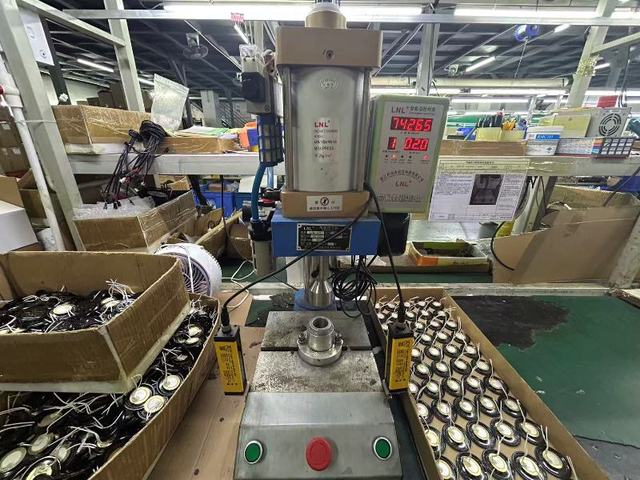
Quality is at the core of our operations. From component sourcing and product development to production and final testing, every stage follows strict quality management procedures to ensure consistent performance and compliance with international automotive standards. Our manufacturing facility is equipped with advanced production and testing equipment, enabling us to provide reliable products for demanding automotive environments.
We offer comprehensive OEM and ODM services for vehicle manufacturers, automotive suppliers, distributors, and mobility brands worldwide. Whether customers require customized designs, private-label production, or large-scale manufacturing, our flexible production capabilities support projects of various sizes and specifications.
Serving clients across North America, Europe, Southeast Asia, the Middle East, and other global markets, Hangzhou EV Light Co., Ltd. is dedicated to delivering innovative electric vehicle lighting solutions that contribute to safer, smarter, and more sustainable transportation. Our mission is to become a trusted global partner in advanced automotive lighting technology and smart mobility innovation.
The convergence of vehicle autonomy, smart transit grids, and V2X (Vehicle-to-Everything) communication is redefining the functional scope of electric bus lighting. Future technical developments focus on shifting lighting from a passive safety feature to an active communicative interface:
Utilizing high-definition matrix LED matrices coupled with front-facing ADAS cameras, our ADB systems dynamically dim individual LED clusters. This maintains high-beam illumination across road lanes while shading oncoming vehicles, improving safety on rural routes.
Configured into exterior side-panel indicators or rear lighting arrays, these systems visually communicate battery charging percentages to depot managers and commuters during charging station hookups.
Smart internal passenger illumination that automatically shifts color temperatures based on external daylight patterns. Warm tones at dawn and crisp daylight spectrums mid-afternoon optimize passenger comfort and minimize driver fatigue.
New Zealand's heavy vehicle import rules are strictly governed by the Land Transport Rule: Vehicle Lighting 2004. Any vehicle system operating on public transit networks must possess certifiable compliance pathways:
Our complete production catalog is engineered to support OEM integration with verified compliance certifications, including **UN ECE regulations (E-Mark)**, which are recognized under the NZTA framework. Whether you are assembling buses locally in New Zealand or exporting finished chassis units, our engineering documentation includes comprehensive photometric data, E-Mark certificate verification, and thermal test reports to streamline the Waka Kotahi certification process.
Get in touch with our engineering team today to request E-Mark certificates, customized CAD models, and customized lighting solutions optimized for the New Zealand transit market.
Send Inquiry NowAnswering critical engineering, procurement, and regulatory questions from transit authorities and vehicle bodybuilders.
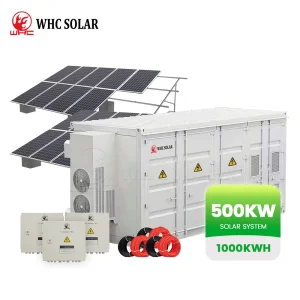
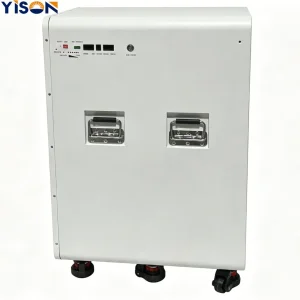
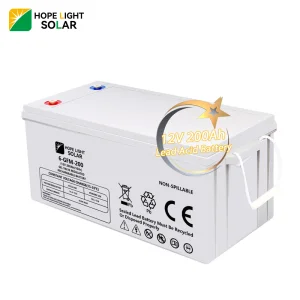
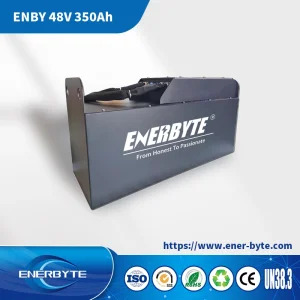
High-voltage containment systems, commercial BESS hardware, and robust battery backups designed to support transit networks and depot charging infrastructure.
 EV Light