Critical power, storage, and clean wash solutions tailored for modern green fleet operators in Panama.
Under the frameworks of Panama's National Strategy for Electric Mobility (ENME), municipal and commercial transport agencies like MiBus are aggressively prioritizing the transition of legacy combustion transit systems into zero-emission fleets. In addition to minimizing tailpipe emissions, operating in Panama's distinct equatorial ecosystem demands robust, specialized engineering configurations. Heavy tropical downpours, sustained high humidity (often exceeding 90%), intense UV exposure, and highly corrosive sea breeze salinity across the Isthmus present hostile operating conditions for commercial automotive electronics.
This is where custom-tailored Electric Bus Lighting Systems become essential. A bus headlight or ambient cabin module is not just an aesthetic feature—it is a critical safety system that must function flawlessly under adverse visibility, including torrential tropical rainfall and dense fog over high-altitude routes such as the Chiriquí province. Resolving these regional pain points requires Chinese advanced manufacturing expertise to source ingress-proof, thermally balanced, and energy-optimized LED systems.
Hangzhou EV Light Co., Ltd. delivers the precise balance of high technology, rigorous safety testing, and manufacturing scale required to support Panama's municipal infrastructure upgrades.
As transit authorities in Panama City, Colón, and David seek to localize and modularize their maintenance programs, securing partnerships directly with leading Chinese automotive electronics manufacturing plants provides distinct structural benefits:
For procurement managers at Panama's Autoridad del Tránsito y Transporte Terrestre (ATTT) or local fleet integrators, buying direct from a standardized Chinese factory guarantees compliance with international safety guidelines. Electric bus designs utilize higher voltage architectures (350V to 800V DC). Traditional automotive auxiliary systems must interface cleanly with high-voltage step-down converters (DC-DC). Our automotive light assemblies undergo comprehensive testing for Electromagnetic Compatibility (EMC), safeguarding sensitive vehicle communication systems from high-voltage harmonics.
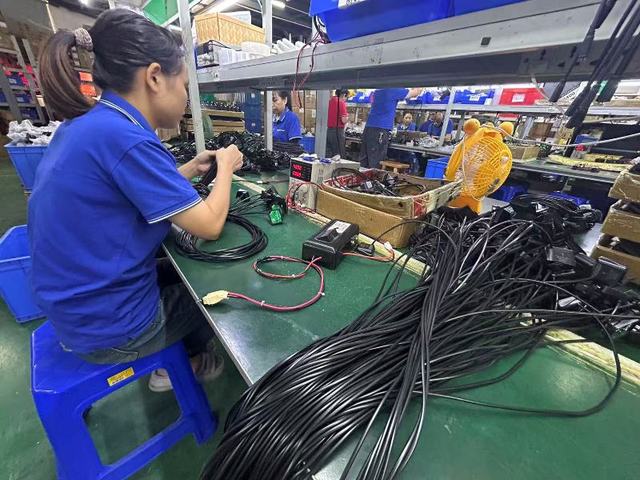
Explore inside the advanced SMT production, assembly, and testing laboratories of Hangzhou EV Light Co., Ltd.
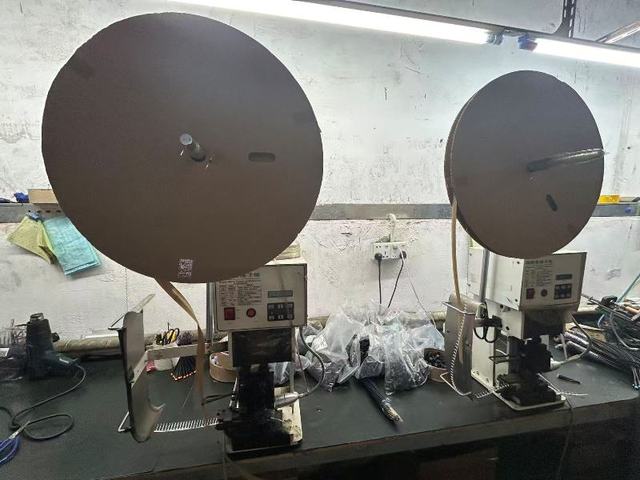
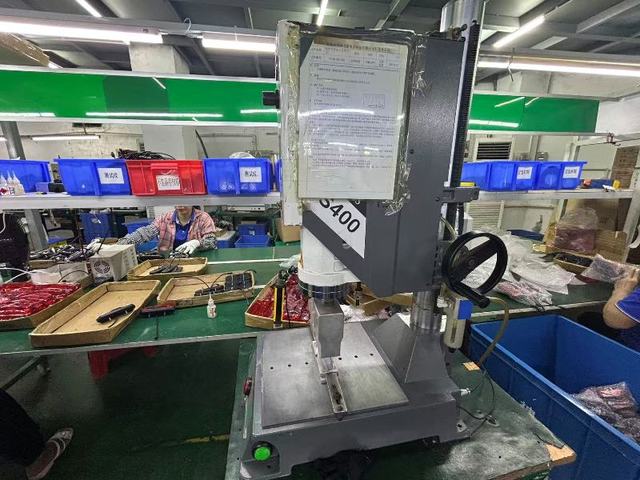
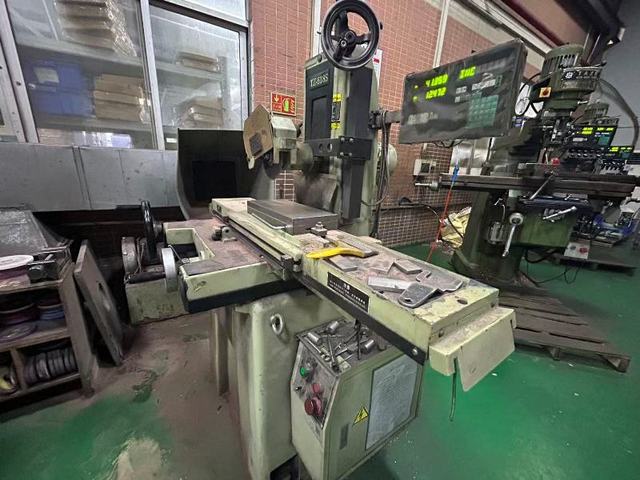
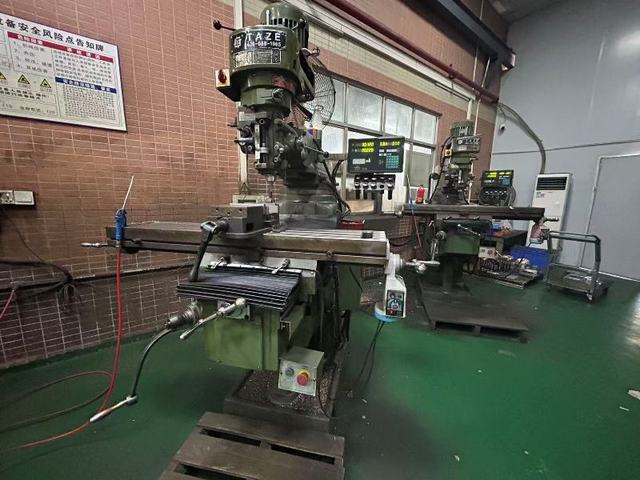
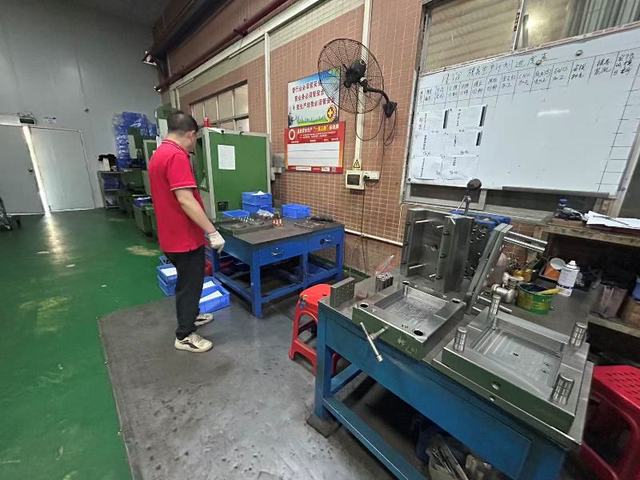
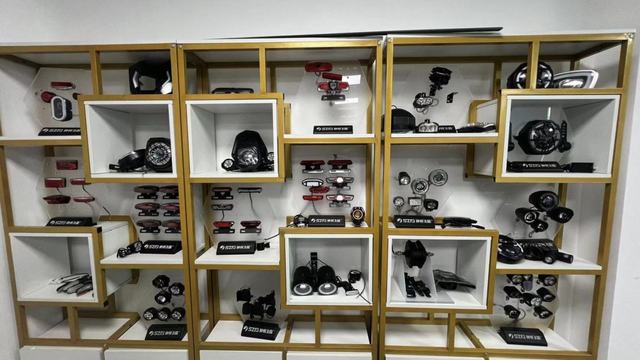
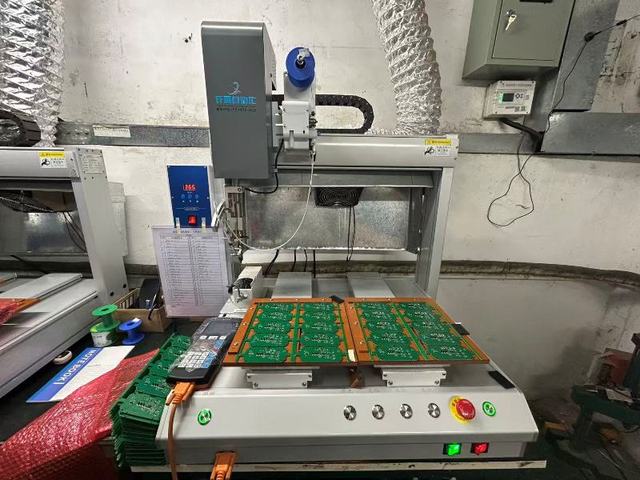
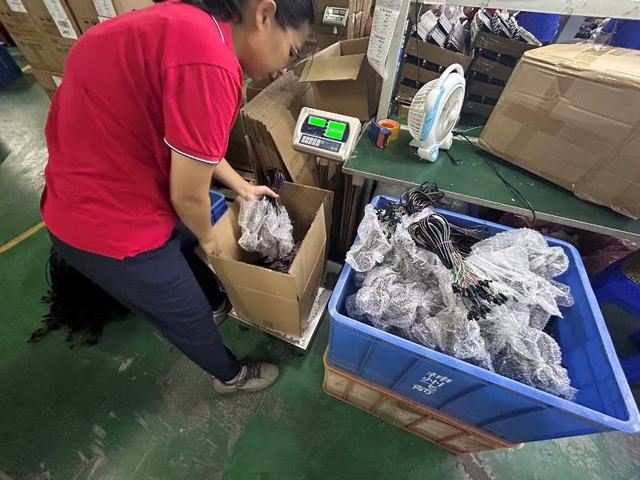
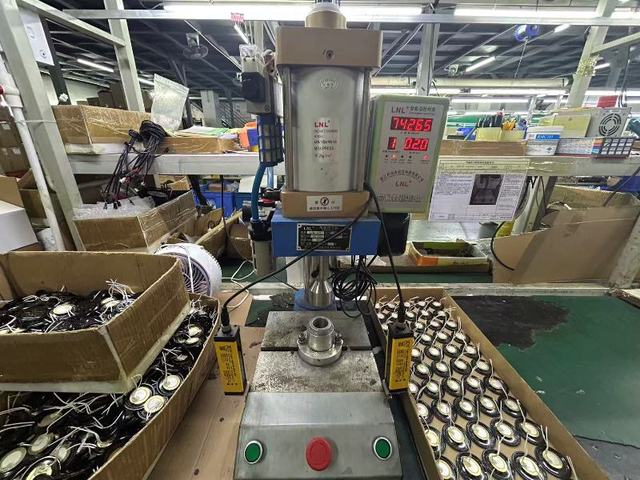
Developing a comprehensive solution that connects charging infrastructure, storage, and bus operation.
For municipal purchasers operating near the Panama Canal, selecting the correct material coatings and structural seals is paramount. The air is rich with salt spray, accelerating galvanic corrosion between dissimilar metals. At Hangzhou EV Light, we counter this challenge by employing corrosion-resistant composite materials and robust anodized aluminum housings, alongside stainless steel fasteners. Sealants are selected to survive thermal cycling—maintaining elastic integrity when moving from intense direct tropical heat during daytime layovers to cooler night temperatures.
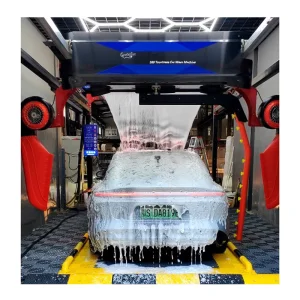
Additionally, keeping buses clean is vital to maintaining brand prestige and exterior light transmission. Frequent commercial bus washing can degrade cheap seals. That is why our products pair excellently with heavy-duty commercial equipment, ensuring high-pressure spray and chemicals do not breach the lighting array's physical barriers.
Electric bus batteries are high-value assets. Saving every single watt of parasitic auxiliary drain directly translates to longer ranges between recharges. By swapping conventional incandescent or xenon systems for our high-luminosity LED arrays, transport operators reduce lighting power consumption by over 80%. This reduction in auxiliary power draw lessens the continuous load on step-down converters, ensuring stable power delivery to other critical on-board components like ticketing kiosks, GPS telematics, and passenger Wi-Fi systems.
Get immediate professional technical guidance regarding certifications, customizations, logistics, and local climate integration.
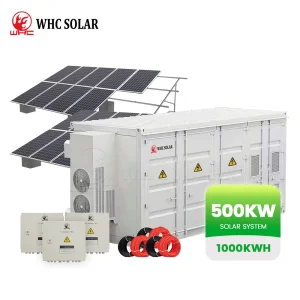
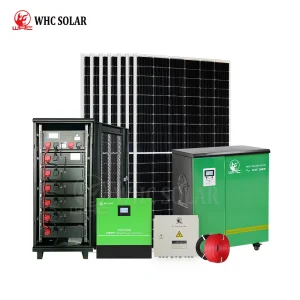
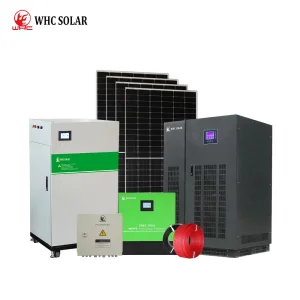
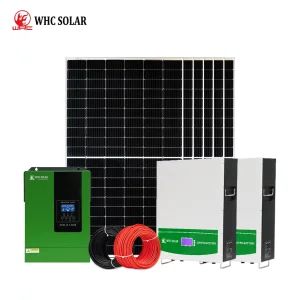
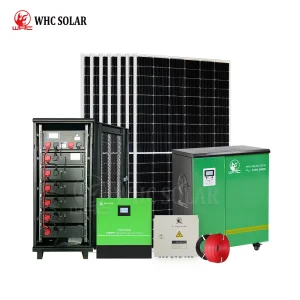
Providing the underlying energy infrastructure to drive, charge, and maintain green transit routes across Panama.
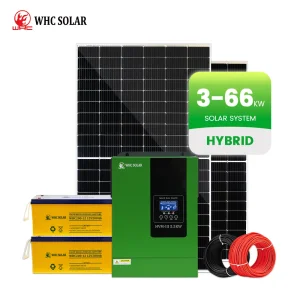
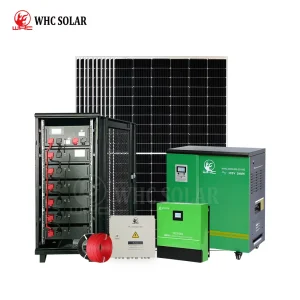
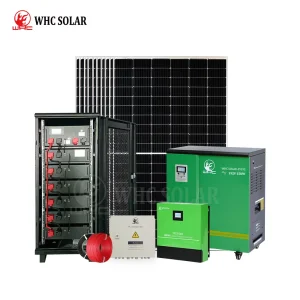
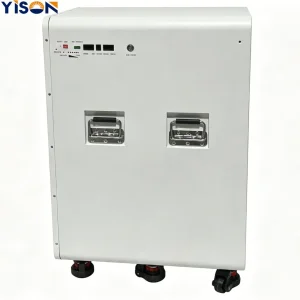
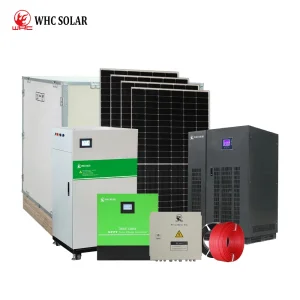
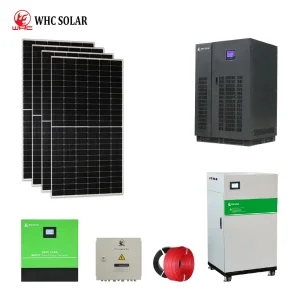
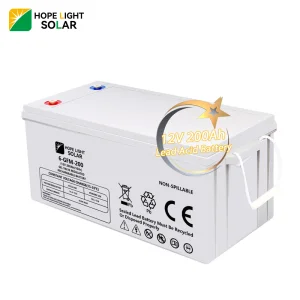
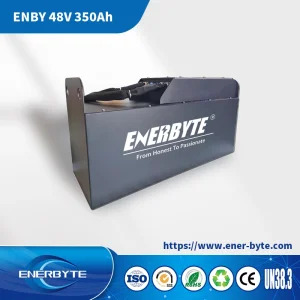
Whether you require direct container-level OEM supply, technical blueprints for custom lighting retrofits, or integrated off-grid depot energy systems in Panama, our engineering team is here to assist.
Send Inquiry Now EV Light