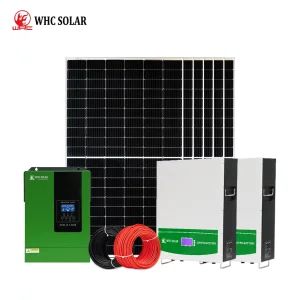
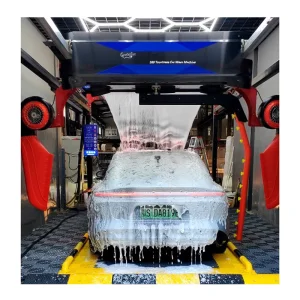
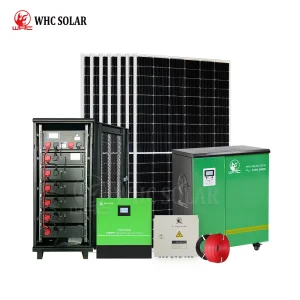
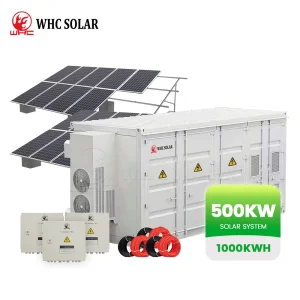
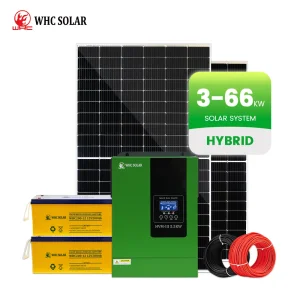
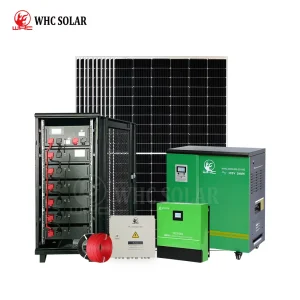
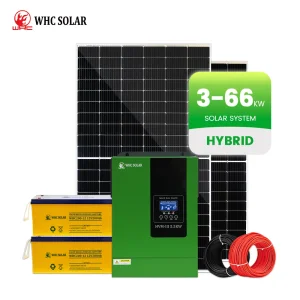
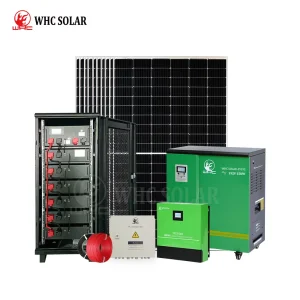
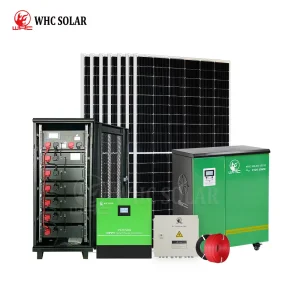
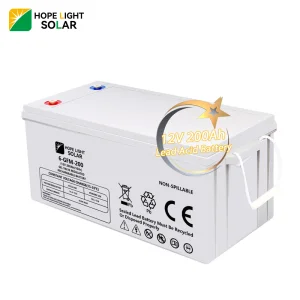
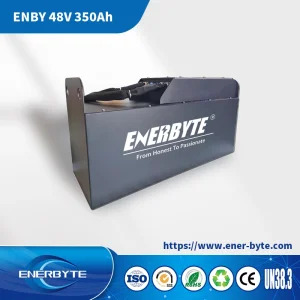
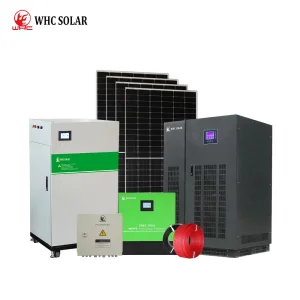
As Malaysia advances toward clean energy grids under the National Energy Transition Roadmap (NETR), electric mobility depends on a reliable, resilient infrastructure network. Below are the key power generation, solar integration, and commercial maintenance systems currently serving the green fleet transitions.
Malaysia’s commitment to achieving net-zero emissions by 2050 has catalyzed rapid transformation across public transit. Under key national frameworks, including the National Automotive Policy 2020 (NAP 2020), the Low Carbon Mobility Blueprint, and the recently launched National Energy Transition Roadmap (NETR), Malaysia is actively replacing its fossil-fueled bus fleets with zero-emission alternatives. Key regional transport operators like Prasarana Malaysia Berhad are deploying fleets of electric buses for Rapid KL and Rapid Penang services. Meanwhile, projects such as the Kuching Urban Transportation System (KUTS) in Sarawak are introducing hydrogen-powered and battery-electric Autonomous Rapid Transit (ART) vehicles.
However, the operational demands of the Malaysian transport environment are uniquely harsh. Characterized by high ambient temperatures averaging 32°C year-round, intensive UV radiation, and severe tropical monsoons with relative humidity levels constantly exceeding 85%, standard commercial bus components undergo extreme stress. In the context of Electric Bus Lighting Systems, these environmental factors demand advanced, specialized engineering. Water ingress, rapid thermal cycles, electrical fluctuations, and vibrational wear can lead to premature lighting failure. This compromises passenger safety, breaches regulatory compliance, and increases operational downtime for transit operators.
To meet these challenges, local bodybuilders and vehicle assemblers, such as Gemilang Coachworks—a major exporter of electric buses in the Asia-Pacific region—require lighting systems engineered specifically for tropical climates. This demands IP67 and IP69K sealing ratings, intelligent thermal dissipation pathways, dynamic communication controls (CAN bus integration), and strict compliance with global safety standards.
Globally, the commercial electric vehicle sector is moving away from basic, passive illumination toward smart, integrated lighting systems. These configurations act as communication interfaces, safety beacons, and active styling elements. In the electric bus (e-bus) sub-sector, lighting design directly impacts battery consumption. Because electric heating, ventilation, air conditioning (HVAC), and auxiliary systems pull energy from the primary traction battery, reducing the power draw of auxiliary systems directly extends the vehicle's driving range. By shifting to high-efficiency LED chips and smart driver circuits, modern lighting systems reduce energy consumption by over 80% compared to traditional halogen systems.
From a regulatory standpoint, Malaysia aligns its automotive standards with the United Nations Economic Commission for Europe (UNECE) Regulations. Lighting systems manufactured for Malaysian roads must meet stringent standards, including:
| Technology Class | Key Specifications | Malaysian Operational Advantage | Regulatory Compliance |
|---|---|---|---|
| Advanced LED Headlamps | High-low beam integrations, dynamic daytime running lights (DRL), integrated indicators. | High visibility during heavy monsoon downpours and low-light highway operations. | ECE R149 Compliant, IP67/IP69K Sealing |
| Intelligent Interior Lighting | Circadian rhythm-friendly ambient lighting, smart LED indicators, emergency exit routing. | Reduced passenger fatigue and improved interior cabin comfort for urban commuters. | ECE R118 (Flammability Standards) |
| Smart Status Indicators | Exterior charge indicators, interactive side-marker lights with fault detection systems. | Visual charging progression tracking at depot charging bays. | ECE R148 & R10 EMC Compliant |
| Thermoregulated LED Drivers | Integrated active temperature monitoring, aluminum alloy heat sinking. | Long-term heat protection in 35°C+ tropical climates. | CE & RoHS Safety Standards |
During torrential downpours in Kuala Lumpur and Selangor, visibility drops rapidly. Our high-performance LED headlamps offer an optimized light dispersion pattern and high-intensity output to cut through water vapor, providing reliable safety for vehicles on roads prone to flash flooding.
With major bus depots like the Rapid KL Cheras Selatan Depot managing growing EV fleets, visual charge indicators integrated directly into the bus's exterior lighting enable depot supervisors to check charging status at a glance.
For intercity electric buses traversing the North-South Expressway, our adaptive front lighting systems (AFS) adjust to vehicle speeds and road curves, ensuring consistent illumination while preventing glare for oncoming drivers.
Hangzhou EV Light Co., Ltd. is a professional China electric vehicle lighting manufacturer specializing in EV LED lighting and smart automotive lighting solutions for the rapidly evolving new energy vehicle industry. With a strong commitment to innovation, performance, and reliability, we provide advanced lighting technologies that enhance vehicle safety, energy efficiency, functionality, and visual appeal.
Our product portfolio includes EV headlight systems, taillight assemblies, daytime running lights, signal lighting, interior ambient lighting, charging status indicators, smart lighting modules, and customized automotive lighting solutions. Designed to meet the requirements of modern electric vehicles, our products are widely used in passenger EVs, commercial electric vehicles, electric buses, electric motorcycles, electric scooters, and emerging smart mobility applications.
At Hangzhou EV Light, we combine advanced engineering expertise with modern manufacturing capabilities to develop lighting solutions that deliver superior brightness, durability, and energy efficiency. Our experienced research and development team continuously explores new technologies in intelligent lighting control, adaptive lighting systems, LED integration, and automotive electronics to support the future of electric transportation.
Quality is at the core of our operations. From component sourcing and product development to production and final testing, every stage follows strict quality management procedures to ensure consistent performance and compliance with international automotive standards. Our manufacturing facility is equipped with advanced production and testing equipment, enabling us to provide reliable products for demanding automotive environments.
We offer comprehensive OEM and ODM services for vehicle manufacturers, automotive suppliers, distributors, and mobility brands worldwide. Whether customers require customized designs, private-label production, or large-scale manufacturing, our flexible production capabilities support projects of various sizes and specifications.
Serving clients across North America, Europe, Southeast Asia, the Middle East, and other global markets, Hangzhou EV Light Co., Ltd. is dedicated to delivering innovative electric vehicle lighting solutions that contribute to safer, smarter, and more sustainable transportation. Our mission is to become a trusted global partner in advanced automotive lighting technology and smart mobility innovation.
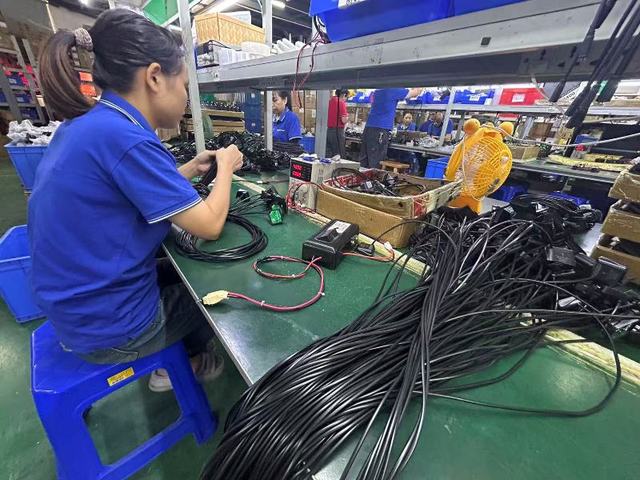
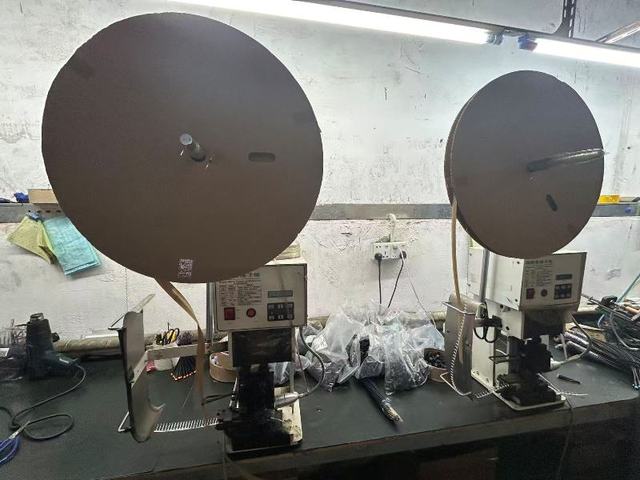
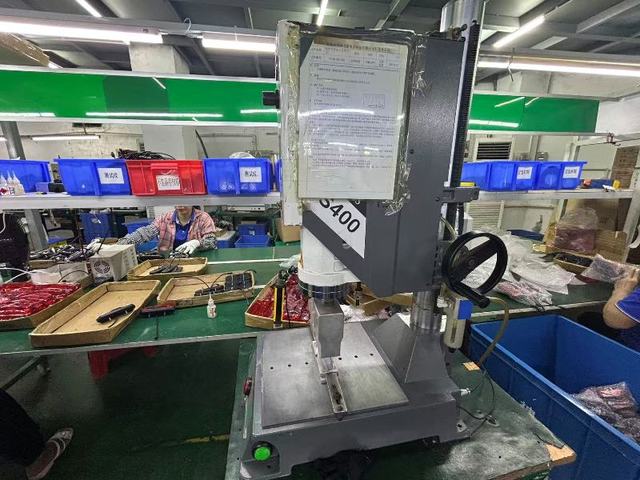
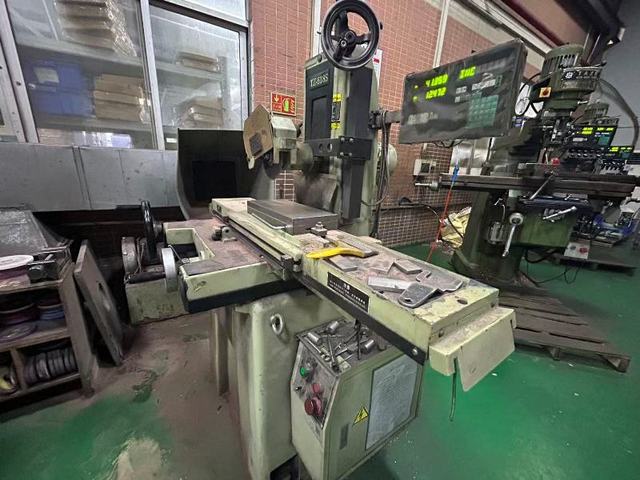
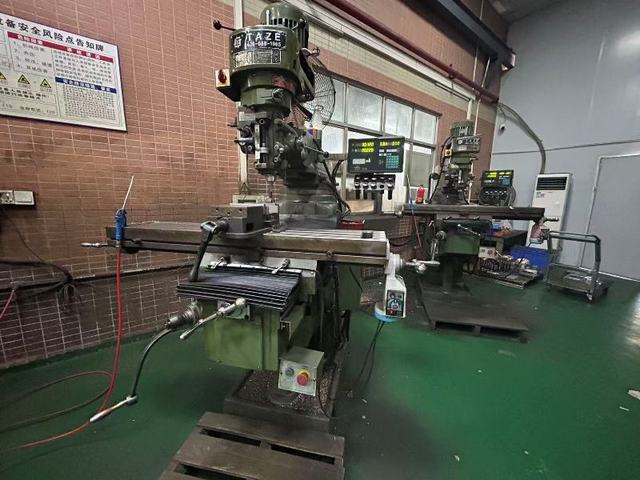
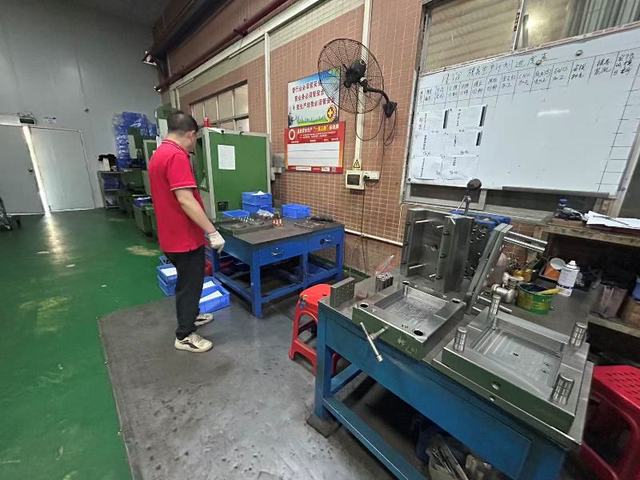
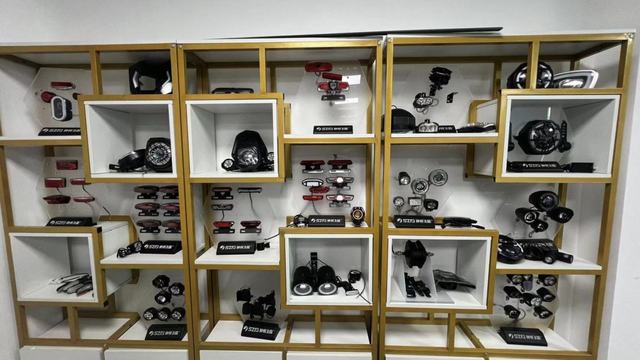
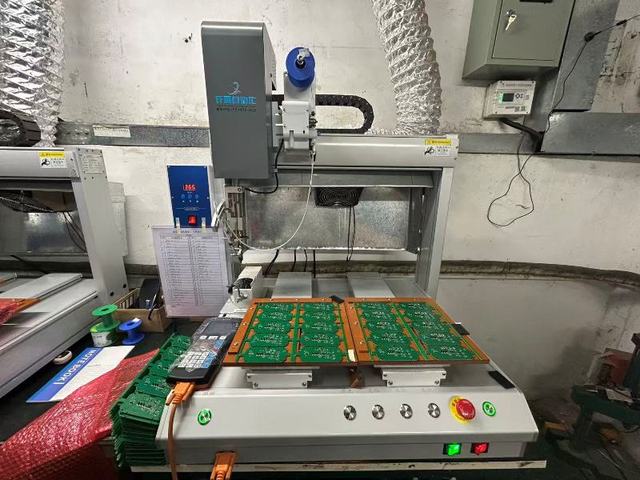
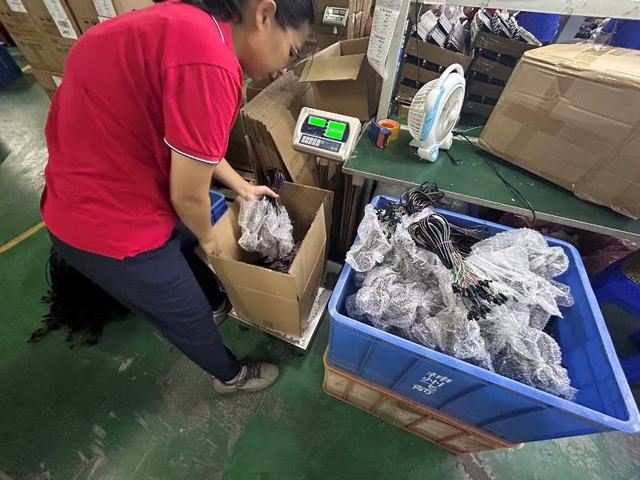
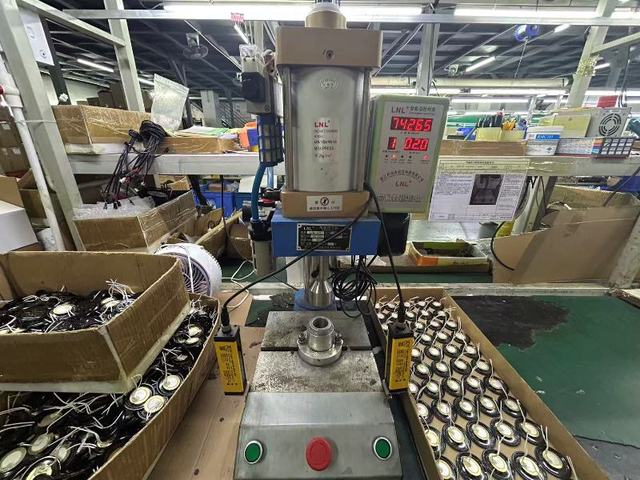
Integrating modern LED assemblies into electric bus chassis networks requires structured engineering. For Malaysian vehicle bodybuilders and global automotive companies, we provide end-to-end support, from the design phase to validation testing:
Utilizing advanced optical simulation programs like LucidShape and LightTools, we design customized light guides and reflector systems. This allows our optics to focus light where it is needed on the road, minimizing glare and ensuring compliance with local transport rules.
Our systems feature integrated Controller Area Network (CAN) and Local Interconnect Network (LIN) communication transceivers. This enables bidirectional communication, allowing the bus’s central processing computer to monitor diagnostic statuses, detect faults, and adjust light outputs based on operational modes (e.g., energy conservation modes during low battery states).
Because hot, humid air reduces the efficiency of LED systems, we utilize high-conductivity aluminum PCBs and integrated thermal sensors. If temperatures rise to unsafe levels, our drivers automatically scale back the light output slightly to prevent component failure, extending the life of the system.
All products undergo intensive environmental testing. This includes high-pressure water spray tests (IPX9K), long-term UV weathering tests to prevent the yellowing of outer lenses, salt-fog testing to simulate coastal operations in Penang and Port Klang, and vibration sweeps to ensure the assemblies can withstand rough road surfaces.
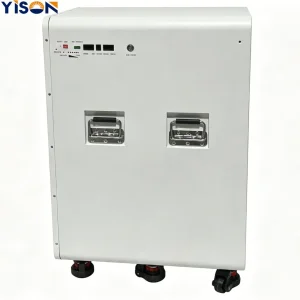
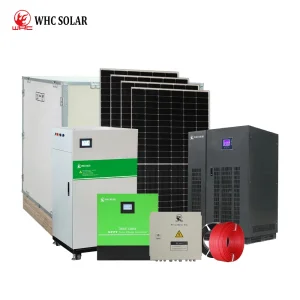
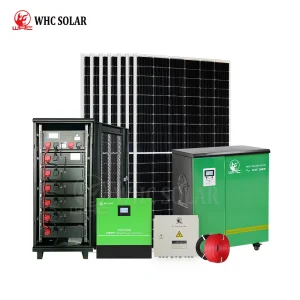
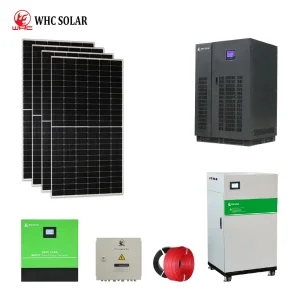
To support the high electrical demands of electric bus fleets, vehicle terminals require local off-grid and hybrid energy infrastructure. The solar power configurations, battery banks, and charging microgrid solutions listed below provide reliable energy storage to keep commercial fleets running.
 EV Light