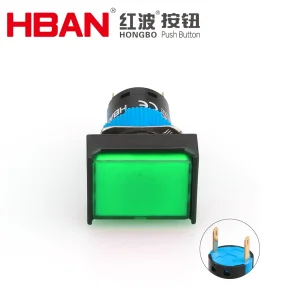
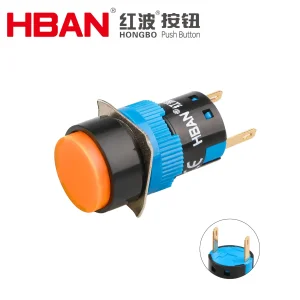
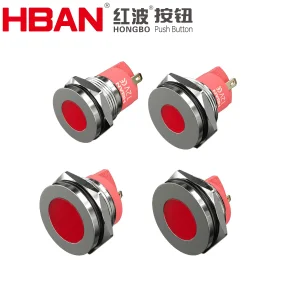
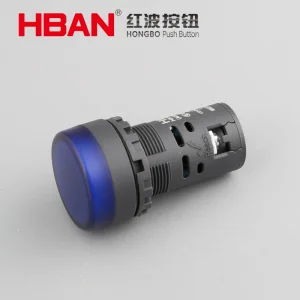
As Japan accelerates its transition toward carbon neutrality by 2050 under the Ministry of Economy, Trade and Industry (METI) framework, electric vehicle (EV) charging infrastructure is undergoing an unprecedented expansion. The User Interface (UI) and Human-Machine Interface (HMI) of charging terminals are vital in ensuring user trust, equipment safety, and operating efficiency. Hangzhou EV Light Co., Ltd. serves this vital market by delivering robust, highly visible EV charging status indicators designed to handle Japan’s extreme climates and strict industrial standards.
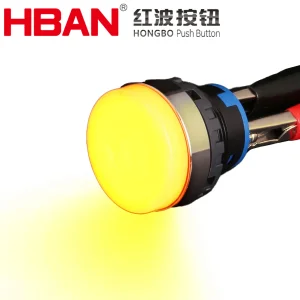
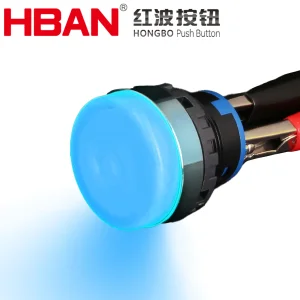
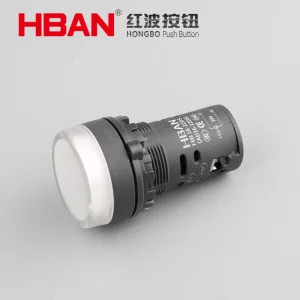
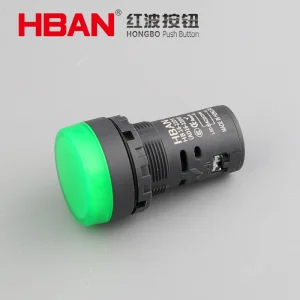
An EV charger is not merely a power supply; it is an active node on a smart grid. The indicator light acts as the primary visual communication channel between the grid, the vehicle, and the human user. Our industrial indicator solutions utilize advanced LED matrices to provide instant status representation—such as standby, connection confirmation, power delivery, thermal status, or system fault alerts. Ensuring that these signals are clear under direct Tokyo sunlight or Hokkaido's heavy blizzards is essential for the seamless operation of public and private charging facilities.
Japan's domestic EV market is at a pivotal crossroads. METI has established a target of expanding the national charging network to 300,000 connector points by 2030, a substantial increase from previous plans. This target emphasizes high-power quick chargers along major transport corridors like the Tomei and Shin-Tomei Expressways, alongside dense standard AC charging networks in metropolitan Tokyo, Yokohama, and Osaka.
To support this deployment, charging systems require robust components capable of continuous operation with minimal maintenance. Unlike standard global deployments, Japanese infrastructure requires adherence to specific local considerations. This includes compatibility with CHAdeMO 1.2, 2.0, and the upcoming ChaoJi high-power charging standards, along with mechanical resilience to withstand seismic events and coastal atmospheric corrosion. Visual indicator lights must meet these requirements by offering long-term reliability and clear visibility.
Our indicators are designed to pair with state machine controllers following CHAdeMO requirements, indicating exact insulation tests, pre-charge, and charging stages.
Tested to withstand typhoons and torrential rains, our components are certified up to IP67 and IP69K, preventing moisture ingress at high-pressure washes.
Designed with robust terminal connections (pin or screw terminal) to prevent connection failures arising from frequent micro-vibrations and seismic tremors.
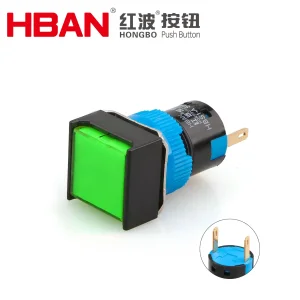
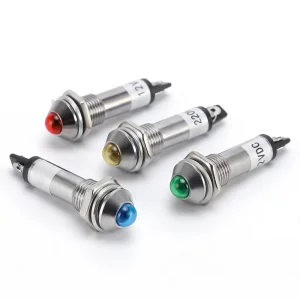
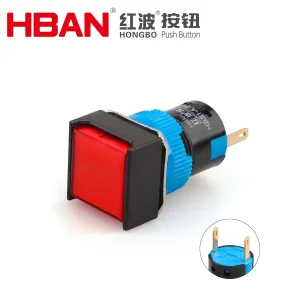
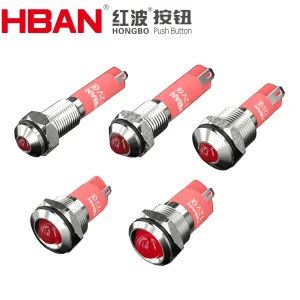
Globally, EV infrastructure is transitioning from localized pilot projects to integrated megawatt-level networks. System architectures align with international standards such as IEC 61851-1 (conductive charging systems) and ISO 15118 (road vehicles to grid communication interface). These standards demand high operational reliability for HMIs, noting that visual clarity directly influences user safety and helps prevent diagnostic errors during fast-charging sessions.
The international market is moving rapidly toward multi-color addressable indicators (RGB/RGBW) that display various statuses beyond simple on/off states. By employing pulse-width modulation (PWM) and smart protocol controllers, indicators can visually communicate real-time SOC (State of Charge), payment processing states, dynamic grid peak-shaving activities, and active cooling system statuses. Our advanced indicators are built on these global trends, allowing Japanese operators to utilize international hardware architectures while satisfying strict local criteria.
In Japan, the integration of Vehicle-to-Home (V2H) and Vehicle-to-Grid (V2G) systems is critical due to energy resilience planning requirements. Charging equipment must show whether energy is flowing into the vehicle battery or discharging back to support the local grid. Our specialized multi-state indicator lights help visualize this bidirectional energy transfer.
Through color coding—such as solid green for standard charging, breathing blue for active power delivery, and pulsing amber during discharging phases—operators and homeowners receive immediate confirmation of system activities. For large commercial depots and autonomous fleet charging hubs, our long-range indicators assist fleet managers in performing quick visual inspections, reducing reliance on digital dashboards.
Space-constrained underground environments demand indicators with low-smoke, zero-halogen (LSZH) plastic housings and flame-retardant performance (UL94 V-0) to meet local fire safety regulations.
Sub-zero environments require anti-icing, heated optical lenses, or dome-head shapes that shed snow cover easily, combined with high-flux LEDs that penetrate dense winter blizzards.
Chargers deployed in port cities, such as Yokohama or Fukuoka, use marine-grade SUS316 stainless steel housings, protecting internal electronics from salt-spray damage.
Our engineering team focuses on two key aspects: heat management and optical efficiency. Indicator lights on EV chargers are often located near high-power lines, subjecting them to elevated ambient temperatures. We utilize Metal Core PCBs (MCPCB) and thermal-interface materials to keep junction temperatures low, ensuring consistent color rendering index (CRI) and a long operating lifespan.
Additionally, our optical housings feature UV-stabilized polycarbonate materials that resist yellowing when exposed to outdoor solar radiation. Future designs include smart, addressable RGB status lamps that can interface with charger microcontrollers via Single-Wire or I2C communication protocols. This minimizes wiring complexity while providing a wide range of warning codes and visual states.
Hangzhou EV Light Co., Ltd. is a professional China electric vehicle lighting manufacturer specializing in EV LED lighting and smart automotive lighting solutions for the rapidly evolving new energy vehicle industry. With a strong commitment to innovation, performance, and reliability, we provide advanced lighting technologies that enhance vehicle safety, energy efficiency, functionality, and visual appeal.
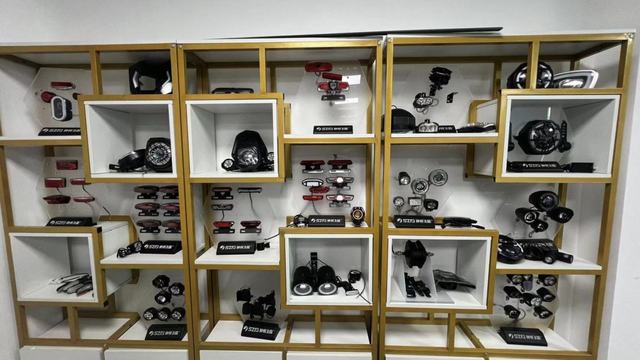
Our product portfolio includes EV headlight systems, taillight assemblies, daytime running lights, signal lighting, interior ambient lighting, charging status indicators, smart lighting modules, and customized automotive lighting solutions. Designed to meet the requirements of modern electric vehicles, our products are widely used in passenger EVs, commercial electric vehicles, electric buses, electric motorcycles, electric scooters, and emerging smart mobility applications.
At Hangzhou EV Light, we combine advanced engineering expertise with modern manufacturing capabilities to develop lighting solutions that deliver superior brightness, durability, and energy efficiency. Our experienced research and development team continuously explores new technologies in intelligent lighting control, adaptive lighting systems, LED integration, and automotive electronics to support the future of electric transportation.
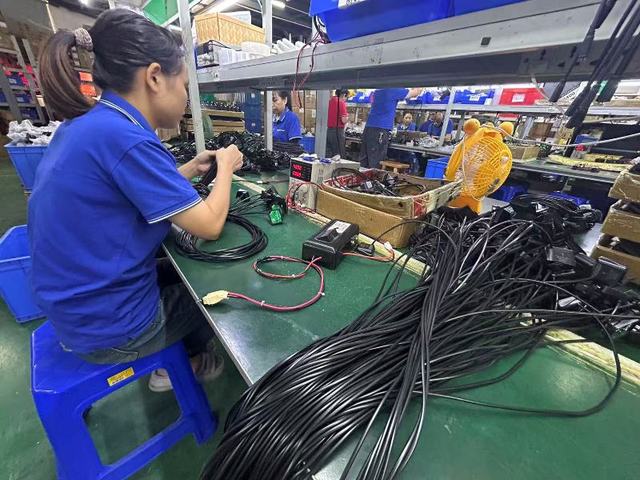
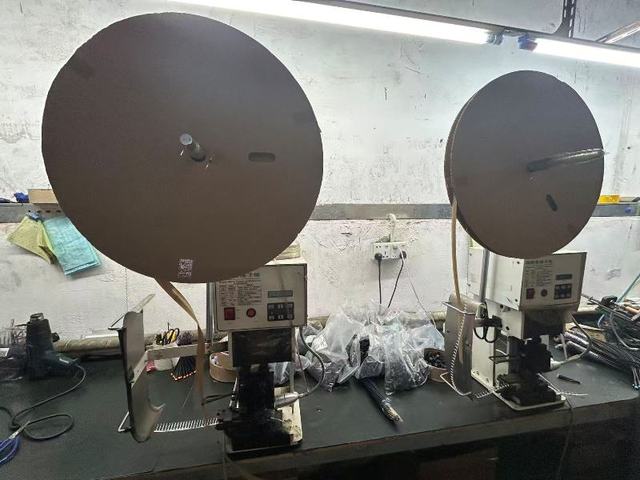
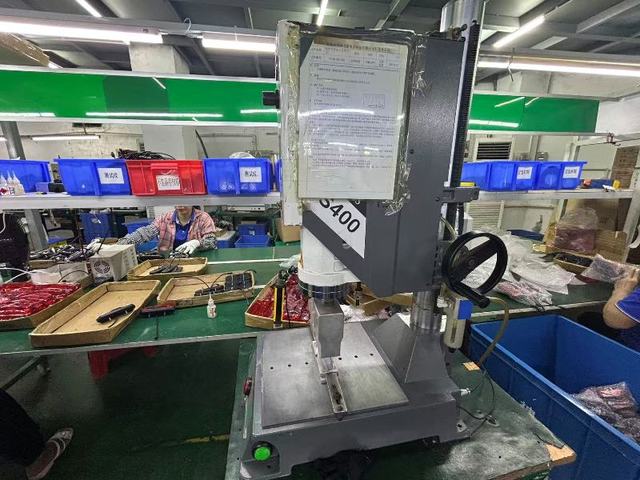
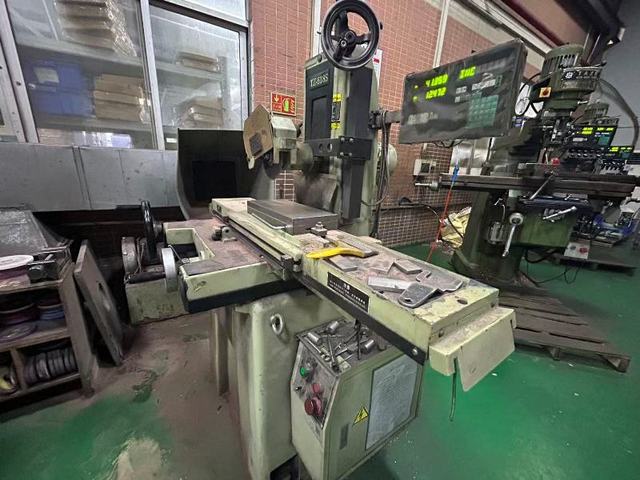
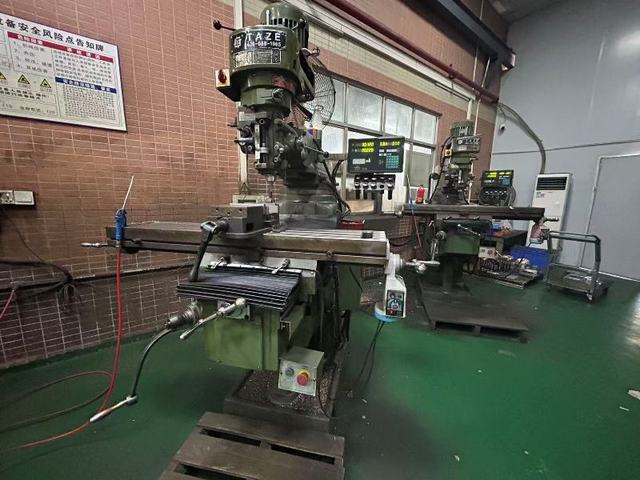
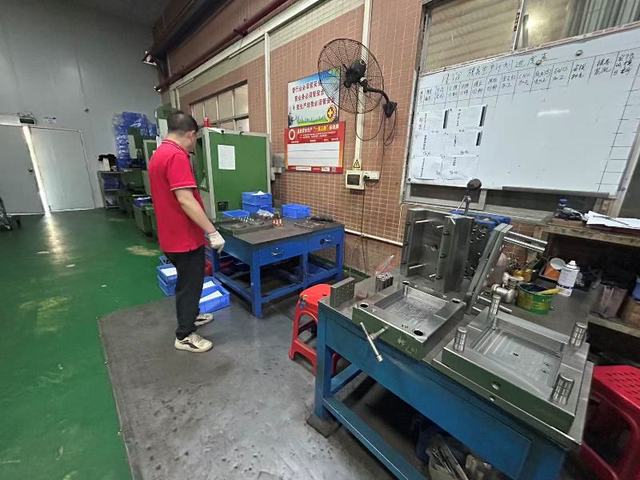
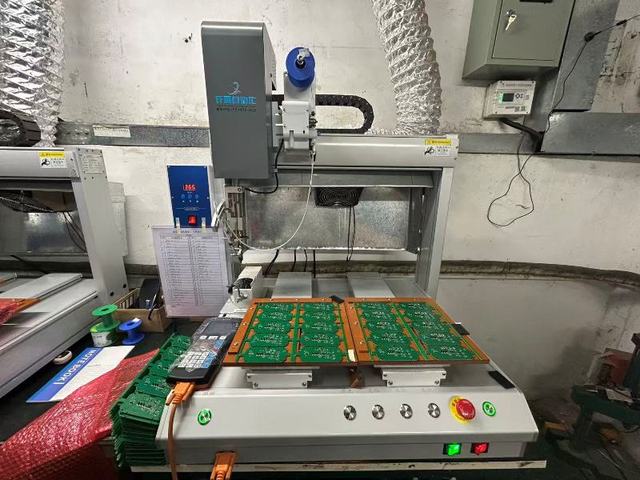
Quality is at the core of our operations. From component sourcing and product development to production and final testing, every stage follows strict quality management procedures to ensure consistent performance and compliance with international automotive standards. Our manufacturing facility is equipped with advanced production and testing equipment, enabling us to provide reliable products for demanding automotive environments.
We offer comprehensive OEM and ODM services for vehicle manufacturers, automotive suppliers, distributors, and mobility brands worldwide. Whether customers require customized designs, private-label production, or large-scale manufacturing, our flexible production capabilities support projects of various sizes and specifications.
Serving clients across North America, Europe, Southeast Asia, the Middle East, and other global markets, Hangzhou EV Light Co., Ltd. is dedicated to delivering innovative electric vehicle lighting solutions that contribute to safer, smarter, and more sustainable transportation. Our mission is to become a trusted global partner in advanced automotive lighting technology and smart mobility innovation.
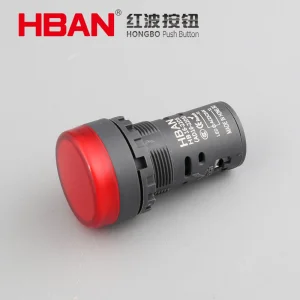
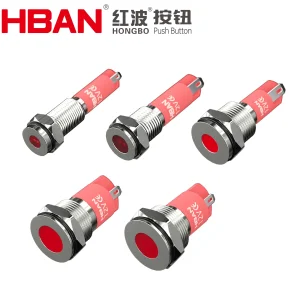
Deploying hardware in the Japanese industrial sector requires compliance with several local standards. All electric components must satisfy the specifications of the Electrical Appliance and Material Safety Act (PSE mark) where applicable. Furthermore, manufacturing practices must align with JIS (Japanese Industrial Standards) for environmental chamber testing, ensuring that insulation, flame retardance, and mechanical shock performance meet local criteria.
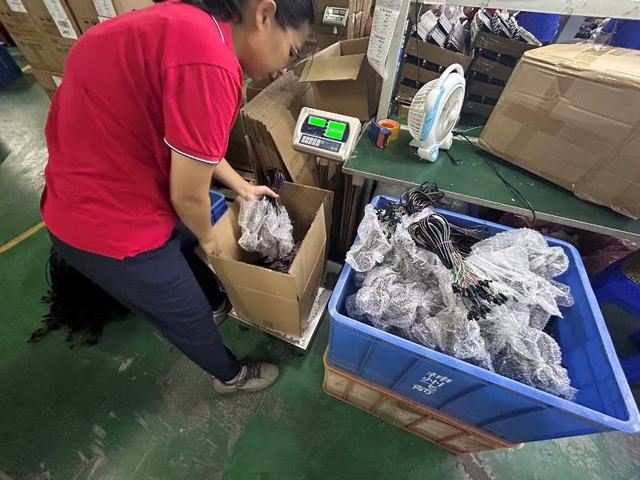
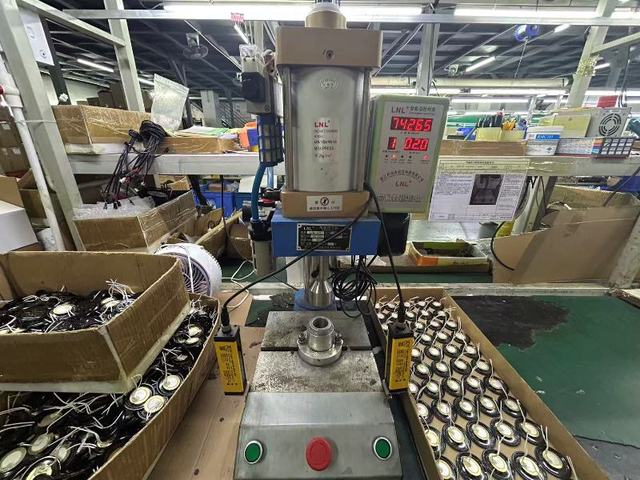
Our production facilities implement rigorous quality checks, including automated visual inspection (AOI), environmental aging test chambers, and helium-leak tests for IP69K-rated models. Additionally, all raw materials comply with the RoHS and REACH directives, ensuring that the heavy metals content remains well below hazardous levels. This compliance framework supports our efforts to maintain a stable, compliant supply chain for automotive OEMs and charging-pile network operators throughout Japan.
 EV Light